
Shower Enclosures
Shower Enclosure Glass Thickness: Load Capacity & Safety Standards Explained
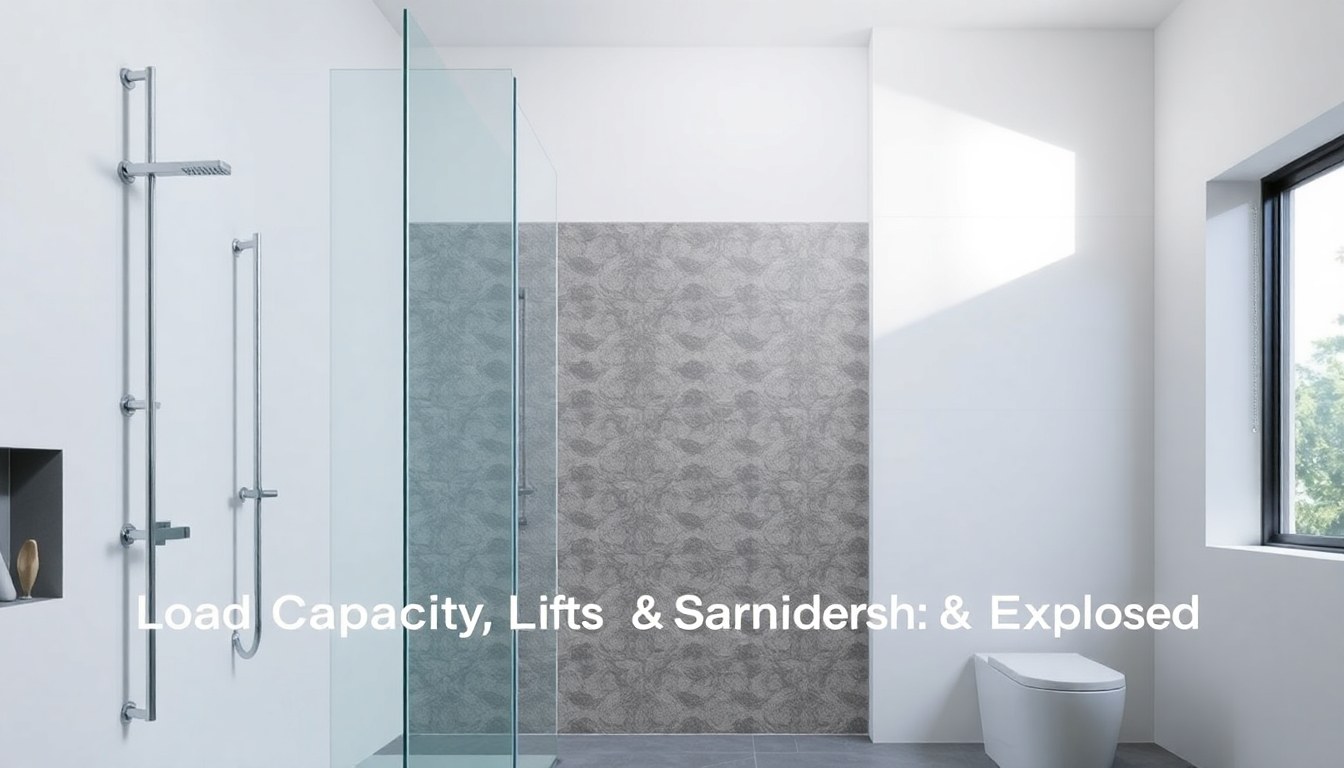
When installing a frameless shower enclosure, the thickness of the glass is far more than a cosmetic choice—it directly affects durability, safety, and compliance with Indian building standards. A door that's too thin risks cracking under its own weight or sudden temperature changes, while oversized glass unnecessarily inflates costs. This engineering guide walks you through the science of load capacity, safety standards, and practical sizing so you can specify the right thickness for your bathroom.
Understanding Glass Thickness Standards for Shower Enclosures
Shower enclosure glass is measured in millimeters, and the most common thicknesses in India are 6mm, 8mm, 10mm, and 12mm. Each thickness rating corresponds to specific load-bearing capacities and safety performance. The Indian Standard IS 2553 (Code of Practice for Installation of Safety Glass in Buildings) and the National Building Code of India (NBC) set guidelines for safety glass applications, including bathroom enclosures.
Frameless shower doors place all structural stress on the glass itself and the hinge hardware, making thickness selection critical. Unlike framed enclosures, where the frame absorbs some load, frameless designs require the glass to be self-supporting. The thickness you choose must account for the door's height, width, and the span between hinges.
Why Thickness Matters More Than You Think
Glass thickness influences deflection—how much the door bends under its own weight or when pushed. Even a small amount of deflection can cause seals to fail, water to leak, or hinges to misalign. Thicker glass deflects less, stays flatter longer, and resists thermal shock better. In India's hot and humid climate, where bathrooms experience rapid temperature swings between cold morning showers and hot afternoons, thermal stress becomes a real concern.
Load Capacity: How Much Weight Can Each Thickness Support?
Load capacity depends on three variables: glass thickness, door dimensions (height and width), and hinge spacing. The relationship isn't linear—doubling thickness doesn't double capacity. Instead, load capacity increases exponentially with thickness, which is why 10mm glass can support significantly more than 8mm for the same door size.
Here's a practical breakdown for typical bathroom door sizes:
- 6mm glass: Suitable only for small fixed panels or doors under 700mm wide and 1500mm tall, with hinges spaced no more than 600mm apart. Load capacity: approximately 25–35 kg per hinge.
- 8mm glass: The most common choice for standard frameless shower doors. Handles doors up to 900mm wide and 2000mm tall comfortably. Load capacity: approximately 40–60 kg per hinge.
- 10mm glass: Recommended for larger doors (900–1200mm wide) or doors taller than 2000mm. Load capacity: approximately 70–100 kg per hinge.
- 12mm glass: Used for premium installations, extra-large doors, or where maximum deflection control is needed. Load capacity: approximately 120–150 kg per hinge.
These figures assume proper hinge installation, quality hardware rated for the load, and correct spacing. Always consult with your glass supplier or installer to verify capacity for your specific door dimensions.
Indian Building Codes & Safety Standards
India's National Building Code and IS 2553 mandate that safety glass used in bathrooms must meet specific safety requirements. Tempered glass is the standard for shower enclosures because it's four to five times stronger than annealed glass and shatters into small, harmless granules rather than sharp shards if broken.
The NBC specifies that bathroom glass fixtures must be tempered and marked with the manufacturer's name, thickness, and safety certification. This marking is usually etched or printed on the glass. When ordering a shower enclosure, always verify that the glass carries the ISI (Indian Standards Institution) mark or equivalent certification.
Compliance Checklist for Indian Installations
- Glass must be tempered (not annealed or laminated alone).
- Thickness must match door dimensions and hinge load ratings.
- Glass must be marked with manufacturer details and safety certification.
- Hinges and hardware must be stainless steel (316-grade preferred for humid climates).
- Installation must follow manufacturer guidelines and local plumbing codes.
- A licensed plumber or glass installer should handle the fitting.
Frameless vs. Framed: How Design Affects Thickness Requirements
Frameless shower enclosures demand thicker glass because the glass itself carries all structural load. A 10mm frameless door is not interchangeable with a 10mm framed door—the framed version can be thinner because the aluminum or steel frame shares the load.
Framed enclosures typically use 6mm or 8mm glass because the frame distributes weight and reduces deflection. Frameless designs almost always require 8mm as a minimum, with 10mm or 12mm preferred for larger doors. If you're comparing quotes from installers, always ask whether the enclosure is frameless or framed, as this directly impacts the appropriate glass thickness and cost.
Hinge Placement and Thickness Correlation
The spacing between hinges also influences thickness requirements. Hinges are typically spaced 150–200mm from the top and bottom of the door, with additional hinges every 600–800mm for taller doors. Wider hinge spacing allows more glass deflection between support points, so you may need thicker glass. Closer spacing reduces deflection and allows thinner glass, but too many hinges look visually cluttered and increase cost.
For a standard 900mm × 2000mm door with three hinges (top, middle, bottom), 8mm tempered glass is usually sufficient. For a 1200mm × 2200mm door, 10mm is safer and more durable.
Climate Considerations for India
India's diverse climates—from humid coastal areas to hot inland regions—create unique stresses on shower glass. High humidity accelerates corrosion of hinges and seals, while temperature swings between air-conditioned bathrooms and hot showers stress the glass through thermal shock.
Thicker glass handles thermal stress better because it heats and cools more evenly, reducing internal stress gradients. In coastal cities like Mumbai, Chennai, or Kochi, where salt air and humidity are extreme, upgrading from 8mm to 10mm glass is a worthwhile investment in longevity. In drier inland regions, 8mm may suffice for standard door sizes.
Always ensure hinges are 316-grade stainless steel (marine-grade), not 304-grade, for humid climates. Cheaper hardware corrodes quickly and can fail, potentially dropping the door.
Selecting the Right Thickness: A Practical Checklist
Before ordering your shower enclosure, gather these measurements and specifications:
- Door dimensions: Measure the width and height of the opening in millimeters. Don't round up—precision matters.
- Hinge configuration: Decide on the number and placement of hinges. More hinges allow thinner glass but add cost.
- Door type: Frameless or framed? Pivot hinges or standard hinges?
- Climate zone: Are you in a humid coastal area or a drier inland region?
- Budget: Thicker glass costs more, but it's a one-time investment in safety and durability.
- Installer recommendations: Consult with a certified glass installer who understands local codes.
As a rule of thumb: when in doubt, go thicker. An 8mm door is safer and more durable than 6mm. A 10mm door will outlast 8mm. The cost difference is modest compared to the risk of premature failure or safety issues.
Common Mistakes to Avoid
Many homeowners and even some installers make predictable errors when specifying shower glass:
- Assuming all glass is tempered: Always verify certification. Untempered glass is unsafe and illegal for bathroom use in India.
- Using thickness from a different climate: A 6mm door that works in cool climates may fail in hot, humid Indian bathrooms.
- Ignoring hinge load ratings: Hinges have maximum load capacities. Overloading them causes misalignment and seal failure.
- Choosing cheap hinges: Low-cost hardware corrodes, fails, and can drop the door. Invest in stainless steel.
- Skipping professional installation: DIY installation risks improper sealing, misalignment, and safety hazards.
- Not accounting for deflection: Even 8mm glass deflects slightly under load. Plan for this when installing adjacent fixtures.
Frequently Asked Questions
What is the minimum glass thickness for a frameless shower door in India?
The minimum recommended thickness is 8mm for frameless doors up to 900mm wide and 2000mm tall. For smaller doors or fixed panels, 6mm tempered glass is acceptable, but 8mm is safer and more durable. Always verify that the glass is tempered and certified to IS 2553 or equivalent standards. Thicker glass (10mm or 12mm) is advisable for larger doors or humid climates.
Can I use 6mm glass for a large frameless shower door?
No, 6mm glass is not suitable for large frameless doors. Glass thickness must increase with door size to prevent excessive deflection and hinge strain. A large door (over 900mm wide) requires at least 8mm, and 10mm is preferable. Using undersized glass risks cracking, seal failure, and potential safety hazards. Always consult your installer or glass supplier for the correct thickness based on your specific door dimensions.
Is tempered glass required for shower enclosures in India?
Yes, tempered glass is mandatory for bathroom shower enclosures under the National Building Code of India and IS 2553. Tempered glass is four to five times stronger than annealed glass and shatters into harmless granules instead of sharp shards if broken. All certified shower enclosure glass sold in India is tempered. Always verify the ISI mark or manufacturer certification on the glass before installation.
How does humidity affect glass thickness requirements?
High humidity doesn't directly weaken tempered glass, but it accelerates corrosion of hinges and seals, which can lead to misalignment and failure. Thicker glass (10mm or 12mm) is more rigid and tolerates minor hinge misalignment better than thinner glass. In humid coastal areas, upgrading from 8mm to 10mm is recommended. Additionally, always use 316-grade stainless steel hinges in humid climates to prevent rust.
What is the cost difference between 8mm and 10mm shower enclosure glass?
The cost difference varies by region and supplier, but typically 10mm tempered glass costs 30–50% more than 8mm for the same door size. In major Indian cities like Delhi, Mumbai, Bangalore, and Hyderabad, a standard 900mm × 2000mm door in 8mm might cost ₹15,000–₹25,000, while 10mm costs ₹20,000–₹35,000. The extra investment is worthwhile for durability, safety, and reduced risk of deflection-related problems. Always get quotes from multiple suppliers to compare prices and quality.
Conclusion: Invest in the Right Thickness for Long-Term Safety and Performance
Choosing the correct glass thickness for your shower enclosure is an engineering decision, not a cosmetic one. It affects safety, durability, and compliance with Indian building codes. While 8mm tempered glass suits most standard frameless doors, larger doors or humid climates benefit from 10mm or thicker. Always prioritize certified tempered glass, quality stainless steel hinges, and professional installation over cost savings. The difference in price is small compared to the risk of failure or safety issues down the line.
Ready to find the right shower enclosure for your bathroom? Browse certified glass suppliers and installers on glassy.in, India's largest glass-business directory. Connect with trusted professionals in your city who understand local codes and can recommend the perfect thickness and design for your needs.