
Shower Enclosures
Reeded and Fluted Glass for Shower Enclosures: Privacy, Durability & Installation
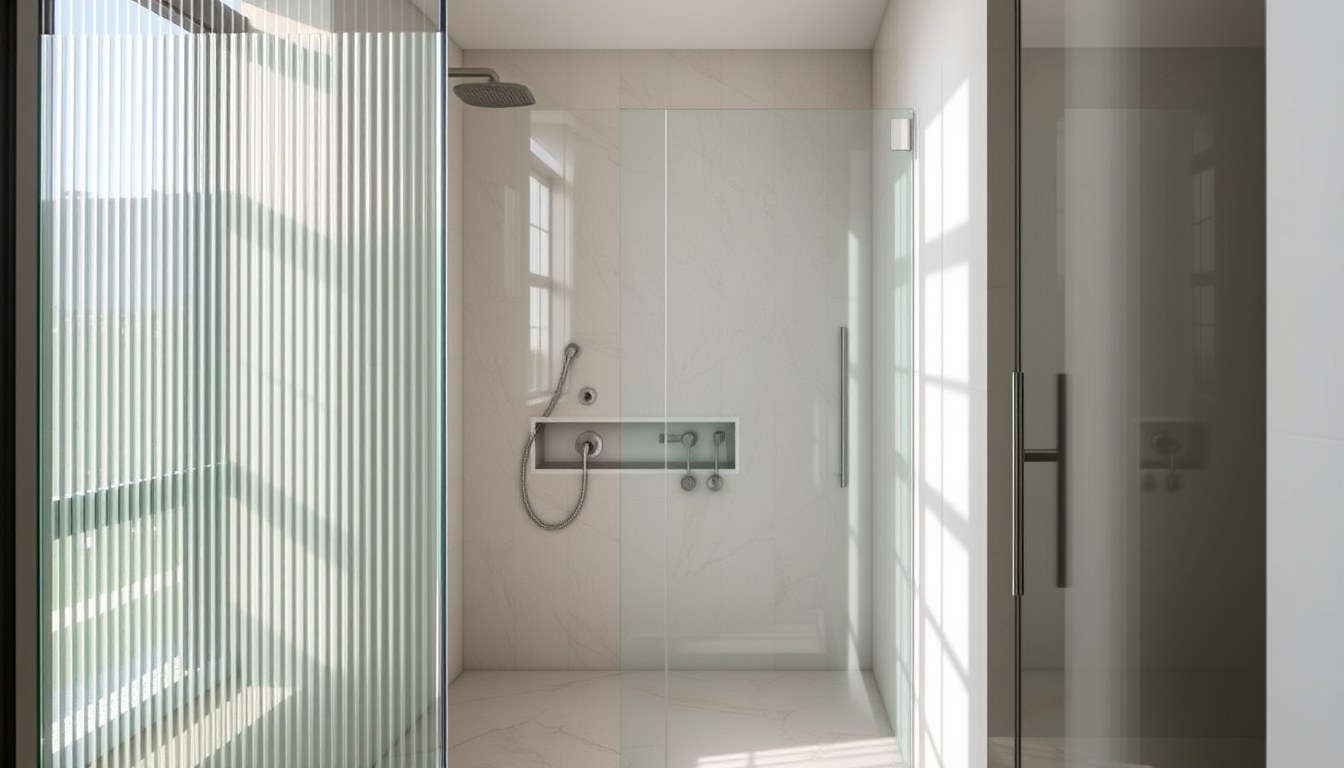
Reeded and fluted glass has become a popular choice for modern bathroom shower enclosures across India, offering an elegant solution that combines privacy with contemporary design. Unlike clear glass, these textured options obscure visibility while allowing light to pass through, creating a sophisticated look that enhances any bathroom. This comprehensive guide covers everything you need to know about selecting, installing, and maintaining reeded and fluted glass for your shower enclosure.
Understanding Reeded and Fluted Glass: What's the Difference?
Reeded and fluted glass are textured glass options that feature parallel ridges or grooves running across the surface. While the terms are sometimes used interchangeably, there are subtle differences. Reeded glass typically has finer, more closely spaced ridges that create a subtle linear pattern, while fluted glass features deeper, more pronounced grooves that are further apart. Both achieve the primary goal of obscuring visibility while maintaining a modern aesthetic.
These textured patterns are created during the manufacturing process by pressing molten glass against textured molds or by using specialized rolling techniques. The result is a durable, permanent texture that won't wear away over time. In India, manufacturers in cities like Bangalore, Hyderabad, and Mumbai produce high-quality reeded and fluted glass that meets Indian Standards (IS 2553 for toughened glass) and international safety requirements.
Types of Textured Patterns
- Fine Reeding: Subtle, closely-spaced lines ideal for minimalist bathrooms and spaces where you want soft privacy
- Bold Fluting: Deeper grooves that provide maximum obscuring while creating dramatic visual interest
- Directional Patterns: Horizontal or vertical orientation that can influence how light filters through the enclosure
- Combination Textures: Mixed reeded and fluted patterns for unique aesthetic appeal
Privacy Benefits of Textured Glass Shower Enclosures
The primary advantage of reeded and fluted glass is the privacy it provides without sacrificing natural light. Unlike frosted or acid-etched glass, which creates a uniform matte appearance, textured glass distorts visibility in a more dynamic way. The ridges and grooves refract light at different angles, making it nearly impossible to see clear outlines of people inside the shower while still allowing diffused natural light to brighten your bathroom.
This privacy feature is particularly valuable in Indian homes where bathrooms may be smaller or closer to living spaces. The textured pattern effectively shields you from view while maintaining the open, airy feeling that clear glass provides. The level of privacy depends on the depth and spacing of the texture—deeper fluting offers more obscuring than fine reeding.
Light Transmission and Bathroom Aesthetics
Reeded and fluted glass transmits approximately 80-85% of light while providing excellent privacy, making it superior to frosted alternatives for naturally lit bathrooms. This characteristic makes it an excellent choice for bathrooms in Indian homes that rely on natural ventilation and daylight. The textured surface also creates interesting shadow patterns on bathroom walls throughout the day, adding visual depth to your space.
Durability and Safety Considerations
When specified as toughened (tempered) glass, reeded and fluted options are highly durable and safe for bathroom use. Toughened glass is treated with heat and cooling processes that increase its strength by 4-5 times compared to ordinary glass. If it breaks, it shatters into small, relatively harmless granules rather than sharp shards, meeting safety standards required for shower enclosures in India.
The textured surface itself doesn't compromise durability. The ridges and grooves are integral to the glass structure and won't chip, fade, or deteriorate over time. However, the texture can trap mineral deposits and soap residue more easily than smooth glass, which affects appearance rather than structural integrity. Proper maintenance is essential to keep your enclosure looking pristine.
Safety Standards and Certifications
- IS 2553: Indian Standard for toughened safety glass specifications
- IS 12600: Code of practice for use of toughened glass in buildings
- Tempered Glass Certification: Ensures the glass will break safely if damaged
- Thickness Recommendations: 8-10mm for shower enclosures provides optimal strength and safety
Cleaning and Maintenance Challenges
The main drawback of reeded and fluted glass is that the textured surface traps water droplets, soap scum, and mineral deposits more readily than smooth glass. Hard water, common in many Indian cities, can leave white mineral stains on the ridges. Regular cleaning is necessary to maintain the aesthetic appeal of your shower enclosure.
For routine cleaning, use a squeegee immediately after each shower to remove excess water. This simple step prevents water spots and mineral buildup. For deeper cleaning, spray the glass with a 50/50 vinegar and water solution, let it sit for 15-20 minutes, then scrub gently with a soft-bristled brush. Avoid abrasive cleaners or steel wool, which can scratch the glass surface.
Maintenance Best Practices
- Squeegee glass after each shower to prevent water spots
- Use a soft microfiber cloth for daily wiping
- Apply vinegar solution weekly for mineral deposit removal
- Use commercial glass cleaners formulated for textured surfaces monthly
- Ensure adequate bathroom ventilation to reduce moisture accumulation
- Install a water softener if your area has hard water (common in Delhi, Bangalore, and Hyderabad)
Installation Best Practices for Reeded and Fluted Glass
Professional installation is strongly recommended for shower enclosures, as improper fitting can lead to water leakage and structural issues. The installation process begins with accurate measurement of your shower opening, accounting for slope and irregularities in bathroom walls. In India, certified glass installers can be found through established dealers in major cities.
The glass panels must be mounted with appropriate hardware—stainless steel or chrome-plated fittings that resist corrosion in humid bathroom environments. Silicone sealant (not caulk) should be used at joints and edges to prevent water penetration. Proper ventilation must be maintained around the enclosure to allow moisture to escape and prevent mold growth.
Key Installation Steps
- Structural Assessment: Ensure bathroom walls are properly waterproofed and structurally sound
- Precise Measurements: Account for floor slope and wall irregularities; tolerances of ±5mm are standard
- Hardware Selection: Choose corrosion-resistant stainless steel (SS 304 or SS 316) fittings
- Sealant Application: Use 100% silicone sealant; apply in continuous beads for waterproofing
- Curing Time: Allow 48-72 hours for sealant to cure before using the enclosure
- Ventilation Planning: Install exhaust fans or ensure adequate window ventilation
Common Installation Mistakes to Avoid
Many installation failures result from inadequate waterproofing behind the glass panels or using improper sealants. Acrylic caulk should never be used in shower enclosures as it deteriorates quickly in wet environments. Additionally, failing to account for thermal expansion—glass expands and contracts with temperature changes—can cause stress on hardware and seals. Professional installers account for these factors and ensure proper spacing and flexibility in the installation.
Cost and Availability in India
Reeded and fluted glass shower enclosures are available across major Indian cities at varying price points. Basic toughened reeded glass panels typically cost between ₹2,500 to ₹4,500 per square meter, while custom-cut enclosures with hardware and installation can range from ₹40,000 to ₹1,50,000 depending on size and specifications. Prices vary based on glass thickness, texture intensity, and local labor costs.
Leading glass manufacturers in India, including those in Bangalore, Mumbai, Delhi, and Hyderabad, offer reeded and fluted options. When sourcing materials, ensure the supplier provides proper certifications and guarantees. Many reputable dealers also offer installation services, which is recommended for optimal results and warranty coverage.
Frequently Asked Questions
Is reeded glass more expensive than clear glass for shower enclosures?
Reeded and fluted glass typically costs 15-30% more than clear glass due to the additional manufacturing process required to create the texture. However, the added privacy benefit and aesthetic appeal often justify the premium cost. In India, you can expect to pay ₹2,500-₹4,500 per square meter for textured glass compared to ₹2,000-₹3,500 for clear glass.
Can reeded glass be easily repaired if it cracks?
Unfortunately, damaged toughened glass cannot be repaired—the entire panel must be replaced. This is because the tempering process creates internal stress that cannot be safely altered once the glass is damaged. The good news is that quality toughened glass rarely cracks under normal use. Always ensure your glass is certified as toughened and meets IS 2553 standards for maximum durability.
How often should I clean reeded glass shower enclosures?
For best results, squeegee your enclosure immediately after each shower and wipe with a soft cloth. A deeper weekly cleaning with vinegar solution is recommended, especially in areas with hard water. The frequency may increase in regions with very hard water or high mineral content, such as parts of Rajasthan, Delhi, and Bangalore.
What's the difference between reeded and frosted glass for shower privacy?
Reeded glass distorts visibility through refraction while transmitting 80-85% of light, creating dynamic shadow patterns. Frosted glass, created through acid-etching or sandblasting, provides uniform privacy but transmits only 50-60% of light, making bathrooms appear dimmer. Reeded glass is generally preferred for naturally lit bathrooms and creates a more contemporary aesthetic.
Is professional installation necessary for reeded glass shower enclosures?
Professional installation is highly recommended for shower enclosures. Improper installation can result in water leakage, mold growth, and structural damage to your bathroom. Professional installers ensure proper waterproofing, correct sealant application, and appropriate hardware installation. Most quality installations come with warranties that protect your investment.
Conclusion
Reeded and fluted glass offers an excellent balance of privacy, durability, and modern aesthetics for bathroom shower enclosures. While the textured surface requires more frequent cleaning than smooth glass, the superior light transmission and privacy benefits make it a worthwhile investment for Indian homeowners. By understanding the installation requirements, maintenance needs, and available options, you can select the perfect textured glass solution for your bathroom.
Ready to upgrade your bathroom with a reeded or fluted glass shower enclosure? Visit the glassy.in directory to connect with certified glass suppliers, manufacturers, and professional installers across India. Browse verified listings, compare quotes, and find the perfect solution for your bathroom renovation project.