
Glass Partitions
Frameless vs Framed Glass Partitions: Complete Comparison for Indian Offices
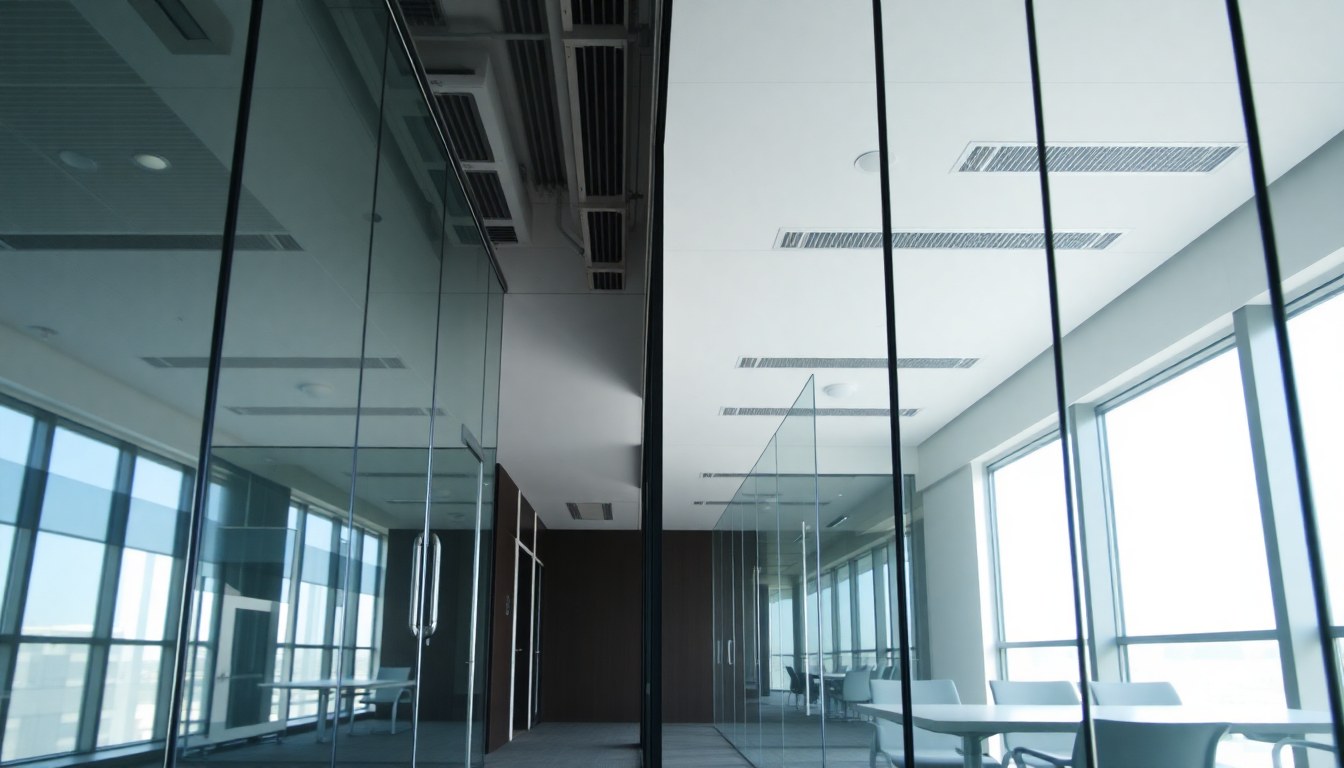
Glass partitions have become the go-to solution for modern Indian offices seeking to balance openness with functionality. Whether you're setting up a startup in Bengaluru or renovating a corporate space in Mumbai, the choice between frameless and framed glass partition systems will significantly impact your workspace aesthetics, budget, and employee experience. This comprehensive guide breaks down every aspect of both systems to help you make an informed decision that aligns with your office requirements and budget constraints.
Understanding Frameless and Framed Glass Partition Systems
Frameless glass partitions consist of thick tempered glass panels, typically 10mm to 12mm, held together by minimal hardware such as U-channels at the floor and ceiling, or point-fixed systems using specialized clamps and brackets. The glass edges remain exposed, creating a seamless, uninterrupted visual flow throughout the office space. These systems rely on the structural integrity of thick glass and precision engineering to maintain stability without traditional framing.
Framed glass partitions, on the other hand, feature glass panels enclosed within aluminum, steel, or UPVC frames. The glass used is typically thinner, ranging from 5mm to 10mm, as the frame provides structural support. These frames can be powder-coated in various colors to match office interiors and may include rubber gaskets or silicone seals to secure the glass panels firmly within the framework.
The fundamental difference lies in the support mechanism: frameless systems depend on glass thickness and minimal hardware, while framed systems distribute structural loads through the perimeter framework. This distinction influences everything from visual appeal to installation complexity and long-term maintenance requirements.
Aesthetic Appeal and Visual Impact
Frameless glass partitions deliver an undeniably modern, minimalist aesthetic that has become synonymous with contemporary office design. The absence of visible frames creates an illusion of expanded space, making them particularly valuable in smaller Indian office spaces where every square foot counts. The clean lines and transparency allow natural light to flow freely, reducing the need for artificial lighting and creating a more pleasant work environment.
Framed partitions offer their own aesthetic advantages, particularly for offices seeking a more defined, structured look. The frames can be customized in colors that complement brand identity or interior themes. Many Indian businesses prefer framed systems in traditional industries like banking or legal services, where the visible structure conveys stability and professionalism. The frames also provide opportunities for integrating company branding or accent colors that might be difficult to achieve with frameless systems.
For offices in heritage buildings or those mixing traditional and modern elements—common in cities like Delhi, Kolkata, or Jaipur—framed partitions can bridge architectural styles more gracefully. However, for tech companies, creative agencies, and startups, frameless systems typically align better with the open, innovative culture they wish to project.
Cost Analysis: Investment and Value Comparison
The cost difference between frameless and framed glass partitions in India can be substantial. Frameless systems typically range from ₹850 to ₹1,500 per square foot, depending on glass thickness, hardware quality, and installation complexity. The thicker tempered glass required for frameless installations, specialized hardware, and skilled labor all contribute to higher upfront costs.
Framed glass partitions are generally more budget-friendly, ranging from ₹450 to ₹900 per square foot. The thinner glass panels and standardized aluminum framing systems make these partitions more economical for large-scale office installations. For businesses working within tight budgets or requiring extensive partitioning across multiple floors, framed systems offer significant cost savings without completely sacrificing the benefits of glass partitions.
Long-Term Value Considerations
While frameless systems demand higher initial investment, they often provide better long-term value through enhanced durability and lower maintenance costs. The absence of frames eliminates concerns about frame corrosion, paint chipping, or seal degradation that can affect framed systems over time. Frameless partitions also tend to maintain their aesthetic appeal longer, potentially reducing the need for cosmetic updates during office renovations.
Framed systems, however, offer easier component replacement. If a glass panel cracks, replacing it within an existing frame structure is typically more straightforward and less expensive than replacing a frameless panel. For offices in high-traffic areas or environments where accidental damage is more likely, this replaceability can offset the higher maintenance attention frames may require.
Installation Complexity and Time Requirements
Installing frameless glass partitions requires specialized expertise and precision. The process involves careful measurements, floor and ceiling preparation, and alignment of heavy glass panels. Installation teams must ensure perfect vertical alignment and secure anchoring to structural elements. In Indian office buildings with uneven floors or ceilings—not uncommon in older commercial spaces—additional preparation work may be necessary, extending installation timelines to approximately 3-5 days for a standard office setup.
Framed partition installation is comparatively straightforward. The frame structure is assembled first, providing a forgiving framework that can accommodate minor irregularities in floor or ceiling levels. Glass panels are then fitted into the frames, a process that requires less specialized skill. A typical framed partition installation can be completed in 2-3 days, minimizing disruption to ongoing office operations.
For businesses operating in rented spaces with potential relocation plans, framed systems offer greater portability. They can be disassembled and reinstalled in new locations with relative ease, whereas frameless systems, particularly those with point-fixed or structural glazing, are often designed as permanent installations.
Soundproofing and Acoustic Performance
Acoustic performance is a critical consideration for Indian offices, where open layouts can create noise challenges. Frameless glass partitions, when properly installed with acoustic seals and thicker glass, can achieve sound reduction ratings of 35-40 decibels. The thicker glass inherently provides better sound insulation, and when combined with acoustic-grade silicone seals at panel joints, frameless systems can create reasonably quiet enclosed spaces suitable for conference rooms or executive cabins.
Framed partitions can match or exceed the acoustic performance of frameless systems when designed specifically for sound control. The frames allow for easier integration of acoustic gaskets, weather stripping, and dual-glazed panels. For maximum soundproofing, framed systems can accommodate laminated or double-glazed glass without the structural concerns that might arise with frameless installations. This makes them particularly suitable for call centers, media production offices, or any environment where noise control is paramount.
Neither system provides complete sound isolation without additional acoustic treatments. For critical applications like recording studios or confidential meeting rooms, both systems should be specified with acoustic-grade glass and professional acoustic sealing. The gap between floor and glass—often left for aesthetic reasons in frameless systems—must be properly sealed to prevent sound leakage.
Maintenance Requirements and Durability
Frameless glass partitions demand less frequent maintenance but require careful attention when cleaning. The absence of frames means there are no crevices where dust and grime accumulate, making surface cleaning straightforward. However, the exposed edges and hardware require periodic inspection to ensure clamps, brackets, and floor channels remain secure. In coastal Indian cities like Mumbai, Chennai, or Kochi, where humidity and salt air can affect metal components, stainless steel hardware should be specified to prevent corrosion.
Framed partitions require more regular maintenance attention. The junction between glass and frame can collect dust and requires cleaning with appropriate tools to maintain appearance. Aluminum frames may develop oxidation over time, particularly in industrial areas with higher air pollution. Powder-coated frames maintain their appearance better but can chip at impact points, requiring touch-up paint. Rubber gaskets and seals may degrade over 5-7 years and need replacement to maintain structural integrity and acoustic performance.
Cleaning and Upkeep Practices
Both systems benefit from regular professional cleaning. Indian offices should establish cleaning schedules that account for local conditions—offices in Delhi or Ahmedabad may require more frequent cleaning due to dust, while those in high-humidity regions need attention to prevent water spots and mold growth in seals. Frameless systems can be cleaned efficiently with standard glass cleaning solutions and squeegees, while framed systems may require additional attention to frame surfaces and gasket areas.
Best Use Cases for Each Partition Type
Frameless glass partitions excel in specific office applications where their unique characteristics provide maximum value. Executive cabins, boardrooms, and reception areas benefit from the premium aesthetic frameless systems deliver. Creative agencies, architecture firms, and tech companies often choose frameless partitions to reinforce their modern, innovative brand image. Showrooms and customer-facing spaces where visual impact matters significantly also favor frameless installations.
Framed glass partitions are ideal for large-scale office deployments where budget constraints are significant. Call centers, BPO facilities, and corporate offices requiring extensive cubicle or cabin partitioning find framed systems more economical without sacrificing the light and openness benefits of glass. Educational institutions, hospitals, and government offices often prefer framed systems for their durability, ease of maintenance, and ability to withstand higher traffic and usage intensity.
Hybrid approaches are increasingly popular in Indian offices. Many businesses use frameless partitions in high-visibility areas like reception and executive zones while deploying framed systems in back-office areas, achieving a balance between aesthetic impact and budget efficiency. This strategic combination allows businesses to maximize the visual and functional benefits of both systems while controlling overall project costs.
Frequently Asked Questions
Which is more cost-effective for a 2000 square foot office in India?
For a 2000 square foot office, framed glass partitions typically cost ₹9-18 lakhs, while frameless systems range from ₹17-30 lakhs. Framed partitions offer better initial cost-effectiveness, but frameless systems may provide superior long-term value through lower maintenance costs and longer aesthetic lifespan. Your choice should factor in budget constraints, brand positioning, and expected office tenure in the space.
Can frameless glass partitions provide adequate privacy for meeting rooms?
Yes, frameless glass partitions can provide privacy through frosted, tinted, or smart glass options. While the glass remains transparent or translucent, visual privacy is maintained. For acoustic privacy, specify thicker glass (12mm) with proper acoustic sealing. However, for complete confidentiality requirements, consider adding curtains, blinds, or switchable privacy glass, though these additions increase costs.
How do frameless and framed partitions perform in earthquake-prone regions?
Both systems can be engineered for seismic zones when properly designed. Frameless systems using flexible mounting hardware can accommodate building movement during seismic events. Framed systems with proper anchoring and flexible joints also perform well. In earthquake-prone Indian cities, consult with structural engineers and specify systems compliant with IS codes for seismic design. Tempered or laminated safety glass should be mandatory in both cases.
Which partition type is better for Indian climate conditions?
Both systems perform adequately across Indian climates when properly specified. In coastal regions, choose stainless steel hardware for frameless systems and marine-grade powder coating for framed systems to resist corrosion. In extreme heat regions like Rajasthan, consider tinted or reflective glass to reduce heat gain. High-humidity areas benefit from proper sealing in both systems to prevent moisture infiltration and mold growth in gaskets.
Can I switch from framed to frameless partitions during office renovation?
Yes, but it requires complete removal and reinstallation rather than conversion. Framed systems cannot be converted to frameless by simply removing frames, as the glass thickness and support mechanisms differ fundamentally. Budget for a full replacement project including disposal of existing partitions, floor and ceiling preparation, and new installation. Some framed partition materials may be recyclable, potentially offsetting a small portion of replacement costs.
Choosing between frameless and framed glass partitions depends on your specific office requirements, budget, and long-term vision. Whether you prioritize cutting-edge aesthetics or cost-effective functionality, the right glass partition system can transform your workspace. Explore verified glass partition suppliers and installers across India on glassy.in to find experienced professionals who can bring your office design vision to life with quality materials and expert installation.