
Glass Partitions
Frameless vs Framed Glass Partitions: Complete Cost and Design Comparison
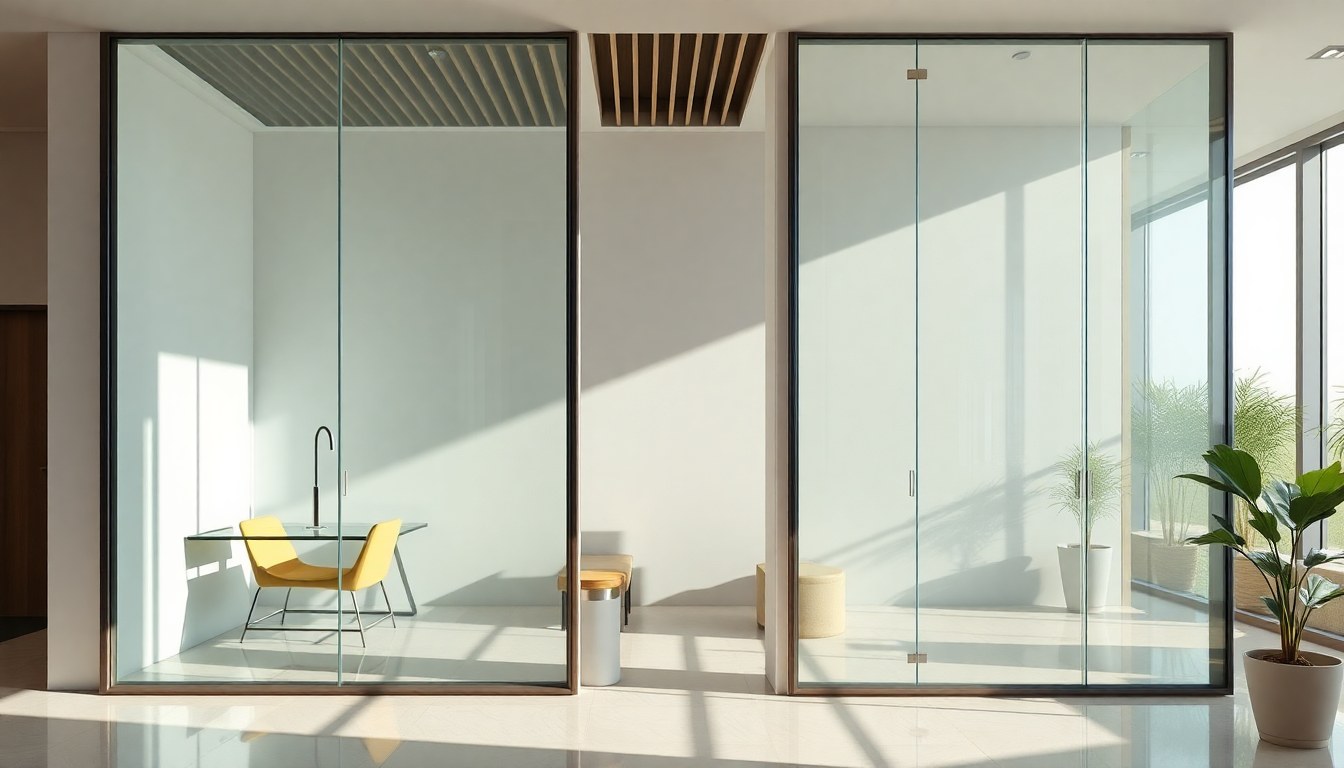
Glass partitions have become the go-to solution for modern Indian offices, retail spaces, and commercial establishments looking to balance openness with defined work zones. The choice between frameless and framed glass partitions significantly impacts your project's aesthetics, budget, and long-term maintenance requirements. This comprehensive comparison will help you understand the cost differences—ranging from ₹300-550 per square foot for framed systems to ₹450-900 per square foot for frameless options—alongside design considerations, structural needs, and practical implications for your space.
Understanding Frameless Glass Partitions
Frameless glass partitions use thick tempered or laminated glass panels (typically 10mm to 12mm) held in place by minimal hardware such as U-channels at the floor, ceiling-mounted clamps, or point-fixed spider fittings. The absence of visible metal frames creates an uninterrupted glass surface that maximizes transparency and light flow throughout the space.
These systems rely on the inherent strength of thicker glass rather than supporting frames. The hardware is either concealed or reduced to minimal stainless steel or aluminum fixings that blend into the background. This design philosophy prioritizes visual continuity and a premium aesthetic that appeals to corporate offices, luxury retail environments, and high-end commercial spaces across Mumbai, Bangalore, Gurgaon, and other metro cities.
The installation process for frameless partitions requires precise measurements and skilled fabricators who can handle large glass panels safely. The glass edges are typically polished to a high standard since they remain exposed, adding to both the visual appeal and the overall project cost.
Understanding Framed Glass Partitions
Framed glass partitions incorporate aluminum or steel frames that surround and support the glass panels. These frames can be powder-coated in various colors—commonly black, white, silver, or custom shades—to match interior design schemes. The glass thickness can be reduced to 6mm or 8mm since the frame provides structural support.
The frame system offers several practical advantages. It simplifies installation, provides additional structural integrity, and creates opportunities for design customization through frame color and profile choices. Many Indian commercial projects opt for framed partitions because they accommodate minor site irregularities more forgivingly than frameless systems.
Framed partitions come in multiple configurations including full-height divisions, half-glass partitions with solid lower panels, and modular systems that can be reconfigured as business needs evolve. This flexibility makes them particularly suitable for growing companies, co-working spaces, and commercial establishments that may need to reorganize their floor plans periodically.
Cost Comparison: Breaking Down the Numbers
The cost difference between frameless and framed glass partitions extends beyond the initial square foot rate. Understanding the complete financial picture helps you budget accurately for your project.
Frameless Glass Partition Costs
Frameless systems typically range from ₹450 to ₹900 per square foot in Indian markets, with variation based on several factors:
- Glass thickness and type: 10mm tempered glass costs less than 12mm laminated safety glass
- Hardware quality: Imported European fittings command premium prices over domestic alternatives
- Installation complexity: Floor-to-ceiling installations or curved glass designs increase labor costs
- Location: Metro cities have higher installation charges than tier-2 or tier-3 cities
- Project scale: Larger projects often negotiate better per-square-foot rates
Framed Glass Partition Costs
Framed glass partitions range from ₹300 to ₹550 per square foot, making them more budget-friendly for cost-conscious projects. The pricing factors include:
- Frame material and finish: Basic aluminum frames cost less than premium powder-coated or anodized finishes
- Glass specifications: Standard 6mm clear glass versus tinted, frosted, or acoustic glass options
- System type: Fixed partitions cost less than demountable or operable systems
- Customization level: Standard profiles are more economical than custom-designed frames
Hidden Costs to Consider
Beyond the basic installation, factor in these additional expenses that apply differently to each system:
- Site preparation: Frameless systems require perfectly level floors and plumb walls; correction work adds costs
- Door hardware: Frameless glass doors with patch fittings cost ₹15,000-35,000 per door versus ₹8,000-18,000 for framed doors
- Safety film or treatments: Some building codes require additional safety measures for large glass expanses
- Future modifications: Frameless systems are harder and more expensive to reconfigure than modular framed systems
Design Aesthetics and Visual Impact
The visual difference between frameless and framed partitions significantly affects the overall ambiance of your commercial space. Frameless glass creates an almost invisible barrier that preserves sightlines and makes spaces feel larger and more connected. This aesthetic works exceptionally well in contemporary office designs, boutique hotels, and premium retail environments where the goal is to maintain visual flow while defining separate zones.
The minimalist appearance of frameless partitions allows architectural features, interior design elements, and natural light to take center stage. There are no frames to interrupt the clean lines or compete visually with furniture and décor. This makes frameless systems the preferred choice for design-forward companies and spaces where aesthetics justify the premium investment.
Framed partitions, conversely, make a more defined architectural statement. The visible frames can complement industrial design themes, add structure to minimalist interiors, or introduce color accents through powder-coated finishes. Black-framed glass partitions, for instance, have become tremendously popular in Indian offices seeking a sophisticated, modern look that references industrial loft aesthetics while maintaining professionalism.
Framed systems also handle functional design requirements more easily. Incorporating whiteboards, pinboards, or solid privacy panels within the same partition system is straightforward with frames, whereas achieving similar functionality with frameless glass requires creative solutions and often increases costs.
Structural Requirements and Installation Considerations
The structural demands of frameless versus framed glass partitions differ considerably, affecting both feasibility and final costs. Frameless systems place greater demands on the building structure because the glass itself must bear loads without frame support. This requires robust floor and ceiling anchoring points capable of handling the weight of thick glass panels—often 25-30 kg per square meter for 12mm glass.
Older buildings or those with false ceilings may need reinforcement before frameless partitions can be installed safely. The floor must be perfectly level since even minor variations become visible when glass panels are installed without frames to disguise irregularities. These preparation requirements can add ₹50-150 per square foot to the total project cost in challenging installations.
Framed partitions are more forgiving of building imperfections. The frames can accommodate minor variations in floor level or wall plumbness through adjustable fixings and trim pieces. Installation is generally faster because smaller glass panels are easier to handle, and the frame provides a margin of error that reduces the risk of costly mistakes during installation.
For renovation projects in existing buildings—common in cities like Delhi, Pune, and Hyderabad where older commercial properties are being modernized—framed systems often prove more practical and economical. New construction projects with precise specifications can more easily accommodate the exacting requirements of frameless installations.
Maintenance, Durability, and Long-Term Costs
Long-term maintenance requirements influence the total cost of ownership beyond initial installation expenses. Frameless glass partitions show fingerprints, smudges, and water spots more readily because the entire surface is exposed glass without frames to hide minor marks. Regular cleaning with appropriate glass cleaners is essential to maintain the premium appearance that justifies the higher initial investment.
The minimal hardware in frameless systems generally requires less maintenance than framed systems with more components. However, when repairs are needed—such as replacing damaged glass panels—frameless systems typically incur higher costs because the glass is thicker and the installation more complex. A single replacement panel might cost ₹8,000-15,000 for frameless versus ₹4,000-8,000 for framed systems of equivalent size.
Framed partitions accumulate dust and dirt along frame edges and corners, requiring more detailed cleaning to maintain appearance. The frames themselves may show wear over time, particularly in high-traffic areas where they're touched frequently. Powder-coated finishes can chip or scratch, though this is generally a cosmetic rather than structural concern.
Acoustic performance varies between systems as well. Frameless installations with proper sealing can achieve excellent sound insulation, but gaps around hardware reduce effectiveness. Framed systems with acoustic seals and double-glazed options often provide superior sound control, an important consideration for conference rooms, private offices, and spaces requiring confidentiality in open-plan environments.
Making the Right Choice for Your Project
Choosing between frameless and framed glass partitions ultimately depends on your specific priorities, budget constraints, and project requirements. Frameless systems justify their premium cost when visual aesthetics are paramount, the building structure can accommodate their requirements, and the budget allows for the investment. They excel in executive offices, client-facing areas, luxury retail, and contemporary corporate environments where design quality communicates brand values.
Framed partitions deliver excellent value when budget considerations are significant, installation timelines are tight, or the space may need reconfiguration in the future. They're ideal for growing companies, co-working spaces, educational institutions, and commercial projects where functionality and cost-effectiveness outweigh purely aesthetic considerations.
Consider frameless partitions if you prioritize maximum natural light distribution, have a contemporary design vision, work with new construction or well-prepared spaces, and can allocate ₹450-900 per square foot. Choose framed systems if you need design flexibility, work within tighter budgets of ₹300-550 per square foot, require easier future modifications, or are renovating existing buildings with structural limitations.
Frequently Asked Questions
What is the typical lifespan of frameless versus framed glass partitions?
Both frameless and framed glass partition systems can last 15-25 years or more with proper maintenance. The glass itself is highly durable in both systems. Frameless partitions may require hardware replacement after 10-15 years, while framed systems might need frame refinishing or seal replacement on a similar timeline. The longevity depends more on installation quality and maintenance practices than the system type itself.
Can frameless glass partitions provide adequate sound insulation for private offices?
Yes, frameless glass partitions can provide good acoustic performance when installed with proper sealing and using laminated acoustic glass. Systems achieving 35-40 dB sound reduction are feasible with 10-12mm laminated glass and quality seals. However, framed systems with double-glazed configurations often achieve superior acoustic performance (40-45 dB reduction) and may be preferable for conference rooms or executive offices requiring maximum privacy.
Which system is easier to reconfigure if office layouts need to change?
Framed glass partitions, particularly demountable systems, are significantly easier and more cost-effective to reconfigure than frameless installations. Modular framed systems can be disassembled, relocated, and reinstalled with minimal waste and reasonable labor costs. Frameless systems are essentially permanent installations; reconfiguration typically requires new glass fabrication and complete reinstallation, making them suitable only for stable, long-term layouts.
Are there safety differences between frameless and framed glass partitions?
Both systems are equally safe when properly installed using tempered or laminated safety glass as required by Indian standards. Frameless systems use thicker glass (10-12mm) which provides inherent strength, while framed systems rely on the frame structure for support with thinner glass (6-8mm). Laminated glass in either system offers superior safety by holding fragments together if breakage occurs, making it the preferred choice for high-traffic areas.
Do frameless glass partitions require more maintenance than framed ones?
Frameless partitions require more frequent cleaning to maintain their pristine appearance since the entire glass surface is exposed and shows marks easily. However, they have fewer components that can deteriorate compared to framed systems with multiple seals, gaskets, and frame joints. Overall maintenance effort is comparable, though the nature of maintenance differs—frameless systems need more cleaning attention, while framed systems require periodic inspection and maintenance of frame components and seals.
Whether you choose frameless elegance or framed practicality, selecting the right glass partition supplier is crucial for project success. Visit glassy.in, India's largest glass business directory, to connect with experienced glass partition manufacturers, suppliers, and installers in your city who can provide detailed quotations, site assessments, and expert guidance tailored to your specific project requirements.