
Glass Partitions
Frameless Glass Partition vs Framed Glass Partition: Complete Comparison
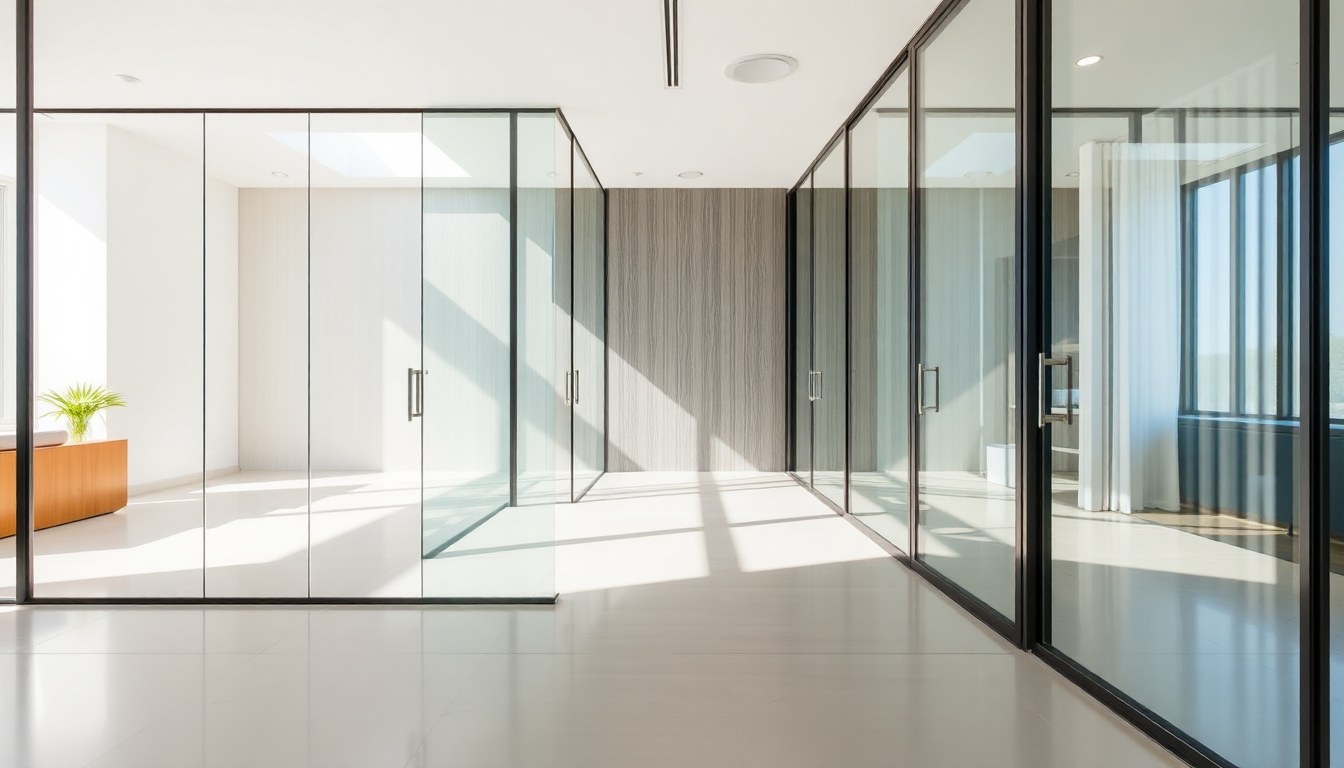
Glass partitions have become the go-to solution for modern Indian homes and offices seeking to divide spaces without sacrificing natural light or creating a closed-in feel. The primary decision you'll face is whether to install frameless or framed glass partitions—two fundamentally different approaches that affect everything from aesthetics to your budget. This comprehensive guide breaks down every aspect of both options to help you choose the partition system that best suits your space, requirements, and budget.
Understanding the Basic Difference
Framed glass partitions use aluminum, steel, or uPVC frames that surround and support the glass panels, creating visible borders around each section. The frames provide structural support and hold the glass firmly in place, making installation relatively straightforward. These systems have been the traditional choice for decades in Indian commercial and residential projects.
Frameless glass partitions, on the other hand, use thicker tempered glass panels installed with minimal hardware—typically just clips, channels, or point-fixed supports. The glass itself provides the structural integrity, creating an uninterrupted transparent surface. This modern approach has gained tremendous popularity in premium offices and contemporary homes across Mumbai, Bangalore, Delhi, and other metro cities.
The choice between these two systems impacts not just appearance but also cost, maintenance requirements, acoustic performance, and installation complexity. Neither option is universally better—the right choice depends on your specific needs and priorities.
Aesthetics and Visual Appeal
Frameless glass partitions deliver a sleek, minimalist appearance that has become synonymous with contemporary design. Without visible frames interrupting the glass surface, these partitions create an almost invisible barrier that maximizes the sense of openness and space. The seamless look allows architectural features, interior design elements, and natural light to flow without obstruction, making rooms appear larger and more connected.
This aesthetic advantage makes frameless partitions particularly popular in high-end corporate offices, boutique hotels, luxury residences, and modern retail spaces. The clean lines complement contemporary furniture, minimalist decor, and modern architecture beautifully. For businesses, the transparent, open look projects an image of transparency, innovation, and forward-thinking values.
Framed glass partitions offer a more defined, structured appearance. The visible frames create clear boundaries between spaces and can actually be a design feature rather than a limitation. Frames are available in various finishes—powder-coated colors, anodized aluminum, brushed steel, or even wood-laminated options—allowing you to match or contrast with your existing interior design scheme.
For traditional office environments, educational institutions, hospitals, and spaces where a more conventional look is preferred, framed partitions often feel more appropriate. The frames can provide visual continuity with other architectural elements like door frames, window frames, and furniture, creating a cohesive design language throughout the space.
Structural Strength and Safety
Both frameless and framed glass partitions use tempered or toughened glass that meets Indian safety standards, but their structural approaches differ significantly. Frameless partitions typically require 10mm to 12mm thick tempered glass to provide adequate strength without frame support. Some installations even use 15mm glass for floor-to-ceiling applications or high-traffic areas. This thicker glass is inherently strong and, when properly installed, can withstand normal impact and daily use.
The lack of frames means the glass itself must bear all structural loads, which is why proper installation by experienced professionals is absolutely critical. Point-fixed systems or channel-mounted frameless partitions distribute stress across the glass surface, but any installation errors can compromise the entire system's integrity.
Framed partitions can use thinner glass—typically 6mm to 10mm—because the frame provides additional structural support and distributes loads more evenly. The frame absorbs much of the stress from door operation, accidental impacts, or building movement, reducing the burden on the glass itself. This makes framed systems somewhat more forgiving during installation and potentially more durable in high-traffic environments.
For earthquake-prone areas or buildings with structural movement, framed systems often perform better because the frames can accommodate slight shifts without directly stressing the glass. However, both systems can be engineered to meet seismic requirements when properly designed and installed.
Cost Comparison and Budget Considerations
Framed glass partitions are generally the more economical option, with costs in India typically ranging from ₹450 to ₹900 per square foot for standard aluminum-framed systems with 8mm tempered glass. Premium frames with special finishes or imported hardware may push costs to ₹1,200 per square foot, but even these remain more affordable than most frameless options.
The lower cost stems from several factors: thinner glass requirements, simpler installation processes, readily available materials, and more competition among suppliers. For large commercial projects or budget-conscious residential applications, framed partitions offer excellent value without compromising on essential functionality.
Frameless glass partitions command premium pricing, typically starting around ₹1,000 per square foot and reaching ₹2,000 to ₹2,500 per square foot for high-end installations with premium hardware and thick glass. The higher cost reflects the thicker glass required, specialized hardware, and the skilled labor needed for precise installation. Point-fixed frameless systems with decorative hardware can be even more expensive.
However, this cost difference should be evaluated against the aesthetic value and perceived quality that frameless systems bring. For luxury residences, corporate headquarters, or client-facing spaces where image matters, the premium may be justified. Many businesses find that the modern, upscale appearance of frameless partitions enhances their brand image enough to warrant the additional investment.
Installation Complexity and Time Requirements
Installing framed glass partitions is a relatively straightforward process that most experienced glass contractors can handle efficiently. The frames provide a forgiving installation system—slight irregularities in floor or wall surfaces can be accommodated through frame adjustments. A typical office cabin with framed partitions can often be completed in one to two days, including door installation.
The modular nature of framed systems also means repairs or modifications are simpler. Individual glass panels can be replaced without affecting surrounding sections, and doors can be adjusted or rehung with relative ease. This flexibility is valuable in commercial environments where layouts may need to change over time.
Frameless glass partition installation demands greater precision and expertise. Floor and ceiling mounting points must be perfectly aligned, as there's no frame to hide minor irregularities. The heavier glass panels require careful handling, and the specialized hardware must be installed with exact measurements. Any errors in measurement or alignment become immediately visible and may compromise the system's structural integrity.
Installation typically takes longer—often three to five days for a comparable space—and requires more experienced installers. The specialized skills needed mean fewer contractors can properly install frameless systems, which can also affect availability and scheduling in some Indian cities. However, once properly installed, frameless systems require minimal adjustment or maintenance.
Soundproofing and Acoustic Performance
Acoustic performance is often a critical consideration for office partitions, meeting rooms, and residential applications. Framed glass partitions generally provide superior soundproofing capabilities because the frame creates a sealed system that prevents sound transmission around the glass edges. Acoustic seals, gaskets, and weatherstripping can be easily incorporated into the frame design to further enhance sound insulation.
For applications requiring serious acoustic control—such as conference rooms, manager cabins, or recording studios—framed partitions with double-glazed glass and acoustic seals can achieve sound reduction of 35-40 decibels or more. The frame also allows for easy integration of acoustic doors with proper seals, creating a complete sound-control system.
Frameless glass partitions, while elegant, face inherent acoustic challenges. The minimal hardware and lack of continuous seals mean sound can more easily transmit around the glass edges, particularly at floor and ceiling junctions. Standard frameless installations typically provide only modest sound reduction—around 25-30 decibels—which may be insufficient for private conversations or noise-sensitive environments.
Specialized frameless systems with acoustic seals and thicker laminated glass can improve performance, but they significantly increase cost and somewhat compromise the minimalist aesthetic. For open-plan offices where visual separation matters more than acoustic privacy, standard frameless partitions work well. For spaces requiring genuine sound isolation, framed systems are usually the better choice.
Maintenance and Long-Term Durability
Frameless glass partitions are remarkably easy to maintain. With no frames to collect dust or corrode, cleaning involves simply wiping down the glass surfaces with standard glass cleaner. The minimal hardware—typically stainless steel or brass—resists corrosion well in Indian climates, even in coastal cities with high humidity. The absence of gaskets or seals that can degrade over time means fewer components requiring replacement.
The main maintenance consideration is keeping the glass pristine, as every fingerprint, smudge, or water spot is immediately visible. High-traffic areas may require daily cleaning to maintain the premium appearance. The hardware mounting points should be checked periodically to ensure they remain secure, but this is typically an annual or biannual requirement.
Framed partitions require more comprehensive maintenance. Aluminum frames can accumulate dust in channels and corners, requiring periodic detailed cleaning. Gaskets and seals may need replacement every 5-7 years as they compress or degrade, particularly in areas with extreme temperature variations. Powder-coated finishes can chip or scratch, especially around doors and high-contact areas.
However, framed systems are generally more resilient to minor damage. Small scratches on frames are less noticeable than damage to glass, and individual components can be replaced without major disruption. For commercial environments with heavy use, this repairability can be a significant advantage over the long term.
Best Use Cases: Which Should You Choose?
Frameless glass partitions excel in specific scenarios where their unique benefits justify the premium cost. They're ideal for luxury residential applications—modern apartments, penthouses, and villas—where the seamless aesthetic enhances the overall design. Corporate headquarters, executive offices, and client-facing spaces benefit from the sophisticated image frameless partitions project. Retail environments, particularly high-end boutiques and showrooms, use frameless systems to create elegant separation without interrupting sight lines.
Boutique hotels, spas, and wellness centers favor frameless partitions for bathroom enclosures and treatment room separations, where the clean, spa-like aesthetic is paramount. In residential contexts, frameless partitions work beautifully for separating living and dining areas, creating home offices, or dividing master bedrooms from attached sitting areas while maintaining visual flow.
Framed glass partitions are the practical choice for most commercial applications. Standard office environments, co-working spaces, educational institutions, and healthcare facilities benefit from the cost-effectiveness, acoustic performance, and durability of framed systems. They're excellent for creating multiple small cabins or meeting rooms where budget constraints matter and acoustic privacy is important.
Industrial settings, laboratories, and manufacturing facilities typically require framed partitions for their structural robustness and ability to integrate with other building systems. Residential applications where budget is a primary concern—such as builder-grade apartments or rental properties—find framed partitions offer the best value. For temporary or semi-permanent installations that may need reconfiguration, the modularity of framed systems is invaluable.
Frequently Asked Questions
Which is stronger: frameless or framed glass partitions?
Both systems offer adequate strength when properly installed, but they achieve it differently. Frameless partitions use thicker glass (10-15mm) that provides inherent strength, while framed partitions use thinner glass (6-10mm) supported by a structural frame. For high-traffic commercial environments, framed systems often prove more durable because the frame absorbs impacts and distributes stress. However, properly installed frameless systems using quality tempered glass are equally safe and can last decades with minimal maintenance.
What is the typical cost difference between frameless and framed partitions in India?
Framed glass partitions typically cost ₹450-₹1,200 per square foot depending on frame quality and glass thickness, while frameless systems range from ₹1,000-₹2,500 per square foot. For a standard 100 square foot office cabin, you might spend ₹60,000-₹80,000 for framed partitions versus ₹1,20,000-₹2,00,000 for frameless. The actual cost varies based on glass thickness, hardware quality, installation complexity, and your location within India.
Can frameless glass partitions provide adequate soundproofing for office cabins?
Standard frameless partitions provide moderate sound reduction (25-30 decibels), sufficient for visual privacy but not complete acoustic isolation. Conversations at normal volume may be audible through frameless partitions. For meeting rooms or manager cabins requiring confidential discussions, framed partitions with acoustic seals and double glazing offer better performance (35-40+ decibels reduction). If soundproofing is your priority, framed systems are generally the better choice.
Are frameless partitions safe for homes with children?
Yes, when installed correctly using tempered or laminated safety glass that meets Indian standards. Tempered glass, if broken, shatters into small, relatively harmless pieces rather than dangerous shards. Laminated glass provides even greater safety as the interlayer holds fragments together. Ensure your installer uses quality certified glass and proper hardware. Both frameless and framed systems can be equally safe—the key is professional installation and appropriate glass selection.
Which type of partition is easier to clean and maintain?
Frameless partitions are simpler to clean since they lack frames, gaskets, and channels where dirt accumulates. A quick wipe with glass cleaner keeps them pristine. However, every smudge shows clearly, so high-traffic areas need frequent cleaning. Framed partitions require more detailed cleaning around frames and seals but are more forgiving of minor dirt. Long-term, framed systems may need gasket replacement every 5-7 years, while frameless systems typically need only hardware checks annually.
Whether you choose the sleek minimalism of frameless partitions or the practical versatility of framed systems, selecting the right glass partition transforms your space functionally and aesthetically. Need help finding qualified glass partition suppliers and installers in your city? Visit glassy.in, India's most comprehensive glass business directory, to connect with verified professionals who can bring your vision to life with expert installation and quality materials.