
Glass Partitions
Frameless Glass Partition vs Aluminum Framed Partition: Complete Comparison
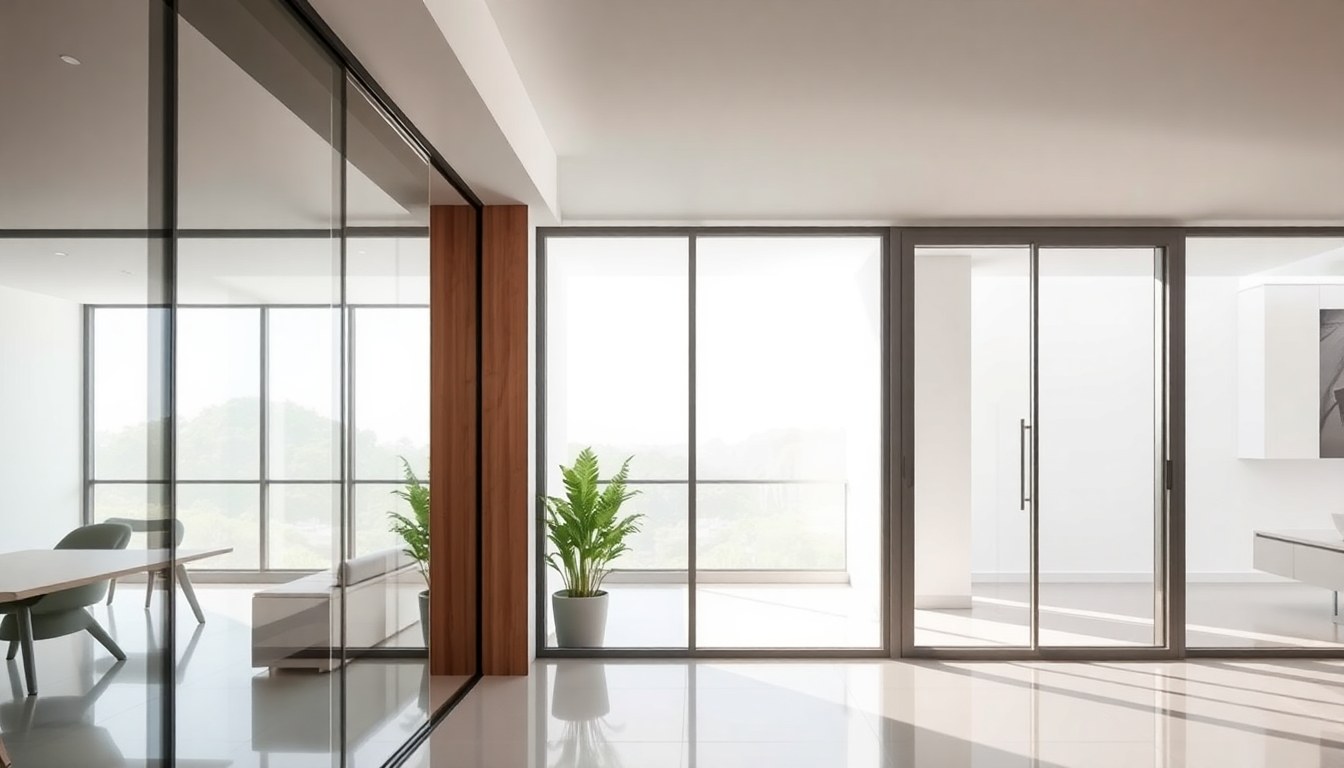
Glass partitions have become the go-to solution for modern offices and homes across India, offering a perfect blend of privacy and openness. When planning your space, you'll face a critical decision: should you opt for sleek frameless glass partitions or the more traditional aluminum-framed variety? This comprehensive guide breaks down every aspect of both options—from aesthetics and cost to installation and maintenance—helping you make an informed choice that suits your specific needs and budget.
Understanding the Basic Differences
Frameless glass partitions are constructed using thick tempered glass panels (typically 10mm to 12mm) held together by minimal hardware such as U-channels, patch fittings, or specialized clamps. The glass itself becomes the primary structural element, creating an almost invisible barrier that maximizes visual continuity. These systems rely on the inherent strength of toughened glass and precision engineering to maintain stability without visible frames around the perimeter.
Aluminum-framed partitions, on the other hand, use glass panels (usually 5mm to 8mm thick) set within aluminum frames that run along all edges. The frame provides the structural support, allowing for thinner glass and creating a defined border around each panel. These frames can be powder-coated in various colors, with silver, white, and black being the most popular choices in Indian commercial spaces.
The fundamental distinction lies in how each system achieves structural integrity: frameless partitions depend on glass thickness and strategic hardware placement, while framed systems distribute stress through the metal framework. This difference cascades into every other aspect of performance, appearance, and cost.
Aesthetic Appeal and Design Flexibility
Frameless glass partitions deliver an undeniably premium, contemporary look that has made them favorites in high-end corporate offices, luxury residences, and boutique commercial spaces. The uninterrupted glass surface creates a sense of spaciousness and allows maximum light transmission, making even compact spaces feel larger and more open. This minimalist aesthetic aligns perfectly with modern architectural trends emphasizing clean lines and visual simplicity.
Aluminum-framed partitions offer a more defined, structured appearance that some designers and clients prefer. The visible frames create clear boundaries between spaces while still maintaining transparency. For businesses wanting to incorporate brand colors or create visual consistency with existing aluminum fixtures, framed partitions provide customization opportunities through powder-coating options. They also tend to look more intentional and less stark in traditional or transitional interior designs.
Design Considerations for Different Spaces
In open-plan offices, frameless partitions excel at creating meeting rooms and executive cabins without disrupting the airy, collaborative atmosphere. Mumbai and Bangalore tech companies frequently choose frameless systems for their modern campuses. Conversely, aluminum-framed partitions work exceptionally well in environments requiring clear demarcation—such as banks, hospitals, and educational institutions—where the visible frame reinforces the sense of separate, defined spaces.
Cost Comparison and Budget Planning
The price difference between frameless and framed glass partitions is significant and often becomes the deciding factor for many projects. Frameless glass partition systems typically cost between ₹850 to ₹1,500 per square foot in Indian metros, depending on glass thickness, hardware quality, and installation complexity. High-end frameless systems with premium European hardware can exceed ₹2,000 per square foot.
Aluminum-framed partitions are considerably more budget-friendly, ranging from ₹450 to ₹800 per square foot for standard installations. This lower cost stems from thinner glass requirements, less expensive hardware, and simpler installation processes. For projects with tight budgets or large areas to cover, framed partitions offer substantial savings without completely sacrificing the benefits of glass divisions.
When calculating total project costs, consider these additional factors:
- Glass thickness: Frameless systems require 10-12mm tempered glass versus 5-8mm for framed systems
- Hardware quality: Frameless partitions need specialized, precision-engineered fittings that cost more
- Installation labor: Frameless installation requires greater expertise and takes longer
- Structural modifications: Frameless systems may need floor and ceiling reinforcement
- Long-term value: Frameless partitions typically add more to property resale value
Installation Complexity and Timeline
Installing frameless glass partitions demands precision, experience, and specialized tools. The process begins with detailed measurements and site assessment, as even minor discrepancies can compromise the entire system. Floor and ceiling must be perfectly level, and load-bearing capacity must be verified. The heavy glass panels require careful handling, and the hardware installation requires exact alignment. A typical frameless partition project for a 200-square-foot conference room takes three to five days with skilled installers.
Aluminum-framed partition installation is more straightforward and forgiving. The frames themselves provide adjustment tolerance for minor site irregularities, and the lighter glass panels are easier to maneuver. Most contractors can complete framed partition installations faster—the same 200-square-foot room might take only two to three days. This shorter timeline translates to less disruption for occupied spaces and lower labor costs.
Site Requirements and Preparation
Frameless systems require solid, level surfaces for proper hardware mounting. In older Indian buildings with uneven floors or weak false ceilings, additional preparation work may be necessary, adding to project costs and timelines. Framed partitions are more adaptable to imperfect site conditions, as the frame system can accommodate slight variations through adjustable components and shimming techniques.
Maintenance, Durability and Long-Term Performance
Both partition types use tempered safety glass that, when properly installed, can last decades with minimal maintenance. The key differences lie in the hardware and frame components. Frameless partitions have fewer components that can deteriorate—mainly the patch fittings, hinges, and floor channels. However, when hardware does need replacement, the specialized nature of these components can make repairs more expensive and may require the original installer's involvement.
Aluminum-framed partitions have more components that may require attention over time. The frames themselves are durable, but rubber gaskets and seals may need replacement every five to seven years, especially in humid climates like Chennai or Kolkata. The advantage is that these components are standardized and readily available, making repairs simpler and more affordable. Frame-mounted doors typically have more conventional hardware that any experienced contractor can service.
For daily cleaning and maintenance:
- Frameless partitions show fingerprints and smudges more prominently due to the uninterrupted glass surface
- Framed partitions collect dust along the frame edges and gasket lines
- Both require regular cleaning with standard glass cleaners
- Frameless hardware may need occasional tightening to maintain stability
- Frame systems benefit from periodic lubrication of door hardware
Acoustic Performance and Privacy Options
Sound insulation is a critical consideration for office partitions, particularly for meeting rooms and executive cabins. Frameless partitions using 12mm tempered glass provide decent acoustic dampening, typically achieving sound reduction of 30-35 decibels. However, because frameless systems often have minimal sealing at joints, sound can leak through these gaps, especially at floor and ceiling junctions.
Aluminum-framed partitions, when properly sealed with quality gaskets, can actually outperform frameless systems acoustically. The frame creates a complete seal around the glass perimeter, and the rubber gaskets absorb vibrations. Double-glazed framed partitions can achieve sound reduction exceeding 40 decibels, making them superior for spaces requiring serious acoustic isolation, such as recording studios, counseling rooms, or confidential meeting areas.
For visual privacy, both systems accommodate frosted, tinted, or smart glass options. Frameless partitions showcase these specialty glasses beautifully without visual interruption, while framed systems can mix clear and frosted panels within the same frame structure, offering flexible privacy configurations at lower cost.
Suitability for Different Applications
Best Uses for Frameless Glass Partitions
Frameless partitions excel in premium office environments, luxury residences, high-end retail spaces, and modern co-working facilities. They're ideal when aesthetics are paramount, budgets are flexible, and the goal is creating sophisticated, light-filled spaces. Corporate headquarters in Gurgaon, Pune, and Hyderabad frequently choose frameless systems for executive floors and client-facing areas where first impressions matter.
Best Uses for Aluminum-Framed Partitions
Framed partitions are the practical choice for budget-conscious projects, large-scale installations, industrial offices, educational institutions, healthcare facilities, and spaces requiring robust acoustic performance. They're particularly suitable for environments where durability and easy maintenance outweigh aesthetic considerations. Government offices, banks, hospitals, and manufacturing facilities across India predominantly use framed systems for their reliability and cost-effectiveness.
Frequently Asked Questions
Which is stronger: frameless or aluminum-framed glass partitions?
Both systems are equally strong when properly installed, but they achieve strength differently. Frameless partitions use thicker tempered glass (10-12mm) that provides inherent structural integrity, while framed partitions rely on the aluminum framework to support thinner glass (5-8mm). In terms of impact resistance and long-term durability, neither has a significant advantage—the quality of installation matters more than the system type.
Can I install doors in both frameless and framed partition systems?
Yes, both systems accommodate doors, but the mechanisms differ. Frameless partitions use sophisticated glass-to-glass hinges or patch fittings for swing doors, and can also incorporate sliding systems with floor tracks. Framed partitions use conventional door frames with standard hinges, making door installation simpler and more affordable. For high-traffic areas, framed doors may offer better long-term reliability due to their conventional hardware.
Which partition type requires less maintenance over time?
Frameless partitions generally require less frequent maintenance because they have fewer components—no frames to clean around and no gaskets to replace. However, when maintenance is needed, it may be more specialized and expensive. Framed partitions need more regular attention to gaskets and frame cleanliness, but repairs are typically simpler and more affordable. For most commercial applications, the maintenance difference is negligible with proper initial installation.
Are frameless glass partitions safe for homes with children?
Both frameless and framed partitions use tempered safety glass that shatters into small, relatively harmless granules if broken, making both options safe for residential use. Frameless partitions lack sharp metal edges, which some parents prefer. However, the seamless appearance of frameless glass can make it less visible, potentially leading to accidental collisions. Adding decorative films or manifestation strips at eye level addresses this concern effectively for both partition types.
How do I choose between frameless and framed partitions for my office?
Consider three primary factors: budget, aesthetics, and functional requirements. If you have flexibility in budget and want a premium, modern look that maximizes light and openness, choose frameless partitions. If cost-efficiency, acoustic performance, and ease of maintenance are priorities, aluminum-framed partitions are the better choice. For mixed requirements, consider using frameless partitions in client-facing areas and framed partitions in back-office spaces to balance aesthetics with budget.
Ready to transform your space with the perfect glass partition solution? Explore verified glass partition suppliers, fabricators, and installers across India on glassy.in, your comprehensive directory for all glass-related services. Compare options, read reviews, and connect with experienced professionals who can bring your vision to life with quality craftsmanship and competitive pricing.