
Glass Partitions
Frameless Glass Partition vs Aluminum Framed: Complete Comparison for Offices
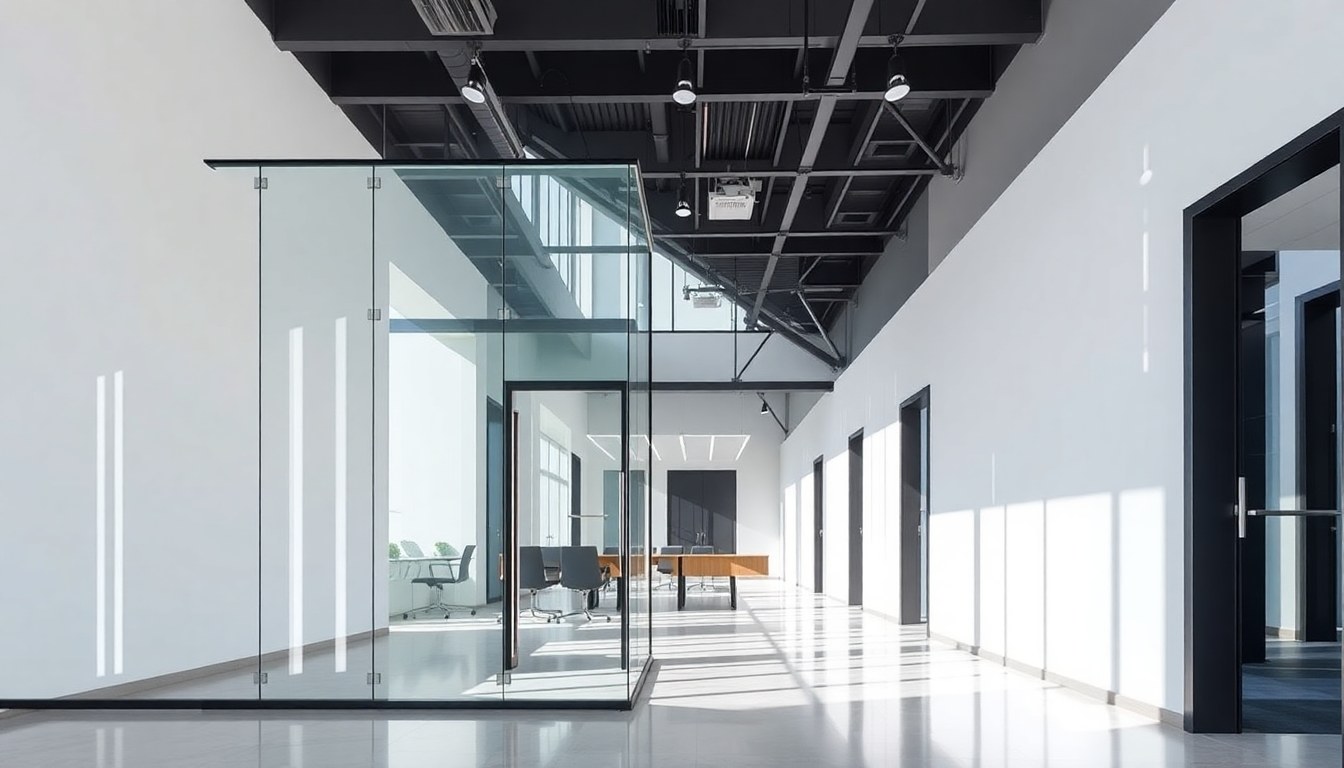
Glass partitions have become the go-to solution for modern Indian offices, offering transparency, natural light distribution, and contemporary aesthetics. When planning your workspace, you'll face a crucial decision: frameless glass partitions or aluminum framed systems? Both options create open, professional environments, but they differ significantly in cost, installation complexity, acoustic performance, and visual impact.
This comprehensive comparison will help you understand the practical differences between frameless and framed glass partition systems, so you can choose the right solution for your office based on your budget, design goals, and functional requirements.
Understanding the Structural Differences
Frameless glass partitions use thick tempered glass panels, typically 10mm to 12mm, held in place by minimal hardware such as U-channels at the floor and ceiling, or specialized clamps and point fixings. The glass itself provides the structural integrity, creating clean, uninterrupted sightlines throughout your office space. These systems rely on precision engineering and high-quality glass to maintain stability without visible support frames.
Aluminum framed partitions, in contrast, use thinner glass panels (usually 6mm to 8mm) supported by a complete aluminum framework. The metal frames run vertically and horizontally around each glass panel, creating a grid-like structure. The aluminum profiles provide the primary structural support, allowing for lighter, less expensive glass while still maintaining safety and durability.
The fundamental difference affects everything from installation requirements to long-term maintenance. Frameless systems demand more precise measurements and skilled installation, while framed systems offer more flexibility during installation and easier adjustments on-site.
Cost Comparison: Initial Investment and Long-Term Value
The cost difference between frameless and framed glass partitions is significant and should be a primary consideration for most businesses. In Indian markets, aluminum framed glass partitions typically cost between ₹450 to ₹850 per square foot, depending on the quality of aluminum profiles, glass type, and hardware specifications. This makes them the more budget-friendly option for startups, small businesses, and companies working with tight renovation budgets.
Frameless glass partitions command a premium, ranging from ₹850 to ₹1,500 per square foot or more in major cities like Mumbai, Bangalore, and Delhi. The higher cost reflects the thicker tempered glass required, specialized hardware, and the expertise needed for proper installation. However, this investment delivers a distinctly premium aesthetic that many businesses find worthwhile for client-facing areas, executive cabins, and modern corporate headquarters.
Hidden Costs to Consider
Beyond the basic installation, factor in these additional expenses. Frameless systems may require structural reinforcement of floors and ceilings to support the heavier glass weight. Framed systems might need more frequent hardware replacement over time, as the aluminum frames can show wear, especially in high-traffic areas. Both systems require professional installation, but frameless partitions demand more specialized expertise, potentially increasing labor costs.
Aesthetic Appeal and Design Flexibility
Frameless glass partitions deliver an undeniably sleek, minimalist appearance that has become synonymous with contemporary office design. The absence of visible frames creates seamless transparency, making spaces feel larger and more open. This design works exceptionally well in modern offices prioritizing clean lines, natural light, and an upscale corporate image. The unobstructed glass surfaces showcase your office interiors without visual interruption, perfect for design-conscious businesses and creative industries.
Aluminum framed partitions offer their own aesthetic advantages, particularly for businesses seeking a more defined, structured look. The frames create clear boundaries between spaces while maintaining transparency. Modern aluminum profiles come in various finishes including silver anodized, black powder-coated, champagne gold, and custom colors, allowing you to match your brand identity or interior design scheme. The frames can actually enhance the architectural character of your space, especially in industrial-chic or contemporary professional settings.
For offices requiring frosted or patterned glass for privacy, both systems work well, though framed partitions make it easier to combine clear and frosted panels in creative configurations. The frames provide natural divisions that can accommodate different glass treatments within a single partition wall.
Soundproofing and Acoustic Performance
Acoustic performance is a critical consideration for offices where confidentiality and concentration matter. Frameless glass partitions, despite using thicker glass, often provide moderate sound reduction because the minimal hardware creates potential gaps where sound can travel. Single-pane frameless systems typically achieve sound reduction of 28-32 decibels, which handles normal conversation privacy but may not suffice for confidential meeting rooms or areas requiring serious acoustic isolation.
Aluminum framed systems can actually deliver superior soundproofing when properly specified. The frames allow for better sealing with acoustic gaskets and weather stripping around each panel. Double-glazed framed partitions with an air gap between glass layers can achieve sound reduction of 38-42 decibels or higher, making them more suitable for conference rooms, manager cabins, and spaces where acoustic privacy is paramount. The frame itself helps dampen vibrations that transmit sound.
If acoustic performance is your priority, consider framed systems with enhanced sealing, or explore specialized frameless systems designed with acoustic channels and superior sealing mechanisms, though these command even higher prices.
Installation Time and Complexity
Installation timelines can impact your business operations, especially during office renovations when downtime means lost productivity. Aluminum framed glass partitions are generally faster to install, typically requiring 3-5 days for a standard office of 2,000-3,000 square feet. The modular nature of framed systems allows for some on-site adjustments, and installers can work section by section, potentially allowing partial office occupancy during installation.
Frameless glass partition installation demands more time and precision, usually taking 5-8 days for a comparable space. Each panel must be custom-cut to exact measurements, as there's less room for adjustment once the glass arrives on site. The heavier glass panels require more careful handling and specialized equipment for positioning. Any measurement errors discovered during installation can cause significant delays while replacement glass is fabricated.
Both systems require professional installation teams, but frameless systems absolutely demand experienced specialists familiar with the specific hardware and engineering requirements. Attempting to cut costs with inexperienced installers risks safety issues, poor aesthetics, and potential glass failure.
Maintenance Requirements and Durability
Frameless glass partitions require minimal maintenance once properly installed. The absence of frames means fewer components to clean, maintain, or replace. Regular cleaning with standard glass cleaners keeps them looking pristine. The thick tempered glass is highly durable and resistant to scratches and impacts. However, the specialized hardware points and channels require occasional inspection to ensure they remain secure, and any hardware replacement requires professional service.
Aluminum framed partitions need slightly more attention to maintain their appearance. The aluminum frames can accumulate dust and grime in the channels and corners, requiring more thorough cleaning. In humid Indian climates, especially in coastal cities, aluminum frames may show signs of oxidation or corrosion over time if not properly treated, though quality anodized or powder-coated finishes resist this well. The advantage is that individual components like gaskets, seals, and even damaged glass panels can be replaced more easily without disturbing the entire partition system.
Both systems use tempered safety glass that, while strong, can still break under extreme impact. Framed systems make glass replacement simpler and less expensive, as you're only replacing the glass within the existing frame structure.
Which System Suits Your Office Layout?
Choose frameless glass partitions when you want to create an ultra-modern, premium aesthetic for executive floors, corporate headquarters, or client-facing areas where first impressions matter. They work beautifully in open-plan offices where you want to maintain visual connectivity while creating defined zones. Frameless systems are ideal when your office has strong structural support and your budget allows for the premium investment.
Opt for aluminum framed partitions when budget considerations are important, when you need superior acoustic isolation, or when your office design benefits from visible architectural definition. Framed systems excel in professional services firms, call centers, training facilities, and any environment where sound control matters more than minimalist aesthetics. They're also the practical choice for offices that may need future reconfiguration, as the modular nature makes modifications more straightforward.
For many businesses, a hybrid approach works best: frameless partitions in reception areas and executive zones where aesthetics matter most, and framed systems in back-office areas, conference rooms, and workspaces where functionality and budget take priority.
Frequently Asked Questions
Which is more expensive: frameless or aluminum framed glass partitions?
Frameless glass partitions are significantly more expensive, typically costing ₹850-₹1,500 per square foot compared to ₹450-₹850 per square foot for aluminum framed systems. The higher cost reflects thicker glass requirements, specialized hardware, and more complex installation. However, frameless systems deliver a premium aesthetic that many businesses find worth the investment for high-visibility areas.
Do frameless glass partitions provide better soundproofing than framed ones?
No, aluminum framed partitions generally offer superior soundproofing. While frameless systems use thicker glass, the minimal hardware can create gaps that allow sound transmission. Framed systems allow for better sealing with acoustic gaskets and can incorporate double-glazing for sound reduction of 38-42 decibels or more, compared to 28-32 decibels for typical frameless installations.
How long does it take to install each type of glass partition?
Aluminum framed glass partitions typically take 3-5 days to install in a standard 2,000-3,000 square foot office, while frameless systems require 5-8 days due to their precision requirements and heavier glass panels. Installation time varies based on partition complexity, ceiling height, and site conditions. Both systems require professional installation teams for safe, proper implementation.
Can glass partitions be relocated if we redesign our office?
Aluminum framed partitions are more easily relocated and reconfigured due to their modular design. Individual panels can be removed, repositioned, or replaced without major disruption. Frameless systems are more challenging to relocate as they're typically custom-fitted to specific spaces, and moving the heavy glass panels requires specialized handling. If you anticipate future office reconfigurations, framed systems offer more flexibility.
Which type requires less maintenance over time?
Frameless glass partitions require less routine maintenance as they have fewer components to clean and maintain. However, aluminum framed systems are easier to repair when issues arise, as individual components like seals, gaskets, and glass panels can be replaced without disturbing the entire partition. In humid climates, quality powder-coated or anodized aluminum frames resist corrosion well with basic care.
Ready to transform your office with the perfect glass partition solution? Visit glassy.in to connect with experienced glass partition suppliers and installers across India who can provide detailed quotes, site assessments, and professional installation services tailored to your specific requirements and budget.