
Glass Railings
Frameless Glass Balcony Railings in Humid Climates: Corrosion Prevention Tips
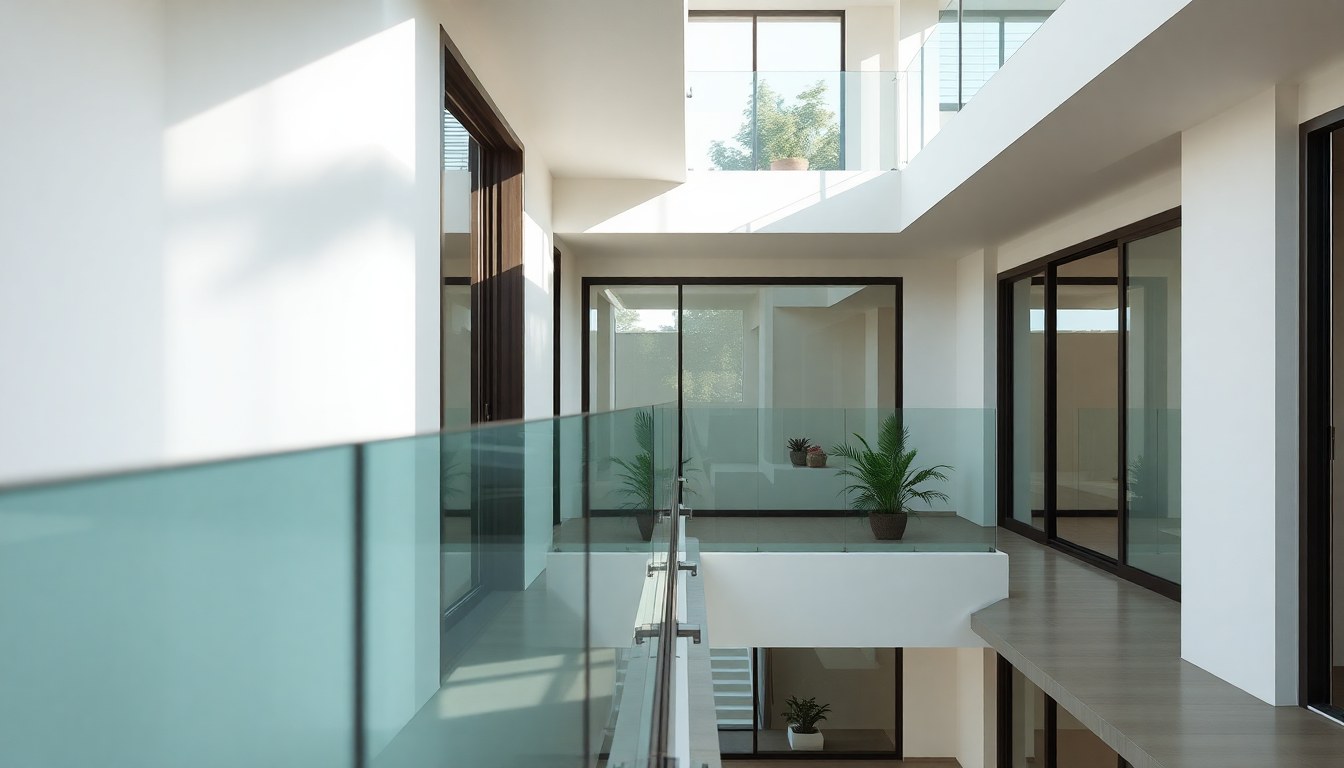
Frameless glass balcony railings offer unobstructed views and modern aesthetics, making them a popular choice for residential and commercial properties across India. However, in humid climates—especially regions that experience heavy monsoons—the metal hardware and fittings that hold these glass panels are constantly under attack from moisture, salt air, and oxidation. Without proper maintenance and corrosion prevention strategies, even premium installations can deteriorate, leading to safety concerns and costly repairs.
Understanding Corrosion in Humid Environments
Corrosion occurs when metal oxidizes due to prolonged exposure to moisture and oxygen. In frameless glass railing systems, the primary culprits are the stainless steel clamps, brackets, fasteners, and base channels that support the glass panels. When humidity levels exceed 60–70% consistently—as they do during India's monsoon season—water molecules penetrate micro-cracks in protective coatings and accelerate the oxidation process.
The problem intensifies in coastal areas or cities near industrial zones, where airborne salt particles and pollutants accelerate corrosion rates. Even "stainless" steel isn't completely immune; lower-grade stainless variants (like 304-grade) corrode faster than premium grades (316 or 316L). Understanding these risk factors helps you make informed decisions about materials and maintenance schedules.
Why Frameless Systems Are More Vulnerable
Unlike framed railings where metal components are often concealed or painted, frameless systems expose hardware directly to the elements. The glass-to-metal contact points, fastener heads, and drainage channels are all potential corrosion hotspots. Additionally, water pooling at the base of railings—common in areas with poor drainage—creates persistent moisture that accelerates rust formation.
Selecting Corrosion-Resistant Materials
The foundation of corrosion prevention begins at the design and material selection stage. Choosing the right stainless steel grade and complementary materials can dramatically extend the lifespan of your frameless railings in humid climates.
Stainless Steel Grades: Which Grade Should You Choose?
Not all stainless steel is created equal. Grade 304 stainless steel, commonly used in budget installations, contains 18% chromium and 8% nickel. While adequate for dry climates, it's vulnerable to pitting corrosion in humid environments. Grade 316 stainless steel adds 2–3% molybdenum, which significantly improves resistance to chloride corrosion—critical for coastal regions or areas with salt spray exposure. Grade 316L, with lower carbon content, is even more resistant to intergranular corrosion.
For installations in monsoon-heavy regions like Kerala, coastal Maharashtra, or parts of Tamil Nadu, investing in 316-grade stainless steel hardware is strongly recommended. While costs are 30–40% higher than 304-grade, the durability and reduced maintenance requirements justify the premium. Always verify the grade specifications with your supplier before purchase.
Fasteners and Clamps: Beyond Basic Stainless
Bolts, screws, and clamps are often overlooked, yet they're critical components. Ensure all fasteners are marine-grade stainless steel (minimum 316). Avoid mixing metals—for example, using mild steel fasteners with stainless steel clamps creates galvanic corrosion, where the two metals interact electrochemically to accelerate rust. All hardware should be compatible and uniformly high-grade.
Consider using nylon or rubber washers under bolt heads and clamps. These create a moisture barrier and prevent direct metal-to-metal contact, reducing corrosion initiation points.
Sealant Selection and Application
High-quality sealants form a protective barrier between metal hardware and moisture. In humid climates, sealant durability directly impacts the lifespan of your railings.
Types of Sealants for Glass Railings
Silicone-based sealants are the industry standard for frameless glass railings. They remain flexible in temperature fluctuations, resist UV degradation, and create a waterproof seal. However, not all silicone sealants are equal. Neutral-cure silicone is preferable to acetoxy-cure variants in humid climates, as acetoxy-cure releases acetic acid during curing, which can corrode metal hardware over time.
Polyurethane sealants offer superior adhesion and durability but are less flexible than silicone. For monsoon regions, a hybrid approach works well: use polyurethane for structural bonding of glass to metal and neutral-cure silicone for finishing and waterproofing around fasteners and joints.
Application Best Practices
- Clean all surfaces thoroughly with isopropyl alcohol before applying sealant to remove dust, oils, and existing sealant residue.
- Ensure the surface is completely dry; apply sealant only when humidity is below 85% and temperature is between 10–30°C.
- Use backer rods in wide gaps (>6mm) to ensure proper sealant depth and prevent air pockets where water can accumulate.
- Apply sealant generously around all fasteners, clamp bases, and glass-to-metal interfaces.
- Smooth sealant with a wet finger or caulking tool for better contact and appearance.
Seasonal Maintenance Routines
Regular maintenance is non-negotiable for frameless railings in humid climates. A structured seasonal approach prevents small issues from becoming major problems.
Monsoon Season Preparation (June–September)
Before the monsoon arrives, inspect all sealants for cracks or separation. Apply fresh sealant where needed, paying special attention to horizontal surfaces and drainage channels. Check that drainage holes at the base of railings are clear and functioning—blocked drainage is a primary cause of water pooling and corrosion.
Clean the entire railing system with a soft brush and mild soap solution. Remove any visible algae, mold, or mineral deposits. Rinse thoroughly with clean water and dry completely. This removes organic matter that traps moisture against metal surfaces.
Post-Monsoon Inspection (October–November)
After heavy rains, conduct a detailed inspection. Look for water stains, white powdery deposits (zinc corrosion), or orange/brown discoloration (iron oxide) on stainless steel. These indicate active corrosion. If detected early, affected areas can be cleaned and re-sealed before corrosion penetrates deeper.
Check fastener tightness; moisture and thermal expansion/contraction can loosen bolts. Use a torque wrench to re-tighten to manufacturer specifications. Loose fasteners allow water to seep into gaps, accelerating corrosion.
Annual Deep Cleaning and Maintenance
Once yearly, perform a comprehensive cleaning using a stainless steel cleaner specifically formulated for railings. These products remove oxidation and restore the protective chromium oxide layer. Apply the cleaner with a soft cloth, following product instructions, then rinse and dry thoroughly.
Inspect sealants for UV damage, cracking, or peeling. Sealants typically last 5–7 years in humid climates; plan for replacement before they fail. Document maintenance in a log to track patterns and plan future interventions.
Water Management and Drainage Solutions
Water management is critical for corrosion prevention. Standing water is the enemy of frameless railings in humid climates.
Ensure the balcony surface slopes slightly (minimum 1–2%) toward drainage points to prevent water pooling. If your balcony has poor drainage, consider installing a slight slope or additional drainage channels. At the railing base, install weep holes or drainage channels—these should be at least 6–8mm in diameter and spaced every 30–40cm to allow water to escape quickly.
In areas with heavy rainfall, consider applying a hydrophobic coating to the balcony surface around the railing. This reduces water absorption into concrete and minimizes moisture migration to metal components. Hydrophobic coatings need reapplication every 2–3 years.
Professional Inspection and Maintenance Services
While homeowners can perform basic maintenance, professional inspections every 2–3 years are invaluable, especially in high-humidity regions. Professional technicians use specialized tools to detect early-stage corrosion not visible to the naked eye, such as pit corrosion beneath sealant layers.
In India, many glass and railing specialists in cities like Bangalore, Mumbai, Delhi, and Hyderabad offer maintenance packages ranging from ₹5,000 to ₹20,000 annually, depending on railing size and condition. These services typically include cleaning, sealant inspection, fastener tightening, and corrosion assessment. For commercial properties, regular professional maintenance is essential for safety compliance and liability protection.
Frequently Asked Questions
What's the best way to clean frameless glass railings without damaging sealants?
Use a soft cloth or microfiber cloth with mild soap and lukewarm water. Avoid abrasive scrubbers or harsh chemicals that can degrade sealants. For stubborn stains, use a stainless steel cleaner designed for railings, but test it on a small area first. Never use steel wool or wire brushes, as these can scratch the glass and damage protective coatings on metal hardware. Rinse thoroughly with clean water and dry immediately to prevent water spots.
How often should I replace sealants on frameless railings in monsoon regions?
In high-humidity climates with heavy monsoon rainfall, sealants typically need replacement every 5–7 years. However, inspect sealants annually; if you notice cracks, separation, or peeling before this timeframe, replace them immediately. The cost of preventive sealant replacement (₹2,000–₹5,000 per balcony) is minimal compared to the cost of correcting corrosion damage, which can exceed ₹30,000–₹50,000.
Can I use regular stainless steel fasteners instead of marine-grade for indoor balconies?
Indoor balconies still experience humidity, especially in bathrooms or near kitchens. Even indoors, use minimum 316-grade stainless steel fasteners. The extra cost is negligible, and the durability difference is significant. Avoid 304-grade or mild steel fasteners entirely in humid environments; they will corrode within 2–3 years, compromising safety and aesthetics.
What's the difference between pitting corrosion and general corrosion on stainless steel?
General corrosion spreads uniformly across the metal surface, appearing as overall discoloration. Pitting corrosion creates small, localized holes or pits that penetrate deeply into the material, often hidden beneath sealants or surface deposits. Pitting is more dangerous because it weakens structural integrity rapidly without obvious visual warning. This is why 316-grade stainless steel, which resists pitting, is recommended for humid climates.
Is a hydrophobic coating necessary for balconies with frameless railings?
Hydrophobic coatings are highly beneficial but not absolutely necessary if drainage is excellent and maintenance is diligent. They provide an extra layer of protection by reducing water absorption into concrete and surrounding surfaces, which minimizes moisture migration to metal components. In monsoon-heavy regions or coastal areas, hydrophobic coatings justify their cost (₹3,000–₹8,000 per balcony) through extended railing lifespan and reduced maintenance frequency.
Conclusion
Frameless glass balcony railings can remain beautiful and safe for 15–20+ years in humid climates with proper material selection, regular maintenance, and proactive corrosion prevention. Investing in 316-grade stainless steel hardware, high-quality sealants, and a structured maintenance routine protects your investment and ensures the safety of residents and visitors. Don't wait for visible corrosion to take action; implement these strategies now to enjoy your frameless railings for decades to come.
Looking for reliable glass railing suppliers and maintenance specialists in your area? Explore the extensive directory of verified glass and railing professionals on glassy.in, India's largest glass-business directory. Find experienced installers, maintenance services, and material suppliers who understand the unique challenges of humid climates and can help you maintain your frameless railings in perfect condition.