
Glass Railings
Glass Staircase Railings: Load-Bearing Standards & Safety Compliance in India
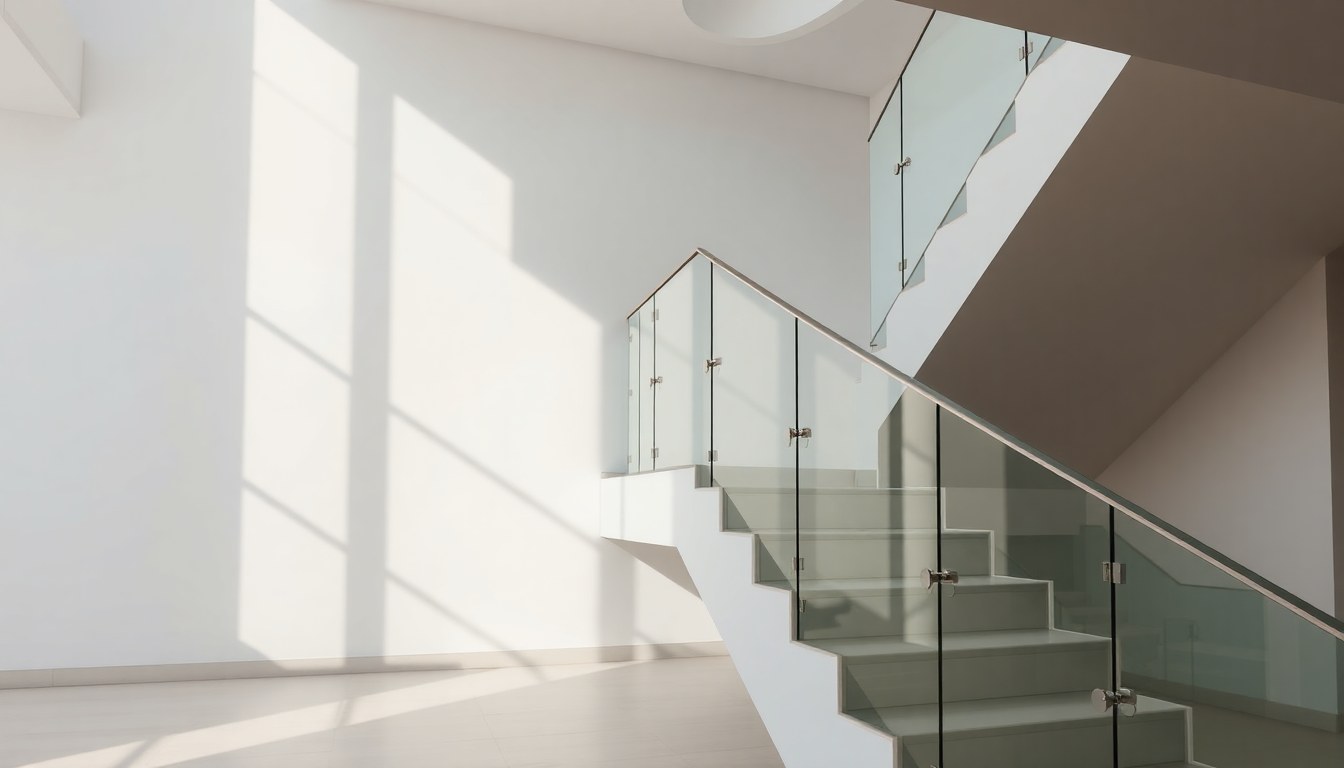
Glass staircase railings have become a hallmark of modern architecture in India, offering both aesthetic appeal and unobstructed sightlines in residential and commercial spaces. However, their safety and structural integrity depend entirely on compliance with Indian Standards (IS codes) that govern material thickness, toughening processes, load-bearing capacity, and baluster spacing. If you're a builder, architect, or property developer in Delhi NCR or anywhere in India, understanding these technical requirements is non-negotiable for avoiding safety failures, legal liabilities, and costly rework.
Why Glass Staircase Railings Require Strict Safety Standards
Staircase railings are fall-prevention barriers that must withstand accidental impacts, leaning loads, and occasional misuse without fracturing or collapsing. Unlike decorative glass panels, railings are load-bearing safety devices that protect occupants from serious injury or death. In India, the National Building Code (NBC) and specific Indian Standards dictate how these railings must be designed, manufactured, and installed.
The consequences of non-compliance are severe. A railing that fails under load can result in fatal falls, multi-crore litigation, criminal negligence charges against builders, and permanent damage to reputation. Insurance companies also refuse claims for injuries caused by substandard railings. This is why architects and builders must verify compliance at the design phase, material procurement, and final installation stages.
Key Indian Standards (IS Codes) for Glass Railings
IS 6262:2015 – Safety Glass and Glazing in Buildings
IS 6262:2015 is the foundational standard for all safety glass applications in Indian buildings, including staircase railings. This code mandates that railings must use either tempered glass or laminated glass (or both) to prevent sharp fragments from causing cuts or lacerations if breakage occurs.
Key requirements under IS 6262 include:
- Minimum glass thickness of 10 mm for railings in residential buildings
- 12 mm thickness recommended for high-traffic commercial spaces
- Mandatory tempering or lamination for all railing glass
- Edge finishing to remove sharp edges
- Proper identification marking on glass to indicate safety treatment
IS 1608:2005 – Code of Practice for Design, Fabrication and Erection of Structural Steelwork in General Building Construction
While primarily for steel structures, IS 1608 governs the metal framework and support systems that hold glass railings. The support structure must be engineered to handle lateral loads (wind, impact) and distributed loads (leaning, climbing) without deformation.
IS 875 (Part 3):2015 – Code of Practice for Design Loads (Other Than Earthquake) for Buildings and Structures – Wind Loads
Glass railings in stairwells and balconies must resist wind loads, especially in high-rise buildings. IS 875 specifies minimum lateral pressure requirements that vary by building height, location, and terrain category. In Delhi NCR, wind speeds of 50–55 km/h are standard design parameters, requiring railings to withstand horizontal pressures of 800–1200 Pa.
Load-Bearing Capacity Standards for Staircase Railings
Horizontal Load Requirements
According to the National Building Code of India (NBC 2016) and aligned IS codes, staircase railings must resist a concentrated horizontal load of 1.5 kN (approximately 150 kg force) applied at any point along the top rail, without permanent deformation or glass fracture. This simulates a person leaning heavily or falling against the railing.
For railings in commercial buildings, hospitals, and public spaces with high footfall, some architects specify a higher design load of 2.0 kN for added safety margin. The load must be distributed across the support structure and anchoring points without exceeding material stress limits.
Vertical Load Capacity
Railings must also support a distributed vertical load of 0.5 kN per meter of railing length without deflection exceeding 6 mm. This prevents the railing from sagging or flexing noticeably under sustained pressure, which would signal structural weakness to users and inspectors alike.
Impact Resistance
Tempered glass used in railings must pass impact tests under IS 6262. A steel ball weighing 2.26 kg is dropped from 1.5 meters onto the glass surface. Tempered glass will crumble into small, relatively harmless granules rather than splintering into sharp shards. Laminated glass, meanwhile, will crack but remain bonded to the interlayer, preventing fragments from falling.
Glass Toughening and Material Specifications
Tempered Glass vs. Laminated Glass
Tempered glass is heated to approximately 620°C and then rapidly cooled, creating internal compressive stress. This process makes the glass 4–5 times stronger than annealed glass and causes it to crumble safely if broken. Tempered glass is ideal for railings where complete transparency and minimal visual distortion are desired.
Laminated glass consists of two or more glass panes bonded with a polyvinyl butyral (PVB) interlayer. Even if the glass cracks, the PVB layer holds fragments in place, preventing sharp pieces from falling. Laminated glass is preferred in high-security applications, earthquake-prone zones, and where sound insulation is needed.
Many premium installations in Delhi NCR use tempered + laminated glass (a combination called heat-strengthened laminated glass) to maximize both impact resistance and fragment containment. This dual approach is mandatory for railings in hospitals, schools, and government buildings.
Glass Edge Finishing
All glass edges in railings must be polished, beveled, or arrised (slightly rounded) to remove sharp edges that could cause cuts during handling or accidental contact. IS 6262 specifies that edge roughness must not exceed 1.6 micrometers. Unfinished or poorly finished edges are a common cause of installation-stage injuries and are grounds for rejection by site inspectors.
Baluster Spacing and Infill Panel Standards
Preventing Child Entrapment
One of the most critical safety requirements is baluster (vertical support member) spacing. The NBC mandates that the gap between vertical balusters or between a baluster and the bottom rail must not exceed 100 mm (10 cm). This dimension is based on international standards and prevents a child's head or body from becoming trapped or passing through the railing.
For railings with solid glass panels, this requirement is automatically satisfied. However, if railings use metal balusters with glass infill panels, each vertical spacing must be verified during fabrication and installation. Many builders in Delhi NCR have faced rejection of railings that used 120–150 mm spacing, resulting in costly rework and project delays.
Railing Height Requirements
Staircase railings must have a minimum height of 1.0 meter (1000 mm) measured from the stair nosing or finished floor level to the top of the railing. In commercial buildings and public spaces, some codes recommend 1.1 meters. This height ensures that the railing reaches approximately mid-chest level for an average adult, providing effective fall protection.
Installation and Anchoring Standards
Fastening Requirements
Glass railings must be anchored to the building structure using stainless steel (SS 304 or SS 316) fasteners, brackets, and channels. All anchoring points must be designed to transfer loads directly to structural members (beams, columns, or slabs) without relying on adhesives alone. Silicone sealants may be used for weatherproofing but never as the primary load-bearing medium.
Fasteners must be torqued to manufacturer specifications—typically 25–35 Nm for M8 bolts and 45–65 Nm for M10 bolts. Under-tightened fasteners lead to micro-movements that can cause glass edge chipping and eventual railing failure. Over-tightened fasteners can crack tempered glass, particularly at point loads.
Expansion and Contraction Allowances
Glass expands and contracts with temperature changes. Indian building codes require a minimum clearance of 5–10 mm between glass panels and the building frame to accommodate thermal movement without inducing stress. In Delhi NCR, where summer temperatures exceed 45°C and winter temperatures drop to 5°C, this allowance is critical to prevent glass cracking during seasonal transitions.
Compliance Verification and Testing Protocols
Third-Party Certification
Reputable glass manufacturers in India obtain certifications from independent testing laboratories such as the Indian Institute of Technology (IIT), Central Glass and Ceramic Research Institute (CGCRI), or accredited private labs. These certifications verify that the glass has been tempered correctly, meets thickness standards, and can withstand the required load tests.
Before purchasing glass for a staircase railing project, builders should request:
- Mill certificates confirming glass composition and thickness
- Temper certification with batch identification
- Proof of edge finishing and quality inspection
- Load-bearing test reports from accredited labs
- Installation guidelines specific to the product
On-Site Inspection Checklist
During installation, site engineers must verify:
- Glass thickness matches design specifications (use calipers to spot-check)
- All glass edges are finished and free of chips or cracks
- Baluster spacing does not exceed 100 mm at any point
- Railing height is minimum 1.0 meter at all locations
- All fasteners are stainless steel and properly torqued
- No adhesives are used as primary load-bearing elements
- Thermal expansion clearances are maintained
- Horizontal load test: apply 1.5 kN force at top rail; railing should not deflect more than 6 mm or show any permanent deformation
Common Compliance Failures in Delhi NCR Projects
Building inspectors and third-party auditors in Delhi NCR frequently encounter the following non-compliant installations:
- Undersized glass: Using 8 mm or 6 mm glass instead of minimum 10 mm, resulting in excessive deflection under load
- Annealed glass: Installing non-tempered glass that shatters into sharp fragments upon impact
- Improper anchoring: Relying on silicone sealants or adhesives without mechanical fasteners
- Incorrect spacing: Balusters spaced 120–150 mm apart, exceeding the 100 mm limit
- Missing edge finishing: Sharp or rough edges that fail quality checks and pose injury risk
- Inadequate support structure: Using mild steel instead of stainless steel, leading to rust and structural degradation
- No thermal allowances: Tight-fitting panels that crack during temperature fluctuations
Cost Implications of Compliance
Compliant tempered glass railings cost approximately ₹800–₹1,500 per running meter in Delhi NCR, depending on glass thickness, frame material, and finish quality. Laminated glass adds 20–30% to the cost. While this seems higher than budget alternatives, the investment protects against:
- Costly rework and project delays due to inspection failures
- Litigation and compensation claims for injuries
- Insurance claim denials for non-compliant installations
- Regulatory fines and building permit cancellations
- Reputational damage and loss of future projects
A single injury claim from a railing failure can cost ₹50 lakhs to ₹2 crores in settlements and legal fees—far exceeding the cost of proper materials and installation.
Frequently Asked Questions
What is the minimum glass thickness for staircase railings in India?
According to IS 6262:2015, the minimum glass thickness for staircase railings in residential buildings is 10 mm. Commercial buildings and high-traffic areas should use 12 mm or thicker glass. The glass must be tempered or laminated to ensure safe breakage behavior.
Can I use regular (annealed) glass for railings?
No. Annealed glass is strictly prohibited for railings under IS 6262 and the National Building Code. Annealed glass shatters into sharp, jagged fragments that cause severe cuts and lacerations. Only tempered or laminated glass is permitted.
What is the maximum spacing between balusters in a glass railing?
The maximum spacing between vertical balusters or between a baluster and the bottom rail is 100 mm (10 cm). This dimension prevents a child's head or body from passing through or becoming trapped. Spacing exceeding 100 mm will result in rejection during building inspection.
How much horizontal load must a staircase railing withstand?
Staircase railings must resist a concentrated horizontal load of 1.5 kN (approximately 150 kg force) applied at any point along the top rail without permanent deformation or glass fracture. Some high-traffic commercial buildings design for 2.0 kN for additional safety margin.
Why is stainless steel required for railing fasteners?
Stainless steel (SS 304 or SS 316) resists corrosion from moisture, temperature changes, and environmental exposure. Mild steel fasteners rust and weaken over time, compromising the structural integrity of the railing. Stainless steel ensures long-term durability and compliance with Indian Standards.
Conclusion and Next Steps
Compliance with Indian Standards for glass staircase railings is not optional—it is a legal, safety, and ethical imperative for every builder and architect in India. Understanding IS 6262, NBC requirements, load-bearing standards, glass toughening processes, and baluster spacing rules is essential to avoid costly failures, legal liability, and harm to occupants.
If you are planning a staircase railing project in Delhi NCR or elsewhere in India, connect with certified glass manufacturers and installers through the glassy.in directory. Our platform features verified glass suppliers, fabricators, and installers who specialize in compliant, high-quality glass railing systems. Browse our directory to find trusted partners who understand Indian Standards and can deliver safe, beautiful railings for your project.