
Glass Railings
Glass Railing Installation on Spiral Staircases: Design & Safety Tips
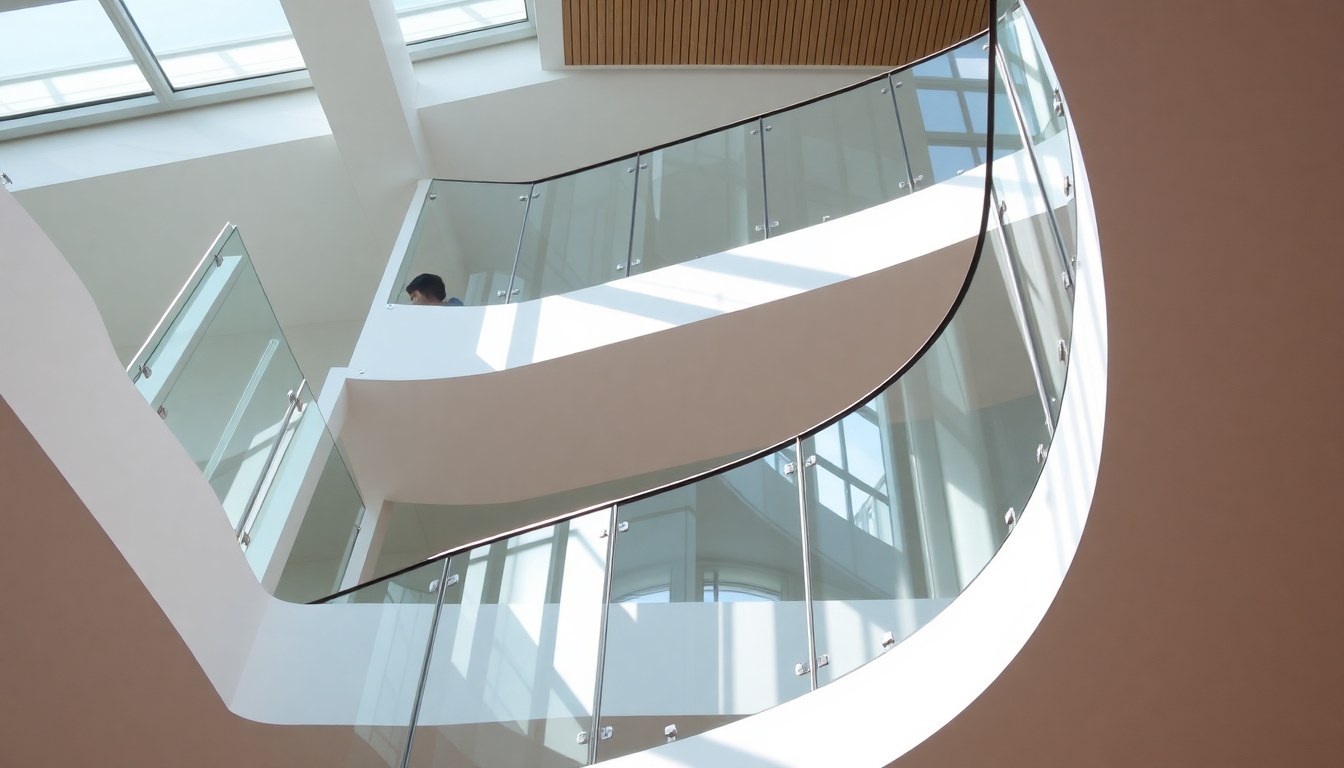
Spiral staircases are architectural showstoppers, but adding glass railings transforms them into stunning focal points while maintaining safety and sightlines. Installing frameless or semi-frameless glass railings on curved stairs requires precision, proper load-bearing calculations, and understanding of Indian building codes. This guide walks you through the complete installation process, design considerations, and safety standards to ensure your spiral staircase railing is both beautiful and compliant.
Understanding Load-Bearing Standards for Spiral Staircase Glass Railings
Glass railings on spiral staircases must meet stringent safety requirements because the curved geometry creates unique stress patterns. In India, installations should comply with IS 1893 (Indian Standard for Ductile Design and Detailing of Reinforced Concrete Structures) and local building bylaws, which typically mandate railings capable of withstanding lateral loads of 1.2 kN/m (approximately 120 kg per meter of height).
The critical factor is that spiral stairs concentrate load differently than straight staircases. The curved mounting points experience rotational forces that straight installations don't encounter. Your glass panels—typically 10mm to 12mm tempered glass—must be supported by stainless steel posts or aluminum frames positioned at 1.2 to 1.5 meter intervals, depending on the spiral's radius. Smaller-radius spirals (less than 1.5 meters) require closer post spacing to handle the increased curvature stress.
Choosing the Right Glass Thickness and Type
Tempered glass is non-negotiable for safety. It shatters into small, harmless granules rather than dangerous shards. For spiral staircases, 10mm tempered glass is the minimum standard in India; 12mm is preferred for wider spirals or high-traffic commercial installations. Laminated glass (two layers bonded with PVB film) offers additional safety by holding together even if broken, though it's typically reserved for ground-floor installations or public buildings.
Curved Mounting Techniques for Spiral Staircases
The curved nature of spiral stairs demands custom mounting solutions. Unlike straight railings where posts are simply vertical and parallel, spiral staircase posts must be positioned radially—pointing toward the center of the spiral. This radial alignment ensures even load distribution and prevents stress concentration at mounting points.
Step-by-Step Curved Mounting Process
- Measure the spiral radius and angle: Determine the exact radius of your spiral (distance from center to railing) and the angle each step covers. Most residential spirals have radii between 1 to 2 meters and step angles of 10 to 15 degrees.
- Calculate post positions: Mark post locations on the stair treads at regular intervals (typically every 1.2 to 1.5 meters along the curve). Use a center point as reference and measure radially outward.
- Drill anchor holes: Use diamond-core drills rated for concrete to create holes for stainless steel anchors (M12 or M16 bolts, depending on load calculations). Holes should be at least 80mm deep in concrete stairs.
- Install base plates: Secure stainless steel base plates using chemical anchors (epoxy or polyester resin) for superior holding power on spiral treads. Allow 24 hours cure time before proceeding.
- Fit vertical posts: Install aluminum or stainless steel posts vertically (not radially—this is a common mistake). Posts should extend 1050mm above the tread surface to meet Indian safety codes.
- Attach glass panels: Use frameless glass clamps or U-channel aluminum frames to secure glass panels between posts. Ensure panels are perpendicular to the stair plane, not radial.
- Seal and finish: Apply silicone sealant around all mounting points and panel edges to prevent water ingress and dust accumulation.
Handling the Curved Glass Panel Challenge
True curved glass panels are expensive and rarely necessary. Instead, use straight tempered glass panels mounted at slight angles to follow the spiral's curve. Each panel covers one or two steps, creating a stepped appearance that's both practical and aesthetically pleasing. This approach costs 30-40% less than custom-curved panels while maintaining safety and visual appeal.
Design and Aesthetic Considerations
Glass railings on spiral staircases offer unobstructed views, making the staircase appear lighter and more spacious—crucial in Indian homes where space is premium. The choice between frameless and semi-frameless designs significantly impacts both cost and aesthetics.
Frameless vs. Semi-Frameless Design
Frameless glass railings feature no visible aluminum or steel frames, with glass panels held by small stainless steel clamps at top and bottom. This creates a minimalist, contemporary look that costs ₹2,500 to ₹4,500 per running meter in India. Frameless designs work beautifully on spirals with tight, elegant curves.
Semi-frameless designs use thin aluminum channels (typically 20-30mm) at the top and bottom edges, reducing clamp visibility while maintaining a clean appearance. These cost ₹1,800 to ₹3,000 per running meter and offer slightly better load distribution, making them ideal for larger spirals or commercial installations.
Finish and Color Options
Stainless steel posts and clamps are standard and require minimal maintenance, though they can appear industrial. Anodized aluminum in brushed or powder-coated finishes (black, bronze, champagne, or custom colors) blends better with contemporary interiors and costs slightly more. For traditional or transitional homes, consider matte-finish stainless steel or brass-plated fittings.
Glass tinting is another design element. Clear glass is standard and maintains maximum sightlines. Frosted or acid-etched glass reduces glare and adds privacy while softening the visual impact. Tinted options (bronze, gray, or green) are available but are less common in India due to cost and building code considerations.
Installation Best Practices and Common Mistakes
Successful glass railing installation on spiral stairs depends on precision and attention to detail. Here are critical best practices and pitfalls to avoid.
Pre-Installation Checklist
- Verify stair structure is level and stable; spiral staircases should not have more than 5mm variance over 3 meters
- Confirm all anchor points are in solid material (concrete or steel); avoid mounting on plaster or weak masonry
- Check local building bylaws and obtain necessary approvals before beginning work
- Ensure adequate ventilation and workspace around the spiral for installation crew
- Source all materials from certified suppliers; substandard tempered glass or stainless steel can fail prematurely
Common Installation Mistakes
Incorrect post spacing: Spacing posts too far apart (beyond 1.5 meters) causes glass deflection and safety concerns. Each spiral's radius dictates spacing; tighter spirals need closer posts.
Improper anchor depth: Shallow anchors pull out under load. Always drill at least 80mm into concrete and use chemical anchors for maximum holding power.
Radial vs. vertical confusion: Posts must be vertical, not angled toward the spiral center. Radial posts create uneven load distribution and look awkward.
Ignoring water drainage: Spiral staircases are prone to water pooling. Ensure all horizontal surfaces have slight slopes and drainage gaps to prevent water damage and glass staining.
Cost Estimation and Timeline
Glass railing costs for spiral staircases vary by region, design complexity, and material quality. In major Indian cities like Mumbai, Delhi, and Bangalore, expect to pay:
- Frameless design: ₹2,500–₹4,500 per running meter (labor and materials)
- Semi-frameless design: ₹1,800–₹3,000 per running meter
- Custom curved glass panels: Add 40–60% premium
- Stainless steel vs. aluminum: Stainless costs 20–30% more but lasts longer
A typical residential spiral staircase (10 steps, 1.5-meter radius) requires approximately 15–18 running meters of railing, translating to ₹27,000–₹81,000 depending on design and materials. Installation typically takes 3–5 days, including measurement, fabrication, and final finishing.
Maintenance and Long-Term Care
Glass railings on spiral staircases require minimal maintenance but regular attention ensures longevity. Clean glass panels monthly with a mild glass cleaner and soft cloth; avoid abrasive cleaners that scratch tempered glass. Inspect stainless steel clamps and posts quarterly for any corrosion (rare in India's dry climates but possible in coastal areas). Tighten any loose bolts and reapply silicone sealant every 2–3 years, especially in high-traffic areas.
Frequently Asked Questions
Is tempered glass mandatory for spiral staircase railings in India?
Yes, tempered glass is required by Indian building codes for all staircase railings. It's designed to break safely into small, harmless granules rather than sharp shards. Non-tempered glass is a serious safety hazard and will not pass building inspections or insurance requirements.
Can I install glass railings on an existing spiral staircase?
Yes, retrofitting glass railings on existing spirals is common and typically doesn't require structural modifications. However, the staircase must be structurally sound, and mounting points must be in solid material (concrete or steel). Wooden spiral stairs may require reinforcement before installation.
How do I prevent water damage and staining on glass railings?
Ensure proper drainage by sloping horizontal surfaces slightly away from the staircase and creating small drainage gaps at the base. Apply water-repellent sealant around all mounting points and silicone seals. In areas with hard water, clean glass monthly to prevent mineral buildup and staining.
What's the difference between 10mm and 12mm tempered glass for spiral stairs?
10mm tempered glass is sufficient for most residential spiral staircases and is more cost-effective. 12mm glass offers greater rigidity and is recommended for wider spirals (radius >2 meters), commercial installations, or high-traffic areas. The cost difference is approximately 15–20%.
How long does a glass railing installation take on a spiral staircase?
A typical residential spiral staircase railing installation takes 3–5 days, including measurement, fabrication, and finishing. Complex designs with custom curved panels or additional structural work may extend the timeline to 7–10 days. Always allow an extra 1–2 days for silicone sealant curing before full use.
Glass railings transform spiral staircases into stunning architectural features while maintaining safety and code compliance. Whether you're designing a new spiral or upgrading an existing one, understanding load-bearing standards, curved mounting techniques, and aesthetic options ensures a successful installation. Explore verified glass railing suppliers and installers in your region through the glassy.in directory to find trusted professionals who can bring your spiral staircase vision to life with precision and expertise.