
Glass Railings
Glass Balcony Enclosure Codes: What Delhi & NCR Building Rules Require
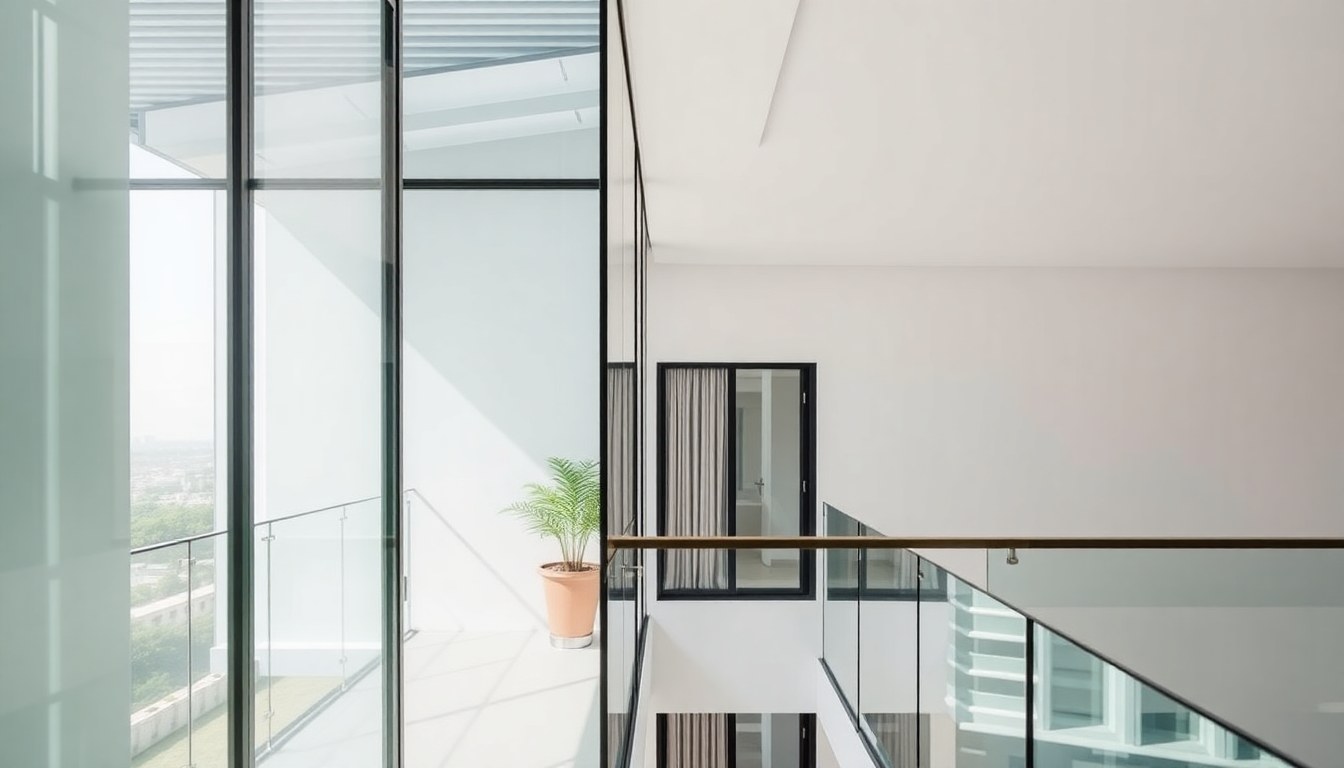
Installing a glass balcony enclosure in Delhi or the National Capital Region is an attractive way to expand usable space and improve aesthetics—but it comes with strict regulatory requirements. The Municipal Corporation of Delhi (MCD), along with local municipal authorities in Noida, Gurgaon, and Faridabad, enforce specific building codes that govern glass thickness, safety certifications, structural approval, and installation standards. Understanding these rules before you begin construction can save you costly delays, penalties, or forced removal of non-compliant structures.
Understanding Delhi & NCR Building Codes for Glass Enclosures
Glass balcony enclosures fall under the purview of the Delhi Building Bylaw, 2016, and equivalent codes in NCR satellite cities. These regulations exist to protect structural integrity, ensure fire safety, prevent accidents, and maintain building aesthetics. The rules apply whether you're enclosing a residential apartment balcony, a commercial office terrace, or a villa balcony.
The primary authority in Delhi is the Municipal Corporation of Delhi (MCD), while areas under the Delhi Development Authority (DDA) follow DDA guidelines. In NCR cities like Noida, the Noida Authority; in Gurgaon, the Haryana Shahari Vikas Pradhikaran (HSVP); and in Faridabad, the Faridabad Development Authority oversee similar approvals. Each has nuanced differences, but the core safety and structural principles remain consistent.
Key Regulatory Bodies and Their Jurisdiction
- Municipal Corporation of Delhi (MCD): Governs all municipal wards in Delhi proper, including South Delhi, East Delhi, and Central Delhi.
- Delhi Development Authority (DDA): Oversees DDA housing colonies and designated areas.
- Noida Authority: Manages residential and commercial projects across Noida and Greater Noida.
- HSVP (Gurgaon): Regulates building modifications in Gurgaon.
- Faridabad Development Authority: Approves construction and modifications in Faridabad.
Glass Thickness and Material Specifications
Delhi and NCR building codes mandate specific glass thickness based on balcony dimensions and exposure to wind loads. For most residential balconies, the minimum requirement is 6 mm toughened (tempered) glass or 8 mm laminated glass. Balconies larger than 2 meters in width or exposed to higher wind zones may require 10 mm or 12 mm thickness.
The glass must be certified as per Indian Standard IS 2250:1981 (Safety Code for Structural Use of Glass in Buildings) and IS 2553:2012 (Code of Practice for Design, Fabrication and Erection of Structural Steel Work in Building). Toughened glass is preferred because it shatters into small, harmless granules if broken, reducing injury risk. Laminated glass, which holds together even when fractured, is also acceptable and sometimes required for ground-floor balconies or high-traffic areas.
Wind Load Considerations
Delhi and NCR experience varying wind pressures depending on location and altitude. The National Building Code of India (NBC) classifies areas into wind zones. Most of Delhi and NCR fall under Wind Zone 2 or 3, which typically require 6-8 mm glass for standard residential balconies. However, if your building is taller than 15 meters or located in an exposed area, the structural engineer may recommend thicker glass (10-12 mm) to handle higher wind loads.
Safety Certifications and Compliance Documents
Before submitting your balcony enclosure application to municipal authorities, you must obtain several certifications from accredited laboratories and structural engineers. These documents prove that your design and materials meet national safety standards.
Essential Certifications
- Glass Testing Report: A certified report from an NABL (National Accreditation Board for Testing and Calibration Laboratories) accredited lab confirming glass thickness, toughening, and strength properties.
- Structural Design Certificate: Prepared by a licensed structural engineer, showing load calculations, wind resistance, and compliance with NBC and IS codes.
- Fire Safety Certificate: Glass used must not inhibit fire egress. Non-reflective, non-tinted glass is typically preferred to maintain visibility during emergencies.
- Building Plan Approval: Your architect or engineer must submit modified building plans showing the balcony enclosure design to the municipal authority and obtain approval before installation begins.
Many property owners work with experienced architects and glass specialists like ST Interior Glass & Aluminium UPVC Works in New Delhi or Glass & Glass Co to ensure all documentation is in place before applying for municipal approval.
Municipal Approval Process in Delhi & NCR
Obtaining approval for a glass balcony enclosure involves submitting detailed applications to your municipal authority. The process typically takes 15-45 days, depending on the completeness of your application and the authority's workload.
Step-by-Step Approval Pathway
- Prepare Building Plans: Engage a licensed architect to prepare modified building plans showing the balcony enclosure, including dimensions, glass type, and structural details. Plans must comply with Delhi Building Bylaw 2016 or equivalent NCR regulations.
- Obtain Structural Design: A structural engineer must certify the design, confirming it meets wind load, dead load, and live load requirements specific to your building's location and height.
- Gather Glass Certifications: Obtain lab-certified reports confirming glass thickness, toughening, and safety compliance.
- Submit to Municipal Authority: File your application at the MCD ward office (in Delhi) or the relevant authority office (Noida, Gurgaon, Faridabad) along with plans, structural certificate, and glass certifications. A nominal application fee (typically ₹500–₹2,000) is required.
- Site Inspection: A municipal inspector visits your property to verify that the proposed enclosure does not obstruct common areas, violate fire safety norms, or compromise building aesthetics.
- Receive Approval or NOC: Once approved, you receive a No Objection Certificate (NOC) or approval letter, permitting installation to begin.
Delays often occur if your application is incomplete or if the inspector finds non-compliance issues. Working with experienced professionals from the outset—such as MICMAC Decor for interior design coordination—can streamline the approval process.
Balcony Enclosure Restrictions and Limitations
Not all balconies can be fully enclosed. Delhi and NCR building codes impose specific restrictions to maintain building aesthetics, ensure fire safety, and preserve common property rights.
Common Restrictions
- Shared Balconies: If your balcony is part of a shared structure or common area, you may not have the right to enclose it without permission from the society/residents' association and the municipal authority.
- Front-Facing Balconies: Many building bylaws restrict or prohibit enclosure of balconies visible from the street to maintain uniform building appearance. This is particularly strict in heritage zones and planned colonies.
- Fire Escape Routes: Balconies designated as fire escape routes cannot be fully enclosed. Glass must be removable or openable to allow evacuation.
- Ventilation Requirements: Enclosed balconies must maintain adequate ventilation. Operable windows or louvers are typically required to prevent moisture buildup and maintain indoor air quality.
- Ground Floor Sensitivity: Ground-floor balcony enclosures may face stricter scrutiny to prevent unauthorized extensions into common areas or streets.
Common Mistakes to Avoid
Many property owners in Delhi and NCR face penalties or forced removal of balcony enclosures due to preventable errors. Understanding these mistakes can help you avoid costly problems.
Installing without approval: This is the most common violation. Even if your neighbors have enclosed balconies, you must obtain your own NOC. Unauthorized enclosures can result in fines of ₹5,000–₹50,000 or demolition orders. Using substandard glass: Purchasing cheap, non-certified glass may save money initially but violates building codes and puts occupants at risk. Always demand lab-certified glass with proper documentation. Ignoring structural calculations: Assuming your balcony can support an enclosure without engineering input is dangerous. Improper installation can cause structural damage or accidents.
Blocking common areas: Enclosures that extend into shared corridors, staircases, or community spaces will be rejected. Neglecting society approval: In societies and apartment complexes, you must also obtain approval from the residents' association or managing committee before approaching municipal authorities. Consulting with experienced designers like Om Interior can help you navigate these requirements.
Cost Considerations and Timelines
The cost of a glass balcony enclosure in Delhi and NCR varies based on balcony size, glass type, framing material (aluminum or steel), and finish. For a typical 2m × 1.5m residential balcony, expect to pay ₹40,000–₹80,000 for materials and installation. Larger or premium installations (with motorized operable glass or designer finishes) can exceed ₹2,00,000.
The approval timeline typically spans 2–3 months when you account for plan preparation (2–3 weeks), municipal processing (2–4 weeks), and inspection scheduling. Delays are common if the authority requests modifications or if your building is in a heritage zone requiring additional approvals.
Frequently Asked Questions
Can I enclose my balcony without municipal approval in Delhi?
No. Enclosing a balcony without NOC from the MCD (or relevant authority) is a violation of the Delhi Building Bylaw 2016. The municipal corporation can issue demolition notices and impose fines. Even if neighbors have unauthorized enclosures, you must obtain your own approval to avoid legal and structural risks.
What is the minimum glass thickness required for balcony enclosures in Delhi and NCR?
The minimum is 6 mm toughened glass for most residential balconies in Wind Zone 2–3 (which covers most of Delhi and NCR). Larger balconies, higher floors, or exposed locations may require 8 mm, 10 mm, or 12 mm thickness. A structural engineer will determine the exact requirement based on your building's specifications.
How long does it take to get municipal approval for a balcony enclosure?
Typically, 2–4 weeks for municipal processing, plus 2–3 weeks for plan preparation and structural certification. Total timeline is usually 4–8 weeks. Delays can occur if the authority requests modifications, your building is in a heritage zone, or if the inspector identifies non-compliance issues.
Is laminated glass acceptable for balcony enclosures, or must I use toughened glass?
Both are acceptable under IS 2250:1981, but toughened glass is more commonly preferred because it shatters safely into small granules. Laminated glass is sometimes required for ground-floor balconies or high-traffic areas where impact safety is a concern. Your structural engineer will recommend the best option for your situation.
Can I enclose a shared balcony in my apartment complex?
Not without permission from the residents' association or managing committee, and approval from the municipal authority. Shared balconies are common property, and enclosure rights must be granted by the society. Even with society approval, the MCD may deny approval if the enclosure violates building bylaws or affects the building's structural integrity or aesthetics.
Next Steps: Get Professional Guidance
Navigating Delhi and NCR's glass balcony enclosure codes requires coordination between architects, structural engineers, glass suppliers, and municipal authorities. Don't attempt the process alone—professional guidance ensures compliance, reduces delays, and protects your investment. Browse glassy.in's directory of accredited glass dealers, architects, and interior designers in Delhi and NCR. Connect with certified professionals who understand local building codes and can guide you through approval, material selection, and installation. Your balcony enclosure project deserves expert hands.