
Glass Partitions
Fluted Glass Partitions for Soundproofing: Acoustic Performance Guide
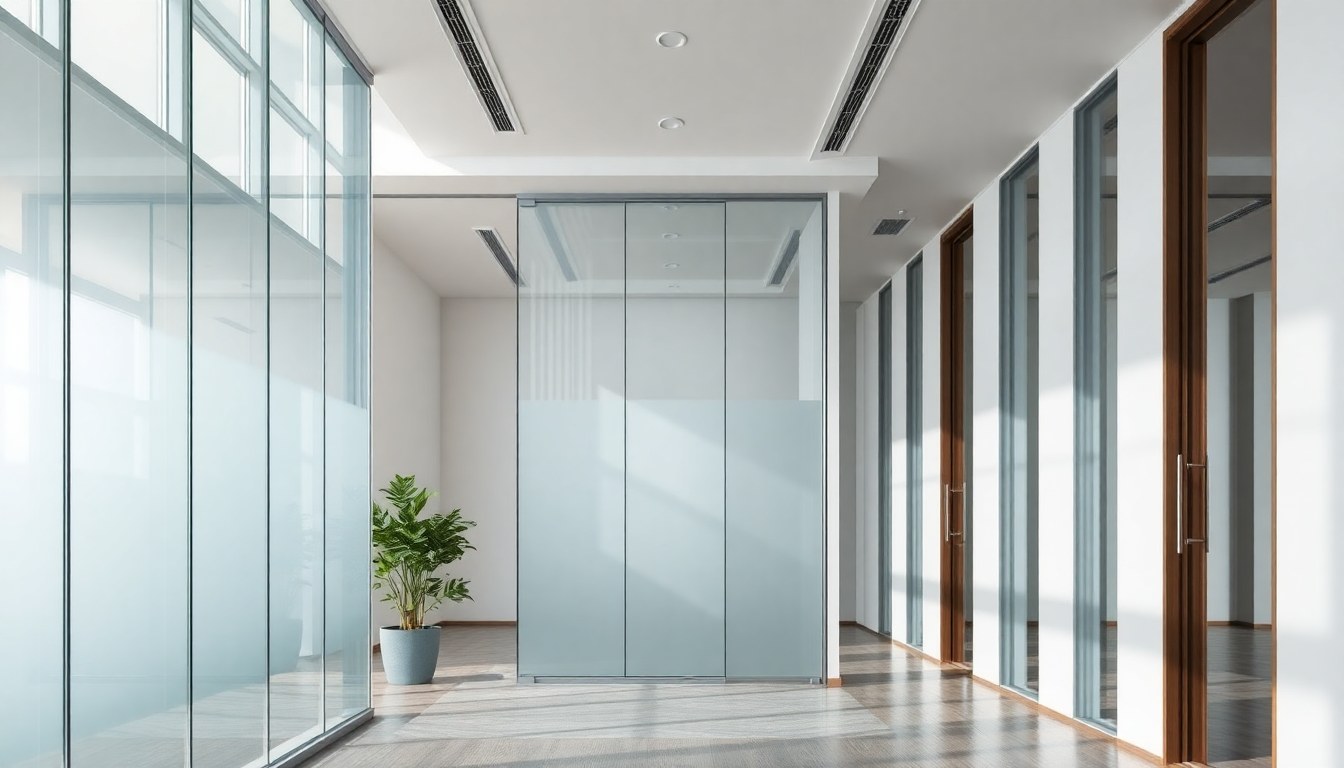
Fluted glass partitions have become increasingly popular in modern office spaces, studios, and music rooms across India, but their acoustic properties often remain misunderstood. While the distinctive reeded patterns look stylish and contemporary, they also interact with sound waves in ways that can meaningfully reduce noise transmission compared to plain glass. This guide explores the science behind fluted glass soundproofing, compares acoustic performance metrics, and helps you choose the right solution for your space.
Understanding Fluted Glass and Sound Transmission
Fluted glass features parallel grooves or reeds running across its surface, typically ranging from 3mm to 8mm in depth. These patterns aren't merely decorative—they physically disrupt how sound waves travel through and around the glass panel. When sound hits a smooth glass surface, it reflects predictably; fluted patterns scatter and diffuse sound energy in multiple directions, reducing the intensity of transmission through the partition.
The acoustic benefit comes from two mechanisms: diffusion and absorption. The grooves create micro-cavities that trap air molecules, which absorb some sound energy. Simultaneously, the uneven surface scatters sound waves rather than allowing them to pass straight through. This dual action makes fluted glass more effective than plain glass at reducing mid-to-high frequency noise—the range most problematic in offices and creative spaces.
Acoustic Performance: Decibel Reduction Comparisons
Sound reduction is measured in decibels (dB), with higher numbers indicating greater noise attenuation. A 10dB reduction is perceived by the human ear as approximately half the loudness. Here's how fluted glass typically performs:
- Plain 6mm glass: 28-30dB noise reduction coefficient (NRC)
- Fluted 6mm glass: 32-35dB NRC
- Fluted 8mm glass: 35-38dB NRC
- Laminated fluted glass (6mm + 6mm): 40-45dB NRC
- Double-glazed fluted units: 45-50dB NRC
The improvement from plain to fluted glass alone—typically 4-8dB—is significant for everyday noise management. For studios and music rooms requiring serious soundproofing, laminated or double-glazed fluted systems provide substantially better performance, often reducing noise by 40-50dB. This means a conversation at 60dB outside the partition would be reduced to 10-20dB inside—barely audible.
Frequency-Specific Performance
Fluted glass excels at reducing high-frequency noise (2,000Hz and above), which includes speech, office chatter, and keyboard sounds. Low-frequency noise (below 500Hz), such as bass music or traffic rumble, requires thicker glass or additional mass to attenuate effectively. For music studios, combining fluted glass with specialized acoustic panels addresses both frequency ranges.
How Reeded Patterns Affect Sound Waves
The effectiveness of fluted glass depends on groove depth, spacing, and pattern orientation. Deeper grooves and wider spacing generally provide better acoustic performance because they create larger cavities for air absorption. A 6mm flute depth is standard in India; premium options reach 8-10mm for enhanced performance.
Pattern orientation matters too. Vertical fluting works well for partition walls, while horizontal or diagonal patterns can offer aesthetic variety without sacrificing acoustic benefits. The orientation doesn't dramatically change performance—the presence of grooves is what counts. Some manufacturers offer bi-directional patterns that provide consistent acoustic properties regardless of sound direction.
One important consideration: fluted glass alone won't achieve the acoustic performance of dedicated soundproofing materials like mineral wool or fiberglass. However, when combined with acoustic backing materials, it becomes a legitimate soundproofing solution that also maintains visual transparency—a key advantage in modern office design.
Best Applications for Studios and Music Rooms
Fluted glass partitions are ideal for several professional environments across India, where space efficiency and noise control are equally important:
Music Production Studios
Recording studios benefit significantly from fluted glass control rooms and isolation booths. The combination of double-glazed fluted glass with acoustic foam backing can reduce external noise by 45-50dB while keeping the control room visually connected to the recording area. This setup costs ₹8,000-₹15,000 per square meter installed, which is reasonable for professional-grade acoustic control.
Podcast and Voice-Over Rooms
For content creators, fluted glass provides adequate isolation for voice recording while allowing natural light and visual monitoring. A single-pane fluted system (₹3,500-₹6,000 per sqm) combined with acoustic door seals typically reduces external noise by 30-35dB—sufficient for most podcast work.
Music Teaching Spaces
Music academies and instrument training rooms use fluted glass to isolate different practice areas without creating dark, enclosed spaces. This encourages student focus while preventing noise bleed between rooms. The visual transparency helps instructors supervise multiple spaces simultaneously.
Office Meeting Rooms
In corporate offices, fluted glass partitions create private meeting spaces with 32-38dB noise reduction, adequate for confidential discussions while maintaining an open-plan aesthetic. They're particularly valuable in Bangalore, Mumbai, and Delhi tech hubs where office density is high.
Choosing the Right Fluted Glass System for Your Needs
Selecting appropriate fluted glass requires evaluating your noise environment, budget, and performance requirements. Start by identifying the primary noise sources: external traffic, adjacent office activity, or internal equipment.
Single vs. Double Glazing
Single-glazed fluted glass (6-8mm) suits general office and light studio use, offering 30-38dB reduction at ₹3,500-₹8,000 per sqm. Double-glazed systems with an air gap (typically 50-100mm) provide superior performance at 45-50dB reduction but cost ₹12,000-₹20,000 per sqm. For professional music studios, double-glazing is worth the investment.
Acoustic Backing Materials
Pairing fluted glass with acoustic backing significantly improves performance. Options include:
- Mineral wool batts (50mm): Adds 8-12dB reduction, costs ₹2,000-₹4,000 per sqm
- Melamine foam: Adds 10-15dB, costs ₹3,000-₹6,000 per sqm
- Fiberglass panels: Adds 12-18dB, costs ₹4,000-₹8,000 per sqm
Installation Considerations
Proper installation is critical for acoustic performance. Gaps around door frames, electrical outlets, or HVAC penetrations can reduce effectiveness by 10-20dB. Use acoustic sealants and gaskets throughout. In India, hiring experienced glass partition installers familiar with acoustic requirements costs ₹500-₹1,500 per running meter but ensures optimal performance.
Real-World Performance and Limitations
While fluted glass improves acoustic performance, it has inherent limitations. Glass is fundamentally a rigid, reflective material; it cannot absorb sound as effectively as soft materials like fabric or foam. For this reason, fluted glass works best as part of a comprehensive acoustic strategy rather than as a standalone solution.
In actual installations across Indian studios and offices, fluted glass typically performs 5-10dB better than plain glass when tested in controlled conditions. Real-world performance varies based on installation quality, surrounding materials, and frequency of noise. A music studio with fluted glass partitions, acoustic panels on walls, and carpeted flooring will achieve significantly better results than fluted glass alone.
Temperature and humidity fluctuations common in Indian climates can affect glass seals over time. Ensure your installation includes proper weatherproofing and maintenance provisions, especially in cities with monsoon seasons.
Cost-Benefit Analysis for Indian Buyers
Comparing fluted glass to alternative soundproofing solutions helps justify the investment. A 10 sqm partition wall costs:
- Plain glass: ₹35,000-₹50,000
- Single fluted glass: ₹50,000-₹80,000
- Double-glazed fluted glass: ₹120,000-₹200,000
- Solid wall with acoustic insulation: ₹150,000-₹300,000
Fluted glass offers superior cost-effectiveness for applications requiring visual transparency. You gain 30-40% better acoustic performance than plain glass for only 40-60% higher cost. If you need a solid wall, you're investing ₹150,000+ and losing transparency entirely.
Frequently Asked Questions
Does fluted glass really reduce sound, or is it just a visual effect?
Fluted glass genuinely reduces sound transmission. Testing shows 4-8dB reduction compared to plain glass, which is meaningful—roughly equivalent to perceiving sound as 30-40% quieter. The grooves scatter sound waves and trap air, creating both diffusion and minor absorption. However, it's not a complete soundproofing solution and works best combined with other acoustic measures.
Which is better for soundproofing: fluted glass or frosted glass?
Fluted glass outperforms frosted glass acoustically. Frosted glass (acid-etched or sandblasted) has a surface texture but lacks the deep grooves of fluted glass. Fluted glass typically provides 5-8dB more noise reduction. If you need both privacy and soundproofing, fluted glass is the superior choice.
Can fluted glass partitions handle bass frequencies in music studios?
Fluted glass alone struggles with low-frequency bass (below 500Hz). You'll need thicker glass (10mm+), double-glazing with larger air gaps, or additional mass like acoustic panels and bass traps. A professional music studio should combine double-glazed fluted glass with dedicated bass absorption solutions.
What thickness of fluted glass is recommended for office soundproofing?
For typical office environments, 6mm fluted glass provides adequate performance (32-35dB reduction). If noise levels are high or you need greater privacy, upgrade to 8mm (35-38dB) or double-glazed systems. Thicker isn't always better—proper installation and acoustic backing matter more than raw glass thickness.
How long does fluted glass last, and does it require maintenance?
Quality fluted glass partitions last 15-20+ years with minimal maintenance. Regular cleaning with mild soap and water preserves appearance. Check seals and gaskets annually, especially in high-humidity areas or after monsoons. Replace weatherstripping if gaps develop, as this compromises acoustic performance.
Conclusion and Next Steps
Fluted glass partitions deliver genuine acoustic improvements—typically 4-8dB over plain glass—making them a practical soundproofing solution for studios, music rooms, and offices across India. When combined with proper installation, acoustic backing materials, and complementary treatments, they rival more expensive alternatives while maintaining visual transparency and aesthetic appeal.
Ready to explore fluted glass partition options for your space? Browse verified glass suppliers, manufacturers, and installation specialists on glassy.in, India's largest glass-business directory. Compare quotes, read reviews, and connect with experts who understand acoustic requirements for your specific application.