
Glass Partitions
Frosted Glass vs Textured Glass for Office Cabin Walls: Which Blocks Glare Better?
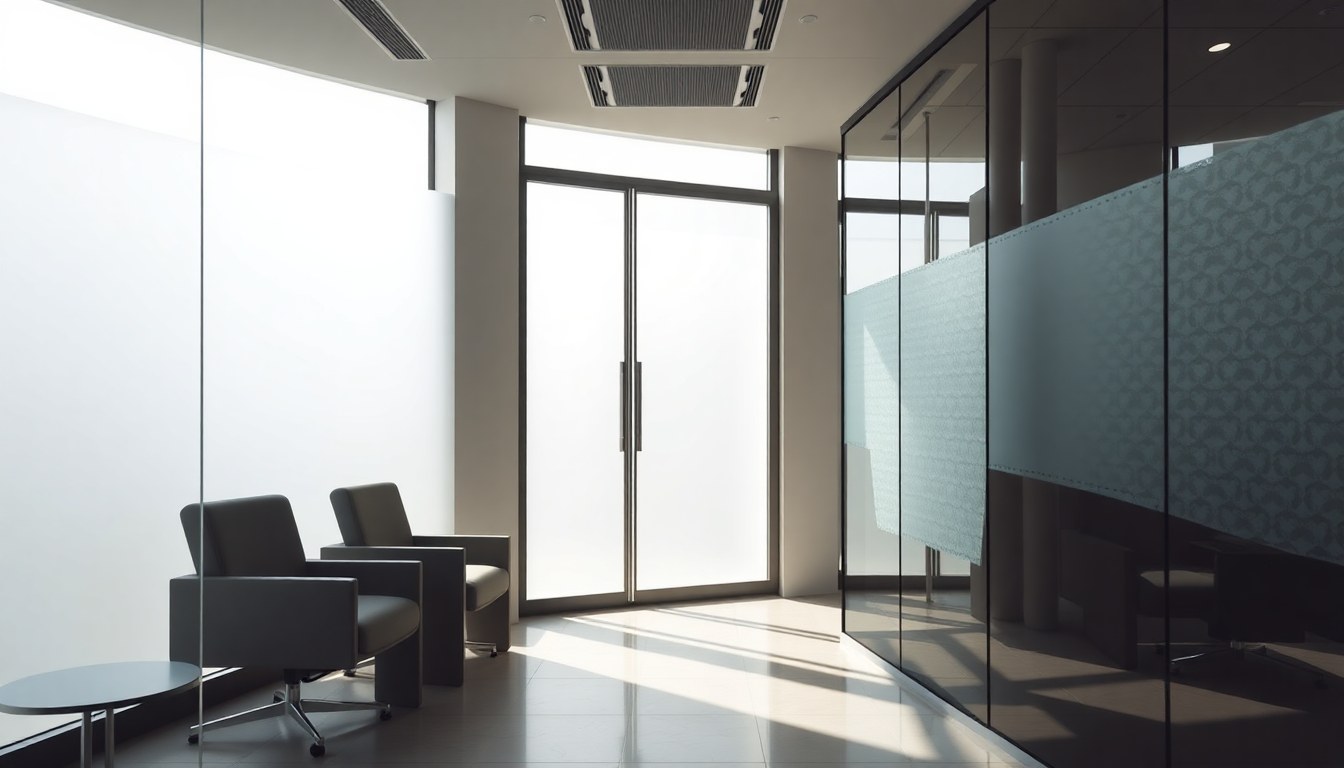
Open office layouts have become the norm, but privacy and glare control remain persistent challenges for workspace design. Both frosted glass and textured glass offer solutions for office cabin walls, yet they perform differently when it comes to blocking glare, maintaining visibility, and sustaining long-term durability. Understanding the distinctions between these two finishes will help you make an informed decision that aligns with your office environment, budget, and aesthetic preferences.
Understanding Frosted Glass: How It Works
Frosted glass is created through an acid-etching or sandblasting process that removes the glass's smooth surface, creating a uniform, opaque finish. This manufacturing method scatters light diffusely across the surface, which effectively reduces direct glare while maintaining some degree of light transmission into the cabin. The result is a semi-transparent appearance where shapes and movement are visible, but fine details remain obscured—ideal for maintaining a sense of openness without compromising privacy.
The frosting process is permanent and uniform, meaning the finish won't degrade or become patchy over time. Frosted glass typically allows 10-40% of light to pass through, depending on the depth of the etching and the quality of the glass. This characteristic makes it particularly effective in spaces where natural light penetration is important but direct sunlight glare needs to be minimized.
Light Diffusion in Frosted Glass
Frosted glass excels at diffusing harsh light evenly across its surface. Instead of allowing direct rays to pass through and create bright spots or shadows, the etched surface breaks up light into scattered particles. This reduces eye strain for occupants on both sides of the partition and creates a softer, more diffused illumination within the cabin. For offices near windows or under bright overhead lighting, frosted glass can significantly improve visual comfort.
Understanding Textured Glass: Surface Patterns and Performance
Textured glass is manufactured by pressing molten glass against a patterned roller or mold, creating raised and recessed patterns on the surface. Unlike frosted glass, textured glass retains its transparency to varying degrees depending on the pattern design. Common textures include rain patterns, linear designs, and geometric motifs. The depth and complexity of the texture directly influence how much light is diffused and how much privacy is achieved.
Textured glass offers greater design flexibility because patterns can be customized or selected from a wide range of pre-designed options. This makes it popular among architects and interior designers seeking to balance functionality with aesthetic appeal. Depending on the texture depth, textured glass can allow 30-70% of light to pass through, offering more light transmission than heavily frosted options but with added visual interest.
Glare Reduction with Textured Surfaces
The effectiveness of textured glass at blocking glare depends on the pattern's depth and density. Shallow textures may provide minimal glare reduction, while deeper, more intricate patterns scatter light more effectively. However, textured glass generally performs differently than frosted glass—it may create subtle shadows or patterns within the light beam rather than achieving the uniform diffusion that frosted glass provides. For offices requiring maximum glare control, the texture choice becomes critical.
Glare Blocking: Direct Comparison
When comparing glare reduction directly, frosted glass typically outperforms standard textured glass because of its uniform surface treatment. Frosted glass's consistent etching ensures that light is scattered evenly in all directions, eliminating hot spots and harsh reflections. This makes it the superior choice for offices with significant natural light exposure or those positioned near bright external surfaces.
Textured glass, while effective at reducing some glare, may not eliminate it completely. Shallow textures, in particular, allow more direct light transmission and may create patterned shadows rather than true diffusion. However, deeper textures can approach frosted glass performance levels. The choice between the two should consider your specific lighting conditions:
- High glare environments: Frosted glass is generally the better option
- Moderate glare with design priorities: Textured glass offers a compromise
- Low glare environments: Either option works, so aesthetics can guide the decision
Privacy and Visibility: What You Actually See
Privacy performance differs significantly between these two finishes. Frosted glass provides consistent privacy because its uniform etching obscures details equally across the entire surface. Silhouettes and movement are visible, but facial features and small objects remain hidden. This makes frosted glass ideal for spaces where you want occupants to know someone is present without being able to see specific details.
Textured glass privacy depends entirely on the pattern. A deeply textured surface can provide privacy comparable to frosted glass, while a lightly textured surface may offer minimal privacy. Some textured patterns create areas of higher and lower opacity, meaning privacy varies across the glass surface. If consistent privacy is essential, frosted glass is the more reliable choice. If you're willing to accept variable privacy levels in exchange for design flexibility, textured glass offers alternatives.
Cleaning, Maintenance, and Long-Term Durability
Maintenance differences between frosted and textured glass are significant and often overlooked during the selection process. Frosted glass's uniform surface is relatively easy to clean—water and standard glass cleaner remove fingerprints, dust, and smudges effectively. However, over time, the etched surface can accumulate grime in its microscopic pores, requiring occasional deeper cleaning with specialized products.
Textured glass presents greater cleaning challenges because dust and debris accumulate in the pattern's recesses. Cleaning requires more effort and specialized techniques to reach into textured areas without causing damage. In high-traffic office environments, textured glass may require more frequent professional cleaning, which increases maintenance costs over the partition's lifetime. For busy offices, this is an important consideration.
Durability and Surface Degradation
Both frosted and textured glass are permanent finishes that won't peel, fade, or degrade under normal office conditions. However, frosted glass can be susceptible to scratching if abrasive materials are used during cleaning. Textured glass's raised patterns provide some protection against visible scratching because scratches blend into the texture. In high-contact areas, textured glass may show fewer visible signs of wear, though this is a minor advantage.
Cost Analysis: Frosted vs Textured Glass
Pricing for frosted and textured glass varies based on quality, thickness, and supplier, but general cost comparisons provide useful guidance. Standard frosted glass typically costs between ₹800 to ₹1,500 per square meter for basic acid-etched finishes. Textured glass generally ranges from ₹900 to ₹1,800 per square meter, depending on pattern complexity and import status. Custom textures or imported patterns command premium prices.
Installation costs are comparable for both options, though textured glass may require slightly more careful handling due to its raised patterns. Long-term cost considerations should include maintenance—frosted glass's easier cleaning may result in lower lifetime maintenance expenses. For large office installations, this difference can accumulate significantly. Consult with experienced glass suppliers like New Ganesh Glass & Aluminum or GLASS CONSORTIUM to obtain accurate quotes for your specific project.
Budget Recommendations
If budget is the primary constraint, both options are affordable relative to other privacy solutions. Frosted glass offers better value for high-glare environments because its superior performance reduces the need for additional glare-control measures like blinds or screens. Textured glass provides better value when design aesthetics are equally important as functionality, as it offers more visual variety without significant cost premiums.
Design Integration and Aesthetic Considerations
Frosted glass presents a clean, minimalist aesthetic that works well in contemporary and modern office environments. Its uniform appearance creates visual consistency across multiple partitions and integrates seamlessly with glass walls and transparent elements. Frosted glass is particularly effective in spaces designed by forward-thinking architects like LINEAR ARCHITECTS, who prioritize both function and understated elegance.
Textured glass offers greater design flexibility and visual interest. Patterns can complement office branding, create focal points, or add subtle sophistication to workspace design. Interior designers frequently specify textured glass to achieve specific aesthetic goals. Firms like cube interiors often integrate textured glass into comprehensive office design schemes where the partition itself becomes a design element rather than merely functional.
Which Should You Choose? Decision Framework
Your choice between frosted and textured glass should be guided by your specific priorities:
- Maximum glare reduction: Choose frosted glass for its superior, uniform light diffusion
- Design-forward aesthetics: Choose textured glass for pattern options and visual interest
- Low maintenance: Choose frosted glass for easier cleaning and reduced grime accumulation
- Consistent privacy: Choose frosted glass for uniform obscuration across the entire surface
- Cost sensitivity: Compare quotes; both are competitively priced, so performance should guide the decision
- Mixed priorities: Consult design professionals who can recommend hybrid solutions or specific texture depths
For most office cabin applications, frosted glass emerges as the stronger performer for glare reduction and privacy, while textured glass excels when design aesthetics are equally weighted with functionality.
Frequently Asked Questions
Does frosted glass block glare better than textured glass?
Yes, frosted glass generally blocks glare more effectively than standard textured glass. Frosted glass's uniform etched surface scatters light evenly in all directions, eliminating hot spots and harsh reflections. Textured glass's performance depends on pattern depth—deeper textures approach frosted glass performance, but shallow textures provide less effective glare reduction. For high-glare environments, frosted glass is the more reliable choice.
Which is easier to clean: frosted or textured glass?
Frosted glass is easier to clean because its uniform surface allows water and standard glass cleaner to work effectively. Textured glass requires more effort because dust and debris accumulate in the pattern's recesses, necessitating specialized cleaning techniques or professional services. In high-traffic offices, textured glass may incur higher maintenance costs over time.
How much light passes through frosted vs textured glass?
Frosted glass typically allows 10-40% of light to pass through, depending on etching depth. Textured glass generally permits 30-70% of light transmission, depending on pattern complexity. If light transmission is important for your office, textured glass usually allows more natural light penetration, while frosted glass prioritizes glare reduction over light quantity.
Is textured glass more expensive than frosted glass?
Textured glass is typically slightly more expensive than basic frosted glass, ranging from ₹900-₹1,800 per square meter compared to frosted glass at ₹800-₹1,500 per square meter. However, prices vary significantly based on pattern complexity, glass quality, and supplier. Custom or imported textures command premium prices. For accurate pricing, contact local glass suppliers for detailed quotes.
Can frosted or textured glass be applied to existing glass partitions?
Frosted and textured finishes are typically applied during glass manufacturing and cannot be easily retrofitted to existing clear glass. However, frosted and textured films are available as aftermarket solutions that can be applied to existing partitions, though film durability and appearance differ from permanent glass treatments. For new installations or major renovations, permanent finishes are recommended.
Find the Perfect Glass Solution for Your Office
Choosing between frosted and textured glass for your office cabin walls requires balancing glare reduction, privacy, maintenance, design, and budget considerations. Frosted glass excels at blocking glare and simplifying maintenance, while textured glass offers design flexibility and variable light transmission. Visit glassy.in, India's largest glass-business directory, to connect with experienced glass suppliers, architects, and interior designers in your region. Whether you need expert consultation, custom specifications, or competitive quotes, our directory connects you with trusted professionals who understand office glass solutions.