
Glass Partitions
Fluted Glass Partitions: Diffused Light & Modern Aesthetics Explained
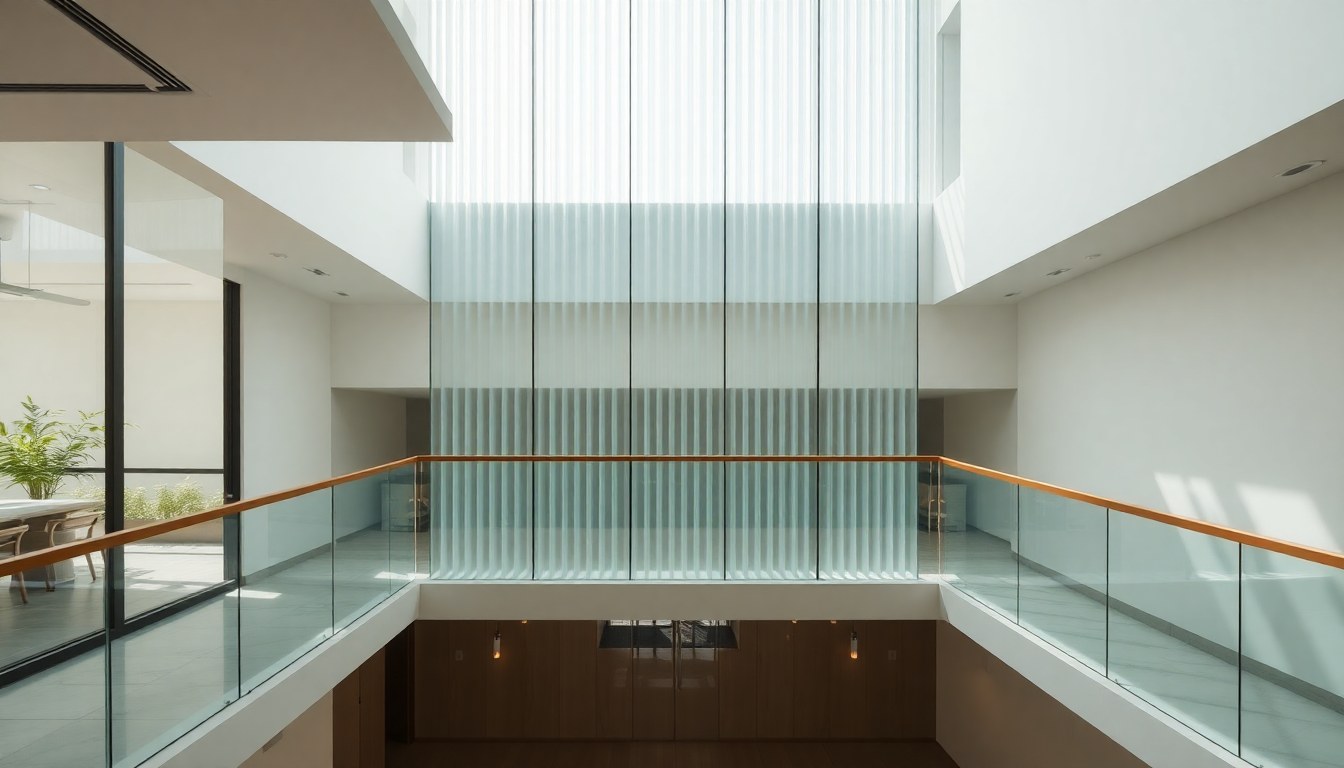
Fluted glass partitions have become a go-to solution for architects and interior designers seeking to balance privacy with natural light in contemporary spaces. Unlike solid walls that block daylight entirely or frameless clear glass that offers no visual privacy, fluted (or reeded) glass creates a sophisticated middle ground—diffusing light while obscuring direct sightlines. Whether you're designing a corporate office, retail showroom, or residential space, understanding how fluted glass works and when to use it can transform your project's functionality and visual appeal.
What Is Fluted Glass and How Does It Work?
Fluted glass, also known as reeded glass, features a series of parallel vertical or horizontal ridges molded into its surface during manufacturing. These ridges refract and scatter light as it passes through, creating a soft, diffused illumination rather than the harsh glare you'd get from clear glass. The depth and spacing of the flutes determine the degree of light diffusion and the level of visual obscurity.
The mechanism is straightforward: light rays hit the curved surfaces of the ridges and bend in multiple directions, breaking up direct sight lines while maintaining overall brightness. This means a room with fluted glass partitions stays naturally lit without feeling like a fishbowl. The effect is particularly valuable in open-plan offices where you want to define zones without creating dark, enclosed spaces.
Types of Flute Patterns
- Vertical flutes: The most common orientation, running floor to ceiling. They create elegant vertical lines that draw the eye upward and suit contemporary design.
- Horizontal flutes: Less common but equally effective, these run left to right and work well in modern minimalist schemes.
- Diamond or crosshatch patterns: Flutes that intersect, offering higher privacy but less light transmission.
- Subtle vs. bold flutes: Fine ridges provide gentle diffusion; deeper flutes offer stronger privacy and more dramatic light scattering.
Privacy Levels: What Fluted Glass Actually Obscures
A common misconception is that fluted glass provides complete privacy. In reality, it offers partial visual privacy—often sufficient for office partitions and residential bathrooms, but not absolute concealment. Someone on the other side can see movement, shadows, and general shapes, but cannot discern facial features or read documents clearly. This makes it ideal for situations where you want to maintain an open, connected feel while preventing direct eye contact and detailed visibility.
Privacy effectiveness depends on several factors: the depth of the flutes, the lighting conditions on each side of the partition, and the viewing angle. A room with bright artificial lighting on one side and dim lighting on the other will have reduced privacy on the brighter side. For applications requiring complete privacy—such as executive offices or medical consultation rooms—fluted glass works best when combined with frosted or opaque sections, or used alongside heavier window treatments.
Privacy Comparison Chart
- Clear glass: No privacy; full visibility.
- Fluted glass: Partial privacy; obscures details but allows silhouettes.
- Frosted glass: Near-complete privacy; allows light but blocks all detail.
- Solid walls: Total privacy; no light transmission.
Fluted Glass vs. Frameless Clear Glass: Cost and Performance
The cost difference between fluted and clear glass is modest, making fluted glass an attractive upgrade for most budgets. Clear glass partitions typically cost between ₹3,500 to ₹5,500 per square meter for basic frameless installations in India, while fluted glass ranges from ₹4,500 to ₹7,000 per square meter depending on the flute pattern and glass thickness. The price premium of 20–40% is justified by the added functionality: you gain privacy and light diffusion without losing the openness that makes glass partitions popular.
Installation costs are nearly identical, as both require the same framing systems and hardware. The real difference emerges in long-term value. Fluted glass reduces the need for blinds, curtains, or frosting treatments, potentially saving money on window coverings. It also performs better in glare-prone environments—such as spaces with south-facing windows—by naturally softening harsh sunlight without requiring constant adjustment of shades.
When Clear Glass Wins
Clear glass remains the better choice if your priority is maximum transparency and an unobstructed view. Design studios, galleries, and high-end retail spaces often prefer clear glass to showcase products or maintain visual continuity. Clear glass also photographs better for marketing materials and feels more spacious in very small areas.
Best Applications: Offices, Homes, and Commercial Spaces
Fluted glass partitions excel in several real-world scenarios. In corporate offices, they define meeting rooms and private workspaces while preserving the collaborative, open-plan aesthetic. Employees can focus without feeling isolated, and natural light reaches deep into the floor plan. Many mid-size companies partnering with architects like Vastulinear Pvt Ltd have reported improved employee satisfaction after switching from solid partitions to fluted glass.
In residential settings, fluted glass works beautifully for bathroom enclosures, creating a spa-like atmosphere while maintaining privacy. It's also popular for home offices separated from living areas, allowing natural light to flow while reducing visual and acoustic distractions. Retail showrooms benefit from fluted glass fitting rooms, which feel more upscale than curtained booths while protecting customer privacy.
Sector-Specific Use Cases
- Corporate offices: Meeting rooms, executive suites, and focus zones.
- Healthcare: Patient consultation rooms, administrative offices, and waiting areas.
- Hospitality: Hotel room partitions, spa areas, and private dining spaces.
- Residential: Bathrooms, home offices, and bedroom partitions in open-plan homes.
- Retail: Fitting rooms, stockrooms, and back-office areas.
- Education: Classroom dividers and office partitions in schools and universities.
Design Aesthetics and Integration with Modern Interiors
Fluted glass has a distinctly contemporary look that complements minimalist, industrial, and Scandinavian design styles. The vertical lines add visual interest without clutter, and the soft diffusion of light creates a calming, sophisticated ambiance. Architects and designers working on high-end projects increasingly specify fluted glass as a premium alternative to standard clear glass, particularly when collaborating with firms like Studio ARCPLUS CONSTRUCTION that prioritize aesthetic refinement.
Fluted glass pairs well with metal framing—aluminum, steel, or brass—which emphasizes its modern character. It also works with natural wood frames for a warmer, more organic feel. The key is consistency: if your space uses other textured materials like exposed brick or raw concrete, fluted glass complements rather than competes with these elements.
Color and Tinting Options
While clear fluted glass is standard, manufacturers also offer tinted and colored fluted glass in shades like gray, bronze, and blue. These options enhance privacy further and are particularly useful in spaces with excessive solar heat gain. Tinted fluted glass costs slightly more (₹5,500–₹8,500 per square meter) but provides superior thermal control and a more dramatic aesthetic impact.
Installation, Maintenance, and Durability
Fluted glass partitions are installed using the same methods as clear glass: either frameless systems with specialized clamps or framed systems with aluminum or steel channels. The fluted surface does not complicate installation or require special handling. Thickness typically ranges from 8mm to 12mm, with 10mm being the standard for most commercial applications.
Maintenance is straightforward but requires attention to the fluted surface. Regular cleaning with a soft cloth and mild glass cleaner keeps fluted glass looking pristine. The ridges can trap dust and water spots more readily than smooth glass, so wiping down partitions weekly is recommended in dusty environments or areas with hard water. Professional cleaning services are available in major Indian cities and cost roughly ₹300–₹600 per partition per visit.
Durability is excellent. Quality fluted glass withstands daily use for 20+ years without degradation. It is just as impact-resistant as clear glass of the same thickness and meets Indian safety standards (IS 2553 for toughened glass). If a panel breaks, replacement is straightforward and costs only slightly more than clear glass replacement.
Cost Breakdown and Budget Planning
When budgeting for fluted glass partitions, consider these components:
- Glass material: ₹4,500–₹7,000 per sq. m for standard fluted glass.
- Framing system: ₹2,000–₹4,000 per sq. m (aluminum or steel).
- Hardware and fittings: ₹1,500–₹3,000 per sq. m (hinges, handles, locks).
- Installation labor: ₹2,000–₹4,000 per sq. m.
- Total installed cost: ₹10,000–₹18,000 per sq. m for a complete partition system.
A typical office partition wall measuring 3m high × 4m wide (12 sq. m) would cost approximately ₹1,20,000–₹2,16,000 installed. This represents a 15–25% premium over clear glass but delivers measurable benefits in privacy, light quality, and design sophistication.
Frequently Asked Questions
Does fluted glass reduce noise?
Fluted glass provides minimal acoustic insulation compared to solid walls. While the surface texture may absorb or scatter very high-frequency sounds slightly, it does not meaningfully reduce speech or office noise. For sound control, pair fluted glass with acoustic panels, or specify laminated glass with an acoustic interlayer (₹8,000–₹12,000 per sq. m).
Can fluted glass be frosted or etched further?
Yes. Frosting or etching fluted glass increases privacy while maintaining light diffusion. The process adds ₹1,500–₹2,500 per sq. m to the cost but creates a more opaque, elegant appearance. This is popular for executive offices and high-end residential bathrooms.
Is fluted glass suitable for exterior applications?
Fluted glass can be used externally, but it is less common due to maintenance challenges and reduced thermal efficiency compared to modern double-glazed units. For exterior use, specify toughened fluted glass and ensure proper weatherproofing with quality sealants. Consult architects like Scale Architects for climate-specific recommendations.
What is the difference between fluted and reeded glass?
Fluted and reeded glass are the same product—the terms are used interchangeably in the industry. Both refer to glass with parallel ridges molded into the surface. Some manufacturers use "reeded" for finer ridges and "fluted" for deeper ones, but there is no strict standard.
How does fluted glass perform in very bright sunlight?
Fluted glass effectively diffuses direct sunlight, reducing glare and heat gain. However, in extremely bright conditions (such as south-facing windows in India), combining fluted glass with a light-colored or reflective film further improves comfort. Tinted fluted glass (gray or bronze) is an excellent option for solar-intensive climates.
Conclusion: Making the Right Choice for Your Project
Fluted glass partitions represent a smart investment for any project prioritizing both aesthetics and functionality. They deliver the openness and light transmission of glass while providing practical privacy and reducing glare—qualities that clear glass alone cannot match. Whether you're designing a modern office, residential space, or commercial venue, fluted glass offers a sophisticated solution that balances transparency with discretion.
The modest cost premium over clear glass is offset by reduced need for blinds, improved visual comfort, and the timeless elegance of the design. With proper installation and routine maintenance, fluted glass partitions will serve your space beautifully for decades.
Ready to explore fluted glass options for your next project? Browse verified glass suppliers, architects, and interior designers on glassy.in—India's largest glass-business directory. Find trusted professionals in your city, compare quotes, and connect with experts who understand how to maximize light and privacy in your space.