
Glass Guides
False Ceiling Glass Panels: Load-Bearing Design & Installation Safety
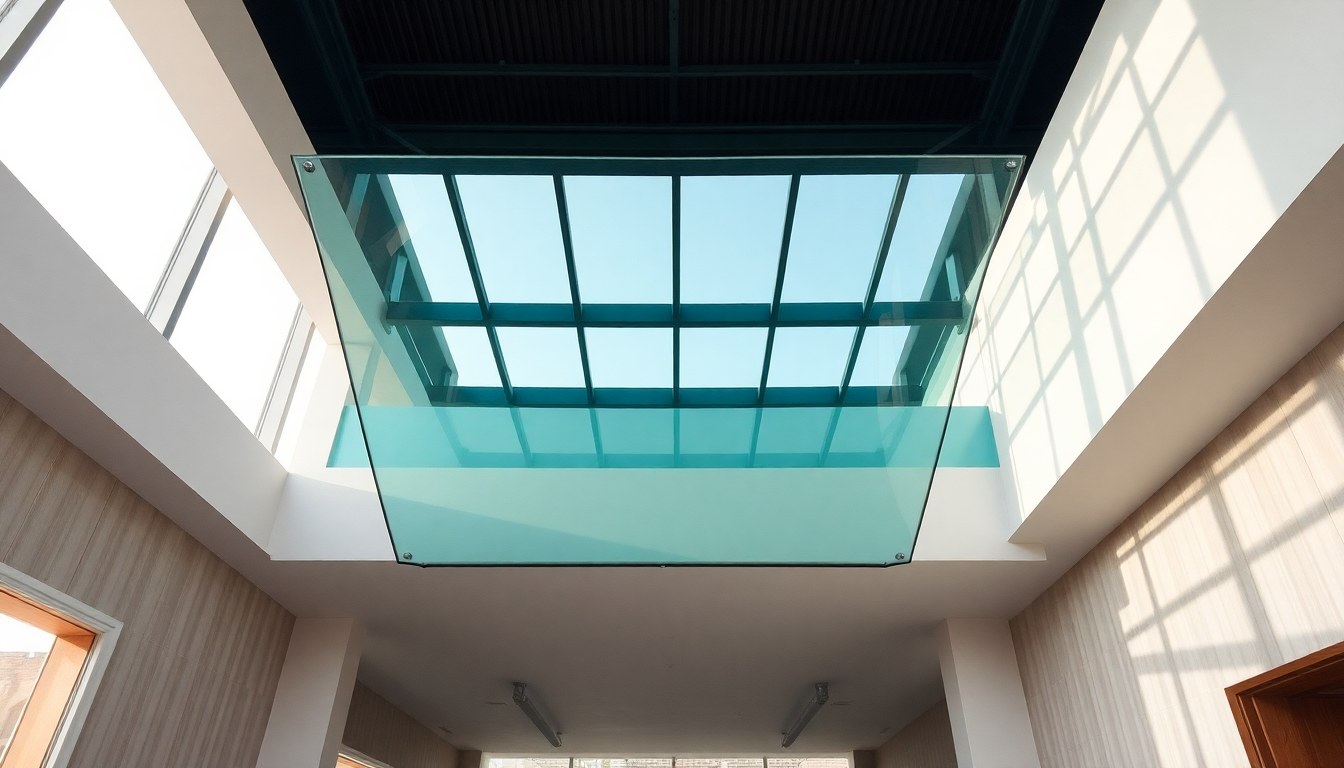
False ceiling glass panels have become a popular choice in modern Indian commercial spaces, offering transparency, light diffusion, and a contemporary aesthetic. However, their installation demands rigorous structural planning—understanding load-bearing capacity, suspension systems, and safety codes is essential to prevent costly failures and ensure occupant safety. This guide walks you through the critical design and installation considerations for suspended glass ceiling tiles in offices, retail stores, and hospitality venues.
Understanding Load-Bearing Capacity of Glass Ceiling Panels
The load-bearing capacity of false ceiling glass panels depends on several factors: glass thickness, type (tempered vs. annealed), panel dimensions, and the quality of the suspension system. Most commercial-grade tempered glass ceiling tiles range from 6mm to 12mm in thickness, with 8mm being the industry standard for typical office environments. A single 8mm tempered glass panel (approximately 600mm × 600mm) can typically support 50–80 kg of distributed weight, though this varies by manufacturer and installation method.
Weight distribution is more critical than total weight. Unlike traditional suspended ceiling systems that spread load evenly across a grid, glass panels concentrate stress at mounting points. Engineers must calculate not only the weight of the glass itself but also any fixtures, lights, or HVAC components attached to or resting on the panel. In India, where ambient temperatures and humidity fluctuate significantly, thermal expansion and contraction also affect load capacity over time.
Factors Affecting Load Capacity
- Glass thickness: Thicker glass (10–12mm) handles higher loads; thinner panels (6mm) suit lighter installations.
- Tempered vs. annealed: Tempered glass is 4–5 times stronger and preferred for suspended ceilings.
- Panel size: Larger panels (1200mm × 1200mm) distribute load differently than smaller tiles; consult structural engineers.
- Mounting system: Mechanical clips, silicone bonding, or frame-based suspension each have different load ratings.
- Environmental factors: Heat, humidity, and seismic activity in regions like Mumbai, Delhi, or Bangalore affect long-term performance.
Support Frame Design and Suspension Systems
The suspension frame is the backbone of any false ceiling glass installation. In India, the most common systems are aluminum T-grid frameworks and stainless steel cable suspension systems. T-grid systems use lightweight aluminum channels to create a modular grid, offering simplicity and cost-effectiveness. Cable systems, suspended from structural steel beams above, provide a more minimalist appearance and are ideal for high-ceiling spaces like shopping malls or atriums.
Frame design must account for the building's structural capacity. Load calculations should be performed by a qualified structural engineer, considering the total weight of all glass panels, fixtures, and safety margins (typically 1.5 to 2 times the expected load). In seismic zones—such as parts of Himachal Pradesh, Uttarakhand, or the northeastern states—the frame must include lateral bracing to resist horizontal movement. Aluminum frames should be treated with anti-corrosion coatings, especially in coastal areas like Chennai or Goa where salt spray accelerates degradation.
Common Suspension Methods
- Aluminum T-grid: Cost-effective, modular, easy to maintain. Typical load capacity: 40–60 kg per panel.
- Stainless steel cable suspension: Sleek appearance, higher load capacity (up to 150 kg per cable), suitable for premium installations.
- Mechanical clip systems: Direct mounting to structural frame; requires precision alignment and professional installation.
- Silicone-bonded systems: Minimalist look, no visible fasteners; requires expert application and is costlier (₹800–₹1,500 per sq. ft. vs. ₹400–₹800 for T-grid).
Fire Ratings and Safety Compliance
Fire safety is non-negotiable in commercial buildings across India. False ceiling systems must comply with the National Building Code (NBC) of India, which mandates specific fire ratings for interior finishes. Tempered glass itself is non-combustible, but the frame, fasteners, and any insulation or acoustic backing must also meet fire standards.
In India, fire ratings are classified as per IS 1644:2017 (Indian Standard for Fire Safety). Most commercial spaces require a minimum Class A or Class B rating. Glass panels used in false ceilings should be certified by accredited testing laboratories such as CSIR-CBRI (Central Building Research Institute) or equivalent. Additionally, false ceilings must not obstruct fire detection systems (smoke detectors, sprinklers) and should allow safe evacuation routes. Building codes in cities like Mumbai, Bangalore, and Pune often impose stricter requirements for high-rise structures.
Key Safety Compliance Points
- Use only tempered glass certified to IS 16752:2018 (safety requirements for toughened safety glass).
- Ensure the suspension frame is fire-rated and tested per NBC guidelines.
- Install fall protection measures if the ceiling height exceeds 3 meters.
- Maintain a minimum 600mm clearance above the glass for fire dampers and HVAC access.
- Obtain structural approval from the local municipal authority before installation.
Installation Best Practices for Commercial Spaces
Proper installation is as critical as design. In India's diverse climate—from humid coastal regions to dry northern plains—installation must account for thermal movement and humidity fluctuations. Glass expands and contracts with temperature changes; inadequate spacing or rigid fastening can cause stress fractures over months or years.
Begin with a detailed site survey. Measure the structural beam spacing, check for levelness (use laser levels), and verify electrical and HVAC layouts. In many Indian commercial buildings, existing services (pipes, cables, ducts) run through ceiling cavities; coordinate with all trades to avoid conflicts. Install the suspension frame first, ensuring it is properly leveled and anchored to the structural frame with appropriate fasteners (typically M10 or M12 bolts for T-grid systems). Leave 10–15mm expansion gaps around the perimeter of the false ceiling to accommodate thermal movement.
Step-by-Step Installation Process
- Structural verification: Confirm load-bearing capacity with the building engineer; obtain written approval.
- Frame installation: Install the suspension frame, ensuring it is level (tolerance: ±5mm over 10 meters).
- Glass panel placement: Lay panels gently; avoid dragging or sliding, which can cause micro-fractures.
- Fastening: Use appropriate clips or silicone, ensuring no over-tightening (which causes stress concentration).
- Testing: Perform a visual inspection and a gentle load test (press on panels to confirm stability).
- Documentation: Keep records of materials used, certifications, and installation date for future maintenance.
Cost Considerations and Material Selection in India
False ceiling glass panel costs in India vary widely based on glass type, thickness, and frame system. Tempered glass tiles (8mm, 600×600mm) typically cost ₹500–₹1,000 per sq. ft., while aluminum T-grid frames range from ₹200–₹400 per sq. ft. Premium installations using stainless steel cables or silicone bonding can reach ₹1,500–₹2,500 per sq. ft. Labor costs vary by city; Delhi and Mumbai command higher rates (₹150–₹300 per sq. ft.) than tier-2 cities like Pune or Hyderabad (₹80–₹150 per sq. ft.).
When selecting materials, prioritize quality and certification over cost savings. Cheaper, non-tempered glass or uncertified frames pose safety risks. Request Material Safety Data Sheets (MSDS) and fire test certificates from suppliers. In India, reputable glass manufacturers often provide extended warranties (5–10 years) and maintenance support, which justify the higher upfront investment. Building owners in commercial hubs like Bangalore's IT corridor or Mumbai's business districts increasingly prefer locally sourced materials that comply with Indian standards, reducing lead times and supporting local suppliers.
Maintenance and Long-Term Durability
False ceiling glass panels require minimal maintenance but benefit from periodic inspection. Clean panels quarterly with a soft, lint-free cloth and mild glass cleaner; avoid abrasive materials that scratch the surface. In humid climates (coastal cities, monsoon regions), check for moisture accumulation in the cavity above the ceiling, which can corrode aluminum frames or weaken fasteners over time.
Inspect the suspension system annually for signs of sagging, corrosion, or loose fasteners. If a panel cracks, replace it immediately—a damaged tempered glass panel loses its safety properties and can shatter unpredictably. Document all maintenance activities and keep records of repairs; this is essential for compliance audits and insurance claims. In seismic zones, conduct structural inspections every 3–5 years to ensure the frame remains secure.
Frequently Asked Questions
Can false ceiling glass panels support the weight of HVAC ducts and lighting fixtures?
Yes, but only if the design accounts for this load. Standard T-grid systems can support 40–60 kg per panel when properly installed. If you plan to attach ducts or heavy fixtures, consult a structural engineer to verify capacity and reinforce the frame accordingly. Stainless steel cable suspension systems can handle higher loads (up to 150 kg per cable) and are better suited for equipment-heavy installations.
What is the difference between tempered and annealed glass for false ceilings?
Tempered glass is heat-treated to be 4–5 times stronger than annealed glass and shatters into small, harmless fragments if broken—making it the safety standard for suspended ceilings. Annealed glass is cheaper but breaks into large, sharp shards and is not recommended for overhead installations. Indian building codes (NBC and IS 16752:2018) mandate tempered glass for false ceiling applications in commercial spaces.
How do thermal expansion and humidity affect glass ceiling panels in India?
Glass expands when heated and contracts when cooled. In India's tropical and subtropical climates, temperature swings and humidity fluctuations can cause panels to move 1–2mm annually. Proper installation includes 10–15mm expansion gaps around the perimeter and flexible fastening systems that accommodate movement without creating stress. Silicone-bonded systems are particularly effective in humid regions because the silicone absorbs minor movement.
Are false ceiling glass panels fire-safe?
Glass itself is non-combustible, but the entire system—frame, fasteners, and backing materials—must meet fire safety standards. In India, false ceilings must comply with IS 1644:2017 and the National Building Code. Ensure your installation uses fire-rated frames, certified tempered glass, and maintains clearances for fire detection systems. Obtain written fire safety approval from your local municipal authority before installation.
What is the typical lifespan of a false ceiling glass panel system?
With proper installation and maintenance, false ceiling glass panels last 20–30 years or more. The glass itself is extremely durable; degradation typically occurs in the suspension frame (corrosion of aluminum or steel) or fasteners in high-humidity environments. Regular inspection, prompt repairs, and appropriate material selection (stainless steel in coastal areas, corrosion-resistant coatings) extend the system's lifespan significantly.
False ceiling glass panels offer a sophisticated, light-filled aesthetic for modern commercial spaces, but their success depends on meticulous planning and professional installation. Whether you're designing an office in Bangalore, a retail outlet in Mumbai, or a hospitality venue in Delhi, prioritize structural integrity, fire safety, and compliance with Indian building codes. Browse the glassy.in directory to connect with certified glass suppliers, structural engineers, and installation experts across India who specialize in false ceiling systems. Your project's safety and longevity depend on choosing the right partners.