
Electrochromic Glass: How It Works and Shapes the Future
How Electrochromic Glass Works (and Why It’s the Future)
In the ever-evolving worlds of art, architecture, and sustainable design, electrochromic glass has emerged as a groundbreaking innovation. Combining cutting-edge technology with striking aesthetic appeal, this dynamic material is redefining how we use glass in spaces ranging from modern interiors to large-scale buildings. What sets electrochromic glass apart from ordinary glass? Its ability to adapt – intelligently and seamlessly – to changing environments. In this article, we’ll explore how electrochromic glass works, its applications in art and design, and why it is poised to be a defining feature of future architecture.
What Is Electrochromic Glass?
At its core, electrochromic glass is a smart material capable of switching between transparency and various levels of opacity with the application of an electric charge. Unlike traditional static glass, electrochromic glass is dynamic. It can control its tint to manage light transmission and heat without the use of blinds, curtains, or film. This flexibility not only offers functional benefits but also unlocks incredible design possibilities for architects, artists, and interior designers.
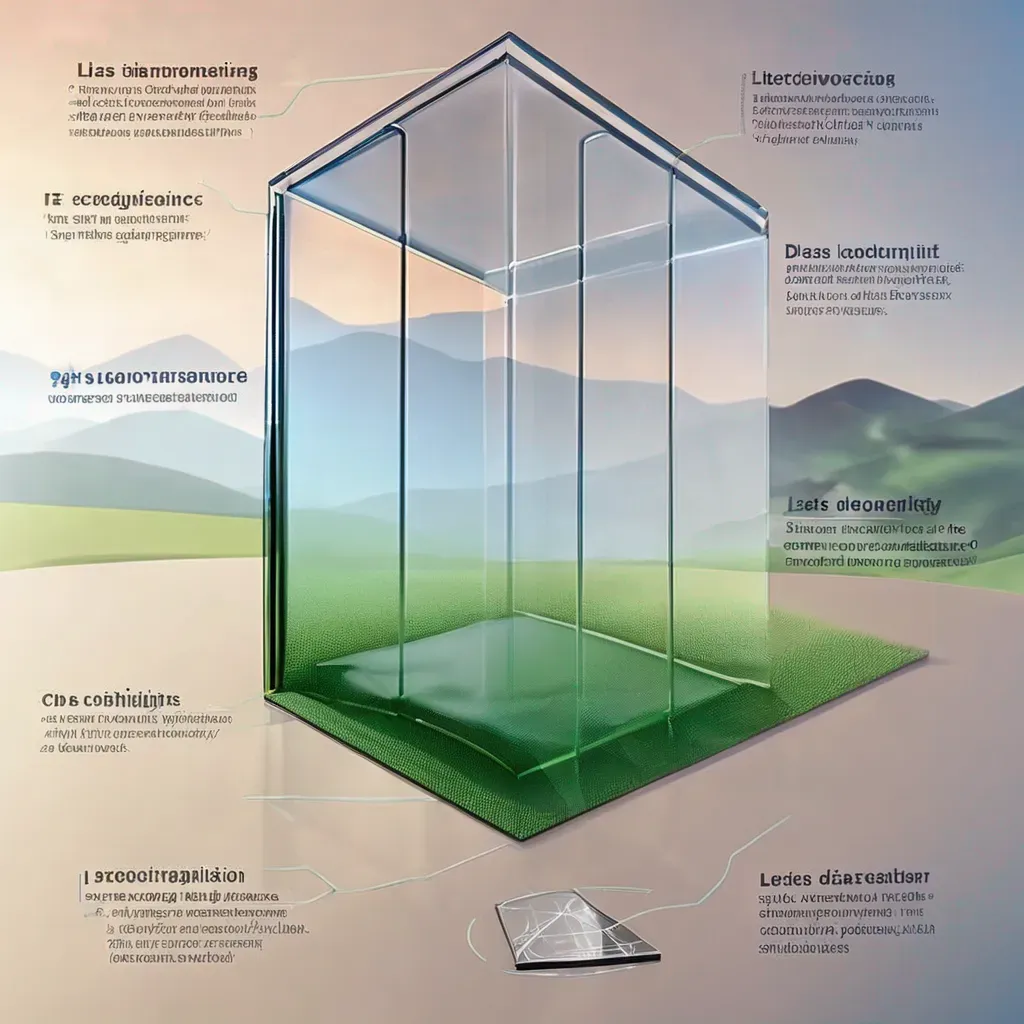
The electrochromic mechanism operates through layers of materials sandwiched inside the glass. At the heart of this innovation is an electrochromic layer integrated between electrodes. When a small electric voltage is applied, ions inside the layer move, triggering a change in the level of light and heat that passes through. The ability to precisely control transparency enables users to adjust the appearance of the glass based on environmental conditions or aesthetic preferences.
The Intersection of Art & Glass: A New Chapter in Creative Possibilities
For centuries, glass has been a medium for artistic expression. From stained glass to blown glass sculptures, artists have tapped into the elegance and versatility of this material. Electrochromic glass adds a whole new dimension to the relationship between art and glass. Imagine a gallery installation where the light intensity can shift throughout the day, subtly transforming the overall ambiance and mood of the exhibition. Or consider glass facades on modern buildings integrating beautiful color schemes that change dynamically as the sun moves across the horizon.
Interior designers, too, are embracing this advanced technology. Electrochromic glass can be used to create partitions that transform spaces effortlessly—from open, airy interiors to private enclaves—with just the flick of a switch. By blending function with artistry, this smart glass is breaking down boundaries in design, offering an enhanced creative toolkit that is both futuristic and practical.
For more on how innovative glass solutions can elevate interior and architectural designs, visit this resource.
Key Benefits of Electrochromic Glass
1. Energy Efficiency
One of the most significant advantages of electrochromic glass is its ability to regulate heat and light. In sunny climates, the glass can tint automatically, reducing solar glare and minimizing heat accumulation. By doing so, it reduces reliance on air conditioning systems, significantly cutting down energy consumption. Conversely, in colder climates, the glass can remain fully transparent to let in maximum sunlight, helping to naturally warm spaces. This smart material offers year-round energy efficiency, making it a prized feature for sustainable architecture.
2. Privacy On Demand
Electrochromic glass offers an elegant solution to a common design challenge—balancing openness with privacy. Glass walls and windows in offices, private homes, or even bathrooms can instantly switch from clear to opaque. Unlike blinds or curtains, which may disrupt a clean aesthetic, the smart glass integrates privacy seamlessly.
3. Design Flexibility
For architects and interior designers, versatility is a key aspect of any material. Electrochromic glass can elevate minimalistic designs, offering sleek, futuristic elements to a project. It’s particularly appealing for open-plan spaces or areas that require a blend of transparency and enclosure without compromising on style.
4. Reduced Maintenance
The elimination of traditional window coverings, such as blinds and curtains, means less cleaning and upkeep. No pesky dust-trapping mechanisms—just pure, easy-to-maintain glass surfaces that retain their shine and functionality over years.
Why Electrochromic Glass is the Future
As cities grow and we become increasingly aware of climate change, there’s a growing need for urban spaces to reflect sustainability and smarter living. Electrochromic glass checks all the boxes for future-oriented design—it contributes to energy efficiency, enhances building aesthetics, and adapts dynamically to shifting needs. Moreover, its harmony with art and creativity makes it even more enticing for modern applications.
Beyond environmental benefits, electrochromic glass resonates with the rising demand for personalization. Smart technologies are transforming how we interact with our built environment, allowing individuals to tweak settings as per their moods or needs, be it light intensity, privacy, or temperature control.
In the realm of architecture, developers are already incorporating this material into flagship projects to demonstrate leadership in innovation and attention to eco-friendly practices. Buildings featuring electrochromic glass stand tall as examples of how technology and design can converge into functional beauty.
For those fascinated by this material or looking to integrate it into their next project, Glassy.in offers useful insights and resources.
Applications in Art and Architecture
Imagine a skyscraper with a facade that changes color as day turns to night, creating a breathtaking urban art piece while simultaneously regulating interior temperatures. Picture luxury homes with living rooms that can adapt their transparency to shift between cozy privacy and panoramic outdoor views. From public art projects to transformative office spaces, electrochromic glass feeds creativity while addressing practical concerns.
Even artists are beginning to experiment with electrochromic glass, using its dynamic properties to create installations that challenge perceptions of light and space. As the technology becomes more accessible, the combination of art with this intelligent material is set to evolve further, inspiring entirely new artistic genres.
Conclusion
Electrochromic glass is more than just an innovation—it’s a revolution that blends form, function, and artistry. Its ability to adapt seamlessly to changing environments reflects not only its technical prowess but also its aesthetic potential. For architects, designers, and individuals passionate about sustainable and visually striking spaces, this dynamic material represents the future.
As we transition to a more eco-conscious and tech-driven age, electrochromic glass hands us the tools to rethink how we interact with our spaces. Whether you’re an artist exploring creative expressions, an architect designing a modern masterpiece, or a homeowner crafting the perfect living atmosphere, electrochromic glass promises to elevate your vision skillfully and sustainably.# How Electrochromic Glass Works (and Why It’s the Future)
Glass has long been a focal point in architecture, interior design, and art. Its ability to manipulate space, light, and perception makes it an incredibly versatile material. From chic floor-to-ceiling windows to innovative stained-glass installations integrating artistic flair, glass has redefined how we interact with our environments. One modern breakthrough pushing the boundaries of glass technology is electrochromic glass, a dynamic material set to revolutionize architecture and interior design.
In this article, we uncover the mechanics behind electrochromic glass, its applications in design, and why it holds transformative potential for the future of smart buildings and artistic glass installations.
What Is Electrochromic Glass?
Electrochromic glass, also called smart glass, is a cutting-edge material that can change its appearance — specifically its transparency or tint — in response to electric signals. At its core, this is achieved through layers of materials that react chemically when electrically charged. By applying voltage, ions move between layers, altering the glass’s optical properties, such as its color or light transmission.
This technological advancement takes glass from being a static design element to one that actively responds to its environment. Imagine windows that automatically dim during peak sunlight hours or skylights transitioning from clear to frosted for privacy with the flip of a switch.
Electrochromic glass creates dynamic spaces that enhance energy efficiency, aesthetics, and comfort — elements that align perfectly with modern sustainable architecture and interior design trends.
How Does Electrochromic Glass Work?
The science behind electrochromic glass might seem like something out of science fiction, but its mechanics are surprisingly simple:
- Layered Composition: Electrochromic glass consists of multiple thin layers. These include the outer glass panes, a transparent conductive layer, an electrochromic layer (often made of a material like tungsten oxide), and a counter electrode layer. Between these is an ion-conducting or electrolyte layer that facilitates ionic movement.
- Ion Exchange: When a small voltage is applied, ions migrate from the electrochromic layer to the counter electrode. This exchange changes the chemical and optical properties of the electrochromic layer, causing it to darken or lighten.
- Reversibility: The reaction is completely reversible, meaning switching the voltage will cause the ions to return to their original state, restoring the glass’s transparency.
Why Electrochromic Glass Is the Future
1. Energy Efficiency and Sustainability
As the world increasingly turns toward eco-conscious solutions, electrochromic glass shines as an energy-saving innovation. By reducing solar heat gain during hot seasons and optimizing natural light, buildings with electrochromic glass rely less on HVAC systems and artificial lighting. In fact, studies show such smart glass can reduce energy consumption by up to 20%, making it essential for architects designing carbon-neutral or energy-positive buildings.
Moreover, sustainable design isn’t only about efficiency — it’s also about creating spaces that connect us to nature. Electrochromic glass helps reduce glare without obstructing views, making it an ideal material for modern green architecture.
2. Versatility in Art and Design
Electrochromic glass has opened up new creative opportunities for art & glass installations. Artists and designers can now incorporate dynamic glass panels into their projects, producing exhibits or architectural features that evolve over time. Imagine walking through a gallery where the glass walls shift transparency, subtly amplifying or obscuring the featured art pieces to evoke an entirely unique sensory experience.
Interior designers are also finding inventive uses for electrochromic glass in residential and commercial spaces. It’s increasingly used for privacy-focused partitions, conference rooms, shower enclosures, and even stylish facades, combining functionality with artistic appeal. These applications align beautifully with contemporary trends where luxury design emphasizes innovation and adaptability.
3. Enhanced Comfort and Privacy
Electrochromic glass provides unparalleled control over lighting, temperature, and privacy. Whether used in office spaces to create conference rooms that shift opacity for meetings or integrated into homes for personalized lighting, this technology makes modern living remarkably customizable.
Homeowners no longer need heavy curtains or blinds to block out light or ensure privacy — electrochromic glass manages these tasks almost seamlessly.
4. Integration with Smart Technology
The future of architecture and interiors lies in smart homes and buildings equipped with cutting-edge technology. Electrochromic glass integrates easily with automated systems. Imagine pairing your smart glass windows with sensors that dim or lighten them based on the weather forecast, time of day, or energy consumption levels. This complements a futuristic lifestyle, where every element of design harmonizes with your environment and personal preferences.
Applications in Artful and Functional Spaces
Electrochromic glass is not just for large corporate buildings or futuristic homes; it is increasingly finding applications in art-centric spaces. Galleries and museums are experimenting with this material to enhance how art is displayed and experienced. By adjusting the tint and transparency of glass walls, curators can create mood-driven displays tailored to exhibitions or even individual pieces.
In public spaces, architects are embracing electrochromic facades to create dynamic exteriors that shift tone throughout the day, blending utility with artistry. These glass facades offer a fluid approach to urban design, adding a sense of movement and modernity to skylines while maximizing energy efficiency.
Conclusion: A Clear Path to the Future
Electrochromic glass is more than just a material — it’s a mindset shift in architectural and interior design. By merging advanced technology with sustainable practices, it paves the way for smarter spaces that adapt to human needs, environmental conditions, and artistic inspiration. Whether enhancing energy efficiency, fostering comfort, or changing how we experience art & glass, electrochromic glass is redefining what it means to design thoughtfully.
As technologies around electrochromic glass advance and costs continue to decrease, expect its proliferation across homes, workplaces, and creative spaces. With its ability to marry functionality and beauty — seamlessly — electrochromic glass is undeniably the future.
For more insights into this fascinating innovation and other groundbreaking ideas in glass design and technology, visit Glassy. Discover how glass can become much more than a simple building material, transforming your spaces with style, intelligence, and creativity.
Also explore how cutting-edge art & glass concepts are helping architects and artists think beyond the ordinary here.