
Custom Glass for Architects: Achieve Unique Designs Easily
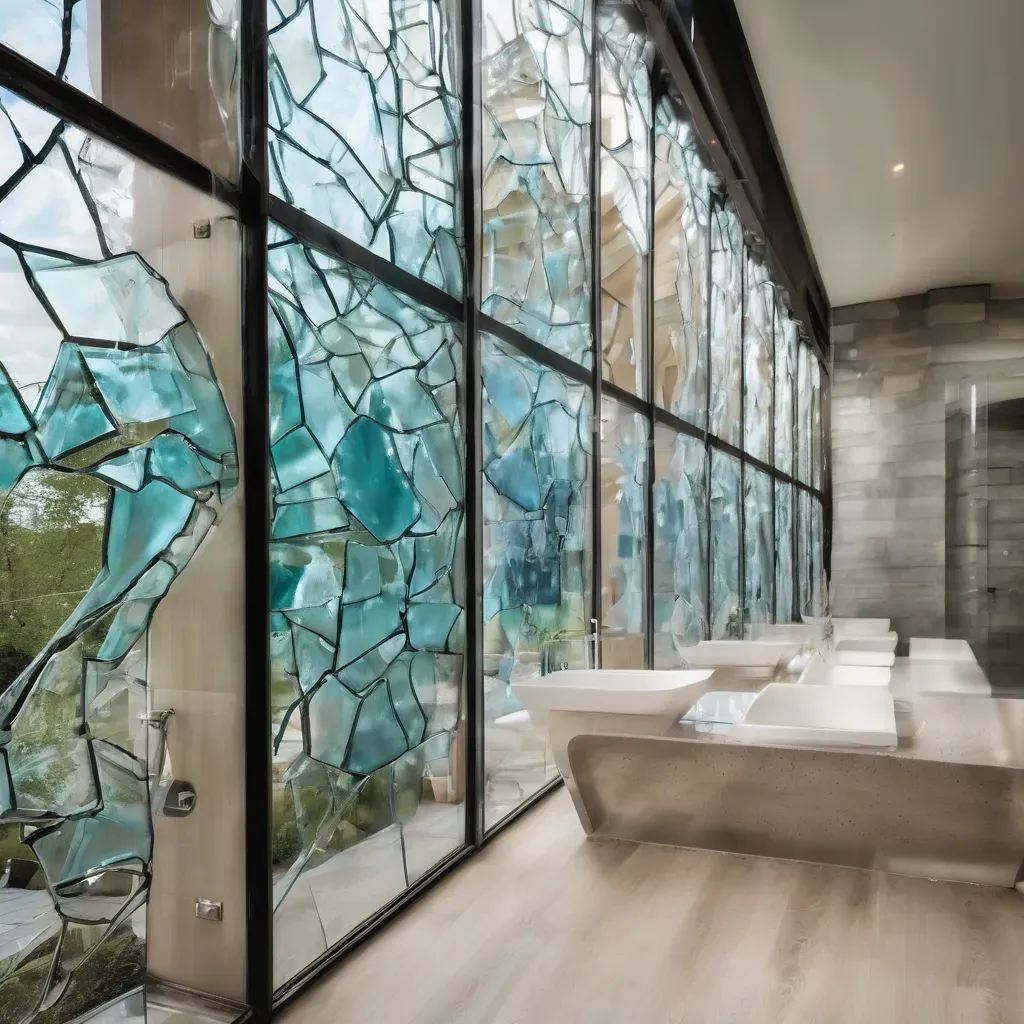
How Custom Glass Helps Architects Achieve Unique Designs
Architectural design is a creative blend of functionality, aesthetics, and innovation. At the very heart of contemporary architecture lies the desire for originality and expression—creating structures that not only meet practical needs but also evoke inspiration and wonder. For architects passionate about pushing the boundaries of what’s possible, custom glass has emerged as a transformative medium. By combining versatility, artistic potential, and sustainability, custom glass enables architects to craft spaces that are both functional and visually compelling.
In this article, we’ll explore how custom glass serves as an invaluable tool in achieving unique designs, bringing artistry into architecture and helping professionals set their projects apart.
Custom Glass: A Canvas for Architectural Art
From ancient stained glass windows to ultra-modern skyscrapers, glass has always occupied a special role in architecture. Its ability to play with light, color, and form transforms it into a material that is as functional as it is artistic. However, what sets custom glass apart is its ability to be tailored to specific artistic visions, allowing architects to turn even the boldest concepts into reality.
Custom glass offers a variety of options such as etched patterns, colored coatings, frosted surfaces, and intricate designs. For those blending art and glass, this material becomes a design medium with almost limitless possibilities. Whether it’s crafting delicate glass panels that mimic natural patterns or creating dramatic, large-scale installations, architects can rely on custom glass to infuse their projects with creativity and individuality.
The Versatility of Custom Glass in Modern Architecture
1. Enhancing Natural Light & Transparency
One of glass’s defining characteristics is its transparency. Architects often leverage custom glass to create structures that feel open, airy, and connected to the surrounding environment. Large glass facades, skylights, and partitions can be customized to optimize natural light, reduce glare, and reflect artistic inspirations.
For example, etched or frosted custom glass can maintain the flow of light while offering privacy. When paired with decorative finishes or patterns, these glass elements not only fulfill technical design needs but also become visually striking focal points. This balance between light and artistry is essential for architects looking to bring freshness and innovation into their designs.
2. Creating Distinct Aesthetics
Custom glass helps architects implement unique, site-specific designs that resonate with both culture and functionality. Advances in modern glass manufacturing allow for fascinating adaptations, including colored glass panels, textured surfaces, and specialized treatments that add depth to buildings.
Think, for instance, of custom glass used in boutique hotels, art galleries, or luxury residences where dramatic, one-of-a-kind visual elements appeal to the imagination. These distinctive designs let architects express the character of the overall structure, whether they prefer a sleek, minimalistic aesthetic or an intricate, art-inspired façade.
3. Breaking Boundaries with Artistic Freedom
For those who see architecture as an extension of art, custom glass provides boundless opportunities for unrestrained creativity. By working with specialists, architects can create artistic glass features—such as sculptural partitions, bridges, or walls that incorporate curated designs or even photographic prints.
The exploration of art and glass through techniques like layering, engraving, or UV printing has opened new doors for integrating storytelling into architecture. Consider utilizing custom glass as a blank canvas that blends your artistic vision with functional design principles, elevating projects beyond conventional norms.
Benefits of Using Custom Glass in Architectural Projects
The advantages of using custom glass in architecture go far beyond its aesthetic appeal. Below are some key benefits that illustrate why custom glass continues to be a sought-after material for architects worldwide.
1. Energy Efficiency
Modern advancements in glazing techniques allow custom glass installations to improve energy efficiency by regulating indoor temperatures. Options like double or triple-glazed panels, low-E coatings, and thermally insulated glass provide architects with eco-friendly solutions while maintaining the desired visual elegance.
2. Design Flexibility
Custom glass can be shaped, textured, or treated to fit any design specification, lending itself to interior applications such as artistic walls, doors, ceilings, and even bespoke furniture. Exterior applications, like curved glass or oversized panels, offer a level of adaptability that’s hard to replicate with other materials.
3. Durability & Functionality
Contrary to common assumptions, custom glass is not fragile or impractical for modern architecture. Innovations like tempered glass and laminated glass ensure high durability and safety, making it suitable for high-traffic areas, external projects, and demanding environments.
4. Biophilic Design
Reflecting the rising demand for sustainable, nature-inspired architecture, custom glass allows architects to create seamless indoor-outdoor transitions. Large-format installations and transparent structures enable unbroken views of nature while enhancing the building’s integration with its surroundings.
For architects passionate about combining contemporary living with the benefits of biophilic design, custom glass plays a starring role in enhancing the harmony between man-made and organic environments.
Inspiring Architectural Designs with Glassy.in
For architects ready to explore the full potential of custom glass, finding reliable partners can make all the difference. At Glassy, we specialize in crafting premium glass solutions tailored to your creative vision. Whether you’re looking for personalized decorative panels, energy-efficient glazing, or intricate artistic elements, our team delivers innovative products and services to support your next architectural masterpiece.
Explore our range of custom glass solutions at Glassy to reimagine how glass can transform your design concepts into reality.
Final Thoughts: Shaping the Future of Architecture with Custom Glass
Custom glass is more than a building material; it is a bridge between functionality and visual storytelling, helping architects create iconic spaces that honor both form and expression. Whether you’re designing modern skyscrapers or intimate interiors, custom glass allows for a level of customization, artistry, and precision that few other materials can offer.
Incorporating this versatile medium into your projects not only enhances the aesthetic and practical aspects of your designs but also sets them apart as works of art. From exploding the possibilities of natural light to creating intricate, personalized motifs, custom glass provides a world of opportunity for architects committed to innovation and beauty.
When imagination meets technology, the results are always inspiring—and with the right tools and expertise, your designs can leave a legacy of creativity and sophistication for generations to come.# How Custom Glass Helps Architects Achieve Unique Designs
In the realm of modern architecture, innovation and creativity are often the driving forces behind breathtaking designs. From towering skylines adorned with shimmering facades to interior spaces that radiate elegance and light, one material has consistently remained at the forefront of artistic expression in design—glass.
Custom glass, in particular, has emerged as a revolutionary medium for architects seeking to push boundaries and create distinctive, awe-inspiring structures. With its blend of functionality, versatility, and aesthetic appeal, custom glass is an indispensable tool for bringing imaginative concepts to life. This article delves into how custom glass amplifies architectural design, while highlighting its synergy with art and modern interiors.
The Fusion of Art and Functionality
Custom glass bridges the gap between art and practicality, making it one of the most exhilarating materials in architecture today. Unlike conventional building materials, glass has the ability to achieve both decorative and structural objectives. This dual functionality makes it a game-changer for architects passionate about merging beauty with utility.
For those heavily invested in art & glass, custom glass facilitates the creation of patterns, textures, and engravings that serve as personal design statements. By incorporating cutting-edge techniques such as etching, sandblasting, and lamination, artists and designers can transform this transparent material into a canvas for intricate artistry or striking abstract patterns. Glass used in this capacity not only enhances visual appeal but also evokes emotion in those who interact with the space.
For example, consider a sculptural glass façade where light passes through colored or frosted panels, creating dynamic visual effects as sunlight shifts throughout the day. These kinds of design choices allow architects to weave art directly into the built environment, making each project a masterpiece in its own right.
Custom Glass as a Design Canvas for Architects
Glass is far more than just a window or wall feature. Custom glass empowers architects to build unique projects by providing a material that is malleable to both aesthetic and structural needs. From glass staircases that exude modern luxury to dynamic curtain walls that catch and reflect natural light in intriguing ways, its applications are as vast as the architect’s imagination.
One of the defining strengths of custom glass is its adaptability. It can be shaped, textured, or tinted to match a specific theme or blend seamlessly with other materials like stone, steel, or wood. Whether used to heighten the grandeur of an atrium, add drama to a storefront, or inject sophistication into a minimalist interior, customized glass brings unmatched flexibility.
Glass designs can further enhance energy efficiency, sustainability, and even acoustics. Innovations like Low-E coatings, thermally insulated glass, or soundproof solutions open the door to creating buildings that are not just visually compelling but also environmentally and functionally optimized for today’s needs.
For architects eager to turn visionary concepts into reality, services such as those offered by Glassy.in provide valuable partnership opportunities. They specialize in delivering high-quality, tailored glass solutions that align perfectly with an architect’s design vision.
Unique Possibilities with Custom Glass
Custom glass opens up countless possibilities for architects and designers looking to create striking, one-of-a-kind masterpieces. Here are some exciting ways this material takes center stage in architectural design:
1. Dynamic Facades
Modern architectural frames frequently boast elaborate glass facades. Custom glass lets architects move beyond simple transparency by incorporating elements like fritted patterns, gradient opacities, or curved designs. These techniques not only reinforce a unique identity for the structure but also provide control over sunlight and heat gain, striking a balance between aesthetics and energy efficiency.
2. Beside-the-Building Installations
Freestanding architectural features such as glass pavilions, cubes, or sculptures make a bold statement while enhancing outdoor environments. These standalone creations are perfect for blending art & glass, showcasing the synergy between human creativity and natural surroundings.
3. Interior Elegance
Inside a structure, custom glass facilitates the creation of impressive elements, whether it’s a cascading glass chandelier, illuminated partitions, or frameless railing systems for staircases and balconies. Glass adds a contemporary touch of transparency and openness that redefines spatial aesthetics.
4. Customization through Patterns and Colors
Custom glass can be printed or treated using advanced technologies to add textures, colors, or patterns. This personalization allows the material to complement a building’s overall design language or serve as an exciting focal point.
Beyond Aesthetics: Functional Advantages of Custom Glass
While the aesthetic potential of custom glass is undeniable, its functional benefits cannot be overlooked. Architects who incorporate this material often see tangible results in terms of building performance and usability, including:
-
Enhanced Natural Light: Large glass surfaces transform spaces by inviting natural sunlight, reducing dependency on artificial lighting, and creating a healthy, well-lit environment.
-
Sustainability: High-performance glass types, like solar-control or double-glazed panels, enhance energy efficiency and reduce HVAC costs. They regulate indoor temperatures with minimal reliance on mechanical systems.
-
Safety and Durability: Modern advancements, such as laminated safety glass, ensure durability without compromising elegance. Breakage resistance and shatterproof properties provide peace of mind while maintaining style.
-
Noise Reduction: Particularly in urban environments, acoustically treated glass helps block noise pollution, creating serene and functional spaces for work and living.
The technical advantages of custom glass ensure it remains a viable option for both bold architectural concepts and practical applications. For architects seeking expert guidance or premier-quality products, Glassy.in offers tailored glass solutions precisely engineered to meet these demands.
Inspiring Future Innovation
As architecture continues to evolve, so do the ways in which custom glass can influence design. Its ability to integrate with new technologies, like embedded LED lighting or dynamic glazing that reacts to environmental changes, hints at a future where architecture becomes even more interactive and engaging.
Further, the marriage between art & glass is likely to grow deeper with time, as architects and artists collaborate to redefine how we experience buildings and spaces. From transforming urban cityscapes to crafting intimate interiors, custom glass will undoubtedly remain a cornerstone for achieving striking and innovative designs.
Final Thoughts
Custom glass is more than just a building material—it’s a tool for self-expression, a bridge between function and form, and a canvas for artistic ingenuity. Its adaptability, elegance, and cutting-edge potential make it an indispensable asset in modern architecture. For architects inspired by the possibilities of art & glass, custom glass serves as an endless source of inspiration for delivering projects that resonate with beauty and uniqueness.
If you’re an architect looking to take your design to visionary new heights, consider exploring the array of services offered by Glassy.in. Their commitment to precision and customization could be the key to transforming your ideas into stunning architectural realities.