
Glass Partitions
Curved Glass Partitions: Manufacturing Process & Installation Challenges
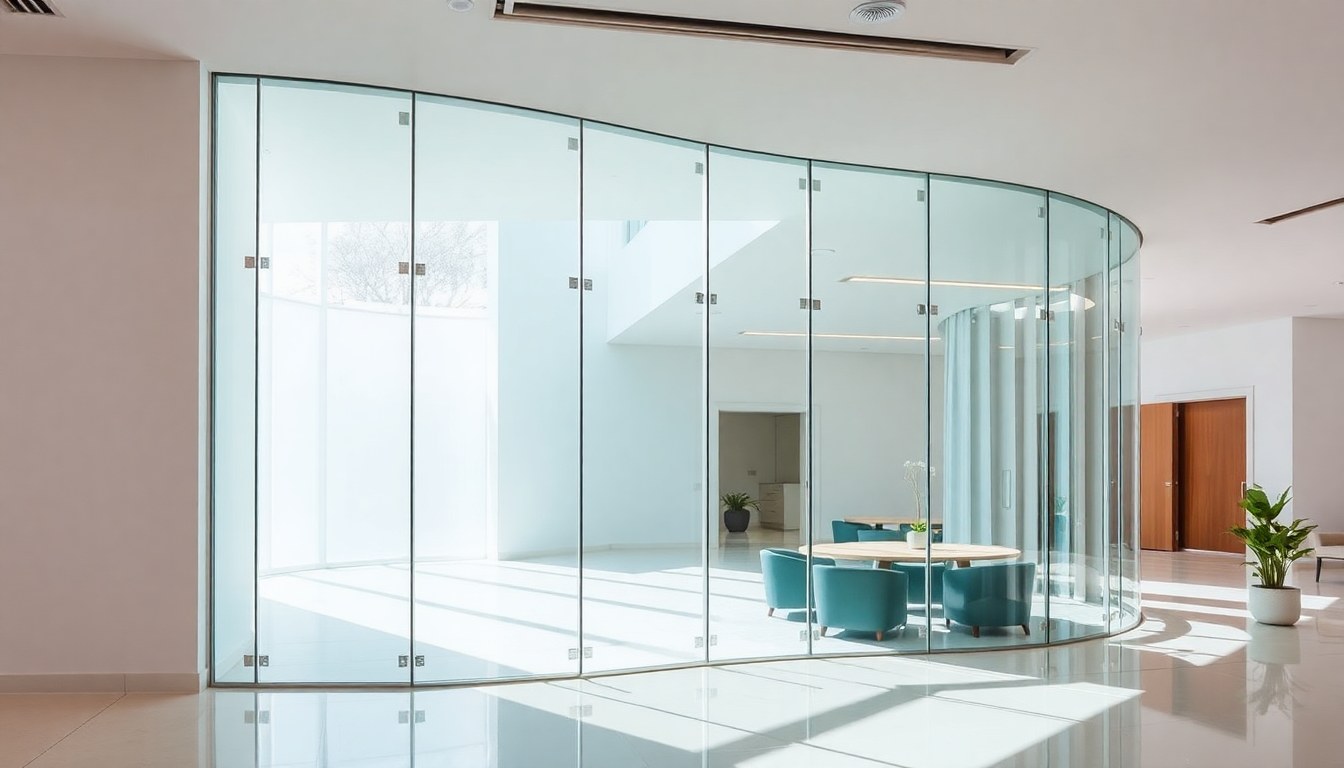
Curved glass partitions have become the hallmark of modern office design in India, transforming sterile workspaces into visually striking environments. However, their beauty comes at a price—both in manufacturing complexity and installation expertise. If you're considering curved glass partitions for your Bangalore office or anywhere else in India, understanding the production process, cost factors, and real-world installation hurdles is essential before making your investment.
What Are Curved Glass Partitions?
Curved glass partitions are interior dividers made from tempered or laminated glass bent into curved or wave-like shapes. Unlike standard flat glass partitions, these panels create dynamic visual flow while maintaining transparency and light transmission across office spaces. They're commonly used in corporate offices, design studios, healthcare facilities, and premium retail environments.
The appeal is obvious: curved glass partitions soften the hard edges of modern architecture, improve aesthetic value, and create a sense of movement and sophistication. They also serve practical purposes—sound dampening when laminated, privacy when frosted, and structural flexibility in open-plan layouts.
The Manufacturing Process for Curved Glass Partitions
Step 1: Glass Selection and Preparation
The manufacturing journey begins with selecting the right glass type. Manufacturers typically use 6mm to 12mm tempered or laminated glass, depending on the application and load requirements. The raw glass sheets are cut to approximate dimensions and cleaned thoroughly to remove any dust, oils, or contaminants that could affect the bending process.
Step 2: Heating and Bending
This is where curved glass partitions diverge from flat panels. The glass is placed in a specialized kiln and heated to approximately 600-700°C—a temperature that makes the glass pliable without compromising its structural integrity. The heating process is gradual and precisely controlled to prevent thermal shock and internal stress.
Once heated, the glass is carefully placed on custom-made molds that define the curve's radius and shape. The mold material is typically ceramic or stainless steel, engineered to withstand extreme heat. As the glass cools slowly in the kiln, it permanently takes the curved form. Rapid cooling would create internal stresses and weakness, so this cooling phase can take 8-12 hours or longer.
Step 3: Tempering (If Required)
If the design calls for tempered glass, the curved panel undergoes a second heating and rapid cooling cycle. This increases the glass's strength by 4-5 times compared to annealed glass, making it safer and more resistant to impacts. Tempered curved glass is essential for high-traffic office areas.
Step 4: Lamination and Edge Treatment
Many curved glass partitions are laminated for sound insulation and safety. Lamination involves bonding two or more glass layers with a polyvinyl butyral (PVB) interlayer. For curved panels, this process requires precision to avoid air bubbles and ensure even adhesion across the curved surface.
Edge treatment follows—the edges are polished and sometimes beveled for a premium finish. Some manufacturers apply safety film to edges or add decorative elements like frosting or digital prints at this stage.
Why Curved Glass Partitions Cost More
Material and Equipment Investment
Manufacturing curved glass partitions requires specialized kilns, custom molds, and precision temperature control systems. These investments are significantly higher than equipment needed for flat glass partitions. Each unique curve specification may require a custom mold, adding to production costs.
Labor and Expertise
Curved glass production demands skilled technicians with years of experience. The bending process leaves little room for error—a miscalculation in temperature or cooling time can result in a rejected batch. This expertise commands higher labor costs compared to standard glass cutting and assembly.
Production Time
A single curved glass panel can take 2-3 weeks from order to completion, compared to 3-5 days for flat partitions. The cooling phase alone accounts for significant time, and any quality issues require rework or complete restarts. This extended timeline increases overhead costs.
Typical Cost Range in India
- Basic curved glass partition (6mm tempered, simple curve): ₹2,500-₹3,500 per square meter
- Premium curved partition (10mm laminated, complex curve): ₹4,500-₹6,500 per square meter
- High-end custom designs (digital prints, special coatings): ₹7,000-₹10,000+ per square meter
Installation costs typically add another 20-30% to material costs, depending on complexity and location. In Bangalore, where premium office spaces are common, you can expect to pay at the higher end of these ranges.
Real-World Installation Challenges in Indian Offices
Structural Support and Load Calculations
Curved glass partitions are heavier than flat panels due to their structure and often-thicker composition. Installation teams must conduct precise load calculations to ensure the building's frame can support the weight. In older Bangalore office buildings, this assessment often reveals inadequate structural capacity, requiring additional reinforcement—a costly surprise for project managers.
Alignment and Measurement Precision
Installing curved glass in irregular office spaces is a nightmare. Most Indian commercial buildings, especially older structures, have walls and floors that aren't perfectly plumb or level. Curved glass partitions magnify these imperfections. Installers must use laser levels and custom-made mounting frames to achieve proper alignment, often requiring on-site adjustments that weren't anticipated in the original design.
Transportation and Handling Risks
Curved glass panels are fragile and difficult to transport. They require custom crating and climate-controlled vehicles to prevent thermal shock during transit. In cities like Bangalore with heavy traffic and poor road conditions, the risk of damage during delivery is substantial. Insurance and replacement costs can quickly escalate if breakage occurs.
Climate and Environmental Factors
India's humid climate, particularly in coastal areas, can affect glass performance. Laminated curved partitions may develop edge delamination if not properly sealed. In Bangalore's moderate climate, this is less severe but still a concern during monsoon seasons. Proper ventilation and sealing during installation are critical but often overlooked.
Integration with Existing Infrastructure
Curved glass partitions must integrate with electrical conduits, HVAC ducts, and fire safety systems. Retrofitting curved panels into existing office layouts often requires rerouting utilities, which adds time and cost. In Bangalore's IT parks, where infrastructure is dense, this coordination becomes exceptionally complex.
Quality Control During Installation
Not all installation teams have experience with curved glass. Poor installation can result in:
- Uneven gaps between panels and frames
- Improper sealing leading to sound leakage
- Stress concentrations causing premature cracking
- Misalignment affecting aesthetic appeal
Choosing an experienced, certified installer is crucial—and expensive. Cutting corners here often leads to costly corrections later.
Best Practices for Curved Glass Partition Projects
Start with a detailed site survey and structural assessment. Engage architects and structural engineers early to identify potential challenges. Work with manufacturers who provide installation support and warranties. Request references from previous curved glass installations in similar environments.
Allow realistic timelines—rushing a curved glass project increases error risk and costs. Establish clear communication channels between the design team, manufacturer, and installer. Include contingency budgets (typically 10-15%) for unexpected structural or logistical issues.
Specify maintenance requirements upfront. Curved glass partitions need regular cleaning and occasional resealing to maintain performance and appearance. Document these requirements in the project handover to avoid future disputes.
Frequently Asked Questions
How long does it take to manufacture and install curved glass partitions?
Manufacturing typically takes 2-3 weeks depending on the complexity and curve radius. Installation can range from 1-2 weeks for straightforward projects to 4-6 weeks for complex retrofits in existing buildings. Total project duration from order to completion is usually 4-8 weeks in India.
Are curved glass partitions more expensive than flat glass partitions?
Yes, significantly. Curved glass partitions cost 60-150% more than equivalent flat partitions due to specialized manufacturing equipment, longer production times, and skilled labor requirements. The price difference widens for complex curves and premium specifications.
Can curved glass partitions be used in humid climates like coastal Indian cities?
Yes, but with proper specifications. Laminated curved glass with high-quality sealants performs well in humid conditions. Ensure the manufacturer uses marine-grade materials and proper edge sealing. Regular maintenance and inspection are recommended in coastal areas.
What is the typical lifespan of curved glass partitions?
Well-manufactured and properly installed curved glass partitions last 15-20 years or more. Laminated panels may require resealing after 10-12 years. The lifespan depends heavily on installation quality and maintenance practices.
Can curved glass partitions be customized with frosting or digital prints?
Absolutely. Frosting, digital prints, and decorative films can be applied to curved glass during or after manufacturing. These customizations add 15-25% to the base cost but significantly enhance aesthetic appeal and brand identity in office spaces.
Curved glass partitions represent a premium investment in office aesthetics and functionality, but success requires careful planning, experienced partners, and realistic expectations. Whether you're in Bangalore or elsewhere in India, connect with verified glass manufacturers and installers through the Glassy.in directory to find specialists who understand curved glass challenges and deliver quality results.