
Best Glass Options for Schools & Colleges
Best Glass Options for Schools and Colleges: A Comprehensive Guide
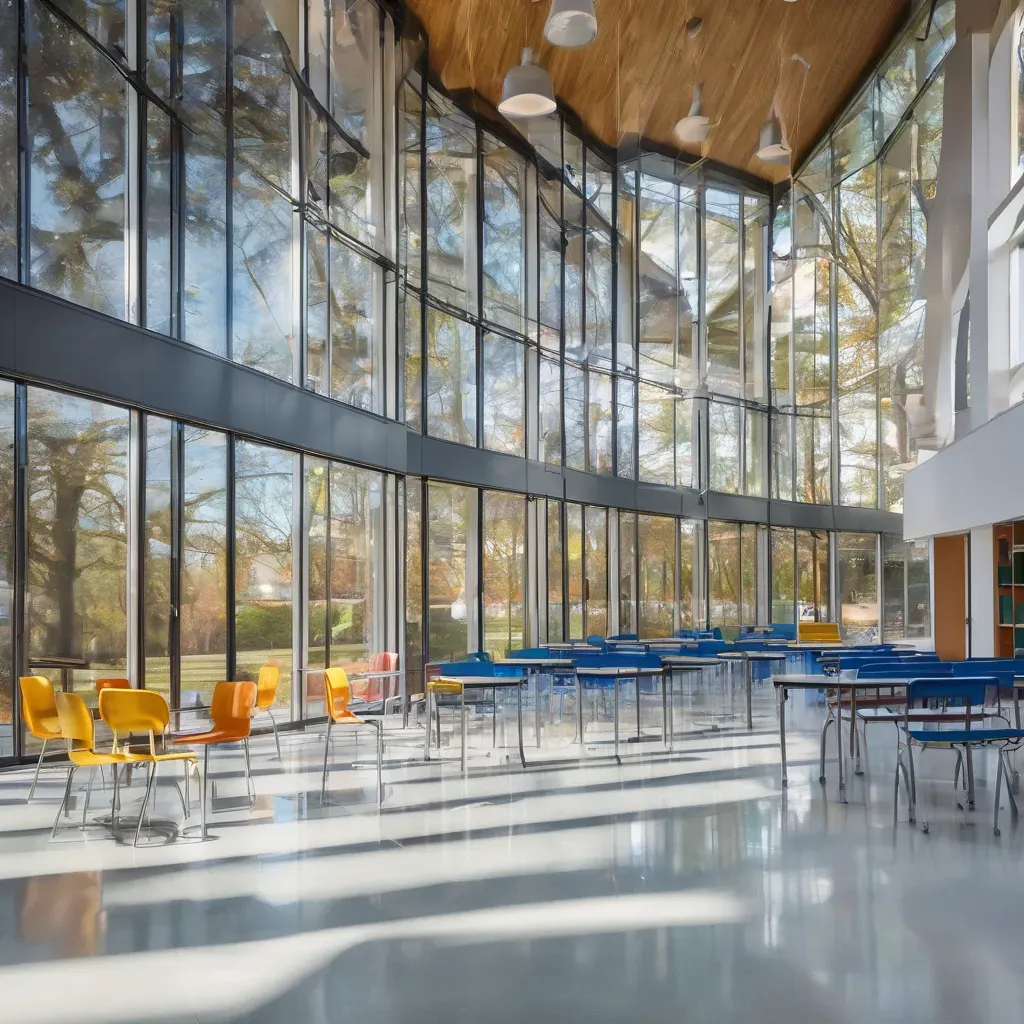
When it comes to designing schools and colleges, glass is no longer just a structural element—it’s a powerful design tool that influences aesthetics, safety, energy efficiency, and even the learning environment. The advancements in glass technology have opened up a realm of possibilities for educational institutions, enabling architects and administrators to create spaces that are not only functional but also inspiring.
In this article, we explore the best glass options for schools and colleges while offering insights into how these choices impact design, sustainability, and the overall experience of students and staff.
Why Glass Matters in Educational Spaces
Glass has always been celebrated for its multidimensional benefits. In the context of schools and colleges, the use of glass achieves more than just an architectural purpose; it transforms environments into vibrant, safe, and productive spaces.
Enhancing Natural Light and Productivity
Research suggests that exposure to natural light boosts mood, enhances focus, and improves overall academic performance. Installing glass windows and partitions designed to optimize natural light is an effective way to ensure students remain energized and engaged during long classroom hours.
Safety First: Selecting the Right Glass
In educational settings, safety is paramount. Whether it’s for classroom windows, laboratory partitions, or large entryway facades, building materials must account for durability and security. The right type of glass can strike a balance between functionality and aesthetics while meeting safety standards.
Types of Glass for Schools and Colleges
Selecting the right glass involves assessing multiple factors such as safety, energy efficiency, aesthetics, and functionality. Here are some top recommendations for schools and colleges:
1. Tempered Glass
Tempered glass, also known as toughened glass, is one of the safest options for schools and colleges. It is designed to break into small, rounded pieces rather than sharp, hazardous shards. Ideal for high-traffic areas like laboratory partitions, staircases, and entryways, tempered glass ensures peace of mind for administrators and safety for students.
Tempered glass is also resilient to impact, thermal stress, and heavy usage, making it a long-lasting solution for institutional spaces.
2. Laminated Glass
For locations that require additional layers of security, such as libraries, administrative offices, or glass panels in doors, laminated glass is an excellent choice. Laminated glass is made by sandwiching a plastic interlayer between two layers of glass, which prevents shattering upon impact.
The ability of laminated glass to block UV rays further enhances its suitability for educational facilities, as it protects interiors from fading and maintains a comfortable indoor environment.
3. Frosted or Textured Glass
Many schools and colleges incorporate frosted or textured glass into their designs to strike a balance between transparency and privacy. Frosted glass works particularly well for staff offices, meeting rooms, and counseling centers, offering a degree of discretion without compromising on a modern, stylish aesthetic.
From an artistic perspective, frosted glass can include custom designs or patterns that reflect the institution’s identity, creating a subtle yet striking visual appeal.
4. Acoustic Glass
Noise distractions are a common challenge in schools and colleges, especially in urban or high-density areas. Acoustic glass is designed to address this issue by dampening sound transmission between spaces. It’s a practical solution for classrooms, music departments, and study halls, ensuring a quieter atmosphere conducive to learning.
5. Smart Glass (Switchable Glass)
In environments where adaptability is key, smart glass technologies can revolutionize how educational spaces are utilized. Smart glass allows you to switch from transparent to opaque with the flip of a switch or touch of a button. This versatility is particularly useful in classrooms and labs, where privacy or focus may sometimes be required.
In addition to its functional benefits, smart glass adds a futuristic edge to institutional design, embodying the blend of technology and architecture.
Glass and Sustainability: A Perfect Partnership
With sustainability at the forefront of architectural innovation, energy-efficient glass has become a popular choice for schools and colleges. Low-emissivity (Low-E) glass and double-glazed windows not only reduce heat loss and regulate indoor temperature but also minimize energy costs.
The responsible use of glass in educational settings contributes to a sustainable environment in more ways than one. For instance, sourcing locally or using recycled glass options can make a significant difference in minimizing the environmental footprint of a project.
Art & Glass: Bringing Creativity into Spaces of Learning
Glass isn’t just a practical architectural element—it can also serve as a medium for creative expression. Many institutions incorporate art glass into their designs to foster an inspiring atmosphere.
Stained Glass and Colored Panels
Stained glass elements are a timeless choice for libraries, entrance halls, and chapel spaces in some colleges. These vibrant panels create beautiful plays of light, introducing a touch of artistry and tradition to the building.
Glass Murals and Etching
Custom glass murals or etched designs featuring a school’s emblem or inspirational imagery can add personality to common spaces like cafeterias or courtyards. These designs serve as both art and structure, marrying functionality with creative passion.
For specialized projects involving the artistic manipulation of glass, consider connecting with Glassy for high-quality solutions tailored to your unique vision.
Partnering with Experts for Tailored Glass Solutions
Choosing the right glass options for your school or college is about more than just picking out materials. It’s about collaborating with professionals who understand the nuances of safety, design, and sustainability. With their versatile portfolio and expertise in innovative glass solutions, Glassy is an ideal partner for such projects.
Whether you’re planning a complete renovation or designing a new campus from scratch, their range of products and personalized services can help bring your architectural vision to life.
In Summary
The integration of advanced glass solutions into schools and colleges is much more than a trend—it’s a vital element of modern educational design. From tempered and laminated options for safety to acoustic and smart glass for functionality, there are various choices to explore based on your institution’s unique needs.
By incorporating artful and energy-efficient glass elements into the design, educational spaces can be transformed into visually stunning, inspiring places for students, educators, and administrators alike. So, if you’re planning your next institutional building project, don’t just think glass—think innovation, sustainability, and art.
Best Glass Options for Schools and Colleges: Merging Functionality and Aesthetics
Glass has long been a key element in modern architectural design, offering an innovative blend of aesthetics and purpose. For schools and colleges, choosing the right type of glass is crucial. It’s not just about offering a visually appealing atmosphere—it’s about ensuring safety, durability, sustainability, and often, fostering creativity.
In learning environments, glass must strike the perfect balance between functionality and inspiration. From ensuring optimal lighting to creating partitions that allow for productive collaboration, selecting the best glass options for schools and colleges is an art form in itself.
Why Glass Matters in Educational Institutions
Glass has come to play an invaluable role in shaping dynamic educational spaces. Thoughtfully chosen glass can help create open, welcoming environments while promoting energy efficiency and safety.
The usage of glass in schools and colleges extends beyond the typical classroom windows. It spans innovative designs, such as glass walls for breakout areas, skylights for abundant natural light, and colored glass panels that bring an artistic flair to the institution’s identity. With the growing intersection of art and glass in architecture, schools looking to inspire their students often leverage the psychological impact of well-lit, creative spaces.
But with so many considerations—insulation, safety, noise reduction, and design—it’s important to understand which types of glass are best suited for educational settings.
Which Glass Options Stand Out for Schools and Colleges?
When selecting glass for educational institutions, architects and facility managers need to consider specific criteria like safety, energy efficiency, durability, and aesthetic quality. Here are the best glass options for schools and colleges:
1. Tempered Glass for Durability and Safety
For any learning environment, safety is paramount. Tempered glass, also known as toughened glass, is one of the safest options available. It’s engineered to be four to five times stronger than standard glass, making it highly resistant to shattering.
If it does break, tempered glass shatters into small, dull-edged fragments that significantly reduce injury risks. This makes it ideal for high-traffic areas like hallways, gymnasiums, and entryways in schools and colleges. Its durability also ensures that it can withstand not only accidental impacts but also long-term wear and tear, saving institutions from frequent replacements.
2. Laminated Glass for Noise Reduction
Laminated glass offers both safety and added functionality. Constructed with multiple layers of glass bonded together with a plastic interlayer, it provides superior sound insulation, making it the perfect choice for classrooms, libraries, or lecture halls where a quiet environment is vital.
Additionally, laminated glass’s safety attributes extend to its resistance to shattering. Even if the glass breaks, the interlayer holds the fragments together, further enhancing security. Schools also love laminated glass for its versatility—it can be clear, frosted, or even tinted to suit diverse design needs.
3. Insulated Glass Units (IGUs) for Energy Efficiency
Energy efficiency has become a non-negotiable factor for modern architecture, and educational institutions are no exception. Insulated Glass Units (IGUs) are a popular choice due to their exceptional ability to regulate indoor temperatures.
IGUs consist of two (or more) panes of glass separated by an insulating spacer and sealed to prevent air leakage. This design helps reduce heat transfer, ensuring classrooms stay cool in the summer and warm in the winter. Aside from cutting energy expenses, IGUs contribute to a sustainable campus environment—a message that students can learn and be inspired by.
4. Frosted or Patterned Glass for Privacy
Privacy is another important aspect of school design, particularly in offices, counseling spaces, or specific areas requiring restricted views. Frosted or patterned glass offers privacy without sacrificing natural light. Schools can even customize patterns to reflect their branding or incorporate artistic elements, further tying in the connection between art and glass in educational spaces.
Frosted glass panels can also reduce glare, making them a useful addition near computer labs or areas with multimedia equipment.
5. Smart or Switchable Glass for Adaptability
With the growing prevalence of technology in schools, smart or switchable glass has emerged as an exciting option. This innovative glass allows users to change its transparency at the push of a button, transitioning from clear to frosted.
Such adaptability is perfect for multi-purpose spaces, enabling schools and colleges to use the same room for a variety of functions without requiring permanent partitions. It also doubles as an excellent teaching aid for STEM or art classes, demonstrating real-world applications of technology and engineering.
The Intersection of Art and Glass in Schools
Beyond functionality, glass can serve as an artistic medium in schools and colleges, creating spaces that inspire and engage students. Colored glass panels, stained glass, or even etched designs can transform a mundane lecture hall into an awe-inspiring environment. Integrating art concepts with glass is a trend embraced in many institutions, as it delivers a cultural and sensory experience that enhances learning.
Institutions aiming to stand apart can consider curated glass installations or murals that tell a story or reflect their values. With the availability of advanced glass customization techniques, the possibilities are limitless when using glass as a canvas for architectural artistry.
Choosing the Right Glass Manufacturer
The choice of the right glass manufacturer makes all the difference when creating inspiring educational spaces. Quality, customization abilities, and customer-focused solutions are key factors to consider before selection.
Glassy is one such trusted name in the glass solutions industry. Offering a wide variety of glass products tailored to educational institutions, their team specializes in combining functionality with cutting-edge design. Whether you’re looking for durable tempered glass or energy-efficient IGUs, Glassy has the expertise to bring your vision to life.
Conclusion
Glass is more than just a transparent building material—it is a gateway to creating sustainable, safe, and creatively enriched educational environments. From tempered and laminated glass to insulated and smart glass options, every choice must align with the specific needs of schools and colleges.
Furthermore, by infusing art and creativity into glass applications, educational institutions can foster an atmosphere of innovation and inspiration. Working with experts like Glassy ensures that your architectural vision is realized with superior products and unparalleled precision.
When selected thoughtfully, the right types of glass can help shape the leaders, thinkers, and creators of tomorrow—all while making an educational institution a landmark in design and functionality.