
Glass Guides
Vacuum Insulated Glass (VIG) vs IGU: Next-Generation Thermal Performance Comparison
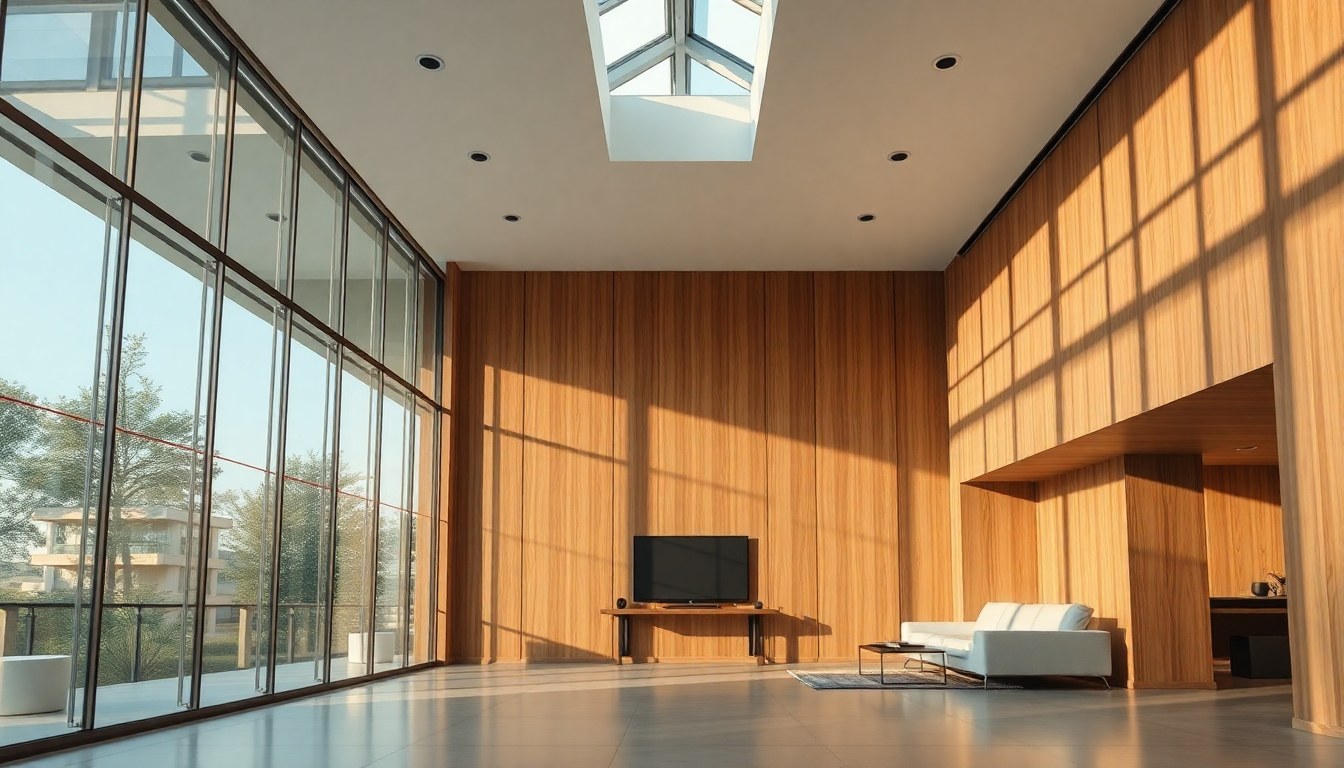
As energy efficiency becomes a critical concern for Indian buildings facing extreme temperature variations, the choice between Vacuum Insulated Glass (VIG) and traditional Insulated Glass Units (IGU) has never been more important. While IGUs have dominated the market for decades, VIG technology represents a quantum leap in thermal performance, offering superior insulation in remarkably thinner profiles—though at a premium price point that requires careful consideration for Indian market conditions.
Understanding the Core Technology Differences
Insulated Glass Units, commonly known as double-glazed or triple-glazed windows, consist of two or more glass panes separated by air or inert gas-filled spaces. The gap between panes typically ranges from 12mm to 16mm, with spacers around the perimeter maintaining separation. These units rely on the low thermal conductivity of trapped gas to reduce heat transfer, making them significantly more efficient than single-pane glass.
Vacuum Insulated Glass takes a fundamentally different approach by creating a near-complete vacuum between two glass panes separated by microscopic support pillars. This vacuum space measures just 0.2mm to 0.3mm, eliminating convection and conduction heat transfer almost entirely. The result is thermal performance that rivals or exceeds triple-glazed IGUs while maintaining a total thickness of just 6mm to 8mm—comparable to single-pane glass.
The technological sophistication of VIG lies in its edge seal technology and micro-spacer array. Thousands of tiny pillars, each approximately 0.5mm in diameter and spaced at regular intervals, prevent the glass panes from collapsing under atmospheric pressure while maintaining the vacuum. This engineering marvel allows VIG to achieve U-values as low as 0.4 W/m²K, compared to typical double-glazed IGU values of 1.6 to 2.8 W/m²K.
Thermal Performance Analysis for Indian Climate Zones
India's diverse climate zones—from the scorching heat of Rajasthan to the cold winters of Kashmir and humid coastal regions—demand different glazing solutions. VIG technology demonstrates exceptional performance across all these conditions due to its superior insulation properties. In hot climates like Hyderabad or Chennai, VIG can reduce cooling loads by up to 60% compared to single-pane glass and approximately 30-40% compared to standard double-glazed units.
For commercial projects, specialists like Adaptec Glass Specialities can provide guidance on selecting appropriate glazing solutions based on specific climate requirements. The thermal resistance of VIG remains consistent regardless of orientation, making it particularly valuable for west-facing facades that experience intense afternoon heat in Indian cities.
Condensation Resistance and Humidity Management
Indian buildings frequently face condensation issues during monsoon seasons and in air-conditioned spaces. VIG's exceptional performance extends to condensation resistance, with the inner glass surface temperature remaining much closer to room temperature even when exterior conditions are extreme. This dramatically reduces condensation formation, preventing the mold growth and water damage common with less efficient glazing systems.
Traditional IGUs can experience condensation when the temperature differential exceeds their design limits, particularly in poorly designed installations. The vacuum barrier in VIG essentially eliminates this concern, making it ideal for high-humidity environments in coastal cities like Mumbai, Kolkata, or Kochi.
Thickness Advantages and Architectural Flexibility
One of VIG's most compelling advantages is its slim profile. While achieving equivalent thermal performance with IGU technology requires 24mm to 32mm total thickness for double or triple glazing, VIG delivers superior results in just 6-8mm. This thickness advantage opens significant architectural possibilities that were previously impractical or impossible.
For heritage building renovations where maintaining original window frame dimensions is essential, VIG can be retrofitted into existing frames designed for single-pane glass. Interior designers working on such projects, including firms like Concept craves, can specify VIG to dramatically improve energy efficiency without altering the building's historic character or requiring extensive frame modifications.
The reduced thickness also translates to significant weight savings. VIG units weigh approximately 40-50% less than equivalent-performance IGUs, reducing structural load requirements and simplifying installation. This becomes particularly important for high-rise buildings, curtain wall systems, and projects with weight restrictions.
Cost Analysis and Return on Investment
The primary barrier to VIG adoption in India remains cost. Currently, VIG technology costs approximately 3 to 5 times more than standard double-glazed IGUs per square meter. A typical VIG installation might range from ₹4,500 to ₹8,000 per square meter, compared to ₹1,200 to ₹2,500 for quality double-glazed IGUs. These prices vary based on glass specifications, coatings, and supplier.
However, the return on investment calculation extends beyond initial purchase price. VIG's superior thermal performance translates to substantial energy savings over the building's lifetime. In commercial buildings with high cooling loads, the payback period can range from 5 to 8 years, depending on electricity costs and usage patterns. For residential applications, payback periods extend to 10-15 years, making VIG more suitable for premium projects or energy-conscious homeowners.
Long-Term Durability Considerations
IGU technology has a proven track record spanning decades, with quality units lasting 20-25 years before seal failure compromises performance. VIG technology, being relatively newer, has limited long-term field data in Indian conditions, though accelerated testing suggests comparable or superior longevity. The vacuum seal's integrity is critical—any breach eliminates the performance advantage entirely.
Warranty terms reflect this difference. Established IGU manufacturers typically offer 10-15 year warranties, while VIG warranties currently range from 10-15 years as well, though the technology's newer status means fewer manufacturers provide extensive guarantees in the Indian market.
Availability and Supply Chain in India
Traditional IGU manufacturing has matured significantly in India, with dozens of domestic manufacturers producing quality units across major cities. Glass dealers such as Kajal Glass Shop can typically source standard IGU configurations with lead times of 1-2 weeks for common specifications.
VIG availability in India remains limited. As of 2024, most VIG units are imported, primarily from manufacturers in Japan, South Korea, and China. This creates several challenges: longer lead times of 6-12 weeks, higher shipping costs, import duties adding 20-30% to base prices, and limited local technical support for installation and maintenance.
Some Indian glass processors have begun partnering with international VIG manufacturers to offer domestic assembly or are developing indigenous production capabilities. This trend should gradually improve availability and reduce costs, though VIG is likely to remain a premium product for the foreseeable future.
Best Applications for Each Technology
VIG technology excels in specific applications where its unique advantages justify the premium cost. Heritage building retrofits represent an ideal use case, allowing dramatic energy efficiency improvements without visible alterations. High-performance commercial buildings pursuing green certifications like LEED Platinum or GRIHA 5-star ratings benefit from VIG's exceptional U-values.
Slim-profile curtain walls and frameless glazing systems leverage VIG's thickness advantage to achieve clean, minimalist aesthetics impossible with bulky IGUs. Acoustic-sensitive environments also benefit, as VIG provides excellent sound insulation despite its thin profile—valuable for buildings near airports, highways, or in dense urban environments.
Traditional IGUs remain the practical choice for most residential and commercial projects where budget constraints are significant. Modern low-E coated double-glazed units offer excellent performance at accessible price points, making them suitable for widespread adoption. For projects spanning multiple climate zones or requiring diverse glass specifications, IGU's flexibility and availability provide practical advantages.
Hybrid Approaches and Future Trends
Some architects and builders are adopting hybrid strategies, using VIG for critical facades with maximum solar exposure or thermal stress while specifying standard IGUs for less demanding orientations. This optimizes the performance-to-cost ratio while demonstrating commitment to energy efficiency.
As manufacturing scales up and technology matures, VIG costs are expected to decline. Industry projections suggest that by 2030, VIG may achieve price parity with triple-glazed IGUs, potentially transforming the market landscape and making this superior technology accessible for mainstream applications.
Frequently Asked Questions
What is the typical U-value difference between VIG and standard IGU?
VIG units typically achieve U-values between 0.4 and 0.7 W/m²K, while standard double-glazed IGUs range from 1.6 to 2.8 W/m²K. This means VIG provides approximately 60-75% better thermal insulation than conventional double glazing. Even compared to triple-glazed IGUs (U-value around 0.8-1.2 W/m²K), VIG still offers 20-40% superior performance while being significantly thinner.
Can VIG be used in Indian coastal areas with high humidity and salt exposure?
Yes, VIG performs exceptionally well in coastal environments. The hermetically sealed vacuum space prevents internal condensation and corrosion. However, the edge seal and external glass surfaces require appropriate coatings and materials rated for marine environments. Specify stainless steel or corrosion-resistant edge seals and consider protective coatings on exterior surfaces for optimal longevity in salt-laden coastal air.
Is VIG worth the extra cost for residential projects in India?
For most residential projects, standard double-glazed IGUs offer better value. VIG becomes worthwhile in premium residences where homeowners prioritize maximum energy efficiency, in heritage homes requiring slim retrofits, or in passive house designs targeting minimal energy consumption. The 10-15 year payback period for residential applications makes VIG a long-term investment rather than a purely financial decision.
What happens if the vacuum seal fails in VIG?
If the vacuum seal fails, VIG performance degrades to approximately that of standard double glazing, as air enters the cavity. Quality VIG units include visual indicators or monitoring systems to detect seal failure. Reputable manufacturers offer warranties covering seal integrity, typically 10-15 years. Proper installation and avoiding edge damage during handling are critical to preventing premature seal failure.
Are there Indian manufacturers producing VIG locally?
As of 2024, large-scale VIG manufacturing in India is limited, with most units imported. However, several Indian glass processors are developing partnerships with international VIG manufacturers and investing in domestic production capabilities. Some companies offer assembly services using imported VIG components. The market is evolving, and increased local production is expected within the next 3-5 years as demand grows and technology transfer agreements mature.
Whether you choose cutting-edge VIG technology or proven IGU solutions, selecting the right glazing partner is essential for project success. Explore verified glass suppliers, dealers, and installation specialists on the glassy.in directory to find experienced professionals who can guide your glazing decisions and ensure proper specification and installation for your specific requirements.