
Glass Guides
Glass Flooring Systems: Structural Requirements and Safety Standards for Indian Homes
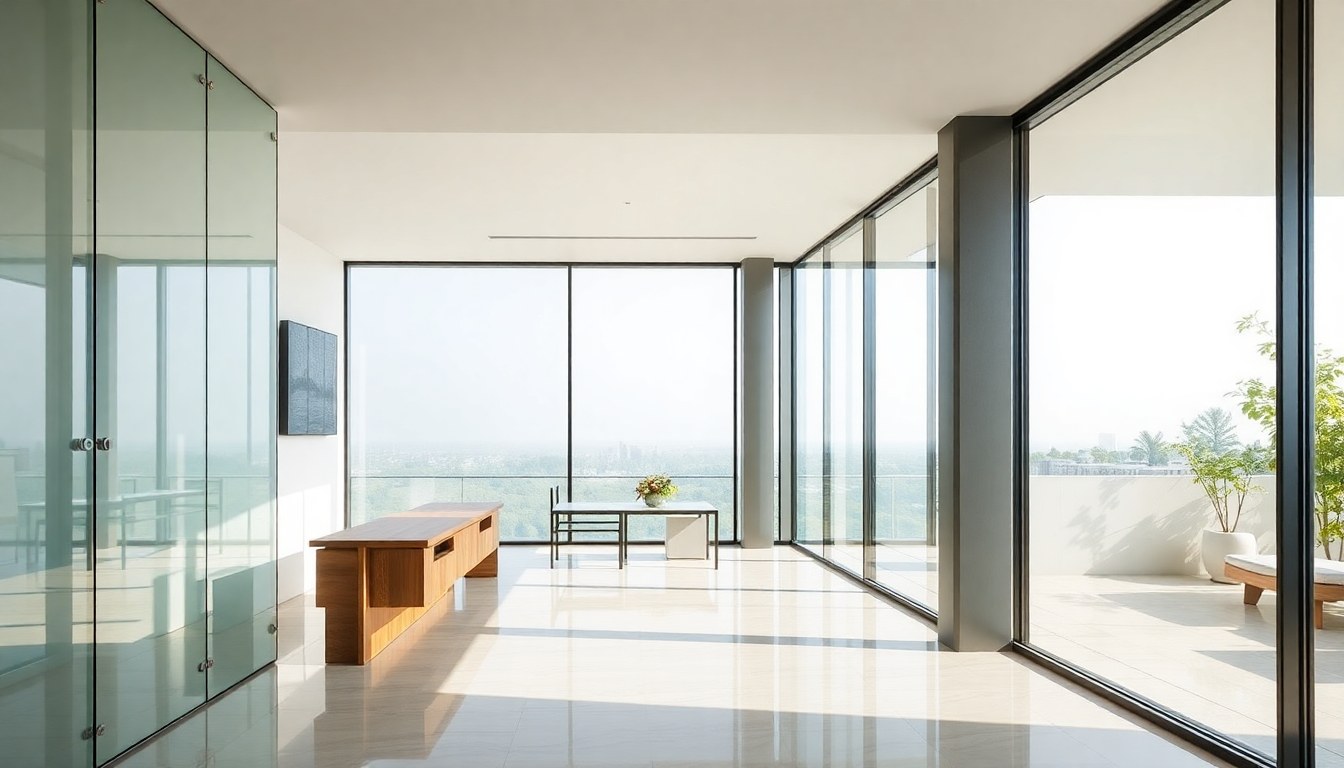
Glass flooring has emerged as a stunning architectural feature in modern Indian homes, creating visual drama while flooding lower levels with natural light. Whether you're planning a transparent walkway over a courtyard, a glass bridge between rooms, or a full glass floor section, understanding the structural and safety requirements is essential for a successful, long-lasting installation. This comprehensive guide covers everything from load-bearing specifications to BIS standards, helping you make informed decisions for your residential glass flooring project.
Understanding Load-Bearing Requirements for Residential Glass Floors
The structural integrity of glass flooring depends primarily on its ability to withstand static and dynamic loads. For residential applications in India, glass floors must safely support a minimum live load of 2 kN/m² (approximately 200 kg per square meter) as per IS 875 Part 2 specifications. However, most engineers recommend designing for 3-5 kN/m² to provide adequate safety margins for furniture, gatherings, and concentrated point loads.
The load-bearing capacity is achieved through laminated glass construction, where multiple glass layers are bonded with interlayers. A typical residential glass floor uses laminated units ranging from 25mm to 50mm in total thickness, depending on the span and support conditions. Smaller panels with frequent support points can use thinner glass, while larger unsupported spans require thicker laminates.
Deflection is equally critical. Indian standards recommend limiting deflection to span/200 under full load to prevent discomfort and ensure long-term durability. For a 2-meter span, this translates to a maximum deflection of 10mm. Engineers must calculate deflection based on glass thickness, panel dimensions, support type, and expected loads using finite element analysis or established formulas.
Lamination Specifications and Glass Types
Laminated glass is mandatory for all walk-on applications due to its fail-safe characteristics. When fractured, the interlayer holds glass shards together, preventing catastrophic failure and maintaining residual load-bearing capacity. The most common lamination configurations for Indian residential floors include:
- Light-duty applications: 12mm + 1.52mm PVB + 12mm toughened glass (total 25.52mm)
- Standard residential: 15mm + 1.52mm PVB + 15mm + 1.52mm PVB + 15mm toughened glass (total 48.04mm)
- Heavy-duty or large spans: 19mm + 2.28mm PVB + 19mm + 2.28mm PVB + 19mm toughened glass (total 61.56mm)
Polyvinyl butyral (PVB) is the standard interlayer material, offering excellent adhesion and optical clarity. For enhanced performance, some installations use SentryGlas (ionoplast interlayer), which is several times stiffer than PVB, allowing for thinner overall constructions or longer spans. While more expensive, SentryGlas is particularly valuable in high-humidity Indian climates as it resists edge delamination better than PVB.
Toughened vs. Heat-Strengthened Glass
All glass layers in flooring systems must be either toughened (fully tempered) or heat-strengthened. Toughened glass offers four to five times the strength of annealed glass and breaks into small, relatively harmless cubes. Heat-strengthened glass provides twice the strength of annealed glass and breaks into larger shards but offers better optical quality with less distortion. Many premium installations use heat-strengthened glass for the top layer to minimize visual distortion while using toughened glass for lower layers.
Anti-Slip Surface Treatments and Finishes
Safety on glass floors extends beyond structural capacity to slip resistance, especially in Indian homes where family members often walk barefoot. The coefficient of friction for glass flooring should meet or exceed 0.5 (dry conditions) and 0.4 (wet conditions) to comply with safety norms for pedestrian surfaces.
Several anti-slip treatments are available for residential glass floors:
- Acid-etched finish: Chemical treatment creating a uniform matte surface with good slip resistance and even light diffusion
- Sandblasted texture: Mechanical abrasion producing a frosted appearance with excellent grip
- Ceramic frit patterns: Fired-on ceramic dots or patterns providing slip resistance while maintaining transparency
- Anti-slip coatings: Applied treatments like nano-coatings that enhance friction without significantly altering appearance
- Embedded materials: Textured interlayers or embedded aggregates within the laminate
The choice depends on aesthetic preferences, maintenance requirements, and the specific application. Acid-etched and sandblasted finishes are popular in Indian homes as they hide minor scratches and footprints better than clear glass. For areas prone to water exposure, such as glass floors near swimming pools or bathrooms, more aggressive texturing or ceramic frit patterns are recommended.
BIS Standards and Regulatory Compliance
While India does not yet have a specific BIS standard exclusively for glass flooring systems, several existing standards govern the materials and installation practices. Compliance with these standards ensures safety and quality:
- IS 2553: Specifications for safety glass including toughened and laminated glass
- IS 14900: Indian Standard for transparent float glass — the base glass that safety glass is made from
- IS 875 (Part 2): Code of practice for design loads for buildings and structures
- SP 34: Handbook on concrete reinforcement and detailing (relevant for support structures)
Additionally, glass flooring installations should reference international standards such as BS 6180 (British Standard for barriers in and about buildings) and ASTM E2751 (Standard Specification for Overhead Transparent Panels) for guidance on design parameters not covered by Indian codes.
Certification and Testing
Reputable glass processors in India provide test certificates confirming that glass meets toughening standards and that lamination has been performed correctly. For critical installations, demand impact resistance testing as per IS 2553 and load testing documentation. Some high-end projects commission independent structural engineers to verify calculations and witness on-site load tests before final acceptance.
Structural Support Systems and Framing
The supporting structure is as critical as the glass itself. Glass flooring systems in Indian homes typically employ one of three support methods:
Four-side supported panels are the most common, where glass rests on a continuous frame around all edges. This provides maximum support and allows for thinner glass sections. The frame is typically constructed from structural steel sections with neoprene or EPDM gaskets to prevent direct glass-to-metal contact. The frame must be designed to remain rigid under load, as excessive frame deflection can stress the glass.
Point-supported systems use specialized fixings at glass corners or intermediate points, creating a floating appearance. This method requires thicker glass (typically 40mm minimum for residential applications) and precise engineering to distribute loads through the fixing points. Stainless steel fixings with stress-distributing washers are standard, and holes must be drilled with proper clearances to accommodate thermal expansion.
Linear support systems support glass on two opposite edges, creating a bridge effect. This configuration demands the thickest glass sections and careful attention to deflection limits. It's commonly used for walkways between buildings or over atriums where minimizing vertical supports is architecturally desirable.
Thermal Expansion Considerations
Glass expands and contracts as temperatures change. In Indian climates where glass floors may experience temperature variations of 30-40°C between seasons, adequate expansion joints are essential. Minimum edge clearances of 5-8mm should be maintained around all glass panels, filled with neutral-cure silicone or EPDM gaskets that accommodate movement without stressing the glass.
Installation Best Practices for Indian Conditions
Successful glass flooring installation requires meticulous attention to detail and experienced contractors familiar with structural glass systems. The supporting structure must be perfectly level—deviations beyond 2mm over 2 meters can create stress concentrations in the glass. In Indian construction, where concrete work may not always meet tight tolerances, this often requires shimming and adjustment of the support frame.
Setting blocks and edge blocks must be positioned correctly to distribute loads and prevent glass-to-frame contact. Setting blocks are typically neoprene or EPDM, sized to provide adequate bearing area (minimum 25mm x 25mm) and positioned at quarter points along supported edges. Edge blocks maintain proper clearances and prevent lateral movement during installation.
Weather conditions during installation matter significantly. Avoid installation during monsoon periods or high humidity, as moisture can interfere with sealant curing and potentially affect laminate edges. Ideal conditions are dry weather with temperatures between 15-30°C. All sealants should be neutral-cure silicone compatible with glass and structural materials.
Maintenance and Long-Term Care
Regular inspection and maintenance ensure glass floors remain safe and attractive. Inspect sealant joints annually for deterioration, especially in high-humidity regions like coastal cities. Clean glass with pH-neutral cleaners and soft cloths—avoid abrasive materials that can scratch anti-slip treatments. Check for edge delamination in laminated units, particularly in areas exposed to moisture, and address any issues immediately.
Cost Considerations and Project Planning
Glass flooring represents a significant investment, with costs varying based on specifications, area, and complexity. Rates vary widely with specification, span, support system, and city, so we don’t publish per-square-foot figures here — see our regularly updated glass price guide for current indicative glass rates, and remember that a complete walk-on system includes structural framing, engineering, and installation in addition to the glass panels.
Projects requiring custom engineering, point-supported systems, or specialized finishes will fall at the higher end of this range. Obtain detailed quotations from at least three suppliers, ensuring quotes include structural calculations, test certificates, installation, and warranty. Reputable suppliers in metros like Mumbai, Delhi, Bangalore, and Chennai offer complete turnkey solutions.
Ask your supplier for the fabrication lead time on laminated glass — custom sizes and specifications take longer. Coordinate glass delivery with construction schedules to avoid storage issues and potential damage. Ensure your structural engineer reviews and approves all glass specifications before ordering.
Frequently Asked Questions
What thickness of glass is required for a residential glass floor in India?
For standard residential applications with adequate support, a laminated glass unit of 25-40mm total thickness is typical. A common specification is three layers of 12-15mm toughened glass laminated together. The exact thickness depends on span length, support conditions, and expected loads. Consult a structural engineer for calculations specific to your project, as undersized glass can fail catastrophically while oversized glass adds unnecessary cost and weight.
Is glass flooring safe for homes with children and elderly family members?
Yes, when properly designed and installed with appropriate anti-slip treatments, glass flooring is safe for all family members. The laminated construction ensures that even if glass breaks, it remains intact and continues to bear loads. Anti-slip finishes like acid-etching or ceramic frit patterns provide secure footing comparable to traditional flooring materials. Many families in India successfully use glass flooring in high-traffic areas including staircases and hallways.
How do glass floors perform in Indian summer heat and monsoon humidity?
Quality laminated glass with proper interlayers performs well in Indian climatic conditions. PVB interlayers are stable across the temperature ranges experienced in India, and toughened glass resists thermal stress. However, edge sealing is critical in humid climates to prevent moisture ingress that can cause delamination. Ensure edges are properly polished and sealed, and avoid direct water contact with laminate edges. In coastal or high-humidity regions, consider ionoplast interlayers for enhanced moisture resistance.
Can glass flooring be installed over existing floors or does it require structural modification?
This depends entirely on the existing structure's load-bearing capacity and the glass flooring design. Some installations can be surface-mounted on existing concrete slabs if the slab can support the additional dead load and the glass floor's live loads. However, many projects require structural modifications to create recessed frames or add support beams. A structural engineer must assess your existing structure and determine what modifications, if any, are necessary. Never attempt to install glass flooring without proper structural evaluation.
What maintenance does glass flooring require and how long does it last?
Glass flooring requires minimal maintenance—regular cleaning with pH-neutral glass cleaners and periodic inspection of sealant joints and edges. Avoid abrasive cleaners that can damage anti-slip treatments. With proper installation and maintenance, laminated glass floors can last 25-30 years or more. The main long-term concerns are edge seal deterioration in humid conditions and surface scratching from abrasive debris. Annual professional inspections are recommended for safety-critical installations like overhead glass or large unsupported spans.
Ready to explore glass flooring options for your home? Visit glassy.in, India's largest glass business directory, to connect with experienced glass processors, structural engineers, and installers specializing in walk-on glass systems. Find verified suppliers in your city who can provide detailed quotations, engineering support, and professional installation services for your residential glass flooring project.