
Glass Guides
Thermal Break Spacer Bars in IGU: Warm-Edge Technology for Srinagar Winter Homes
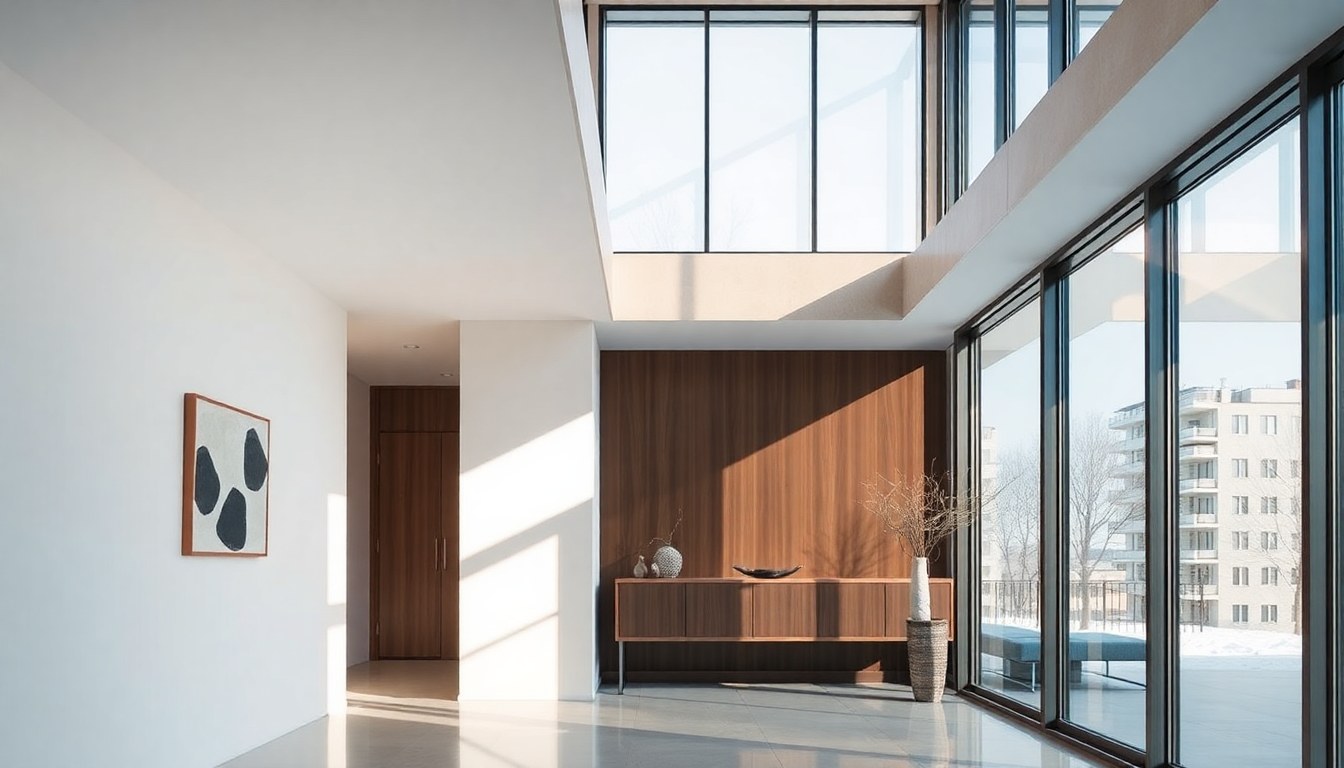
Srinagar's sub-zero winters demand windows that do more than just keep out the cold—they must prevent condensation, minimize heat loss, and maintain comfort without driving up heating bills. Warm-edge spacer bars in insulated glass units (IGUs) are the often-overlooked component that makes this possible, reducing edge-of-glass heat transfer by up to 60% compared to traditional aluminum spacers. For homeowners and builders in Kashmir's capital, choosing the right spacer technology can mean the difference between frost-free windows and perpetual condensation problems.
Understanding Spacer Bars and Edge-of-Glass Heat Loss
The spacer bar is the structural component that separates two or more glass panes in an IGU, maintaining the air or gas-filled cavity that provides insulation. While the center-of-glass area benefits from low-emissivity coatings and inert gas fills, the edge of the glass—where the spacer sits—creates a thermal bridge that conducts heat from the warm interior to the cold exterior. In Srinagar, where winter temperatures routinely drop below freezing, this edge effect becomes critical.
Traditional aluminum spacers, while structurally sound and economical, have a thermal conductivity of approximately 160 W/mK. This high conductivity creates a cold zone around the window perimeter, leading to two major problems: increased heat loss through the window edge and surface temperatures low enough to cause condensation or even frost formation. Warm-edge technology addresses this by using materials with significantly lower thermal conductivity.
The edge-of-glass zone typically accounts for 10-15% of a window's total area but can be responsible for 20-30% of its heat loss. For a typical Srinagar home with 30-40 square meters of glazing, upgrading to warm-edge spacers can reduce overall window heat loss by 5-8%, translating to measurable savings on heating costs over a harsh winter season.
Types of Warm-Edge Spacer Technologies
Stainless Steel Spacers
Stainless steel spacers offer thermal conductivity around 17 W/mK—nearly ten times lower than aluminum. These thin-walled spacers typically feature a U-shaped or tubular profile that maintains structural integrity while minimizing the conductive path. The reduced metal content and lower conductivity result in warmer edge temperatures, significantly reducing condensation risk even when outdoor temperatures plummet.
Stainless steel spacers are durable, resistant to moisture and corrosion, and maintain consistent performance over decades. They're particularly well-suited to Srinagar's climate, where temperature differentials between inside and outside can exceed 30-40°C during winter nights. The material's inherent strength also allows for thinner profiles, reducing the visible sightline for a more elegant window appearance.
Hybrid and Composite Spacers
Hybrid spacers combine a thin stainless steel or galvanized steel structural component with a thermally insulating polymer shell. The polymer—typically polypropylene or silicone-based—has thermal conductivity as low as 0.2-0.3 W/mK, providing exceptional thermal performance. These spacers deliver the best of both worlds: structural strength from the metal core and superior insulation from the polymer coating.
Composite spacers made entirely from engineered polymers or fiberglass-reinforced materials represent the cutting edge of warm-edge technology. With thermal conductivity values below 0.5 W/mK, they virtually eliminate the thermal bridge at the window edge. However, their higher cost and specific manufacturing requirements mean they're typically specified for premium projects where maximum energy efficiency justifies the investment.
Thermally Improved Aluminum Spacers
For projects with tighter budgets, thermally improved aluminum spacers offer a middle ground. These feature thermal breaks—polymer inserts within the aluminum profile—that interrupt the conductive path. While not as effective as stainless steel or hybrid options, they still provide 30-40% better thermal performance than conventional aluminum spacers at a modest cost premium. Architects and designers working on residential projects can consult specialists like Flow Architects to balance performance requirements with budget constraints.
Performance Benefits in Srinagar's Climate
Condensation control is perhaps the most immediately visible benefit of warm-edge spacers in Srinagar homes. When interior humidity meets a cold surface—such as the edge of a window with aluminum spacers—moisture condenses, leading to water damage, mold growth, and degraded indoor air quality. Warm-edge spacers raise the edge-of-glass surface temperature by 3-7°C, keeping it above the dew point even when outdoor temperatures drop well below zero.
Energy savings, while less visible, compound over time. A typical Srinagar home might spend ₹15,000-25,000 per winter on heating. Reducing window heat loss by 6-8% through warm-edge technology can save ₹900-2,000 annually. Over a 20-year window lifespan, this amounts to ₹18,000-40,000 in savings—often exceeding the initial cost premium for warm-edge spacers.
- Reduced condensation: Edge temperatures 3-7°C warmer than aluminum spacers
- Lower heat loss: 5-8% reduction in overall window U-value
- Improved comfort: Warmer window edges eliminate cold downdrafts near glazing
- Extended IGU lifespan: Less thermal stress on edge seals reduces seal failure risk
- Enhanced sound insulation: Some warm-edge designs provide marginal acoustic benefits
Cost Considerations and ROI for Kashmir Homeowners
The cost premium for warm-edge spacers varies by technology and project scale. Upgrading from aluminum to stainless steel spacers typically adds ₹150-250 per square meter of IGU area. Hybrid spacers command a premium of ₹200-350 per square meter, while advanced composite spacers can add ₹300-500 per square meter. For a typical Srinagar home with 30 square meters of glazing, the total upgrade cost ranges from ₹4,500 to ₹15,000.
Return on investment depends on heating costs, window area, and the severity of winter conditions. In Srinagar's climate, payback periods for stainless steel spacers typically range from 8-12 years through energy savings alone. When factoring in avoided condensation damage, improved comfort, and potential property value enhancement, the value proposition becomes more compelling. Glass suppliers like Adaptec Glass Specialities can provide detailed quotations comparing different spacer options for specific projects.
It's worth noting that warm-edge spacers deliver maximum value when combined with other high-performance IGU features: low-emissivity coatings, argon or krypton gas fills, and appropriate glass thickness. A warm-edge spacer in a single-glazed unit or a basic double-glazed unit without low-E coating will still underperform compared to a well-specified IGU system. Consulting with experienced professionals ensures all components work together optimally.
Sourcing Warm-Edge IGUs in Srinagar
The availability of warm-edge spacer technology in Srinagar has improved significantly as awareness of energy-efficient construction grows. Several glass fabricators and dealers in the region now offer IGUs with warm-edge options, though selection may be more limited than in major metros. When sourcing IGUs for a Srinagar project, verify that the fabricator has experience with warm-edge assembly, as proper installation of these spacers requires specific equipment and techniques.
Quality certification matters significantly for IGU performance and longevity. Look for units manufactured according to IS 2835 standards for sealed insulating glass units, with spacers from reputable manufacturers. European spacer brands like Swisspacer, TGI, and Thermix are available through premium suppliers, while domestic manufacturers are increasingly offering competitive warm-edge solutions at lower price points.
For new construction or major renovation projects, working with architects and interior designers familiar with energy-efficient glazing ensures proper specification. Firms like Concept craves can integrate warm-edge IGU selection into the overall building envelope strategy, maximizing the performance benefits while coordinating with other energy-saving measures like improved insulation and air sealing.
Installation and Maintenance Considerations
Proper installation is critical to realizing the full benefits of warm-edge spacers. The window frame itself must provide adequate thermal break performance—a high-performance IGU in a highly conductive aluminum frame without thermal breaks will still suffer from condensation and heat loss. uPVC, fiberglass, or thermally broken aluminum frames complement warm-edge IGUs by minimizing frame-related thermal bridging.
Edge seal integrity determines IGU lifespan and performance. Warm-edge spacers often incorporate desiccant materials within the spacer cavity to absorb any moisture that might penetrate the edge seal over time. This desiccant capacity should be appropriate for Srinagar's climate, where seasonal humidity variations can stress edge seals. Quality warm-edge IGUs typically carry warranties of 10-15 years against seal failure and gas loss.
Maintenance requirements for warm-edge IGUs are minimal. Regular cleaning of glass surfaces with non-abrasive cleaners and periodic inspection of edge seals for signs of moisture infiltration (fogging between panes) are generally sufficient. The spacer itself requires no maintenance, though the surrounding frame and glazing gaskets should be checked annually to ensure continued weather-tightness.
Frequently Asked Questions
What is the difference between warm-edge and cold-edge spacers in IGU windows?
Warm-edge spacers use materials with low thermal conductivity—such as stainless steel, hybrid metal-polymer, or composite materials—to reduce heat transfer at the window edge. Cold-edge spacers, typically made from aluminum, conduct heat readily, creating a thermal bridge that leads to edge condensation and increased heat loss. Warm-edge spacers raise edge-of-glass surface temperatures by 3-7°C, significantly reducing condensation risk and improving overall window energy efficiency by 5-8% in cold climates like Srinagar.
How much more do warm-edge spacer IGUs cost compared to standard aluminum spacers?
Warm-edge spacers typically add ₹150-500 per square meter to IGU costs, depending on the technology chosen. Stainless steel spacers are at the lower end (₹150-250/sqm premium), hybrid spacers in the middle (₹200-350/sqm), and advanced composite spacers at the upper end (₹300-500/sqm). For a typical Srinagar home with 30 square meters of glazing, the total upgrade cost ranges from ₹4,500 to ₹15,000, with payback periods of 8-12 years through energy savings in Kashmir's climate.
Can I retrofit existing windows with warm-edge spacers?
Warm-edge spacers cannot be retrofitted to existing IGUs, as they are permanently sealed during manufacturing. However, if your existing windows suffer from edge condensation or excessive heat loss, replacing just the IGU panels (rather than the entire window frame) with new warm-edge units is often possible and cost-effective. This approach preserves functional frames while upgrading thermal performance. Consult with local glass suppliers to assess whether your existing frames can accommodate new IGUs.
Which warm-edge spacer material is best for Srinagar's winter climate?
For Srinagar's severe winters with temperatures regularly below freezing, stainless steel or hybrid spacers offer the best balance of performance, durability, and cost. Stainless steel spacers provide excellent condensation resistance and long-term reliability at moderate cost. Hybrid spacers with polymer shells deliver superior thermal performance, making them ideal for homes prioritizing maximum energy efficiency. Composite spacers offer the ultimate performance but at premium pricing. The choice depends on budget, performance priorities, and overall window system specification.
Do warm-edge spacers work with argon-filled IGUs and low-E coatings?
Yes, warm-edge spacers are fully compatible with argon or krypton gas fills and low-emissivity coatings—in fact, they complement these features to create a high-performance IGU system. Low-E coatings reduce radiative heat transfer through the center of the glass, while warm-edge spacers minimize conductive heat loss at the edges. Argon gas fill reduces convective heat transfer within the cavity. Together, these technologies can achieve U-values below 1.4 W/m²K, compared to 2.8-3.0 W/m²K for basic double glazing, making them essential for energy-efficient construction in cold climates.
If you're planning a construction or renovation project in Srinagar and want to explore warm-edge IGU options, visit the glassy.in directory to connect with experienced glass suppliers, fabricators, and architectural consultants who can specify the right glazing solution for Kashmir's demanding climate. Quality warm-edge technology is an investment in comfort, energy savings, and long-term building performance.