
Shower Enclosures
Toughened Glass vs Acrylic Sheets for Shower Doors: Complete Comparison
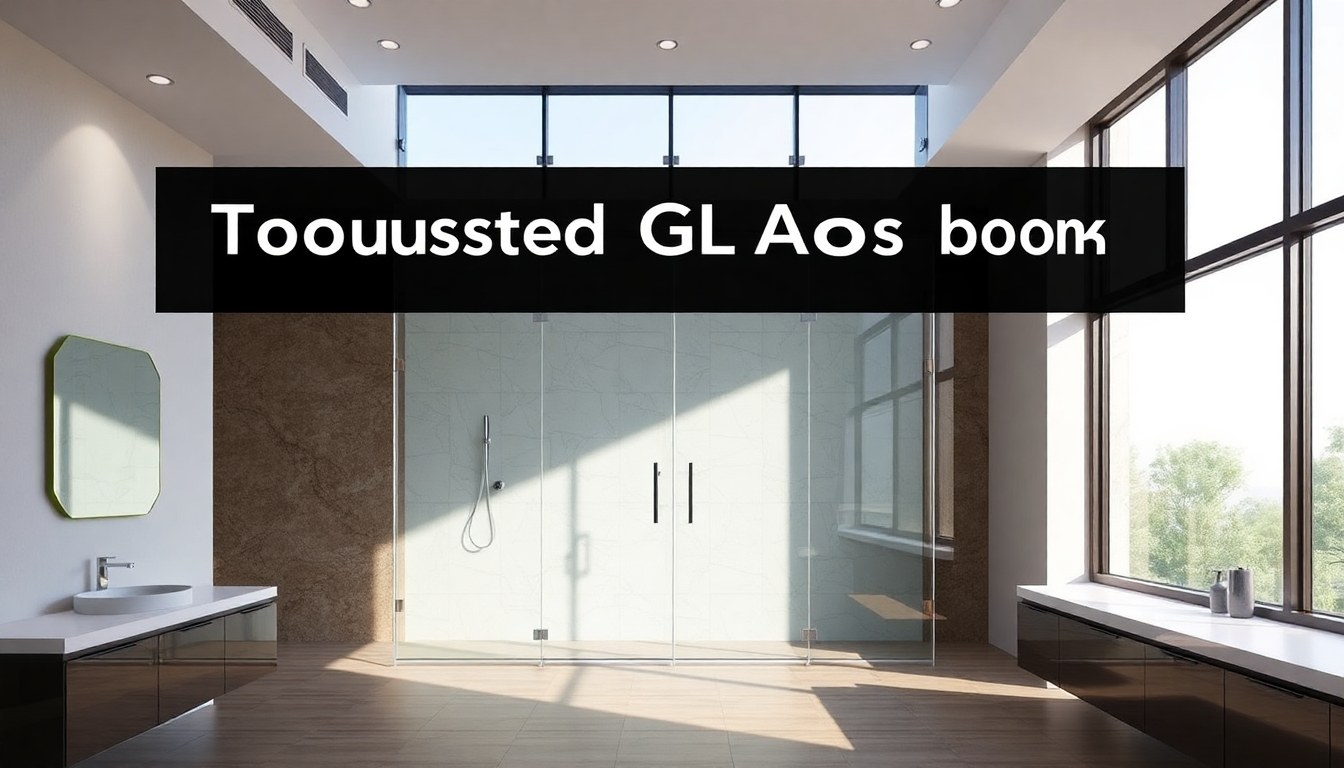
When planning a bathroom renovation or installing a new shower enclosure, one of the most critical decisions you'll face is choosing between toughened glass and acrylic sheets for your shower door. Both materials have their distinct advantages and limitations, and the right choice depends on your budget, aesthetic preferences, safety requirements, and maintenance expectations. This comprehensive guide will help you make an informed decision by examining every aspect of these two popular shower door materials in the context of Indian homes.
Understanding the Materials: What Are You Really Choosing Between?
Toughened glass, also known as tempered glass, is regular glass that has undergone a thermal treatment process involving extreme heating followed by rapid cooling. This process increases the glass's strength by four to five times compared to ordinary annealed glass. When toughened glass breaks, it shatters into small, relatively harmless granular chunks rather than dangerous sharp shards, making it the safety standard for shower enclosures worldwide.
Acrylic sheets, on the other hand, are a type of plastic polymer scientifically known as polymethyl methacrylate (PMMA). Often marketed under brand names like Plexiglass or Perspex, acrylic is a lightweight, impact-resistant material that can be manufactured in various thicknesses and finishes. While not technically glass, acrylic has become a popular alternative for shower doors, particularly in budget-conscious markets and temporary installations.
The fundamental difference lies in their composition: one is an inorganic material (glass) treated for strength, while the other is an organic polymer designed to mimic glass's transparency while offering different physical properties.
Durability and Longevity: Which Material Stands the Test of Time?
Toughened glass is exceptionally durable and resistant to everyday wear and tear. It can withstand temperature variations common in Indian bathrooms, from hot showers to cooler ambient temperatures, without warping or degrading. The surface hardness of toughened glass means it resists scratches remarkably well—you can clean it with various tools and products without worrying about permanent damage. With proper installation and minimal abuse, a toughened glass shower door can easily last 20-30 years or more.
Acrylic sheets are more susceptible to scratching and surface damage. Even routine cleaning with slightly abrasive materials can leave fine scratches that accumulate over time, making the surface appear cloudy or dull. However, acrylic does have superior impact resistance—it's much less likely to shatter from accidental impacts. In households with children or in high-traffic bathrooms, this resilience can be advantageous. The typical lifespan of an acrylic shower door ranges from 5-10 years before the accumulated scratches and potential yellowing necessitate replacement.
Environmental Factors in Indian Climates
In Indian bathrooms, where humidity levels can remain high for extended periods, toughened glass maintains its clarity and structural integrity without any degradation. Acrylic can potentially yellow over time when exposed to UV light and high humidity, though this is more pronounced in bathrooms with direct sunlight exposure. Coastal cities like Mumbai, Chennai, or Kochi, where salt-laden air is common, may see faster degradation of acrylic compared to glass.
Safety Considerations: Protecting Your Family
Safety is paramount in bathroom design, and both materials offer distinct safety profiles. Toughened glass is specifically engineered to be safe—when it does break (which is rare), it crumbles into small, pebble-like pieces with dulled edges rather than sharp, dangerous shards. This safety feature is why building codes in many countries, including India's National Building Code, recommend or require tempered glass for shower enclosures.
Acrylic sheets are virtually shatterproof under normal use conditions. They can crack or break under extreme force, but they won't create the spray of fragments that even toughened glass produces. For families with young children, elderly members, or anyone with mobility concerns, the virtually unbreakable nature of acrylic provides peace of mind. However, acrylic can crack or chip at edges and corners if subjected to impact, and these damaged areas can have sharp edges.
One often-overlooked safety aspect is fire behavior. Glass is non-combustible and won't contribute to fire spread. Acrylic, being a plastic, is combustible and can melt or burn, releasing toxic fumes. While bathroom fires are uncommon, this is a consideration for comprehensive home safety planning.
Cost Analysis: Initial Investment and Long-Term Value
The cost difference between toughened glass and acrylic shower doors is significant and often the deciding factor for many Indian homeowners. Acrylic sheets typically cost 40-60% less than toughened glass for the same dimensions. A standard acrylic shower door might cost between ₹8,000-15,000 including basic hardware and installation, while a comparable toughened glass door ranges from ₹15,000-35,000 or more, depending on thickness, finish, and hardware quality.
However, a pure price comparison doesn't tell the complete story. When you factor in longevity, toughened glass often proves more economical over time. Consider this breakdown:
- Toughened glass: ₹25,000 initial cost, 25-year lifespan = ₹1,000 per year
- Acrylic: ₹12,000 initial cost, 7-year lifespan = ₹1,714 per year, plus replacement costs
Additionally, toughened glass adds more value to your property. Real estate agents and potential buyers view glass shower enclosures as premium fixtures, while acrylic is often perceived as a budget alternative. If you're renovating with eventual resale in mind, the glass investment typically offers better returns.
Maintenance and Cleaning: Daily Realities
Maintenance requirements differ substantially between these materials, affecting your daily bathroom routine. Toughened glass is remarkably easy to maintain—it can be cleaned with standard glass cleaners, vinegar solutions, or even mild abrasive cleaners without damage. Hard water stains, common in many Indian cities with high TDS (Total Dissolved Solids) levels, can be removed from glass using descaling agents or even gentle scrubbing.
The smooth, non-porous surface of glass doesn't harbor bacteria or mold, making it more hygienic. A quick squeegee after each shower keeps glass doors looking pristine and prevents water spot buildup. Many homeowners in cities like Delhi, Bangalore, and Pune—where hard water is prevalent—find that glass shower doors maintain their appearance better than acrylic when proper care is taken.
Acrylic requires gentler handling during cleaning. You must avoid abrasive cleaners, scrub brushes, or rough cloths that can scratch the surface. Only soft microfiber cloths and mild, non-abrasive cleaners should be used. Hard water stains can be particularly problematic on acrylic because aggressive cleaning methods that would work on glass will damage the plastic surface. Once scratched, acrylic is difficult to restore, though specialized plastic polishes can minimize the appearance of light scratches.
Dealing with Soap Scum and Mineral Deposits
Both materials can accumulate soap scum, but removal is easier from glass. The hard surface allows for more vigorous cleaning methods, while acrylic's softer surface means you're limited to gentle approaches that may not be as effective. Regular maintenance becomes even more critical with acrylic to prevent buildup that becomes difficult to remove without causing surface damage.
Aesthetics and Design Flexibility
Visual appeal is where toughened glass truly excels. The crystal-clear transparency of glass creates an open, spacious feel in bathrooms, making even small Indian bathroom spaces appear larger. Glass reflects light beautifully, enhancing the overall brightness of the bathroom. It's available in various finishes—clear, frosted, tinted, or with decorative patterns—allowing customization to match any design aesthetic from ultra-modern to traditional.
The premium look of glass elevates the entire bathroom's appearance. It pairs beautifully with chrome, brushed nickel, or gold fixtures popular in Indian bathroom designs. The weight and solidity of glass convey quality and permanence that's immediately perceptible.
Acrylic sheets can achieve transparency, but they never quite match the optical clarity of glass. Over time, minor scratches and potential yellowing can diminish the aesthetic appeal. However, acrylic offers advantages in terms of fabrication—it can be cut, drilled, and shaped more easily than glass, allowing for custom designs or DIY installations. Acrylic is also available in a wider range of colors and textures, though clear remains the most popular choice for shower applications.
For contemporary Indian homes with minimalist or luxury design themes, glass is almost always the preferred choice. Acrylic finds its place more in rental properties, budget renovations, or temporary installations where aesthetics take a back seat to cost considerations.
Installation Considerations
Installation complexity and requirements differ significantly between these materials. Toughened glass is heavy—a standard 8mm shower door panel can weigh 30-40 kilograms—requiring robust wall anchoring, quality hinges or tracks, and professional installation. The walls must be structurally sound, properly waterproofed, and capable of supporting the weight. Installation typically requires specialized tools and expertise, adding to the overall cost but ensuring safety and proper function.
Acrylic's lightweight nature makes it easier to handle and install. A comparable acrylic panel might weigh only 8-10 kilograms, reducing stress on wall fixtures and making DIY installation feasible for handy homeowners. The material can be cut on-site if adjustments are needed, offering flexibility during installation. However, because acrylic expands and contracts more than glass with temperature changes, proper allowance must be made in the framing to prevent warping or stress cracks.
Frequently Asked Questions
Is acrylic safer than toughened glass for shower doors?
Both materials are safe when properly installed. Acrylic is virtually shatterproof, which eliminates the risk of breakage entirely. Toughened glass, while it can break under extreme circumstances, is engineered to crumble into small, relatively harmless pieces rather than dangerous shards. For most households, toughened glass provides excellent safety with superior durability and aesthetics. Acrylic may be preferred in homes with specific safety concerns or for those who prioritize absolute break-resistance over other factors.
How long do acrylic shower doors last compared to glass?
Toughened glass shower doors typically last 20-30 years or more with minimal maintenance, maintaining their appearance and functionality throughout their lifespan. Acrylic shower doors generally last 5-10 years before accumulated scratches, potential yellowing, or surface degradation necessitate replacement. The actual lifespan depends on usage patterns, cleaning methods, water quality, and the specific grade of acrylic used.
Can I use regular cleaners on both glass and acrylic shower doors?
Toughened glass can be cleaned with most standard bathroom cleaners, glass cleaners, vinegar solutions, and even mildly abrasive products without damage. Acrylic requires gentler care—only non-abrasive, mild cleaners and soft cloths should be used. Avoid ammonia-based cleaners, abrasive scrubbers, or any products containing solvents on acrylic, as these can cause cloudiness, scratching, or surface damage.
Which is better for hard water areas in India?
Toughened glass performs better in hard water conditions common in many Indian cities. While both materials will show water spots and mineral deposits, glass can withstand more aggressive cleaning methods needed to remove stubborn hard water stains. Acrylic's softer surface limits your cleaning options, making it harder to maintain a pristine appearance in high-TDS water areas without causing surface scratches.
Does acrylic turn yellow over time?
Lower-quality acrylic can develop a yellowish tint over several years, particularly when exposed to UV light, high heat, or certain cleaning chemicals. Higher-grade acrylic sheets with UV stabilizers resist yellowing better but cost more. Toughened glass maintains its clarity indefinitely and will not yellow, discolor, or lose transparency regardless of age or exposure conditions.
Choosing between toughened glass and acrylic for your shower door ultimately depends on your priorities, budget, and long-term plans for your bathroom. For most homeowners seeking a permanent, premium solution, toughened glass offers superior aesthetics, durability, and value over time. If you need guidance finding quality glass suppliers and fabricators for your shower enclosure project, explore the comprehensive directory at glassy.in, where you can connect with verified glass professionals across India who can help bring your bathroom vision to life.