
Shower Enclosures
Reeded & Fluted Glass: Aesthetic Privacy Solutions for Bathrooms
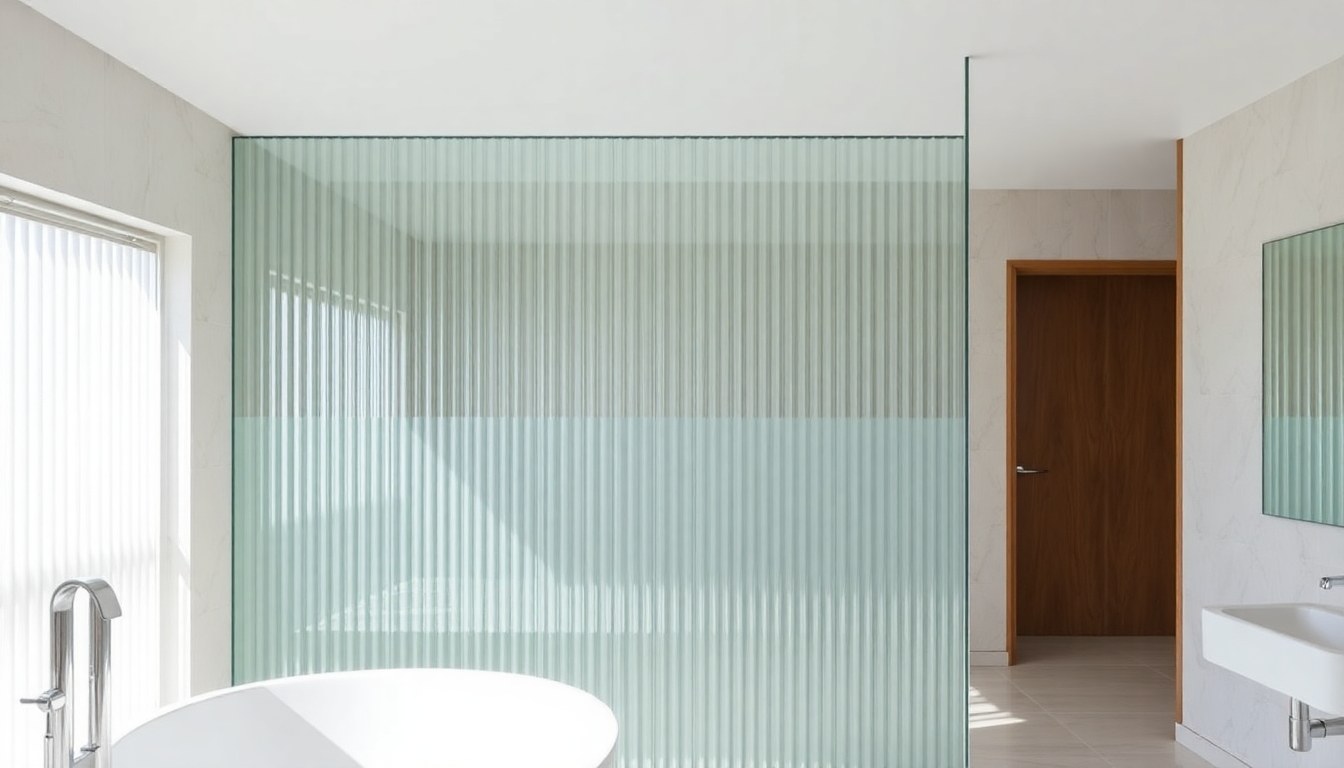
When designing a bathroom, privacy and aesthetics often feel like competing priorities. Reeded and fluted glass delivers the perfect balance—offering visual obscurity while maintaining elegance and allowing diffused natural light to flow through your shower enclosure. These textured glass patterns have become increasingly popular in Indian homes and commercial spaces, transforming functional privacy into a genuine design statement that elevates your bathroom's overall appearance.
Understanding Reeded and Fluted Glass Patterns
Reeded and fluted glass are textured glass solutions created by casting or embossing linear patterns onto glass surfaces. The terms are often used interchangeably, though subtle differences exist. Reeded glass features closely spaced vertical ridges that run parallel to one another, while fluted glass typically has deeper, more pronounced grooves with wider spacing between them. Both patterns distort light and vision in ways that provide privacy without the clinical appearance of traditional frosted glass.
The manufacturing process involves pressing molten glass into molds or rolling textured patterns onto the surface during production. This creates a permanent, three-dimensional texture that won't wear away or require special maintenance. The result is a glass that feels as refined as it looks, with a tactile quality that adds depth to your bathroom design.
Key Differences Between Reeded and Fluted Patterns
- Reeded glass: Finer, more closely spaced ridges create a subtle effect with excellent light diffusion
- Fluted glass: Deeper grooves with more spacing offer stronger privacy while maintaining a bold aesthetic
- Light transmission: Both patterns allow 40-60% light transmission, though fluted glass typically blocks slightly more
- Visual obscurity: Fluted patterns provide slightly more privacy due to deeper grooves; reeded patterns offer a more delicate appearance
- Aesthetic versatility: Reeded glass suits minimalist and contemporary designs; fluted glass works well in both modern and transitional spaces
Privacy Benefits Without Sacrificing Light
Traditional frosted glass achieves privacy by scattering light completely, often resulting in a dull, opaque appearance that darkens your bathroom. Reeded and fluted glass solves this problem by distorting rather than blocking light. The linear patterns refract light at multiple angles, making it impossible to see through while still allowing brightness to penetrate the glass. This means your bathroom remains naturally lit even with the shower enclosure in place.
The privacy level is genuinely effective—anyone outside the shower cannot discern shapes or movement with clarity, yet you maintain a connection to your bathroom space. This psychological benefit matters more than many people realize; complete opacity can feel isolating, while textured glass maintains openness while protecting your privacy.
Light Diffusion and Ambiance
Reeded and fluted patterns create beautiful light effects throughout the day. Morning sunlight refracts through the grooves, casting subtle shadow patterns on your bathroom walls. This dynamic quality gives your space character that changes with the sun's position. The soft, diffused light creates a spa-like ambiance that encourages relaxation—transforming your shower from a purely functional space into a sanctuary within your home.
Design Aesthetics and Style Integration
Reeded and fluted glass seamlessly integrates into various bathroom design schemes. In contemporary homes, these patterns add textural interest without introducing color or complexity. The clean lines of the grooves align naturally with modern minimalist aesthetics, where simplicity and refined details matter equally. In transitional bathrooms, textured glass serves as a bridge between traditional and contemporary elements, adding sophistication without overwhelming the space.
The neutral nature of these patterns means they work with virtually any color palette. Whether your bathroom features cool whites and grays, warm earth tones, or bold accent colors, reeded or fluted glass complements rather than competes. The glass itself becomes an architectural feature—a focal point that demonstrates thoughtful design choices.
Complementary Design Elements
- Pair reeded glass with brushed metal fixtures for a cohesive contemporary look
- Combine fluted glass with natural wood accents for warmer, transitional spaces
- Use textured glass as a contrast element against smooth marble or tile walls
- Layer with subtle lighting to highlight the glass texture and create ambiance
- Select frameless or minimalist frames to let the glass pattern remain the focal point
Practical Considerations for Bathroom Installation
Installing reeded or fluted glass in your bathroom requires understanding both the technical specifications and practical maintenance requirements. These textured surfaces are typically available in thicknesses ranging from 6mm to 10mm, with 8mm being the standard for shower enclosures in Indian bathrooms. The thickness affects both durability and the intensity of the privacy effect—thicker glass provides stronger privacy and better structural integrity.
The grooved surface of textured glass requires slightly different cleaning approaches than smooth glass. Water droplets and mineral deposits can accumulate in the grooves, particularly in hard-water areas common across India. However, this is a minor maintenance consideration—regular cleaning with a soft cloth and mild detergent keeps the glass looking pristine. Some manufacturers offer hydrophobic coatings that reduce water spotting and make cleaning easier.
Cost Considerations in the Indian Market
Reeded and fluted glass typically costs 20-40% more than clear glass but significantly less than custom-frosted or etched options. In major Indian cities like Bangalore, Mumbai, Delhi, and Hyderabad, you can expect to pay between ₹400-800 per square foot for quality textured glass panels, depending on thickness and the specific pattern. Installation costs vary by location and complexity, generally ranging from ₹200-500 per square foot for professional fitting.
When budgeting for a shower enclosure, remember that textured glass is a long-term investment. The pattern won't fade or wear away, and quality glass maintains its clarity and privacy properties for decades. This durability makes it a cost-effective choice compared to alternatives that may require replacement or refinishing.
Comparing Textured Glass Options
Several textured glass varieties exist beyond reeded and fluted patterns, each with distinct characteristics. Understanding these options helps you make an informed decision based on your specific needs and preferences.
Popular Alternatives and How They Compare
- Frosted glass: Completely opaque; blocks all light and vision but can feel cold and institutional
- Obscured/Patterned glass: Random texture; offers privacy but less architectural interest than linear patterns
- Acid-etched glass: Chemically treated surface; elegant but less durable than cast textures
- Reeded/Fluted glass: Linear patterns; excellent privacy with light transmission and strong aesthetic appeal
- Sandblasted glass: Matte finish; versatile but can accumulate dust and requires frequent cleaning
Reeded and fluted glass stands out because it delivers privacy, aesthetics, and durability in a single solution. Unlike frosted glass, it maintains visual connection to your space. Unlike sandblasted finishes, it resists dust accumulation. Unlike acid-etched surfaces, the texture is permanent and won't degrade over time.
Installation Tips and Best Practices
Proper installation ensures your reeded or fluted glass performs optimally for years. Whether you're working with a frameless enclosure or a framed system, certain principles apply universally. The glass must be securely mounted with appropriate hardware that accommodates the specific thickness and weight of textured panels. In India's humid climate, ensuring proper drainage and ventilation around the enclosure prevents water damage and mold growth.
Always work with experienced installers familiar with textured glass. The grooved surface requires careful handling to avoid damage during installation. Reputable glass suppliers in your city can recommend certified installers who understand local building codes and climate considerations. Taking time to find qualified professionals ensures your investment delivers the intended aesthetic and functional benefits.
Frequently Asked Questions
Does reeded or fluted glass provide complete privacy?
Reeded and fluted glass provide effective privacy—people cannot see clear shapes or movement through the glass. However, they can perceive light, shadow, and general silhouettes. If you require absolute opacity, frosted glass is a better choice. For most bathroom applications, textured glass privacy is entirely adequate and offers superior aesthetics.
How do I clean reeded and fluted glass?
Clean textured glass with a soft, lint-free cloth and mild soap solution or a glass cleaner designed for textured surfaces. Avoid abrasive scrubbers that can damage the grooves. In hard-water areas, use distilled water for the final rinse to prevent mineral deposits. A squeegee after each shower helps prevent water spotting. For stubborn deposits, a soft brush can gently clean the grooves without causing damage.
Is reeded or fluted glass more expensive than frosted glass?
Yes, textured glass typically costs 20-40% more than frosted glass due to the manufacturing process and material quality. However, it's often comparable in price to custom-etched options and significantly more affordable than specialized privacy glass treatments. The superior aesthetics and durability justify the investment for most homeowners.
Can reeded and fluted glass be used in humid bathroom environments?
Absolutely. Quality reeded and fluted glass is specifically designed for wet environments. The texture itself doesn't compromise durability. In humid climates like those across India, proper ventilation and drainage around the enclosure are more important than the glass type. Modern textured glass can include hydrophobic coatings that enhance water resistance and reduce maintenance.
What thickness of textured glass should I choose for a shower enclosure?
For standard residential shower enclosures, 8mm tempered glass is the industry standard and provides excellent durability and safety. Thicker options like 10mm offer increased strength for larger installations or commercial applications but come at higher cost. Thinner 6mm glass is less common for shower enclosures due to safety concerns in wet environments. Always verify local building codes in your area.
Transform Your Bathroom with Textured Glass
Reeded and fluted glass represents a sophisticated approach to bathroom design that refuses to compromise between privacy and aesthetics. These textured patterns deliver genuine functional benefits while elevating your space with refined visual interest. Whether you're renovating an existing bathroom or designing a new one, textured glass deserves consideration as a premium solution that balances practical needs with design aspirations.
Ready to explore reeded and fluted glass options for your bathroom project? Browse our directory of trusted glass suppliers and shower enclosure specialists across India on glassy.in. Find verified manufacturers, installers, and retailers in your city who can help bring your bathroom vision to life with quality textured glass solutions.