
Shower Enclosures
Frameless Shower Enclosures: Maintenance & Mold Prevention Tips
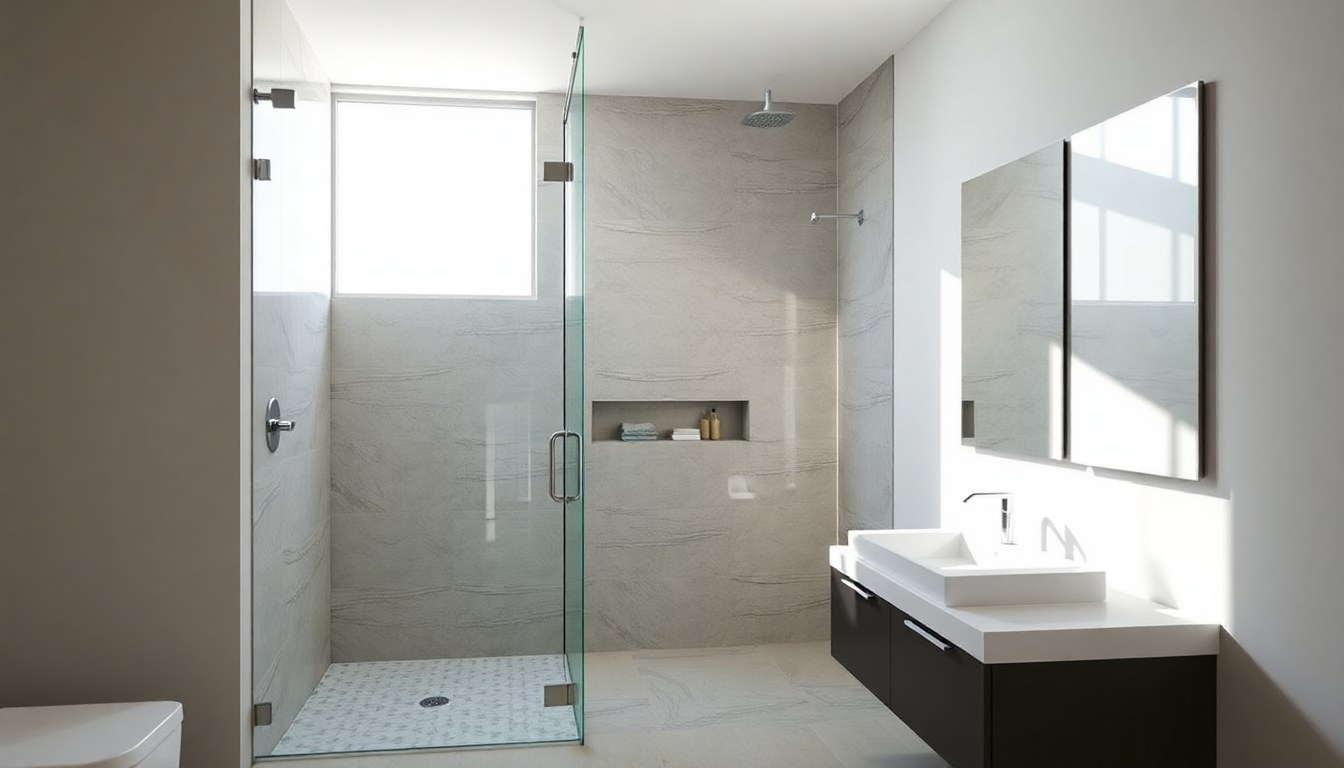
Frameless shower enclosures offer a sleek, modern look that transforms any bathroom into a spa-like retreat. However, without the protective frame that traditional shower doors have, these glass panels are more vulnerable to water seepage, mold growth, and sealant deterioration. The good news is that with the right maintenance routine and preventive measures, your frameless shower enclosure can remain pristine and mold-free for years to come.
Understanding the Frameless Shower Enclosure Design
Frameless shower enclosures consist of tempered glass panels held together by hinges, handles, and specialized sealants rather than aluminum or metal frames. This minimalist design looks stunning but places the entire burden of water-tightness on the silicone sealant and the squeegee habits of the user. The absence of a frame means water can easily find its way into gaps if the enclosure isn't properly maintained.
The key vulnerable areas in a frameless enclosure are the seams where glass panels meet, the bottom threshold, and the hinges. These areas collect water and soap residue, creating an ideal environment for mold and mildew if left unchecked. Understanding this design is the first step toward effective maintenance.
Daily Squeegee Technique for Mold Prevention
The most effective mold prevention strategy is also the simplest: use a squeegee immediately after every shower. A squeegee removes standing water that would otherwise seep into sealants and create moisture pockets where mold thrives. This single habit can dramatically reduce mold growth and extend the life of your sealant.
Proper Squeegee Application
- Angle the squeegee at 45 degrees to the glass surface for maximum water removal efficiency.
- Start from the top of the enclosure and work downward in overlapping strokes to push water toward the drain.
- Pay special attention to the corners and seams where water tends to pool.
- Wipe the squeegee blade on a dry towel between strokes to maintain effectiveness.
- Don't skip the threshold and door edges—these areas collect the most water and are mold hotspots.
Investing in a high-quality squeegee with a soft rubber blade (around ₹300–₹800) will make this task easier and more effective. Replace the blade annually or when you notice it no longer glides smoothly across the glass.
Sealant Care and Longevity
Silicone sealant is the unsung hero of frameless shower enclosures. It prevents water from seeping behind the glass and into your walls, which could lead to structural damage and hidden mold growth. However, sealants deteriorate over time due to constant exposure to moisture, temperature fluctuations, and cleaning chemicals.
Protecting Your Sealant
Avoid harsh chemical cleaners directly on the sealant. Instead, use a pH-neutral cleaner or a solution of equal parts white vinegar and water. Vinegar is a natural mold inhibitor and won't degrade silicone. Never use bleach-based products on sealant, as they accelerate degradation and can cause discoloration.
In humid Indian climates—particularly in cities like Mumbai, Bangalore, and Chennai—sealants may deteriorate faster due to high moisture levels. Inspect your sealant every 3 months for signs of cracking, discoloration, or separation from the glass. Early detection allows you to address issues before water damage occurs.
When to Re-Seal
Most quality silicone sealants last 5–10 years in normal conditions, but in high-humidity climates, you may need to re-seal every 3–5 years. Signs that re-sealing is needed include visible cracks, mold growth along the seam despite regular cleaning, water pooling at the base of the enclosure, or a musty smell in the bathroom.
Re-sealing typically costs ₹2,000–₹5,000 depending on the enclosure size and your location. Professional installation ensures proper application and longevity, though DIY re-sealing is possible if you're comfortable with the process. Always use 100% silicone sealant rated for wet environments—avoid acrylic or polyurethane alternatives that don't perform as well in showers.
Ventilation Strategies to Combat Mold
Mold thrives in warm, moist environments. After your shower, the bathroom becomes a perfect breeding ground for mold spores unless you actively remove the moisture from the air. Proper ventilation is essential to prevent mold growth not just on the enclosure but throughout your bathroom.
Exhaust Fan Usage
Run your bathroom exhaust fan during and for at least 20–30 minutes after each shower. This removes humid air and prevents moisture from condensing on glass and walls. If your bathroom doesn't have an exhaust fan, install one immediately—it's one of the best investments for mold prevention. A quality exhaust fan costs ₹3,000–₹8,000 and should be vented directly outside, not into the attic or crawl space.
Natural Ventilation
Open a bathroom window or door while showering and for 15–20 minutes afterward to promote air circulation. In Indian homes, particularly in monsoon-prone areas, this is especially important. The combination of an exhaust fan and natural ventilation creates optimal moisture removal conditions.
Humidity Monitoring
Bathroom humidity should ideally stay below 60%. If you notice condensation constantly forming on the glass or mirrors, humidity is too high. A simple humidity meter (₹200–₹500) helps you monitor levels. If humidity consistently exceeds 60%, consider upgrading your exhaust fan to a higher CFM (cubic feet per minute) rating or installing a secondary ventilation solution.
Cleaning Routine for Frameless Enclosures
Regular cleaning removes soap scum, hard water deposits, and early mold growth before they become serious problems. The frequency depends on your water hardness and bathroom humidity, but a weekly deep clean is ideal for most Indian households.
Weekly Cleaning Steps
- Spray the enclosure with a 50/50 vinegar-and-water solution or a glass cleaner designed for bathrooms.
- Let it sit for 5–10 minutes to break down soap scum and mineral deposits.
- Scrub gently with a soft cloth or non-abrasive sponge, paying extra attention to seams and corners.
- Rinse thoroughly with clean water to remove all cleaner residue.
- Squeegee dry immediately after rinsing to prevent water spots and mold growth.
- Wipe the threshold and hinges with a dry microfiber cloth to remove any remaining moisture.
For hard water stains that resist vinegar, use a commercial hard water remover (₹200–₹600 per bottle) according to package directions. Avoid abrasive scrubbers or razors on the glass, as they can scratch the tempered surface and create weak points.
Monthly Deep Clean
Once a month, remove any mold or mildew growth with a solution of one part bleach to ten parts water. Apply it only to affected areas, let it sit for 10 minutes, then scrub and rinse thoroughly. Wear gloves and ensure good ventilation when using bleach. After bleach treatment, apply a bathroom mold preventative spray (₹150–₹400) to inhibit future growth.
Addressing Active Mold Growth
If mold has already appeared on your frameless enclosure, swift action prevents it from spreading to the sealant and underlying surfaces. Early-stage mold is easier to remove and less likely to indicate deeper water damage.
For surface mold on glass, the bleach solution mentioned above works well. For mold in the sealant, you have two options: if it's superficial, scrub with a soft brush and the bleach solution; if it's deep within the sealant, re-sealing is the only permanent solution. Mold within the sealant indicates water is penetrating behind the glass, and new sealant will restore the water-tight barrier.
If you notice mold on the walls adjacent to the enclosure or a musty smell that cleaning doesn't eliminate, you likely have hidden mold behind the glass or in the wall cavity. This requires professional assessment and remediation, as it may indicate structural water damage.
Climate-Specific Considerations for Indian Homes
India's diverse climate zones present unique challenges for bathroom maintenance. In high-humidity coastal regions like Mumbai and Goa, mold prevention requires year-round vigilance. During monsoon season (June–September), humidity levels spike, accelerating mold growth and sealant deterioration. Increase exhaust fan usage and squeegee frequency during these months.
In dry climates like Delhi and Rajasthan, mold is less of a concern, but hard water deposits are more problematic. Adjust your cleaning routine to focus on mineral buildup rather than mold prevention. In tropical regions like Kerala and parts of the Northeast, year-round high humidity means sealants may need replacement every 3–4 years instead of the typical 5–10 years.
Frequently Asked Questions
How often should I squeegee my frameless shower enclosure?
Squeegee immediately after every shower, without exception. This single habit removes 80–90% of standing water and is the most effective mold prevention strategy. It takes less than two minutes and dramatically extends the life of your enclosure and sealant.
Can I use vinegar on the sealant of my frameless shower enclosure?
Yes, vinegar is safe for silicone sealant and is actually beneficial because it has natural mold-inhibiting properties. A 50/50 vinegar-and-water solution is gentler on sealant than harsh chemical cleaners and effectively removes mold and mildew. Avoid bleach-based products directly on sealant, as they can cause degradation and discoloration.
What's the cost of re-sealing a frameless shower enclosure in India?
Professional re-sealing typically costs ₹2,000–₹5,000 depending on the enclosure size, your location, and the contractor's experience. In major cities like Mumbai and Bangalore, prices tend to be on the higher end. DIY re-sealing kits cost ₹500–₹1,500, but professional installation ensures better water-tightness and longevity.
How do I know if my bathroom humidity is too high?
Ideal bathroom humidity is below 60%. Signs of excessive humidity include constant condensation on mirrors and glass, visible mold growth, a musty smell, and peeling paint or wallpaper. A digital humidity meter (₹200–₹500) provides accurate readings. If humidity consistently exceeds 60%, upgrade your exhaust fan or improve ventilation.
Is mold on the sealant a sign of water damage behind the glass?
Mold on the surface of sealant can often be cleaned away, but mold deep within the sealant or persistent mold despite regular cleaning indicates water is seeping behind the glass. This requires re-sealing to restore the water-tight barrier. If mold appears on adjacent walls or you detect a persistent musty odor, professional water damage assessment is recommended.
Maintaining a frameless shower enclosure doesn't require expensive products or complex procedures—just consistency and smart habits. By squeegeeing daily, managing humidity, protecting your sealant, and cleaning regularly, you'll enjoy a beautiful, mold-free bathroom for years. Ready to upgrade your shower? Explore frameless shower enclosure options and trusted installation professionals in your area on glassy.in, India's largest glass-business directory.