
Toughened Glass
Toughened Glass for Kitchen Cabinets: Benefits and Cost in 2026
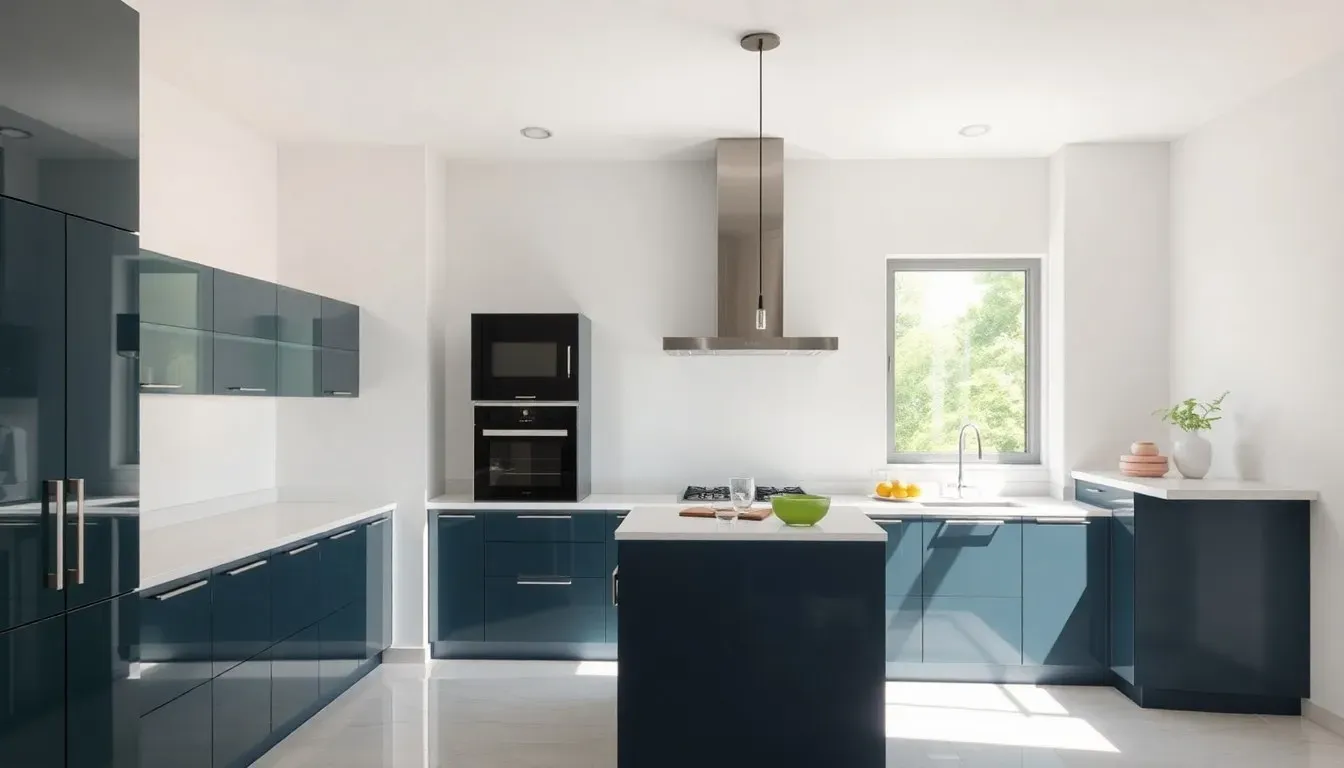
Toughened Glass for Kitchen Cabinets: Benefits and Cost in 2026
Toughened glass has become the material of choice for modern Indian kitchen cabinets, offering a perfect blend of safety, aesthetics, and durability. If you’re planning a kitchen renovation or building a new modular kitchen in 2026, understanding the benefits and costs of toughened glass shutters will help you make an informed decision. This comprehensive guide covers everything from thickness recommendations to finish options and current market prices across India.
Why Choose Toughened Glass for Kitchen Cabinets
Toughened glass, also known as tempered glass, undergoes a specialized thermal treatment that makes it four to five times stronger than regular annealed glass. This manufacturing process involves heating the glass to over 600 degrees Celsius and then rapidly cooling it, creating a surface compression that gives the material its exceptional strength and safety characteristics.
When toughened glass does break—which is rare—it shatters into small, blunt pieces rather than sharp shards, significantly reducing the risk of injury. This safety feature makes it particularly suitable for kitchen environments where accidents can happen. The material also resists thermal shock better than ordinary glass, meaning it can withstand the temperature fluctuations common in cooking spaces without cracking or breaking.
Beyond safety, toughened glass adds a contemporary aesthetic to kitchens. It creates an illusion of space, reflects light beautifully, and allows you to showcase attractive dishware or decorative items while keeping them dust-free. The glass shutters are easy to clean—a simple wipe with a damp cloth removes grease and fingerprints—making them ideal for busy Indian kitchens where oil-based cooking is common.
Thickness Options and Recommendations
Toughened glass for kitchen cabinets typically comes in three standard thicknesses: 5mm, 6mm, and 8mm. Each thickness serves different purposes and comes with its own price point and structural characteristics.
5mm Toughened Glass
The 5mm variant is the most economical option and works well for smaller cabinet shutters, typically those under 2 feet in width and height. This thickness is suitable for wall-mounted cabinets where the glass panels are relatively small and don’t bear significant weight. Many homeowners choose 5mm glass for display cabinets or upper kitchen units where the primary purpose is visibility rather than heavy-duty storage.
6mm Toughened Glass
The 6mm thickness represents the sweet spot for most kitchen cabinet applications. It offers excellent durability without adding excessive weight to the cabinet framework. This thickness is recommended for standard-sized cabinet doors, both wall-mounted and base units. The 6mm option provides better sound dampening when closing doors and feels more substantial to the touch, giving a premium quality impression.
8mm Toughened Glass
For larger cabinet panels, sliding shutters, or floor-to-ceiling pantry units, 8mm toughened glass is the preferred choice. This thickness provides maximum rigidity and prevents flexing or bowing in larger panels. While it costs more and adds weight to the cabinetry, the 8mm option delivers unmatched stability and a luxurious feel. High-end kitchen designs in metropolitan areas like Mumbai, Delhi, and Bangalore increasingly favor this thickness for its premium appearance.
Finish Options for Kitchen Cabinet Glass
Toughened glass for kitchen cabinets is available in various finishes, each offering distinct visual effects and practical advantages. Your choice should align with your kitchen’s overall design theme and your privacy preferences.
Clear Toughened Glass
Clear glass provides complete visibility into the cabinet interior, making it perfect for displaying fine china, glassware, or decorative items. It maximizes light transmission and creates an open, airy feel in the kitchen. However, clear glass requires you to maintain organized cabinet interiors since everything is visible. This finish works best when combined with internal cabinet lighting to create a stunning display effect.
Frosted or Satin Toughened Glass
Frosted glass offers partial obscurity while still allowing light to pass through. It’s an excellent choice for those who want a modern look without the pressure of keeping cabinet contents perfectly organized. The frosted finish can be applied to the entire panel or in decorative patterns, offering design flexibility. This option is particularly popular in Indian homes where cabinet storage might include a mix of everyday items and display pieces.
Tinted Toughened Glass
Tinted glass in shades of grey, bronze, or blue adds a sophisticated color element to kitchen cabinets. The tint provides some privacy while adding visual interest and can complement other kitchen finishes like countertops or backsplashes. Tinted glass works especially well in contemporary and minimalist kitchen designs, though it does reduce visibility compared to clear glass.
Back-Painted Toughened Glass
Back-painted glass involves applying color to the rear surface of the glass panel, creating a solid, opaque finish that completely conceals cabinet contents. This option is available in virtually any color and has become increasingly popular for creating bold, colorful kitchen designs. The glass surface remains easy to clean while providing the aesthetic impact of painted wood or laminate shutters.
Cost of Toughened Glass for Kitchen Cabinets in 2026
The cost of toughened glass for kitchen cabinets varies based on thickness, finish, size, and location within India. Understanding the current price ranges helps you budget accurately for your kitchen project.
As of 2026, here are the approximate price ranges per square foot for toughened glass in India:
- 5mm clear toughened glass: ₹180 to ₹250 per square foot
- 6mm clear toughened glass: ₹220 to ₹300 per square foot
- 8mm clear toughened glass: ₹280 to ₹380 per square foot
- 5mm frosted toughened glass: ₹220 to ₹290 per square foot
- 6mm frosted toughened glass: ₹260 to ₹340 per square foot
- 8mm frosted toughened glass: ₹320 to ₹420 per square foot
- Tinted toughened glass: Add ₹30 to ₹60 per square foot to base clear glass prices
- Back-painted toughened glass: Add ₹80 to ₹150 per square foot to base clear glass prices
These prices typically include basic edge polishing but may not include installation, hardware, or specialized edge treatments. Metropolitan cities generally see prices at the higher end of these ranges, while tier-2 and tier-3 cities often offer more competitive rates. Always request quotes from multiple suppliers and verify whether GST is included in the quoted price.
For a typical 10×10 feet modular kitchen with upper cabinets featuring glass shutters, you might need approximately 40 to 60 square feet of toughened glass. Using 6mm frosted glass, the material cost alone would range from ₹10,400 to ₹20,400, depending on your location and chosen supplier.
Comparing Toughened Glass with Alternative Materials
While toughened glass offers numerous advantages, it’s worth comparing it with other popular kitchen cabinet shutter materials to ensure it’s the right choice for your needs.
Laminate shutters are significantly less expensive, ranging from ₹60 to ₹150 per square foot, and offer excellent variety in colors and patterns. However, they lack the premium appearance of glass, can delaminate over time in humid conditions, and don’t provide the display capability that glass offers. Laminates work well for base cabinets where visibility isn’t required.
Acrylic or plexiglass shutters cost between ₹150 and ₹280 per square foot and provide a glass-like appearance at a lower price point. However, acrylic scratches more easily than toughened glass, can yellow over time, and doesn’t offer the same premium feel. It’s lighter than glass, which can be an advantage for some cabinet configurations but may feel less substantial.
Solid wood shutters range from ₹200 to ₹600 per square foot depending on wood type and finish. Wood offers warmth and traditional appeal but requires more maintenance, is susceptible to moisture damage in kitchen environments, and doesn’t allow for display of cabinet contents. Many homeowners opt for a combination approach, using wood for base cabinets and toughened glass for upper units.
Toughened glass strikes an excellent balance between aesthetics, durability, and maintenance ease, justifying its mid-to-premium price point for those seeking a modern, sophisticated kitchen design.
Installation and Maintenance Considerations
Proper installation is crucial for toughened glass cabinet shutters. The glass must be cut and toughened to exact dimensions before the tempering process—it cannot be cut or drilled after toughening. This means precise measurements are essential before ordering. Work with experienced fabricators who can accurately template your cabinet openings and account for hardware placement.
Hardware options for glass shutters include aluminum frames, frameless mounting with specialized hinges, or magnetic catches. Frameless installations create a sleeker appearance but require precise glass sizing and quality hardware. Framed options provide more flexibility and can be more forgiving of minor measurement variations. Budget an additional ₹500 to ₹2,000 per shutter for quality hardware and installation labor.
Maintenance of toughened glass kitchen cabinets is straightforward. Regular cleaning with a solution of water and mild dish soap keeps them looking pristine. Avoid abrasive cleaners or scrubbing pads that might scratch the surface. For frosted or textured glass, a soft brush can help clean textured surfaces. Glass cleaner can be used for streak-free shine, though it’s not necessary for daily maintenance. The non-porous surface of glass doesn’t harbor bacteria or absorb odors, making it more hygienic than many alternative materials.
Frequently Asked Questions
Is toughened glass safe for kitchen cabinets if I have children?
Yes, toughened glass is one of the safest options for kitchen cabinets in homes with children. If broken, it crumbles into small, blunt pieces rather than sharp shards, significantly reducing injury risk. The material is also four to five times stronger than regular glass, making breakage unlikely under normal use. Many parents actually prefer toughened glass over materials like regular glass or even some plastics because of these safety characteristics.
Can toughened glass kitchen cabinets handle the heat and humidity of Indian cooking?
Absolutely. Toughened glass is specifically designed to withstand thermal stress and temperature fluctuations. It can handle the heat and humidity generated by Indian cooking methods without warping, discoloring, or degrading. Unlike wood or laminate, glass doesn’t absorb moisture or odors, making it ideal for the high-humidity environment of Indian kitchens. The material won’t swell, crack, or delaminate even with years of exposure to cooking conditions.
What thickness of toughened glass should I choose for my kitchen cabinets?
For most standard kitchen cabinet applications, 6mm toughened glass offers the best balance of strength, cost, and aesthetics. Choose 5mm for smaller upper cabinet doors (under 2 feet in any dimension) where budget is a concern. Opt for 8mm if you have large cabinet panels, sliding doors, or want a more premium feel. Your cabinet manufacturer or glass supplier can provide specific recommendations based on your exact cabinet dimensions and design.
How do toughened glass cabinet prices compare between different Indian cities?
Prices vary by approximately 15-25% between metropolitan areas and smaller cities. Major cities like Mumbai, Delhi, and Bangalore typically see prices at the higher end of the range due to higher operational costs and demand for premium finishes. Cities like Pune, Jaipur, Ahmedabad, and Coimbatore often offer more competitive pricing. Regardless of location, obtaining quotes from multiple suppliers through directories like glassy.in helps ensure you get fair market pricing for your area.
Can I retrofit my existing wooden kitchen cabinets with toughened glass shutters?
Yes, retrofitting is possible in most cases, though it depends on your existing cabinet construction and frame strength. The cabinet frames must be sturdy enough to support the weight of glass shutters and accommodate the necessary hardware. A professional carpenter or kitchen specialist can assess whether your cabinets are suitable for conversion. Retrofitting can be a cost-effective way to modernize your kitchen’s appearance without completely replacing cabinetry, typically costing 40-60% less than full cabinet replacement.
Ready to source toughened glass for your kitchen cabinet project? Visit glassy.in, India’s most comprehensive glass business directory, to connect with verified toughened glass manufacturers, suppliers, and installers in your city. Compare quotes, read reviews, and find the perfect glass solution for your kitchen renovation needs.