
Toughened Glass
Laminated Glass Soundproofing: Decibel Reduction for Urban Apartments
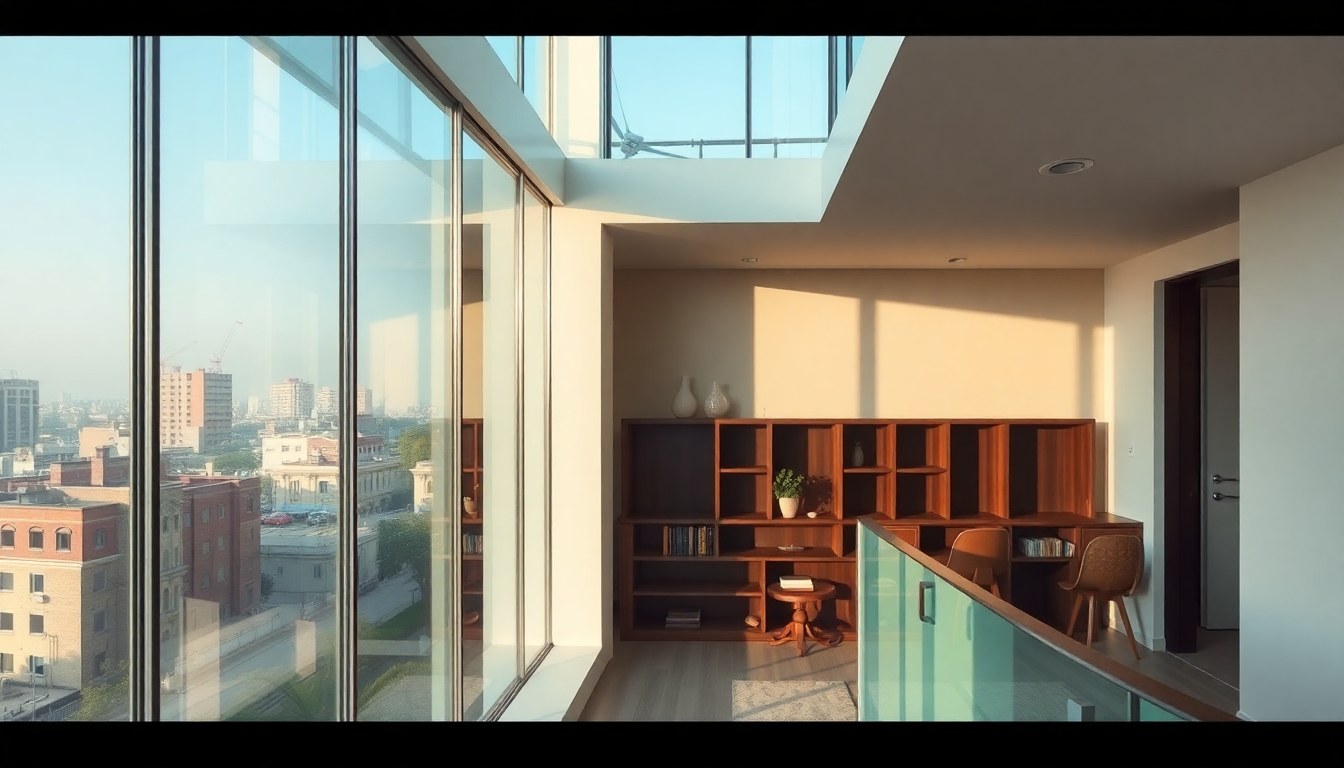
Urban apartment dwellers in Bangalore, Delhi, Mumbai, and other metropolitan areas face constant noise pollution from traffic, construction, and street activity. Laminated glass with polyvinyl butyral (PVB) interlayers offers a proven, cost-effective solution that can reduce sound transmission by 30–50 decibels, transforming living spaces into peaceful sanctuaries. Understanding how PVB thickness, glass specifications, and installation methods affect acoustic performance is essential for making informed decisions about soundproofing your home.
What Is Laminated Glass and How Does It Block Sound?
Laminated glass consists of two or more panes of glass bonded together with a plastic interlayer, most commonly polyvinyl butyral (PVB). Unlike tempered glass, which is hardened through heat treatment, laminated glass achieves its strength and acoustic properties through the adhesive interlayer that holds the glass sheets together even after breakage.
Sound travels in waves, and when these waves hit a rigid surface like standard glass, they pass through easily because the glass vibrates freely. The PVB interlayer in laminated glass works by absorbing and damping these vibrations, converting sound energy into harmless heat. This process, called viscoelastic damping, is far more effective than simply using thicker single-pane glass. A standard 6mm single-pane window reduces noise by only 28–30 decibels, while a laminated glass unit with proper PVB thickness can achieve 40–50 decibels of reduction.
PVB Interlayer Thickness and Decibel Reduction
The thickness of the PVB interlayer is the primary factor determining acoustic performance. Thicker PVB layers provide superior sound dampening, but the relationship is not linear—doubling the thickness does not double the noise reduction.
Standard PVB Thickness Specifications
- 0.38mm PVB (Standard): Provides basic soundproofing; reduces noise by approximately 28–32 decibels. Commonly used for safety in residential buildings.
- 0.76mm PVB (Acoustic Grade): Reduces noise by 33–38 decibels. A noticeable improvement suitable for moderately noisy urban areas.
- 1.52mm PVB (High-Performance): Achieves 40–45 decibels of reduction. Recommended for high-traffic areas and busy city centers.
- 2.28mm+ PVB (Premium Acoustic): Delivers 45–50+ decibels of noise reduction. Ideal for apartments near highways, airports, or construction zones.
In Bangalore's IT corridor areas with heavy traffic, many architects and interior designers recommend 1.52mm or thicker PVB specifications. Similarly, Delhi apartments near the Ring Road or major highways benefit significantly from premium laminated glass with multiple interlayers. The cost difference between 0.76mm and 1.52mm PVB is typically 15–25%, making it a worthwhile investment for long-term acoustic comfort.
Laminated Glass vs. Double-Glazing: Which Is Better for Sound Control?
Double-glazing (also called double-glazed units or DGUs) uses two separate glass panes with an air gap between them, while laminated glass bonds panes together with a plastic interlayer. Both reduce noise, but they work through different mechanisms and suit different applications.
Double-Glazing Performance
Double-glazed windows reduce noise by 30–40 decibels, depending on the air gap width and glass thickness. The air gap acts as a buffer zone, breaking the direct transmission path for sound. However, double-glazing has limitations: if the air gap is too small (less than 6mm) or too large (more than 20mm), acoustic performance diminishes. Additionally, the two panes must be mounted independently to prevent vibration coupling, which increases complexity and cost.
Laminated Glass Performance
Laminated glass achieves similar or superior noise reduction (30–50 decibels) using a single, integrated unit. It is easier to install, requires no special framing, and works well in existing window frames. Laminated glass also offers additional benefits: it remains intact even when broken, improving safety, and it blocks ultraviolet (UV) light, protecting furniture and flooring from fading.
Hybrid Solution: Laminated + Double-Glazing
The most effective soundproofing combines both technologies: laminated glass panes in a double-glazed unit. This configuration can achieve 45–55 decibels of noise reduction. For premium urban apartments in Delhi or Bangalore, this hybrid approach—using 1.52mm PVB laminated glass in a DGU with a 12mm air gap—delivers exceptional acoustic performance at a cost of approximately ₹3,500–₹5,500 per square meter installed.
Real-World Performance in Indian Urban Environments
Decibel ratings in laboratory conditions often differ from real-world performance. Field testing in Bangalore and Delhi reveals practical insights into how laminated glass performs in actual residential settings.
Case Study: Bangalore IT Corridor Apartments
A 2023 survey of apartments in Bangalore's Whitefield and Indiranagar neighborhoods showed that standard 6mm tempered glass windows allow 70–75 decibels of traffic noise indoors during peak hours. Replacing these with 1.52mm PVB laminated glass reduced indoor noise levels to 50–55 decibels—a reduction of 20–25 decibels. Residents reported significant improvements in sleep quality and concentration, with the most noticeable benefit between 6 a.m. and 9 a.m. when traffic is heaviest.
Case Study: Delhi Ring Road Residential Blocks
Delhi apartments within 500 meters of the Ring Road experience outdoor noise levels of 80–85 decibels. Standard windows proved inadequate, allowing 75–80 decibels indoors. Upgrading to hybrid laminated + double-glazed units with 1.52mm PVB achieved indoor levels of 55–60 decibels, meeting the Indian Standards Institution (ISI) recommended indoor noise limit of 50–55 decibels for residential spaces. The installation cost ranged from ₹45,000 to ₹80,000 per apartment (for 4–6 windows), with payback through improved property value and resident satisfaction within 3–5 years.
Factors Affecting Real-World Performance
- Installation Quality: Poor sealing around window frames can reduce acoustic performance by 10–15 decibels. Professional installation with acoustic sealants is critical.
- Frame Material: Aluminum frames transmit more vibration than uPVC or wood frames. Thermal breaks in aluminum frames improve both acoustic and thermal performance.
- Window Size and Area: Larger windows allow more noise transmission. A 2 square meter window reduces noise effectiveness compared to multiple smaller windows.
- Ventilation Requirements: Soundproof windows must be sealed, limiting natural ventilation. Mechanical ventilation systems with acoustic ducting become necessary in modern apartments.
Selecting and Installing Laminated Glass for Your Apartment
Choosing the right laminated glass specification requires assessing your noise environment, budget, and aesthetic preferences. Consulting with experienced architects and glass dealers ensures you get optimal results.
Assessment Steps
- Measure outdoor noise levels during peak hours using a smartphone decibel meter app or hire an acoustician (₹2,000–₹5,000).
- Identify noise sources: traffic, construction, neighbors, or commercial activity.
- Determine your target indoor noise level (typically 50–55 decibels for bedrooms, 55–60 for living areas).
- Calculate the required noise reduction: target level minus current outdoor level.
- Select laminated glass thickness and configuration based on required reduction.
Professional architects and interior designers in urban estates can guide this process. Reputable glass dealers provide samples, acoustic test reports, and installation warranties ensuring quality and accountability.
Installation Best Practices
- Use acoustic sealants (not standard silicone) around window frames to eliminate air leaks.
- Install thermal breaks in metal frames to reduce vibration transmission.
- Ensure proper drainage channels in window sills to prevent water ingress and mold.
- Test acoustic performance post-installation to verify decibel reduction claims.
Cost-Benefit Analysis and ROI
Laminated glass soundproofing is an investment in comfort, health, and property value. While upfront costs range from ₹2,500 to ₹5,500 per square meter for laminated glass alone (plus installation), the benefits justify the expense.
Health Benefits: Chronic noise exposure increases stress, disrupts sleep, and elevates blood pressure. Soundproofing reduces these health risks, potentially saving on medical expenses and improving productivity.
Property Value: Apartments with soundproofing command 5–10% higher resale or rental premiums in Indian metropolitan markets. A ₹50,000 soundproofing investment can add ₹3–₅ lakhs to property value.
Quality of Life: Many residents report that improved acoustics are among the top factors enhancing daily satisfaction and willingness to stay long-term in an apartment.
Frequently Asked Questions
Does laminated glass soundproofing work for low-frequency noise like traffic rumble?
Yes, but with caveats. Low-frequency noise (below 500 Hz) requires thicker PVB interlayers and larger air gaps in double-glazing. A single 0.76mm laminated glass pane is less effective against bass frequencies, but 1.52mm+ PVB combined with double-glazing achieves good low-frequency attenuation. For maximum low-frequency reduction, hybrid laminated + double-glazed units with 1.52mm PVB and 12mm air gaps are recommended.
Can I retrofit laminated glass into existing window frames?
In most cases, yes. Laminated glass is the same thickness as standard tempered glass of equivalent strength, so it fits into existing frames without modification. However, frame condition must be assessed: old, warped, or damaged frames may need repair or replacement for proper sealing. Professional installation ensures acoustic performance is not compromised by frame gaps or leaks.
How does laminated glass compare to soundproofing curtains or acoustic panels?
Laminated glass addresses the source of noise (the window), while curtains and panels absorb sound after it enters the room. Laminated glass is superior because it prevents noise from entering in the first place, achieving 30–50 decibels of reduction compared to 5–10 decibels for heavy curtains. However, combining laminated windows with acoustic treatments optimizes overall soundproofing.
Is laminated glass more expensive than tempered glass?
Yes, laminated glass costs 30–50% more than standard tempered glass due to the PVB interlayer manufacturing process. However, the acoustic, safety, and UV-blocking benefits justify the premium. Prices vary by region: Bangalore and Delhi typically see costs of ₹2,500–₹4,000 per square meter for 1.52mm PVB laminated glass, compared to ₹1,500–₹2,500 for tempered glass.
Will laminated glass reduce outside noise completely?
No. Laminated glass is highly effective but not perfect. Even premium 2.28mm PVB specifications reduce noise by 45–50 decibels, meaning some sound still penetrates. Outdoor noise of 80 decibels becomes approximately 30–35 decibels indoors—quiet enough for conversation and sleep, but not complete silence. For near-total noise elimination, combine laminated glass with acoustic insulation in walls and ceilings.
Conclusion
Laminated glass soundproofing is a practical, science-backed solution for urban apartment dwellers seeking relief from noise pollution. By selecting the appropriate PVB thickness—0.76mm for moderate noise, 1.52mm for heavy traffic, and 2.28mm+ for extreme conditions—you can achieve 30–50 decibels of noise reduction. Hybrid laminated + double-glazed configurations deliver the best performance, particularly in high-noise environments like Bangalore's IT corridors and Delhi's Ring Road areas. The investment pays dividends through improved sleep, health, productivity, and property value. Consult with experienced architects and reputable glass dealers to assess your specific needs and ensure professional installation that maximizes acoustic performance.
Explore verified glass suppliers, architects, and interior designers in your area through glassy.in, India's largest glass-business directory. Find trusted professionals who specialize in soundproofing solutions and get competitive quotes for your laminated glass project today.