
Toughened Glass
Tinted Glass for Hot Climates: UV Protection & Cooling Benefits
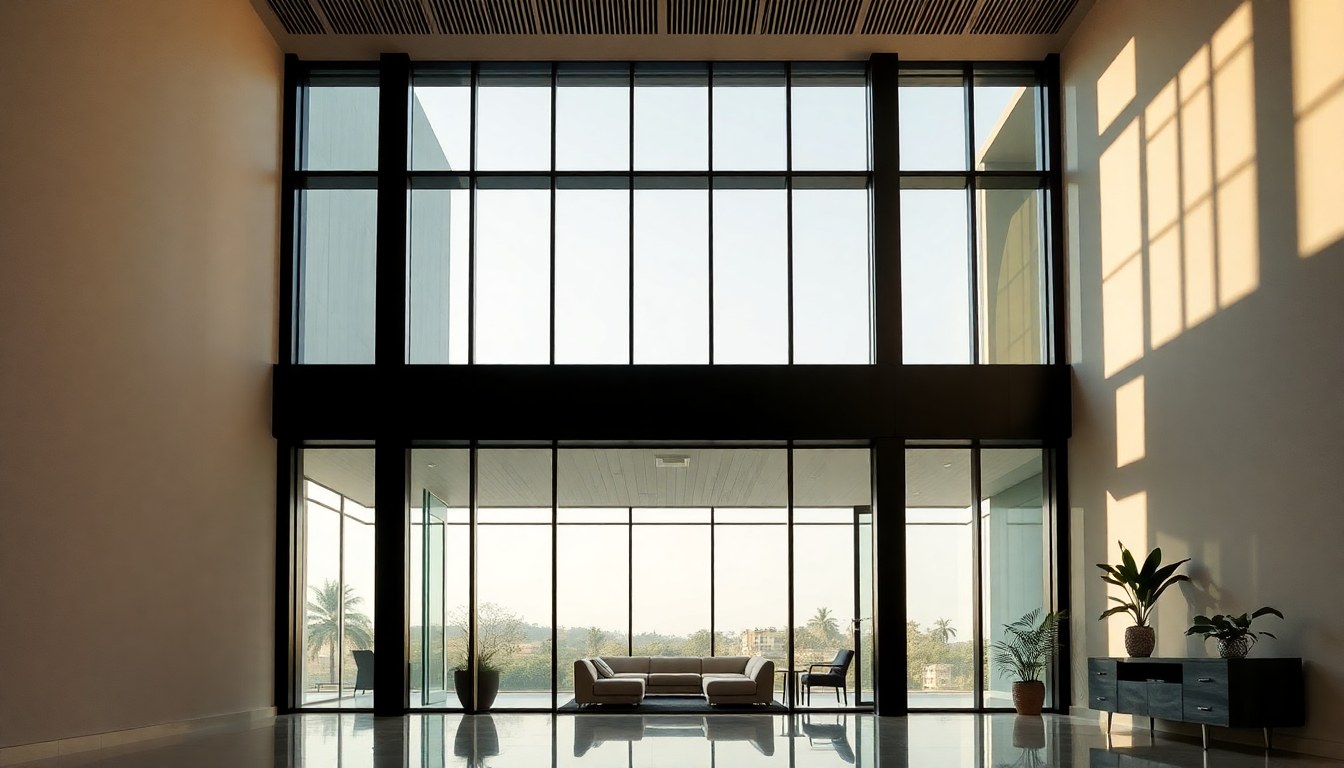
If you live in a hot climate region like Bangalore, Hyderabad, or Delhi, you know how brutal summer heat can be—both for your comfort and your electricity bills. Tinted glass is a proven solution that blocks harmful UV rays, rejects solar heat, and can reduce indoor temperatures by several degrees. In this guide, we'll explore the science behind tinted glass, the different types available in India, and why it's becoming the go-to choice for homeowners and architects designing climate-smart homes.
Understanding Tinted Glass: How It Works
Tinted glass is regular float glass infused with metal oxides—typically iron, cobalt, or chromium—during the manufacturing process. These oxides absorb solar radiation across the visible light spectrum and in the infrared range, preventing that energy from entering your home. Unlike reflective or mirrored films applied after installation, tinted glass is integral to the material itself, ensuring durability and consistent performance over decades.
The tinting process doesn't just reduce brightness; it specifically targets the wavelengths responsible for heat gain. When sunlight passes through standard clear glass, nearly 80% of solar energy enters your home, warming walls, furniture, and the air itself. Tinted glass can reduce this solar heat transmission by 30–50%, depending on the tint depth and type. This reduction directly translates to lower air-conditioning loads and reduced energy consumption.
The Role of Solar Heat Gain Coefficient (SHGC)
The Solar Heat Gain Coefficient is a measure of how much solar radiation passes through glass as heat. Clear glass has an SHGC of around 0.86, meaning 86% of solar heat enters your space. Bronze tinted glass typically has an SHGC of 0.40–0.50, while grey tints range from 0.35–0.45. Lower SHGC values mean better heat rejection—exactly what you need in India's scorching summers.
Bronze Tinted Glass: The Warm Protector
Bronze tinted glass is one of the most popular choices in India, particularly in Bangalore and Hyderabad where the climate is hot and humid. The warm, amber-brown hue is aesthetically pleasing and provides excellent UV protection while maintaining good visible light transmission. This balance makes it ideal for residential applications where you want both comfort and a pleasant view.
Bronze glass blocks approximately 50% of solar heat and filters out 99% of harmful UV-A and UV-B rays. This makes it particularly effective for protecting furniture, artwork, and flooring from fading. Homeowners often report that rooms with bronze-tinted windows feel noticeably cooler without the harsh glare of unfiltered sunlight. The material also provides a subtle privacy benefit—from outside, it's harder to see into the home while maintaining clear views from inside.
- UV Protection: Blocks 99% of UV rays, preventing furniture and fabric degradation
- Heat Rejection: SHGC typically between 0.40–0.50, reducing cooling costs by 15–25%
- Aesthetic Appeal: Warm tone complements most architectural styles
- Durability: Color is permanent; won't fade or peel over time
Grey Tinted Glass: The Neutral Choice
Grey tinted glass is the most neutral option visually and performs exceptionally well in intense heat. Its cool, sophisticated appearance works with modern and traditional designs alike. Grey tints are slightly more effective at heat rejection than bronze, with SHGC values typically ranging from 0.35–0.45, making it an excellent choice for south and west-facing windows that receive the most direct sunlight.
The grey tone doesn't distort color perception as much as some other tints, so views through the glass remain natural. This makes it popular for high-rise buildings, commercial spaces, and homes where maintaining a clear connection to the outdoors is important. In cities like Bangalore with growing urban density, grey-tinted glass is increasingly specified by architects for its clean, contemporary appearance combined with superior thermal performance.
- Superior Heat Rejection: SHGC of 0.35–0.45 offers better cooling than bronze
- Color Neutrality: Minimal color distortion; views remain natural
- Modern Aesthetics: Sleek, contemporary look favored by modern architects
- Glare Reduction: Significantly reduces interior glare on screens and work surfaces
Green Tinted Glass: The Eco-Conscious Option
Green tinted glass occupies a middle ground between bronze and grey in terms of both aesthetics and performance. It provides a subtle green tone that evokes natural elements and is increasingly chosen by environmentally conscious homeowners. Green glass has an SHGC typically between 0.40–0.50, with excellent UV filtering properties comparable to bronze.
The psychological benefit of green tinting shouldn't be overlooked—research shows that green environments reduce stress and promote well-being. By filtering sunlight through a soft green tone, your home maintains a connection to nature while staying cool. This makes green tinted glass particularly popular for homes with views of gardens, parks, or natural landscapes. In Hyderabad's expanding residential areas, architects are specifying green-tinted glass for its balance of performance and biophilic design principles.
- Balanced Performance: SHGC of 0.40–0.50; sits between bronze and grey
- Biophilic Design: Green tone creates a calming, nature-connected environment
- UV Protection: Comparable to bronze; excellent for protecting interiors
- Versatile Aesthetics: Works with both traditional and modern home designs
Energy Savings and Temperature Reduction in Indian Homes
The real-world impact of tinted glass on energy costs is substantial. A typical home in Bangalore or Hyderabad with 40% window-to-wall ratio can reduce air-conditioning energy consumption by 20–30% by switching from clear to tinted glass. This translates to savings of ₹3,000–₹8,000 annually, depending on local electricity rates and cooling habits.
Temperature reduction is equally impressive. Studies conducted in similar climates show that rooms with tinted glass maintain interior temperatures 3–5°C lower than rooms with clear glass, even without air-conditioning. This passive cooling effect is most pronounced on south and west-facing facades, where solar gain is highest. For architects and interior designers like those at Mantra Design Studio, incorporating tinted glass is a standard strategy for sustainable home design.
Long-Term ROI and Sustainability
While tinted glass costs 15–25% more than clear glass upfront, the energy savings recoup this investment within 5–7 years for most Indian homes. Beyond the financial return, tinted glass reduces your home's carbon footprint by lowering electricity demand, particularly during peak summer months when grid strain is highest. This is increasingly important as Indian cities work toward sustainability goals.
Installation and Maintenance Considerations
Tinted glass is typically installed as part of window assemblies, either in aluminum frames or wooden frames depending on your home's design. It's available in both annealed and toughened (tempered) forms; toughened tinted glass is recommended for safety-critical locations like bathrooms, kitchens, and areas near doors. The toughening process doesn't affect the tint's performance—the color remains consistent and the UV/heat rejection properties are identical.
Maintenance of tinted glass is straightforward and no different from clear glass. Regular cleaning with mild soap and water keeps the glass transparent and maintains its aesthetic appeal. The tint itself is permanent and won't degrade, peel, or fade over time, making it a long-term investment. Interior designers working with residential clients, such as Sri Varahi Interiors and wood carving, often specify tinted glass precisely because of its durability and maintenance-free nature.
Choosing the Right Tint for Your Home
Selecting between bronze, grey, and green depends on several factors: your home's orientation, the intensity of direct sunlight exposure, your aesthetic preferences, and your priority between heat rejection and light transmission. South and west-facing windows benefit most from grey tint's superior heat rejection. East and north-facing windows can use bronze or green for a warmer aesthetic with adequate protection.
Consult with your architect or glass supplier about the specific SHGC and visible light transmission (VLT) values you need. A professional assessment considers your climate zone, window size, and shading elements like trees or adjacent buildings. Suppliers like Shree Gopal Glass in India can provide samples and technical data to help you make an informed decision.
Frequently Asked Questions
Does tinted glass block all UV rays?
Tinted glass blocks approximately 99% of UV-A and UV-B rays, making it highly effective at preventing furniture fading and protecting skin. However, no glass blocks 100% of UV radiation. For maximum protection, consider combining tinted glass with UV-blocking window films or internal window treatments for areas with particularly valuable artwork or textiles.
Will tinted glass make my home too dark?
No. Tinted glass reduces glare and harsh brightness while maintaining good visible light transmission. Most tints allow 50–70% of visible light through, which is sufficient for comfortable daytime living. If you're concerned about darkness, bronze and green tints transmit slightly more visible light than grey tints.
How much can I expect to save on electricity bills with tinted glass?
In hot climates like Bangalore and Hyderabad, homeowners typically save 20–30% on air-conditioning costs by installing tinted glass. For a home with average cooling expenses of ₹10,000–₹15,000 per summer, this translates to annual savings of ₹2,000–₹4,500. Savings vary based on window area, orientation, and existing insulation.
Can tinted glass be applied to existing windows?
Yes, UV-blocking and heat-rejection films can be applied to existing clear glass windows. However, integral tinted glass (where the color is part of the glass itself) is more durable and aesthetically superior. If replacing windows, it's worth upgrading to integral tinted glass for long-term performance.
Is tinted glass suitable for all room types?
Tinted glass works well in most rooms. However, in spaces requiring precise color perception (like art studios or professional photography areas), grey tint is preferable to bronze or green because it distorts colors minimally. For kitchens and bathrooms, toughened tinted glass is recommended for safety compliance.
Conclusion
Tinted glass is a smart, durable investment for homes in India's hot climates. Whether you choose bronze for its warm aesthetics, grey for superior heat rejection, or green for its biophilic qualities, you're investing in UV protection, lower energy bills, and improved comfort. If you're planning a new home or renovation in Bangalore, Hyderabad, or any hot region, explore tinted glass options through glassy.in's directory of trusted glass suppliers and architects who specialize in climate-responsive design. Your future self—and your electricity meter—will thank you.