
Glass Facades
Top 10 Architects in Chandigarh for Glass Canopy and Entrance Design Projects
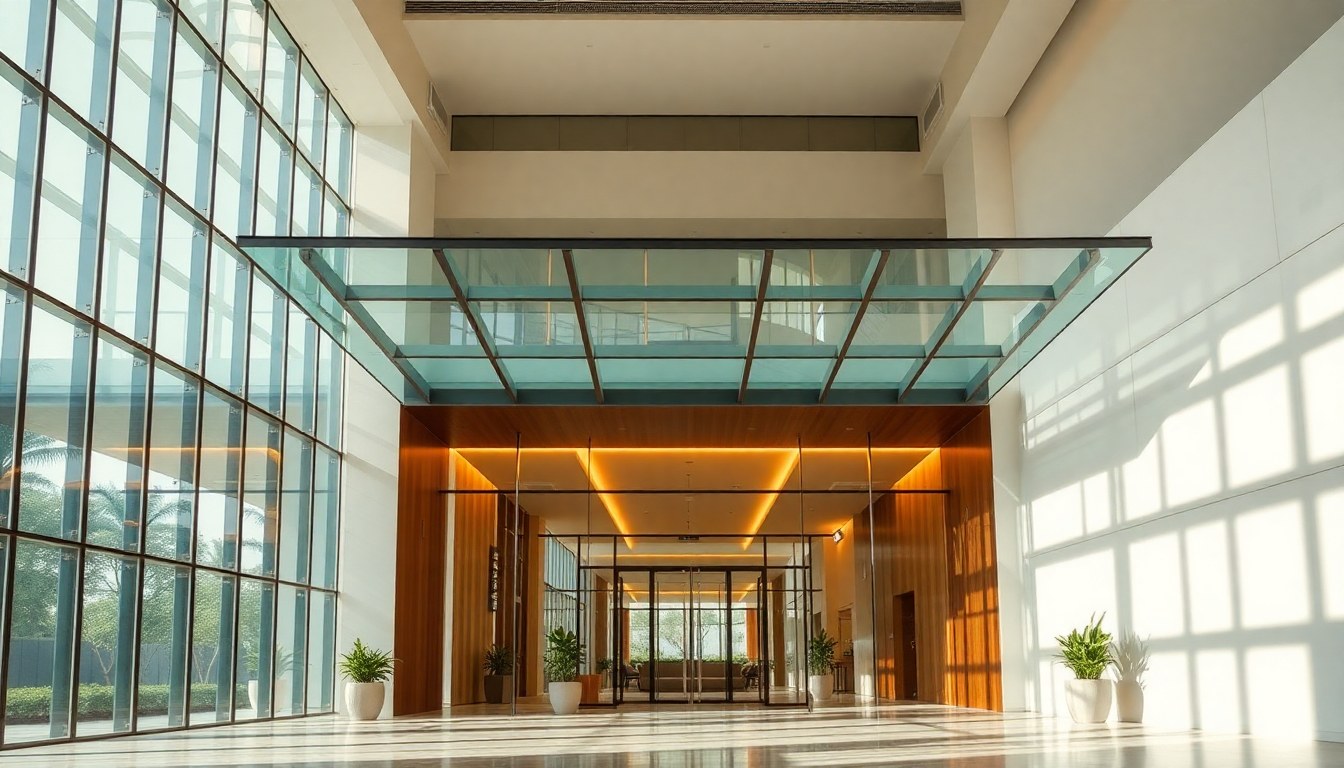
Chandigarh, India's first planned city designed by Le Corbusier, continues to set architectural benchmarks with its modern infrastructure and innovative design sensibilities. When it comes to glass canopy and entrance design projects, the city hosts some of the country's most talented architects who blend structural engineering prowess with aesthetic vision. Whether you're planning a commercial entrance, residential covered walkway, or institutional canopy structure, these specialists deliver solutions that combine functionality, durability, and visual appeal.
Why Glass Canopies Are Transforming Chandigarh's Architecture
Glass canopies have become increasingly popular in Chandigarh's architectural landscape due to their ability to create sheltered spaces while maintaining visual transparency and natural light flow. These structures serve multiple purposes—from protecting building entrances from harsh weather to creating elegant transition zones between indoor and outdoor spaces. The city's climate, with its hot summers and monsoon rains, makes well-designed canopies both a practical necessity and an opportunity for architectural expression.
Modern glass canopy systems incorporate advanced materials like laminated safety glass, tempered glass, and low-iron glass paired with structural elements in stainless steel, aluminum, or even tensile cable systems. Architects in Chandigarh have embraced these technologies to create canopies that withstand wind loads, thermal stress, and heavy rainfall while maintaining minimal visual obstruction. The result is structures that enhance property value, improve user experience, and contribute to the city's contemporary aesthetic.
From commercial complexes in Sector 17 to residential townships in the periphery, glass canopies are reshaping how buildings interact with their surroundings. They provide weather protection for pedestrians, reduce solar heat gain when designed with appropriate coatings, and create memorable first impressions that reflect a building's identity and purpose.
Key Considerations When Selecting an Architect for Glass Canopy Projects
Choosing the right architect for your glass canopy project requires evaluating several critical factors beyond aesthetic sensibility. Structural competence is paramount—glass canopies must be engineered to handle specific load requirements, including dead loads, live loads, wind pressure, and seismic considerations relevant to Chandigarh's Zone IV seismic classification. Your architect should work seamlessly with structural engineers who specialize in glazing systems and understand the unique challenges of cantilevered or suspended glass structures.
Experience with local building regulations and approval processes is equally important. Chandigarh's Municipal Corporation has specific guidelines regarding projections over public spaces, fire safety requirements, and structural safety certifications. Architects familiar with these regulations can navigate the approval process efficiently, saving you time and preventing costly redesigns. Additionally, consider their track record with similar projects—request portfolio examples, client references, and site visits to completed installations.
Technical Expertise Areas to Evaluate
- Glass specification knowledge: Understanding of various glass types, thicknesses, lamination options, and performance characteristics for different applications
- Drainage design: Proper water runoff management to prevent pooling, leakage, or water staining on glass surfaces
- Thermal performance: Selection of appropriate glass coatings and shading devices to manage heat gain and glare
- Maintenance accessibility: Design considerations for cleaning, inspection, and replacement of glass panels and structural components
- Integration capabilities: Ability to coordinate with existing building facades, landscaping, and lighting systems
Top Architectural Firms Specializing in Glass Canopy Design
Chandigarh's architectural community includes several firms with demonstrated expertise in glass canopy and entrance design. These practices combine creative vision with technical precision, delivering projects that meet functional requirements while creating distinctive architectural statements. While individual project needs vary, these firms have established reputations for quality execution and innovative problem-solving in glazing applications.
Leading firms typically maintain multidisciplinary teams including architects, structural engineers, and facade consultants who collaborate throughout the design and construction process. This integrated approach ensures that aesthetic intentions are realized without compromising structural integrity or performance requirements. Many also maintain relationships with specialized glass fabricators and installation contractors who understand the precision required for successful canopy installations.
What Sets Top Firms Apart
The most successful glass canopy specialists in Chandigarh distinguish themselves through comprehensive project delivery—from initial concept development through post-occupancy evaluation. They invest in 3D modeling and rendering capabilities that help clients visualize proposed designs, conduct structural analysis using finite element modeling, and prepare detailed construction documentation that minimizes field confusion. Their involvement often extends to construction administration, ensuring that installations meet design intent and quality standards.
These firms also stay current with evolving technologies, including electrochromic glass for dynamic solar control, photovoltaic glass integration for energy generation, and advanced structural systems like point-fixed glazing and cable-net structures. Their awareness of sustainable design principles means they can help clients achieve green building certifications while creating canopies that reduce energy consumption and environmental impact.
Cost Factors and Budget Planning for Glass Canopy Projects
Glass canopy projects in Chandigarh typically range from ₹3,500 to ₹12,000 per square foot depending on complexity, materials, and structural requirements. Simple cantilevered canopies with standard toughened glass and aluminum framing fall at the lower end of this spectrum, while complex tensile structures with specialized glass and stainless steel components command premium pricing. Architectural fees generally constitute 8-15% of the total project cost, though this varies based on scope and project complexity.
Several factors influence overall project costs beyond basic materials and labor. Site accessibility affects installation expenses—projects requiring crane access or work at significant heights increase costs. Glass specification dramatically impacts pricing, with options like laminated low-iron glass with UV-resistant interlayers costing substantially more than standard toughened glass. Structural complexity also plays a major role; canopies requiring minimal visible support through tension cables or cantilevered beams involve more engineering and specialized fabrication than conventional post-supported designs.
Budget Allocation Guidelines
- Design and engineering (12-18%): Architectural design, structural engineering, and facade engineering services
- Materials (40-50%): Glass panels, structural framing, fasteners, sealants, and waterproofing components
- Fabrication (15-20%): Custom manufacturing of structural elements and glass processing
- Installation (15-20%): On-site assembly, glazing installation, and finishing work
- Contingency (10%): Buffer for unforeseen conditions or design modifications
Material Selection and Performance Considerations
The performance and longevity of glass canopies depend heavily on appropriate material selection for Chandigarh's specific climate conditions. The city experiences temperature extremes ranging from near-freezing winters to summers exceeding 40°C, along with intense monsoon rainfall and occasional hailstorms. Glass specifications must account for these conditions, with laminated glass being the preferred choice for overhead applications due to its safety characteristics—if breakage occurs, the interlayer holds fragments in place, preventing dangerous falls.
Structural framing materials each offer distinct advantages. Stainless steel provides exceptional strength and corrosion resistance with minimal maintenance requirements, though it carries a higher initial cost. Aluminum offers excellent strength-to-weight ratios and comes in various finishes, making it popular for both structural and aesthetic applications. For projects seeking minimal visual impact, tensile cable systems or point-fixed glazing with stainless steel fittings create dramatic floating effects while meeting structural requirements.
Glass Coating Options for Enhanced Performance
Modern glass coatings significantly improve canopy performance in Chandigarh's climate. Low-emissivity (Low-E) coatings reduce heat transfer, keeping covered areas cooler during summer months. Solar control coatings reflect infrared radiation while maintaining visible light transmission, reducing glare and heat buildup. Self-cleaning coatings with photocatalytic properties break down organic dirt when exposed to sunlight and wash away with rain, reducing maintenance requirements. Your architect can recommend appropriate coating combinations based on canopy orientation, intended use, and performance priorities.
Maintenance and Long-Term Performance
Well-designed glass canopies require relatively minimal maintenance but benefit from regular inspection and cleaning protocols. Structural connections, drainage systems, and sealant joints should be inspected annually to identify potential issues before they escalate. Glass cleaning frequency depends on location and environmental conditions—urban areas with higher pollution levels may require quarterly cleaning, while protected locations might need attention only twice annually.
Architects experienced in glass canopy design incorporate maintenance considerations into their initial concepts. This includes providing safe access for cleaning personnel, specifying durable sealants with appropriate service life expectations, and designing drainage systems with accessible cleanouts. They also consider long-term component replacement, ensuring that individual glass panels or structural elements can be replaced without dismantling entire assemblies. These considerations extend canopy service life and reduce lifetime ownership costs.
Frequently Asked Questions
What is the typical timeline for designing and installing a glass canopy in Chandigarh?
The complete process typically takes 4-6 months from initial consultation to final installation. This includes 3-4 weeks for conceptual design, 4-6 weeks for detailed design and engineering, 2-3 weeks for municipal approvals, 6-8 weeks for fabrication, and 2-3 weeks for installation. Complex projects with custom structural systems or challenging site conditions may require additional time. Working with experienced architects who understand local approval processes can help minimize delays.
Do glass canopies require special permits from Chandigarh Municipal Corporation?
Yes, glass canopies typically require building permits, especially when they project over public areas or exceed certain dimensions. Your architect will prepare necessary structural drawings, load calculations, and safety certifications for submission to the Municipal Corporation. Projects in commercial areas or those affecting building facades may require additional architectural committee approvals. Experienced local architects familiar with these processes can navigate approvals efficiently.
How do glass canopies perform during Chandigarh's hailstorms and extreme weather?
Properly engineered glass canopies using laminated safety glass can withstand hailstorms and extreme weather conditions common to Chandigarh. Laminated glass consists of multiple glass layers bonded with plastic interlayers that hold fragments together even if breakage occurs, preventing collapse. Structural frames are designed with appropriate safety factors for wind loads and impact resistance. Your architect should specify glass thickness and lamination based on canopy size, location, and exposure to ensure adequate performance.
What maintenance does a glass canopy require and what are the ongoing costs?
Glass canopies require periodic cleaning (typically 2-4 times annually), annual structural inspections, and sealant replacement every 8-10 years. Annual maintenance costs typically range from ₹50-150 per square foot depending on accessibility and cleaning requirements. Self-cleaning glass coatings can reduce cleaning frequency and costs. Proper drainage maintenance prevents water accumulation and staining. Most architects can provide maintenance schedules and connect you with qualified service providers familiar with glazing systems.
Can glass canopies be integrated with solar panels or smart glass technology?
Yes, modern glass canopy designs can incorporate photovoltaic glass panels that generate electricity while providing weather protection, or electrochromic smart glass that adjusts tint levels based on sunlight intensity. These technologies add initial costs but provide long-term benefits through energy generation or reduced cooling loads. Architects experienced with sustainable design can evaluate whether these technologies make economic sense for your specific project and help navigate technical integration challenges.
Finding the right architect for your glass canopy project ensures a successful outcome that combines structural safety, aesthetic appeal, and long-term performance. For a comprehensive directory of glass specialists, fabricators, and architectural firms in Chandigarh and across India, visit glassy.in—your trusted resource for connecting with verified glass industry professionals who can bring your vision to life.