
Glass Facades
Tinted Glass for Commercial Shopfronts: UV Protection and Brand Impact
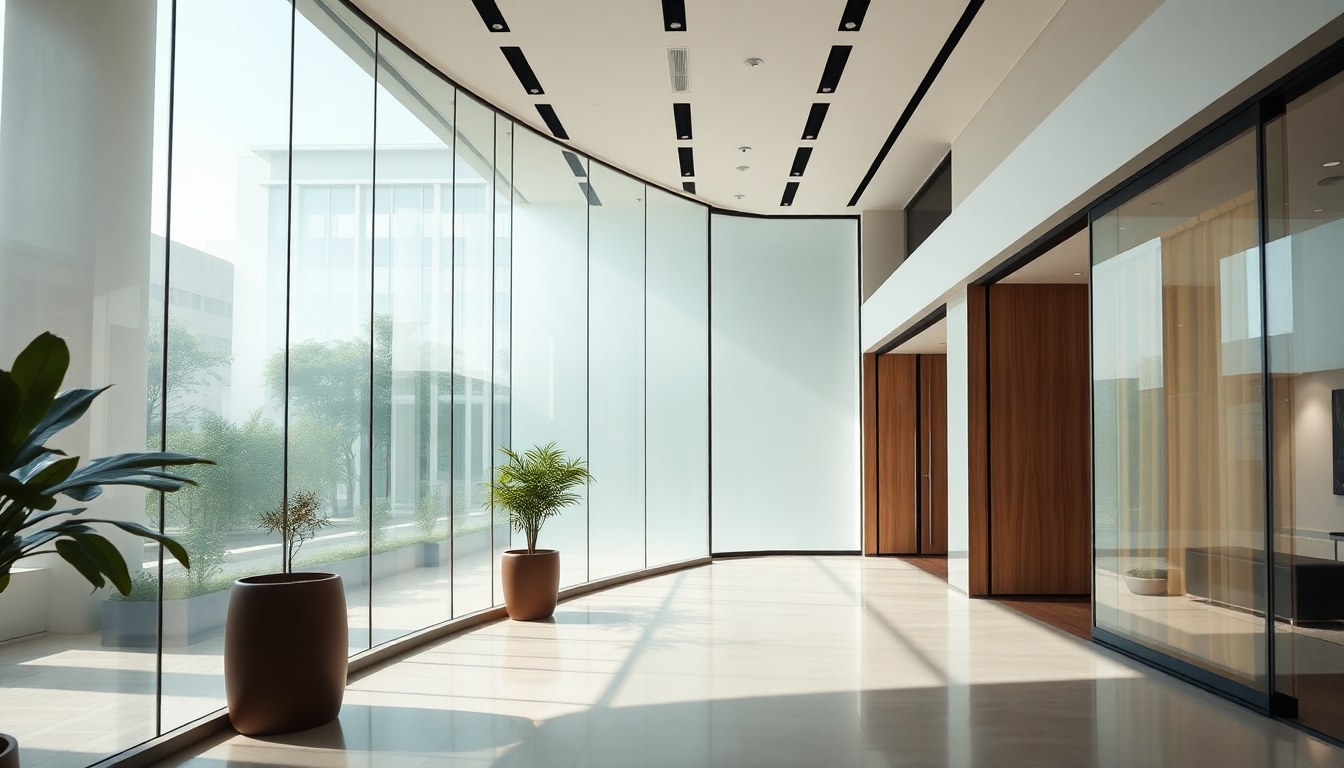
Tinted and colored glass has become a cornerstone of modern retail design, offering far more than aesthetic appeal. When strategically applied to commercial shopfronts, tinted glass delivers critical UV protection that preserves merchandise integrity while creating a distinctive brand identity that captures customer attention from the street. This dual functionality makes it an investment that pays dividends in both product longevity and customer engagement.
Why UV Protection Matters in Retail Environments
Ultraviolet radiation poses a silent threat to retail merchandise, particularly in India's intense tropical and subtropical climate. Prolonged UV exposure fades colors, weakens fabrics, degrades plastics, and can even compromise the structural integrity of certain materials. For retailers stocking clothing, cosmetics, artwork, or collectibles, uncontrolled UV penetration translates directly into inventory loss and reduced product appeal.
Standard clear glass blocks only about 25% of UV rays, leaving 75% to reach your display items. Tinted and specially formulated UV-protective glass can block 99% of harmful UV radiation, dramatically extending the lifespan of displayed merchandise. This protection is especially critical for shopfronts in high-traffic retail zones across cities like Mumbai, Delhi, Bangalore, and Hyderabad, where extended daylight hours and intense sun exposure accelerate fading.
Merchandise Categories Most Vulnerable to UV Damage
- Fashion and textiles: Dyes fade rapidly, particularly reds, blues, and pastels
- Cosmetics and skincare: Formulations degrade, reducing efficacy and shelf life
- Artwork and photographs: Permanent discoloration and paper brittleness occur within months
- Leather goods: UV exposure causes cracking and color loss
- Electronics and appliances: Plastic housings yellow and become brittle
- Collectibles and antiques: Irreversible damage to historical items and value
Types of Tinted Glass Solutions for Shopfronts
The market offers several tinted glass options, each with distinct advantages depending on your retail category and brand positioning. Understanding these options helps you select the right solution for your storefront investment.
Reflective Tinted Glass
Reflective tinted glass features a metallic coating that reflects solar heat and UV rays while creating a mirror-like exterior appearance. This option provides maximum UV protection (typically 99%) and reduces interior heat gain, lowering air-conditioning costs—a significant advantage in Indian retail environments. The reflective finish creates a premium, contemporary aesthetic that appeals to high-end brands. However, reflective glass can limit interior visibility from the street, which may not suit all retail concepts.
Absorptive Tinted Glass
Absorptive tinted glass contains colorants that absorb UV and infrared radiation throughout the glass material itself. This approach allows better interior visibility while still providing strong UV protection (90-99% depending on tint depth). Available in shades like bronze, gray, green, and blue, absorptive tinting offers flexibility in brand color coordination. This option is ideal for retailers who want customers to see displays while maintaining merchandise protection.
Laminated UV-Protective Glass
Laminated glass combines two or more glass panes with a UV-blocking interlayer, typically made from polyvinyl butyral (PVB). This solution provides excellent UV protection while maintaining optical clarity and safety—the laminate holds glass together if breakage occurs. Laminated solutions are more cost-effective than reflective coatings and offer superior durability for high-traffic shopfronts.
Design Trends and Brand Impact for 2026
Tinted glass has evolved beyond functional necessity into a powerful branding tool. Contemporary retail design leverages tinted glass to create visual identity, establish premium positioning, and communicate brand values to passersby.
Color Psychology in Shopfront Design
Strategic color selection in tinted glass influences customer perception and behavior. Bronze and amber tints convey warmth and luxury, making them popular for jewelry, watches, and high-end fashion retailers. Gray and charcoal tints project sophistication and modernity, appealing to tech, automotive, and contemporary lifestyle brands. Green-tinted glass aligns with sustainability narratives, increasingly important for eco-conscious brands. Blue tints create calming, trustworthy impressions, favored by financial services, wellness, and pharmaceutical retailers.
Gradient and Partial Tinting
Rather than uniform tinting across the entire shopfront, many contemporary retailers employ gradient tinting—darker at the top, transitioning to lighter at eye level. This technique protects overhead merchandise displays while maintaining visibility of products at customer eye level. Partial tinting, where only specific sections receive color treatment, creates visual interest and guides customer attention to key displays or brand messaging.
Integration with Smart Glass Technology
Smart glass technology, which adjusts tint levels electronically in response to sunlight intensity, represents the frontier of shopfront design. While currently premium-priced, smart glass offers dynamic UV protection that adjusts throughout the day, maximizing both merchandise protection and energy efficiency. Early adoption by luxury brands in metropolitan areas signals growing market acceptance for 2026 and beyond.
Cost-Benefit Analysis: Investment and Returns
Tinted glass shopfronts require upfront capital investment, but the returns justify the expense for most retail operations. A typical commercial shopfront measuring 10 meters wide by 3 meters high, fitted with quality UV-protective tinted glass, costs between ₹80,000 and ₹2,50,000 depending on glass type, thickness, and installation complexity.
The return on investment materializes through multiple channels. Merchandise preservation alone can save retailers 15-30% annually on replacement inventory for UV-sensitive products. Reduced air-conditioning costs from solar heat rejection typically amount to 10-20% of cooling expenses. Enhanced brand perception and increased foot traffic from distinctive storefront aesthetics drive incremental sales. Most retailers recoup their tinted glass investment within 2-4 years through these combined benefits.
Long-Term Durability and Maintenance
Quality tinted glass requires minimal maintenance—periodic cleaning with mild soap and water suffices. Unlike surface coatings that degrade over time, tinted glass maintains its protective properties indefinitely. The glass itself has a lifespan of 25-30+ years, making it a durable long-term investment. Laminated UV-protective glass may require interlayer replacement after 15-20 years in extreme climates, but this represents a fraction of the original investment.
Installation Best Practices and Considerations
Proper installation is critical for maximizing UV protection benefits and ensuring structural integrity. Partner with experienced glass professionals who understand local building codes, climate conditions, and safety requirements.
- Professional assessment: Evaluate your shopfront orientation, local sun exposure patterns, and merchandise vulnerability before selecting glass specifications
- Compliance verification: Ensure installations meet Indian Standards (IS codes) for architectural glass and building safety requirements
- Thermal stress management: Proper framing and expansion allowances prevent cracking from temperature fluctuations common in Indian climates
- Sealing and weatherproofing: High-quality sealants protect against moisture infiltration, particularly important during monsoon seasons
- Safety considerations: Laminated and tempered glass options provide security benefits, reducing break-in risk for retail establishments
Frequently Asked Questions
How much UV protection do tinted shopfront glasses actually provide?
Quality UV-protective tinted glass blocks 90-99% of ultraviolet radiation, depending on the specific product and tint depth. Standard clear glass blocks only about 25% of UV rays. Reflective coatings and specialized laminated solutions achieve the highest protection levels. Always request UV transmission specifications (measured as a percentage) from your glass supplier to verify protection claims.
Will tinted glass make my shopfront too dark for customers to see merchandise?
Not necessarily. Absorptive tinted glass and lighter tint shades maintain good interior visibility while providing strong UV protection. Gradient tinting—darker at the top, lighter at eye level—balances merchandise protection with product visibility. Modern absorptive glass can achieve 95%+ UV protection while maintaining 70-80% visible light transmission, allowing customers to see displays clearly.
Is tinted glass more expensive than standard clear glass?
Yes, tinted glass typically costs 40-80% more than standard clear glass, depending on tint type and specifications. However, the cost differential is usually recovered within 2-4 years through merchandise preservation savings, reduced air-conditioning expenses, and improved brand perception. For retailers with UV-sensitive inventory, the investment becomes essential rather than optional.
Can tinted glass be retrofitted to existing shopfronts, or does it require complete replacement?
Retrofitting is possible but depends on your existing frame structure and glass condition. If frames are in good condition, glass panes can be replaced with tinted alternatives. However, complete shopfront redesign often provides better results and allows for modern framing systems that maximize the aesthetic and functional benefits of tinted glass. Consult with a professional glass contractor to assess your specific situation.
What maintenance does tinted glass shopfronts require?
Tinted glass requires minimal maintenance—regular cleaning with mild soap, water, and soft cloths suffices. Avoid abrasive cleaners or high-pressure washing, which can damage seals. Inspect seals and weatherproofing annually, particularly after monsoon seasons, to prevent moisture infiltration. Professional deep cleaning once or twice yearly maintains optical clarity and appearance. Unlike coated solutions, tinted glass doesn't degrade over time, so protective properties remain constant throughout its 25-30+ year lifespan.
Transform Your Shopfront with Professional Tinted Glass Solutions
Tinted glass represents a strategic investment that protects your merchandise, reduces operating costs, and elevates your brand presence. Whether you're establishing a new retail location or upgrading an existing shopfront, choosing the right UV-protective tinted glass solution requires expertise and understanding of your specific retail needs. Explore the extensive network of qualified glass suppliers, manufacturers, and installation professionals on the glassy.in directory to find the perfect partner for your commercial shopfront project. Connect with trusted glass specialists who can assess your requirements, recommend optimal solutions, and deliver professional installation that maximizes both protection and visual impact.