
Glass Facades
Glass Louvers vs Fixed Glass Panels: Ventilation and Cost Comparison for Surat Warehouses
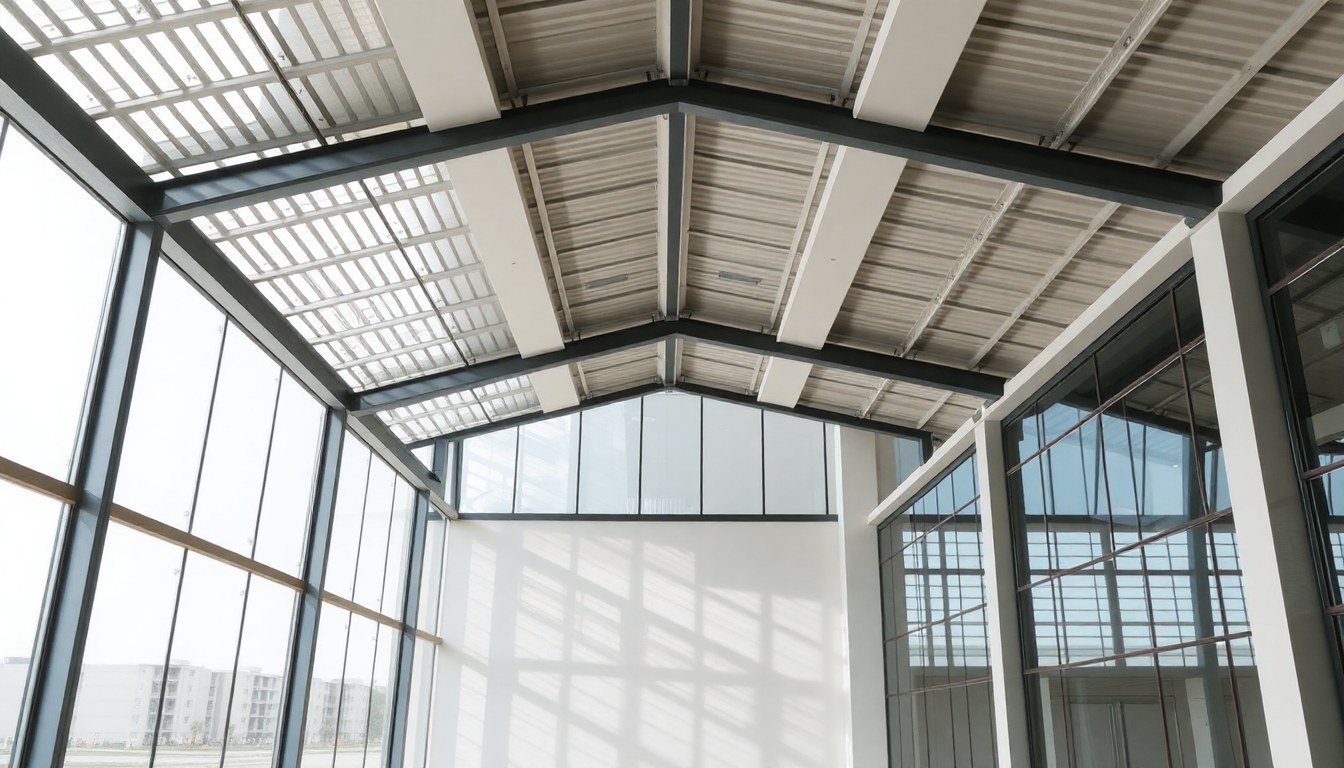
Warehouse ventilation in Surat's humid subtropical climate presents unique challenges that directly impact worker productivity, inventory preservation, and energy costs. Glass louvers and fixed glass panels represent two fundamentally different approaches to balancing natural light requirements with airflow management, each offering distinct advantages for industrial facilities. This detailed comparison examines how these systems perform in Surat's specific environmental conditions, helping warehouse operators make informed decisions based on ventilation efficiency, maintenance demands, and long-term financial implications.
Understanding Glass Louver Systems for Warehouse Ventilation
Glass louvers consist of angled glass slats mounted in a frame that can be fixed or operable, designed to allow air circulation while maintaining visibility and weather protection. In warehouse applications, these systems typically feature toughened or laminated glass blades set at angles between 15 to 45 degrees, creating continuous airflow channels even when closed. The louver design permits natural ventilation without compromising security or allowing direct rain entry, making them particularly suitable for Surat's monsoon season from June through September.
Operable glass louvers offer adjustable ventilation control, allowing warehouse managers to regulate airflow based on temperature, humidity, and operational requirements. The mechanism can be manual, motorized, or automated with sensors that respond to environmental conditions. Fixed glass louvers maintain constant ventilation rates and are more cost-effective for facilities requiring continuous airflow without variable control.
Airflow Performance in Surat's Climate
Surat experiences average temperatures ranging from 24°C to 37°C throughout most of the year, with humidity levels frequently exceeding 70% during monsoon months. Glass louvers create a chimney effect when installed at multiple heights, promoting natural convection currents that draw hot air upward and out while pulling cooler air through lower openings. This passive ventilation can reduce internal warehouse temperatures by 3-5°C compared to sealed environments, decreasing reliance on mechanical cooling systems.
The angled design of louver blades prevents direct sunlight penetration while maintaining airflow, reducing solar heat gain by approximately 40-60% compared to standard vertical glazing. For warehouses storing temperature-sensitive goods like textiles, pharmaceuticals, or electronics—common in Surat's industrial sectors—this balance between light transmission and heat rejection proves particularly valuable.
Fixed Glass Panel Systems and Ventilation Limitations
Fixed glass panels provide unobstructed views and maximum natural light transmission but require separate ventilation solutions to maintain air quality and temperature control. Standard fixed glazing installations in warehouses typically incorporate toughened glass ranging from 8mm to 12mm thickness, offering excellent structural integrity and security. However, these systems create sealed environments that trap heat and require mechanical ventilation to prevent condensation, odor accumulation, and temperature buildup.
When warehouses opt for fixed glass panels, they must invest in HVAC systems, exhaust fans, or roof-mounted turbine ventilators to achieve adequate air circulation. This dependency on mechanical systems increases energy consumption and operational costs, particularly in Surat's climate where cooling demands persist year-round. The total ventilation solution cost must account for both the glazing installation and the supplementary mechanical systems required to maintain acceptable working conditions.
Hybrid Approaches with Fixed Panels
Some warehouse designs combine fixed glass panels with strategically placed openable windows or vents to reduce mechanical ventilation dependency. This hybrid approach maintains the clean aesthetic of continuous glazing while incorporating ventilation points at specific locations. However, these openable sections typically represent only 10-20% of the total glazed area, limiting natural airflow compared to comprehensive louver systems.
Cost Analysis: Initial Investment and Installation
The initial cost difference between glass louvers and fixed panels varies significantly based on specifications, but general pricing patterns emerge for Surat warehouse applications. Fixed glass panel systems typically range from ₹850 to ₹1,400 per square foot for materials and installation, depending on glass type, thickness, and framing systems. This includes toughened glass, aluminum framing, and basic installation labor.
Glass louver systems command higher initial investment, ranging from ₹1,600 to ₹2,800 per square foot for comparable quality installations. The increased cost reflects the more complex manufacturing process, precision-engineered frames, and installation expertise required to ensure proper blade alignment and weather sealing. Motorized operable louvers can add another ₹600-₹1,200 per square foot depending on automation sophistication and control integration.
- Fixed glass panels: ₹850-₹1,400 per sq ft installed
- Fixed glass louvers: ₹1,600-₹2,200 per sq ft installed
- Operable glass louvers (manual): ₹2,000-₹2,500 per sq ft installed
- Operable glass louvers (motorized): ₹2,600-₹3,500 per sq ft installed
For a typical 5,000 square foot warehouse facade in Surat, the initial cost difference between fixed panels and fixed louvers ranges from ₹37.5 lakhs to ₹70 lakhs, representing a significant upfront investment gap that must be weighed against operational savings and functional benefits.
Long-Term Operating Costs and Energy Implications
The total cost of ownership calculation extends far beyond initial installation expenses, particularly in warehouse environments where energy consumption directly impacts profitability. Fixed glass panel installations requiring mechanical ventilation typically consume 30-45 units of electricity per square foot annually for climate control in Surat's conditions, depending on warehouse height, insulation, and operational hours. At average industrial electricity rates of ₹7-₹9 per unit, this translates to annual energy costs of ₹210-₹405 per square foot.
Glass louver systems reduce mechanical cooling dependency by 40-70% through effective natural ventilation, lowering energy consumption to 15-25 units per square foot annually. This reduction yields annual savings of ₹105-₹270 per square foot in energy costs alone. For a 5,000 square foot installation, annual energy savings range from ₹5.25 lakhs to ₹13.5 lakhs, creating a payback period of 3-7 years depending on the specific louver system chosen and baseline energy costs.
Maintenance Requirements and Costs
Fixed glass panels require minimal maintenance beyond periodic cleaning, typically costing ₹15-₹25 per square foot annually for professional cleaning services in industrial environments. The sealed nature of fixed systems protects against mechanical wear, with expected lifespans exceeding 25-30 years with minimal intervention.
Glass louver systems demand more regular maintenance attention due to moving parts, seals, and drainage channels. Annual maintenance costs range from ₹45-₹85 per square foot, including cleaning, lubrication of operating mechanisms, seal inspection, and drainage clearing. Motorized systems require additional electrical component servicing, adding ₹20-₹35 per square foot to annual maintenance budgets. Despite higher maintenance costs, properly serviced louver systems achieve 20-25 year lifespans with component replacements as needed.
Performance Factors Specific to Surat's Industrial Environment
Surat's position as a major textile and diamond processing hub creates specific environmental challenges that influence ventilation system selection. Textile warehouses generate significant airborne fiber particles that accumulate on glass surfaces and clog ventilation systems. Glass louvers with adequate blade spacing (minimum 100mm gaps) allow particle-laden air to exit without excessive buildup, while their angled design prevents particle accumulation compared to horizontal surfaces.
The coastal proximity of Surat, located approximately 14 kilometers from the Arabian Sea, introduces salt-laden air that accelerates corrosion of metal components. Warehouse ventilation systems must specify marine-grade aluminum or stainless steel frames with appropriate protective coatings. Glass louvers with proper material specifications resist corrosion effectively, though the additional exposed metal surfaces require more vigilant maintenance than sealed fixed panel systems.
Monsoon performance represents another critical consideration, as Surat receives 1,000-1,200mm of annual rainfall concentrated in four months. Quality glass louver installations with properly designed drainage channels and weather seals prevent water ingress even during heavy downpours, while maintaining ventilation. Fixed panels offer complete weather protection but trap humidity inside the warehouse, potentially creating condensation issues that damage inventory and promote mold growth.
Making the Right Choice for Your Warehouse
The decision between glass louvers and fixed panels depends on specific warehouse requirements, budget constraints, and operational priorities. Warehouses storing moisture-sensitive goods, operating in high-occupancy conditions, or seeking to minimize energy costs benefit substantially from louver systems despite higher initial investment. The natural ventilation advantages prove particularly valuable for facilities without climate control requirements, such as general storage warehouses or distribution centers handling non-perishable goods.
Fixed glass panels make economic sense for climate-controlled warehouses already investing in comprehensive HVAC systems, where the primary glazing function is natural lighting rather than ventilation. Cold storage facilities, pharmaceutical warehouses, and electronics storage operations typically require sealed environments regardless of facade choice, making the ventilation benefits of louvers less relevant. In these applications, fixed panels offer lower initial costs and simpler maintenance while the sealed environment aligns with operational requirements.
Consider conducting a total cost of ownership analysis spanning 10-15 years, incorporating initial installation costs, projected energy savings, maintenance expenses, and potential productivity improvements from better working conditions. Many Surat warehouse operators find that louver systems deliver positive ROI within 5-7 years for naturally ventilated facilities, while fixed panels prove more economical for fully mechanically ventilated operations.
Frequently Asked Questions
Can glass louvers provide adequate security for warehouse applications?
Yes, glass louvers can provide excellent security when properly specified. Systems using laminated or toughened glass blades of 10mm or greater thickness, combined with robust aluminum or steel frames and locking mechanisms, offer security comparable to fixed glazing. Many manufacturers provide louver systems specifically engineered for industrial security requirements, with options for integration with alarm systems and restricted opening angles that maintain ventilation while preventing unauthorized access.
How do glass louvers perform during Surat's monsoon season?
Quality glass louver systems are specifically designed to exclude rain while maintaining airflow. The angled blade configuration directs water downward and outward, while integrated drainage channels collect and divert any moisture that penetrates the outer blades. Properly installed systems with adequate overlap between blades and weather sealing prevent water ingress even during heavy monsoon downpours. Regular maintenance of drainage channels before monsoon season ensures optimal performance throughout the rainy period.
What is the typical lifespan difference between glass louvers and fixed panels?
Fixed glass panels typically achieve 25-30 year lifespans with minimal maintenance, as they have no moving parts subject to wear. Glass louver systems, particularly operable versions, have expected lifespans of 20-25 years with proper maintenance, though individual components like operating mechanisms may require replacement every 10-15 years. The glass blades themselves, if using quality toughened or laminated glass, can last as long as fixed panels. The lifespan difference is primarily attributable to mechanical components rather than the glass elements.
Do glass louvers require more frequent cleaning than fixed panels in industrial environments?
Yes, glass louvers generally require more frequent cleaning due to their increased surface area and the horizontal surfaces created by angled blades where dust and particles accumulate. In Surat's textile industry environments, quarterly professional cleaning is recommended for louvers versus semi-annual cleaning for fixed panels. However, the louver design allows for easier access to individual blades for cleaning compared to high fixed glazing, potentially reducing cleaning costs per session despite increased frequency.
Can existing fixed glass panels be retrofitted with ventilation louvers?
Complete replacement is typically necessary, as the structural requirements and framing systems differ significantly between fixed panels and louver installations. However, partial retrofitting is possible where sections of fixed glazing are removed and replaced with louver panels, creating hybrid systems that add natural ventilation to existing structures. This approach allows phased implementation, spreading costs over time while immediately improving ventilation in critical warehouse zones. Consult with experienced glass facade contractors to evaluate retrofit feasibility for specific installations.
Selecting the optimal glazing solution for your Surat warehouse requires careful evaluation of ventilation needs, budget parameters, and long-term operational goals. Whether you choose glass louvers for maximum natural ventilation or fixed panels for controlled environments, working with experienced suppliers ensures proper specification and installation. Visit the glassy.in directory to connect with qualified glass louver manufacturers, fixed glazing specialists, and warehouse facade contractors serving Surat and surrounding industrial areas who can provide detailed assessments and competitive quotations for your specific project requirements.