
Glass Facades
Glass Louver Facade Systems: Solar Shading Performance for Surat Textile Mills
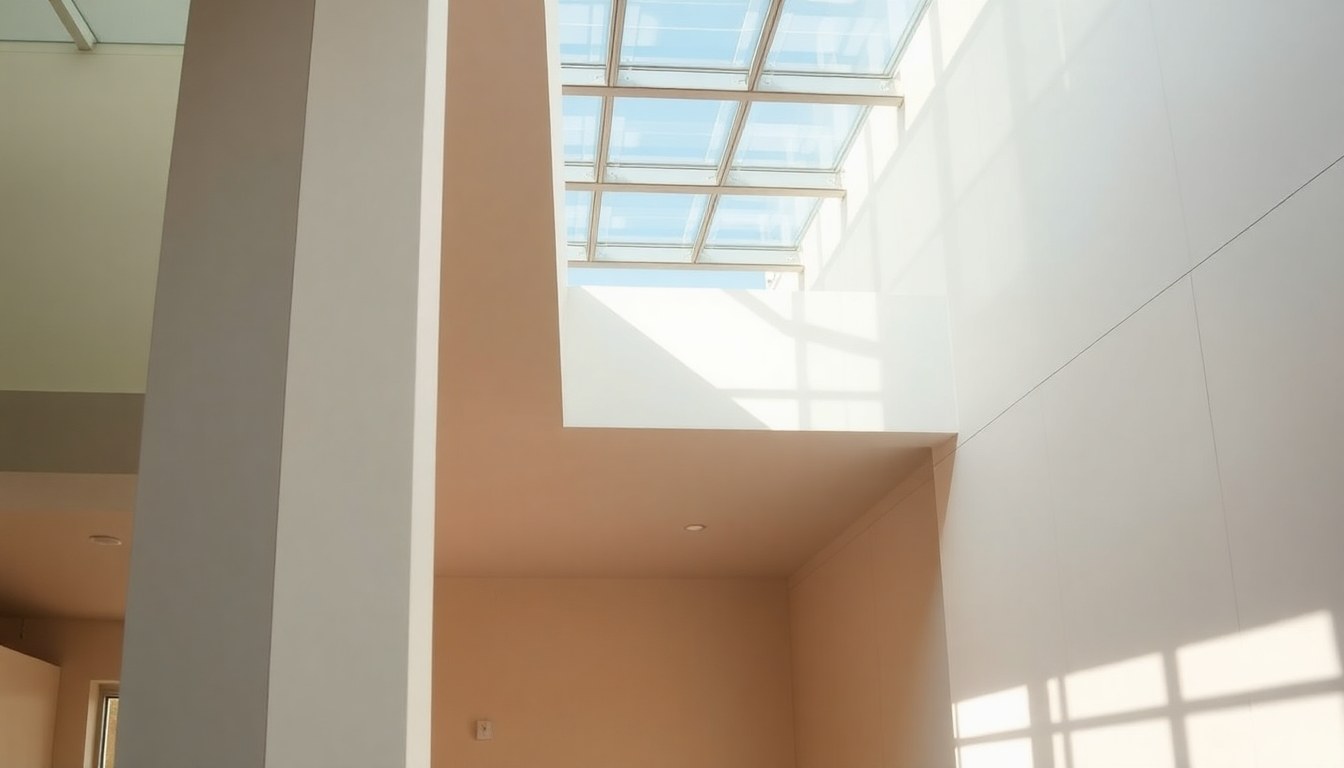
Surat's textile mills face a unique challenge: maintaining optimal indoor conditions while managing intense solar heat gain in a climate where temperatures regularly exceed 40°C during summer months. Glass louver facade systems offer an engineered solution that balances natural daylight with effective solar shading, reducing cooling loads by 30-45% compared to conventional glazing while preserving visibility and ventilation. This comprehensive analysis examines how fixed and motorized louver configurations perform in industrial settings, with specific focus on the thermal and operational demands of textile manufacturing facilities.
Understanding Glass Louver Facade Technology
Glass louver facades consist of horizontal or vertical glass blades mounted in a supporting frame system, positioned at calculated angles to intercept direct solar radiation while permitting diffused daylight entry. Unlike solid louvers, glass blades maintain visual transparency and weather protection, making them particularly suitable for industrial environments where natural light quality directly impacts worker productivity and quality control processes.
The system comprises several critical components: tempered or laminated glass blades typically ranging from 150mm to 300mm in width, aluminum or steel support frames with precision bearing mechanisms, and optional motorization systems for angle adjustment. Each blade is mounted with a slight overlap to prevent rain penetration while maintaining ventilation capabilities when required.
For Surat's textile mills, the technology addresses three simultaneous requirements: reducing solar heat gain during peak hours (10 AM to 4 PM), maintaining consistent daylight levels for color-matching and quality inspection, and providing natural ventilation to manage humidity from dyeing and finishing processes.
Fixed Versus Motorized Louver Configurations
Fixed Angle Systems
Fixed louver systems maintain a constant blade angle, typically optimized for the site's latitude and primary solar orientation. For Surat (latitude 21.17°N), south-facing facades commonly employ a 35-45° angle to block high-angle summer sun while admitting lower winter sun. These systems offer significant advantages in terms of initial cost, mechanical simplicity, and maintenance requirements.
The primary limitation of fixed systems is their inability to respond to changing solar conditions throughout the day and seasons. A blade angle optimized for summer noon may create excessive glare during early morning or late afternoon hours. However, for large industrial facades where budget constraints are significant, fixed systems deliver consistent performance with minimal operational complexity.
Motorized Adjustable Systems
Motorized louver systems incorporate electric or pneumatic actuators that adjust blade angles based on solar position, internal temperature, or daylight requirements. Modern systems integrate with building management platforms, using sensors to optimize angles every 15-30 minutes throughout the day. This dynamic response can improve energy performance by an additional 15-20% compared to fixed configurations.
The investment for motorized systems typically ranges from ₹8,500 to ₹14,000 per square meter installed, compared to ₹4,200 to ₹6,800 for fixed systems. Payback periods in Surat's climate, where cooling represents 40-50% of industrial energy consumption, generally fall within 4-6 years for facilities operating multiple shifts.
- Actuator maintenance requirements: quarterly inspection and annual lubrication
- Control system integration: compatibility with existing HVAC and lighting controls
- Emergency positioning: fail-safe angles during power outages (typically 45° for maximum shading)
- Override capabilities: manual adjustment for specific production requirements
Solar Shading Performance Analysis
The effectiveness of glass louver systems depends on precise geometric relationships between blade width, spacing, angle, and solar altitude. For textile mills requiring consistent illumination, the Solar Heat Gain Coefficient (SHGC) and Visible Light Transmittance (VLT) must be balanced to minimize heat while maximizing useful daylight.
A typical configuration for Surat conditions uses 200mm wide low-iron tempered glass blades with low-e coating, spaced at 180mm centers. At a 40° angle, this arrangement achieves an effective SHGC of 0.22-0.28 compared to 0.65-0.75 for standard double glazing. Simultaneously, VLT remains at 35-42%, sufficient for most textile operations without supplementary artificial lighting during daylight hours.
Seasonal Performance Variations
Surat experiences significant seasonal solar angle variation, from approximately 68° altitude at summer solstice to 45° at winter solstice. Fixed louver systems must compromise between these extremes, while motorized systems adjust to maintain optimal shading throughout the year. During monsoon months (June through September), the ability to adjust louvers also facilitates increased natural ventilation when solar gain is reduced by cloud cover.
Performance monitoring at industrial facilities in Gujarat has demonstrated that properly configured louver systems reduce peak cooling loads by 180-220 watts per square meter of facade area during summer months. This translates to substantial energy savings for large mill buildings with facade areas exceeding 2,000-3,000 square meters.
Daylight Harvesting and Visual Comfort
Textile manufacturing demands specific illumination characteristics: consistent light levels between 500-750 lux for general production areas, 1000-1500 lux for quality inspection zones, and color rendering index (CRI) above 90 for accurate color matching. Glass louver facades contribute to these requirements through controlled daylight admission while minimizing glare and direct sun penetration.
The horizontal orientation of louver blades creates a unique light distribution pattern, directing daylight toward the ceiling plane where it diffuses throughout the space. This indirect lighting approach reduces contrast ratios and eliminates the harsh shadows common with conventional windows. For facilities with ceiling heights of 6-8 meters typical in textile mills, this distribution pattern provides remarkably uniform illumination across the work floor.
Integration with Artificial Lighting
Daylight-responsive controls maximize the energy benefits of glass louver facades by dimming or switching artificial lighting based on available natural light. Photosensor placement requires careful coordination with louver geometry to avoid measurement errors from direct sun striking sensors. Best practice positions sensors at work-plane height, oriented away from the facade, measuring reflected light from interior surfaces rather than direct daylight.
Combined daylight harvesting and solar shading typically reduces total lighting and cooling energy by 45-60% compared to conventional facade and lighting systems. For a medium-sized textile mill operating 5,500 hours annually, this represents savings of ₹12-18 lakhs per year at current industrial electricity rates in Gujarat.
Maintenance Access and Durability in High-Temperature Environments
Surat's climate presents specific maintenance challenges: dust accumulation from textile fiber processing, thermal expansion in aluminum frames during 40°C+ temperatures, and degradation of seals and bearings from sustained heat exposure. Effective maintenance protocols address these factors while minimizing production disruption.
Glass louver systems require quarterly cleaning to maintain optical performance, as dust accumulation can reduce light transmission by 15-25% over a three-month period in textile environments. Access solutions include exterior walkways with fall protection systems, building maintenance units (BMUs) for tall facades, or articulating louver sections that rotate for interior cleaning access.
Component Lifespan and Replacement Cycles
Properly specified systems demonstrate excellent durability in industrial environments. Tempered glass blades withstand thermal stress and impact, with expected service life exceeding 25 years. Aluminum frames with appropriate surface treatments (anodizing or powder coating minimum 80 microns thickness) resist corrosion in humid coastal proximity. Critical wear components include:
- Bearing assemblies: stainless steel or bronze bushings requiring replacement every 8-12 years
- Motorized actuators: 12-15 year service life with proper maintenance
- Weather seals: EPDM or silicone gaskets requiring replacement every 10-12 years
- Control sensors: 7-10 year replacement cycle for photosensors and temperature monitors
Maintenance contracts for motorized systems typically cost ₹85-125 per square meter annually, covering quarterly inspections, cleaning, lubrication, and control system verification. This represents approximately 1.2-1.5% of initial system cost, comparable to other building facade technologies.
Specification Considerations for Textile Mill Applications
Selecting appropriate glass louver configurations requires analysis of specific operational parameters. Textile mills with north-facing quality control areas benefit from vertical louver orientations that block low-angle sun while admitting consistent north light. Production floors with east or west exposure require more aggressive shading angles to manage morning and afternoon solar gain.
Glass selection significantly impacts both initial cost and long-term performance. Standard clear tempered glass (₹420-580 per square meter) provides basic functionality, while low-iron glass with selective low-e coatings (₹880-1,240 per square meter) delivers superior solar control with higher visible light transmission. For facilities prioritizing energy performance, the premium glass investment typically pays back within 3-4 years through reduced cooling costs.
Structural integration requires coordination with the building's primary frame. Louver systems generate wind loads that must transfer to the structure, particularly important for retrofit applications on existing mill buildings. Wind tunnel testing or computational fluid dynamics analysis may be warranted for buildings exceeding 15 meters height or in exposed locations near Surat's coastal areas.
Frequently Asked Questions
What is the typical cost difference between fixed and motorized glass louver systems?
Fixed glass louver systems typically cost ₹4,200-6,800 per square meter installed, while motorized systems range from ₹8,500-14,000 per square meter. The additional cost for motorization includes actuators, control systems, sensors, and integration with building management platforms. For Surat textile mills with high cooling loads, motorized systems often achieve payback within 4-6 years through energy savings, making them economically viable despite higher initial investment.
How do glass louvers perform during Surat's monsoon season?
Glass louver systems provide effective rain protection when properly designed with adequate blade overlap (typically 30-50mm) and appropriate angle settings. During monsoon months, motorized systems can adjust to steeper angles (50-60°) to maximize weather protection while still admitting diffused daylight. The systems also facilitate natural ventilation during periods of reduced solar gain, helping manage humidity in textile processing areas without relying entirely on mechanical ventilation.
What maintenance is required for glass louver facades in dusty textile environments?
Textile mill environments require quarterly glass cleaning to maintain optical performance, as fiber dust can reduce light transmission by 15-25% over three months. Motorized systems additionally need quarterly inspection of actuators and annual lubrication of moving components. Bearing assemblies typically require replacement every 8-12 years, while weather seals need replacement every 10-12 years. Total annual maintenance costs average ₹85-125 per square meter for motorized systems.
Can glass louver systems provide adequate daylight for color-matching operations?
Yes, properly configured glass louver systems deliver sufficient daylight quantity and quality for color-matching when using low-iron glass with high color rendering properties. Systems should maintain visible light transmittance of 35-42% and be positioned to provide 1000-1500 lux at inspection stations. North-facing vertical louver configurations work particularly well for color-critical areas, providing consistent illumination without direct sun interference throughout the day.
Are glass louver facades suitable for retrofit applications on existing textile mills?
Glass louver systems adapt well to retrofit applications, though structural capacity must be verified to support additional wind loads. Existing mill buildings often have adequate structural capacity in their original frames, but connection details require engineering analysis. Retrofit installations typically cost 15-20% more than new construction applications due to existing condition surveys, structural reinforcement, and coordination with ongoing operations. However, energy savings and improved working conditions usually justify the investment for facilities planning 10+ years of continued operation.
Glass louver facade systems represent a proven technology for improving energy performance and working conditions in Surat's textile manufacturing sector. Whether you're planning new construction or upgrading existing facilities, consulting with experienced facade specialists ensures optimal system configuration for your specific requirements. Visit the glassy.in directory to connect with glass louver system suppliers, facade engineers, and installation contractors serving industrial projects across Gujarat and throughout India.