
Glass Facades
Curtain Wall Systems: Aluminum Framing vs Structural Glazing Comparison
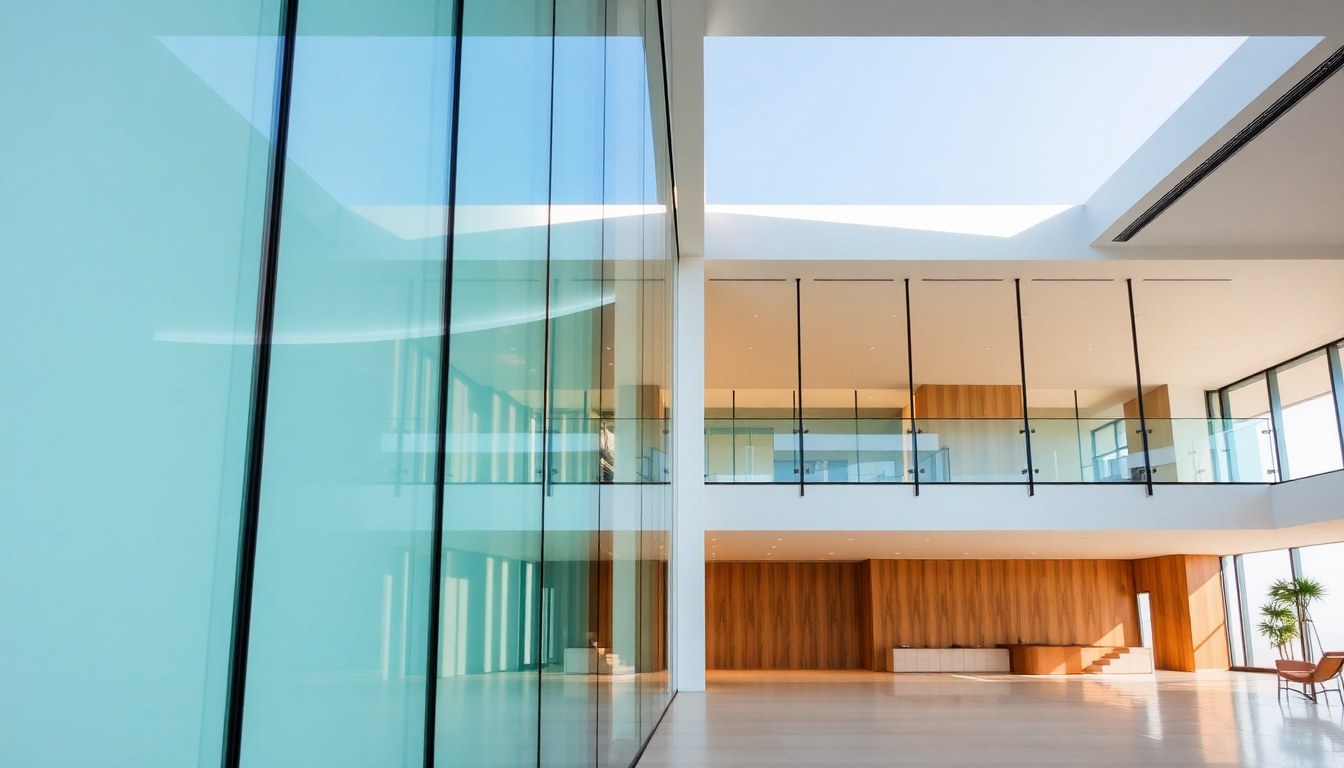
Modern commercial buildings in India demand façade systems that balance aesthetics, performance, and cost-effectiveness. Curtain wall technology has evolved significantly, with aluminum framing and structural glazing emerging as the two dominant approaches for high-rise and premium construction. Understanding their differences helps architects, builders, and facility managers make informed decisions that impact long-term building performance and maintenance costs.
What Are Curtain Wall Systems?
A curtain wall is a non-structural outer covering of a building that carries only its own weight and resists wind and weather loads. Unlike traditional masonry, curtain walls are lightweight façade systems suspended from the building's structural frame. They serve as the primary weather barrier while allowing interior flexibility and natural light penetration.
In India's diverse climate zones—from humid coastal regions like Mumbai and Kochi to hot-dry areas like Delhi and Jaipur—curtain wall systems must withstand intense solar radiation, monsoon moisture, temperature fluctuations, and air pollution. The choice between aluminum framing and structural glazing directly affects how well a building performs under these conditions.
Aluminum Framing Systems: Design and Function
Aluminum framing systems use extruded aluminum mullions (vertical and horizontal members) to create a grid structure that holds glass panes, spandrel panels, and insulation. The aluminum framework is typically thermally broken—meaning insulators separate the inner and outer aluminum surfaces to reduce heat transfer. This is the most common curtain wall type in Indian commercial construction.
The system works by anchoring the aluminum frame to the building's structural columns and floors at regular intervals (usually 1.5 to 2 meters vertically). Glass sheets are then inserted into the aluminum channels and secured with gaskets and sealants. This modular approach allows for straightforward assembly and relatively quick installation on-site.
Key Characteristics of Aluminum Framing
- Visible framework: The aluminum mullions remain visible from both inside and outside, creating a gridded appearance
- Thermal breaks: Modern systems include polyamide or polyurethane insulators to minimize thermal bridging
- Standardized components: Mullions, connectors, and gaskets are mass-produced and readily available in India
- Modular design: Panels can be fabricated off-site and assembled quickly on-site
- Maintenance accessibility: Individual components can be replaced without affecting the entire system
Structural Glazing Systems: Design and Function
Structural glazing (also called "frameless" or "semi-frameless" glazing) uses structural silicone sealants to bond glass panes directly to the building structure or to hidden aluminum frames. The glass itself becomes part of the load-bearing system, transferring wind and weather loads through the silicone joints to the building frame. This creates a seamless, minimalist aesthetic with little or no visible framework.
In structural glazing systems, the glass is adhered using high-performance structural silicone that has been tested for durability under Indian climatic conditions. The silicone joints are typically 12-25mm wide and must be applied with precision in controlled environmental conditions. This approach requires more rigorous quality control during fabrication and installation compared to traditional aluminum framing.
Key Characteristics of Structural Glazing
- Frameless appearance: Minimal visible framework creates a clean, modern aesthetic
- Silicone-bonded glass: Structural silicone bears the loads, not aluminum mullions
- Higher glass visibility: Allows more unobstructed views and natural light penetration
- Factory precision: Requires controlled environment fabrication; cannot be easily modified on-site
- Durability concerns in humid climates: Silicone sealants require protection from UV and moisture degradation
Cost Comparison for Indian Market
Cost is often the deciding factor in Indian commercial construction. Aluminum framing systems typically range from ₹1,800 to ₹3,500 per square meter (including glass, frame, and installation), depending on glass type, thermal performance requirements, and location. Structural glazing systems generally cost 20-40% more, ranging from ₹2,500 to ₹5,000 per square meter, due to higher material costs, stricter quality control, and specialized labor.
However, the initial cost difference doesn't tell the complete story. Aluminum framing systems require more regular maintenance—gasket replacement, sealant reapplication, and frame cleaning—adding ₹200-400 per square meter every 5-10 years. Structural glazing systems have lower maintenance costs initially but require expert assessment if silicone bonds show signs of degradation, which can be expensive to repair.
Long-Term Cost Factors
- Maintenance labor: Aluminum systems require more frequent cleaning and gasket replacement in polluted Indian cities
- Replacement parts: Aluminum components are cheaper and more readily available for repairs
- Energy efficiency: Modern thermally broken aluminum systems perform nearly as well as structural glazing, reducing long-term cooling costs
- Repair costs: Structural glazing repairs often require removing and re-bonding entire glass panels, which is labor-intensive
- Warranty periods: Aluminum systems typically carry 10-year warranties; structural glazing often 15-20 years
Thermal Performance and Energy Efficiency
India's building energy codes increasingly demand better thermal performance. Modern thermally broken aluminum systems achieve U-values (heat transfer rates) of 2.5-3.5 W/m²K, while structural glazing systems can achieve 2.0-2.8 W/m²K—a modest difference when combined with high-performance glazing like low-emissivity (Low-E) glass.
In hot-humid climates like Bangalore, Mumbai, and Chennai, the superior thermal performance of structural glazing becomes more valuable, reducing air-conditioning loads by 8-15%. However, in moderate climates like Pune or Hyderabad, the cost premium for structural glazing may not justify the energy savings. The choice depends on building orientation, occupancy patterns, and local electricity costs.
Both systems perform well with modern double-glazed and triple-glazed units filled with argon gas. The real thermal advantage comes from the glass specification, not the frame type. A thermally broken aluminum frame with high-performance glazing often outperforms a structural glazing system with standard glass.
Durability and Climate Resilience in India
India's diverse climate presents unique durability challenges. Coastal cities experience salt-spray corrosion, monsoon regions face intense moisture exposure, and northern cities endure freeze-thaw cycles. Aluminum is naturally corrosion-resistant but requires proper anodizing (typically 15-25 microns) and protective coatings to withstand these environments.
Structural glazing systems face different challenges. Structural silicone sealants degrade under prolonged UV exposure, a significant concern in India's high-altitude and tropical regions. The silicone must be protected by the glass's tint or coating, and any glass replacement requires careful silicone removal and reapplication—a complex process in the field.
Performance in Specific Indian Climates
- Coastal regions (Mumbai, Kochi, Chennai): Aluminum framing with marine-grade anodizing performs better; silicone bonds may degrade faster due to salt spray and UV exposure
- Monsoon zones (Western Ghats, Northeast): Both systems perform well with proper water management; aluminum's drainage design is simpler to maintain
- Hot-dry regions (Delhi, Jaipur, Rajasthan): Structural glazing's superior thermal performance reduces cooling costs; UV protection for silicone is critical
- High-altitude areas (Himachal, Uttarakhand): Freeze-thaw cycles can stress silicone bonds; aluminum systems' modular design handles thermal movement better
Installation Complexity and Timeline
Aluminum framing systems are faster to install. Mullions are assembled on-site using bolted connections, and glass is inserted into channels and secured with gaskets. A typical 50-story building might complete curtain wall installation in 12-18 months. This speed is valuable in India's competitive real estate market where early occupancy drives revenue.
Structural glazing requires factory fabrication of entire glass-panel assemblies before delivery to site. Each panel must be custom-fitted to the building's structural tolerances, which are often tighter than required for aluminum systems. Installation involves careful positioning and silicone application, which is weather-dependent and cannot proceed during rain or high humidity. The same 50-story building might require 18-24 months for structural glazing installation.
Installation Considerations
- Weather dependency: Aluminum systems are less weather-sensitive; structural glazing cannot be installed during monsoon or high humidity
- Labor skill requirements: Aluminum installation requires standard glazing skills; structural glazing demands specialized silicone application expertise
- Quality control: Aluminum systems allow for on-site adjustments; structural glazing requires factory-level precision
- Supply chain: Aluminum components are readily available from Indian suppliers; structural glazing often requires imported materials or specialized fabricators
Aesthetic Considerations and Design Flexibility
Architectural aesthetics significantly influence the choice between these systems. Structural glazing's frameless appearance appeals to architects seeking minimalist, contemporary designs with maximum transparency. It's ideal for flagship corporate offices, luxury hotels, and high-end retail spaces where visual impact justifies the premium cost.
Aluminum framing offers greater design flexibility. The visible mullions can be customized in color, finish, and profile to create varied architectural expressions. Many Indian architects prefer the visual clarity of aluminum grids for mixed-use developments, institutional buildings, and mid-market commercial projects. The grid pattern can be adjusted to align with interior column spacing or create intentional visual rhythm.
Maintenance and Long-Term Care
Aluminum framing requires regular maintenance: annual cleaning to remove dust and pollution (critical in Indian cities), gasket inspection every 3-5 years, and sealant reapplication every 7-10 years. In polluted metros like Delhi and Bangalore, more frequent cleaning is necessary to prevent staining and algae growth. Costs typically range from ₹50-150 per square meter annually.
Structural glazing systems require less frequent maintenance but demand expert assessment. Silicone joint inspection should occur every 5 years, with professional re-sealing if degradation is detected. This specialized work can cost ₹300-800 per square meter when required. However, the glass itself requires the same cleaning as aluminum-framed systems.
Frequently Asked Questions
Which system is better for India's monsoon climate?
Aluminum framing systems generally perform better in monsoon regions due to their proven drainage design and easier maintenance. The water management features are well-established, and gasket replacement is straightforward. Structural glazing can work in monsoon areas but requires meticulous silicone joint design and regular inspection. The choice depends on the building's specific location and exposure.
Can structural glazing be used in coastal cities like Mumbai?
Yes, but with careful specification. Structural glazing systems in coastal areas must use marine-grade silicone sealants and protective glass coatings to resist salt-spray corrosion. The silicone bonds require more frequent inspection (every 2-3 years instead of 5) and UV protection. Many Mumbai developers prefer aluminum framing with marine-grade anodizing for its proven track record and easier maintenance.
What is the payback period for structural glazing's better thermal performance?
In hot climates like Bangalore or Chennai, the energy savings from structural glazing's superior thermal performance typically pay back the cost premium in 15-20 years. However, this assumes consistent occupancy and air-conditioning use. For buildings with variable occupancy or in moderate climates, the payback period extends beyond 25 years, making aluminum framing more economical.
Are aluminum framing systems less durable than structural glazing?
Not necessarily. Both systems can last 30-50 years with proper maintenance. Aluminum framing's durability depends on anodizing quality and sealant maintenance. Structural glazing's durability depends on silicone quality and UV protection. In Indian climates, aluminum systems often prove more durable because maintenance is simpler and replacement parts are readily available.
Which system is easier to modify or expand in the future?
Aluminum framing is significantly easier to modify. Individual panels can be removed and replaced, or sections can be extended without affecting the entire façade. Structural glazing modifications require careful silicone removal and re-bonding, which is complex and costly. If future flexibility is important, aluminum framing is the better choice.
Conclusion
Both aluminum framing and structural glazing systems deliver excellent performance in Indian commercial buildings, but they serve different project requirements. Aluminum framing excels in cost-effectiveness, installation speed, maintenance simplicity, and climate resilience across India's diverse regions. Structural glazing offers superior aesthetics and thermal performance, justifying its premium cost for flagship projects and hot-climate applications.
The best choice depends on your project's budget, timeline, climate zone, aesthetic goals, and long-term maintenance capacity. Explore verified glass façade suppliers and system providers through the Glassy.in directory to compare specifications, costs, and local expertise for your specific building requirements.