
Glass Facades
Tinted Glass vs Reflective Glass for Building Facades: Climate Impact Explained
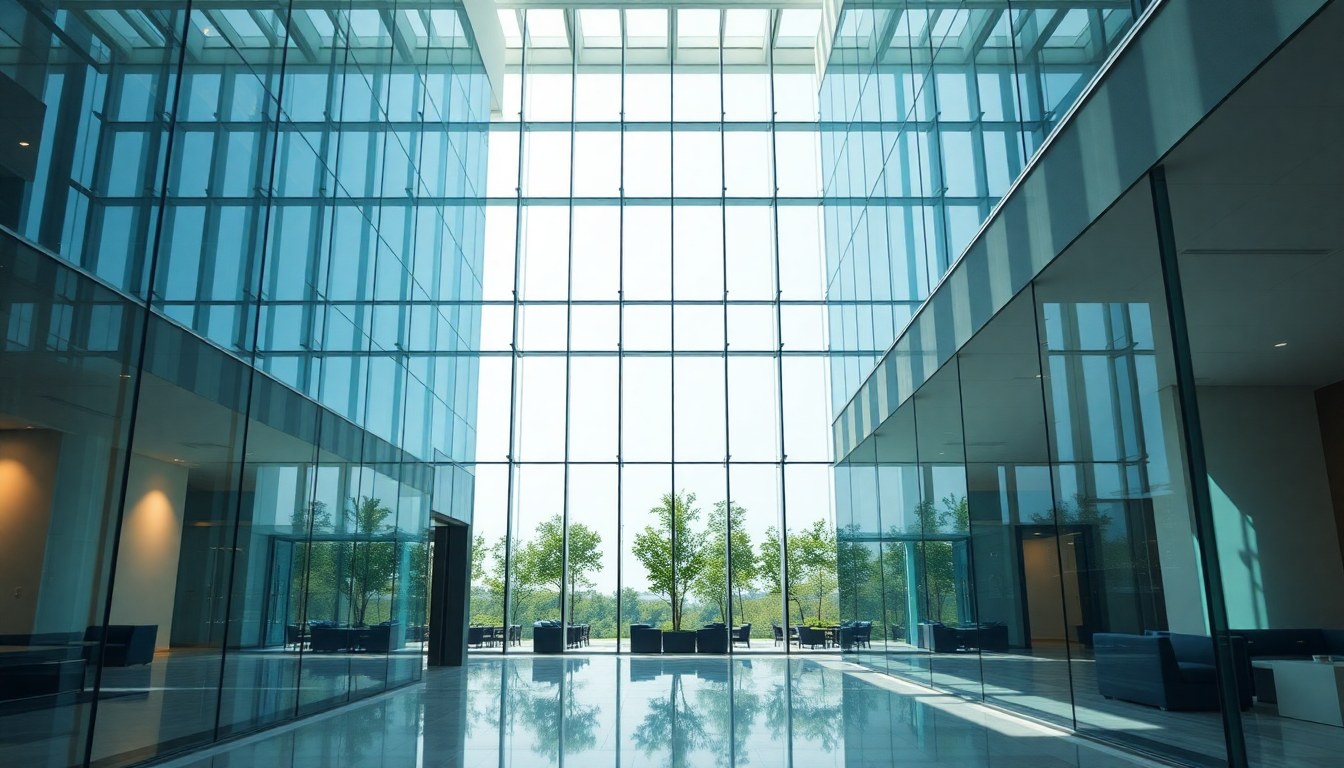
Building facades account for significant heat gain and loss in commercial structures, making the choice between tinted and reflective glass critical for energy efficiency. Both technologies manage solar radiation differently—tinted glass absorbs heat while reflective glass bounces it away—each with distinct performance profiles, aesthetic consequences, and climate suitability. Understanding these differences helps architects and developers select the right solar control solution for their specific building envelope requirements and regional climate conditions.
How Tinted Glass Works for Solar Control
Tinted glass incorporates metal oxides or organic colorants into the glass matrix during manufacturing, creating a uniform color throughout the material. This approach absorbs a portion of incoming solar radiation, converting it to heat that is then re-radiated outward and inward. The absorption rate depends on the tint color and thickness—darker tints absorb more solar energy than lighter variants.
The solar absorption mechanism in tinted glass means that while interior glare decreases significantly, some of the absorbed heat is released back into the building interior, requiring additional air-conditioning load during peak summer months. This characteristic makes tinted glass particularly effective in climates with moderate solar intensity or where interior heat dissipation can be managed through ventilation systems. Common tint colors include bronze, gray, and green, each offering different visible light transmission (VLT) percentages ranging from 40% to 70%.
- Bronze tint: Reduces glare effectively, warm aesthetic, 50-60% VLT
- Gray tint: Neutral appearance, consistent color rendering, 45-55% VLT
- Green tint: Subtle environmental appeal, 50-65% VLT
Understanding Reflective Glass Performance
Reflective glass features a thin metallic or dielectric coating applied to the surface, typically on the exterior or cavity-facing side of the glass pane. This coating acts as a mirror, reflecting 40-60% of incoming solar radiation back into the atmosphere before it enters the building. The remaining radiation either transmits through or is absorbed, depending on the coating composition and thickness.
The reflective mechanism provides superior solar control in high-heat climates, as the majority of solar energy never enters the building interior. However, this same reflective quality creates a mirror-like exterior appearance, which can affect the building's aesthetic and may increase reflected glare for neighboring structures. Reflective coatings are available in various colors—silver, gold, bronze, and blue—allowing some design flexibility while maintaining high solar rejection rates.
Types of Reflective Coatings
Modern reflective coatings fall into two main categories: hard coatings (pyrolytic) and soft coatings (magnetron-sputtered). Hard coatings are fused to the glass surface during the float glass manufacturing process, offering excellent durability and scratch resistance but limited aesthetic options. Soft coatings are applied after manufacturing and provide superior optical properties and color variety, though they require protective cavities in double-glazed units to prevent oxidation.
Energy Efficiency Comparison: Tinted vs Reflective Glass
Energy performance depends heavily on climate zone and building orientation. In tropical and subtropical regions like India, reflective glass typically outperforms tinted variants by 15-25% in terms of cooling load reduction during summer months. A building with reflective facades in Delhi or Mumbai can achieve solar heat gain coefficients (SHGC) as low as 0.20-0.30, compared to 0.35-0.50 for tinted glass.
However, tinted glass shows better performance during winter months in temperate climates, as it allows more passive solar heat gain while still managing glare. The trade-off becomes apparent when calculating annual energy consumption: reflective glass minimizes cooling costs year-round but may increase heating requirements in colder seasons, while tinted glass offers a middle ground with moderate performance across seasons.
Cost-Benefit Analysis for Indian Climates
In India's predominantly warm climate, reflective glass typically delivers better return on investment through reduced air-conditioning costs. A 10,000 sq. meter commercial building facade in Bangalore switching from standard clear glass to reflective glass can save ₹8-12 lakhs annually on cooling expenses, depending on occupancy patterns and HVAC efficiency. Tinted glass offers more modest savings of ₹4-7 lakhs annually but at a lower upfront cost, making it suitable for budget-conscious projects.
Glare Reduction and Visual Comfort
Glare management represents a critical factor in facade selection, as excessive interior glare reduces occupant productivity and comfort. Tinted glass excels at glare reduction because it absorbs visible light along with solar radiation, typically reducing interior illumination by 40-60% depending on tint darkness. This creates a naturally dimmed interior environment that requires less artificial lighting during daytime hours.
Reflective glass also reduces interior glare through reflection, but its mechanism differs—it bounces visible light back outside rather than absorbing it. While effective, reflective glass creates a more pronounced exterior mirror effect, which some occupants find visually jarring when viewing the building exterior. The choice between these approaches often depends on whether the priority is interior visual comfort or exterior aesthetic preservation.
- Tinted glass: Reduces glare by 40-60%, maintains some exterior transparency
- Reflective glass: Reduces glare by 50-70%, creates mirror-like facade appearance
- Occupant preference: Tinted often preferred for office environments, reflective for high-heat zones
Aesthetic and Design Considerations
Building appearance plays a significant role in commercial real estate value and brand identity. Tinted glass maintains a more transparent facade appearance, allowing the building structure and interior spaces to remain partially visible from the exterior. This quality appeals to architects seeking visual continuity and a lighter aesthetic. Firms like Creative Designs Architect and Engineers often recommend tinted glass for projects where facade transparency is a design priority.
Reflective glass creates a bold, contemporary appearance with a strong visual presence. The metallic sheen projects sophistication and modernity, making it popular in premium commercial districts. However, this same reflectivity can dominate the visual landscape and may conflict with heritage surroundings or neighborhood character. Volks Architects and other design professionals balance these aesthetic considerations with performance requirements when specifying facade materials.
Regional Context and Urban Integration
In Indian cities with mixed architectural styles, the choice between tinted and reflective glass significantly impacts urban visual coherence. Bangalore's glass-heavy IT parks benefit from reflective facades that create a unified, modern aesthetic. Conversely, heritage districts in cities like Kochi or Thiruvananthapuram may require tinted glass to maintain visual harmony with existing architecture. BuildScape - Designers And Builders emphasizes context-sensitive facade design that respects local urban character while meeting performance standards.
Installation, Maintenance, and Longevity
Both tinted and reflective glass require proper installation in curtain wall systems to maximize performance and longevity. Tinted glass presents fewer installation challenges since the color is integral to the glass; however, color consistency across large projects requires careful batch selection and quality control. Reflective coatings, particularly soft coatings, demand more meticulous handling to prevent damage during fabrication and installation.
Maintenance requirements differ between the two types. Tinted glass requires standard glass cleaning protocols—water, mild detergent, and soft cloths suffice. Reflective glass, especially soft-coated variants, demands gentler cleaning methods to avoid coating degradation. Hard-coated reflective glass tolerates more aggressive cleaning but offers fewer aesthetic options. Both systems maintain their performance characteristics for 20-30 years with proper maintenance, though reflective coatings may require re-coating after 25-30 years in harsh environmental conditions.
Climate-Specific Recommendations for India
India's diverse climate zones call for tailored facade solutions. In hot-dry regions (Delhi, Jaipur, Ahmedabad), reflective glass delivers maximum cooling benefits with SHGC values below 0.25, justifying the premium cost through operational savings. In hot-humid zones (Mumbai, Kolkata, coastal cities), reflective glass remains superior but tinted glass offers a cost-effective alternative where initial budget constraints exist.
For moderate climates in hill stations or temperate plateaus (Pune, Hyderabad), tinted glass performs adequately and preserves more aesthetic flexibility. Architects should also consider orientation: south and west-facing facades benefit most from reflective coatings, while north-facing walls may use tinted glass to maximize daylight penetration. PlanArt and similar design firms conduct solar analysis simulations to optimize facade specifications for each building orientation.
Frequently Asked Questions
Which glass type is better for energy savings in India?
Reflective glass typically delivers 15-25% greater cooling load reductions than tinted glass in India's warm climate. For a commercial building in a metropolitan area, reflective glass can save ₹8-12 lakhs annually on air-conditioning costs. However, tinted glass offers a more budget-friendly alternative with modest savings of ₹4-7 lakhs annually, making it suitable for projects with tighter upfront capital constraints.
Does reflective glass affect neighboring buildings?
Yes, reflective glass can create reflected glare that affects adjacent structures, particularly during sunrise and sunset when reflection angles are low. This concern has prompted regulatory limits in some Indian cities on reflectivity percentages for facades near residential areas. Architects typically mitigate this through careful orientation planning, partial reflective application, or hybrid systems combining reflective and tinted sections.
Can I combine tinted and reflective glass in one facade?
Absolutely. Many modern buildings use hybrid approaches, applying reflective glass to south and west-facing walls where solar heat gain is maximum, and tinted glass to north-facing walls to maximize daylight. This strategy optimizes energy performance while maintaining aesthetic flexibility and can reduce overall costs compared to full reflective systems.
How long do reflective coatings last?
Hard-coated reflective glass (pyrolytic) lasts 25-30 years with minimal degradation. Soft-coated variants (magnetron-sputtered) typically last 20-25 years but may require re-coating in harsh environments with extreme UV exposure or salt spray. Proper maintenance and protective cavity installation significantly extend coating lifespan in Indian climatic conditions.
Is tinted glass cheaper than reflective glass?
Yes, tinted glass is typically 20-30% less expensive than reflective glass due to simpler manufacturing processes and fewer specialized handling requirements. However, operational costs over 20-30 years often favor reflective glass in India's warm climate, making the total cost of ownership comparable or favorable for reflective systems despite higher initial investment.
Make Your Facade Decision with Expert Guidance
Choosing between tinted and reflective glass requires balancing energy performance, aesthetic goals, climate suitability, and budget constraints. Whether your project prioritizes maximum solar control or design flexibility, consulting with experienced architects and glass specialists ensures optimal results. Explore India's leading glass facade professionals and suppliers through glassy.in, your comprehensive directory for connecting with architects, engineers, and glass dealers who understand India's unique climate and building requirements. Find the right partner to transform your building envelope into an efficient, visually striking asset.