
Glass Facades
Glass Façade Cleaning & Maintenance for Commercial Buildings
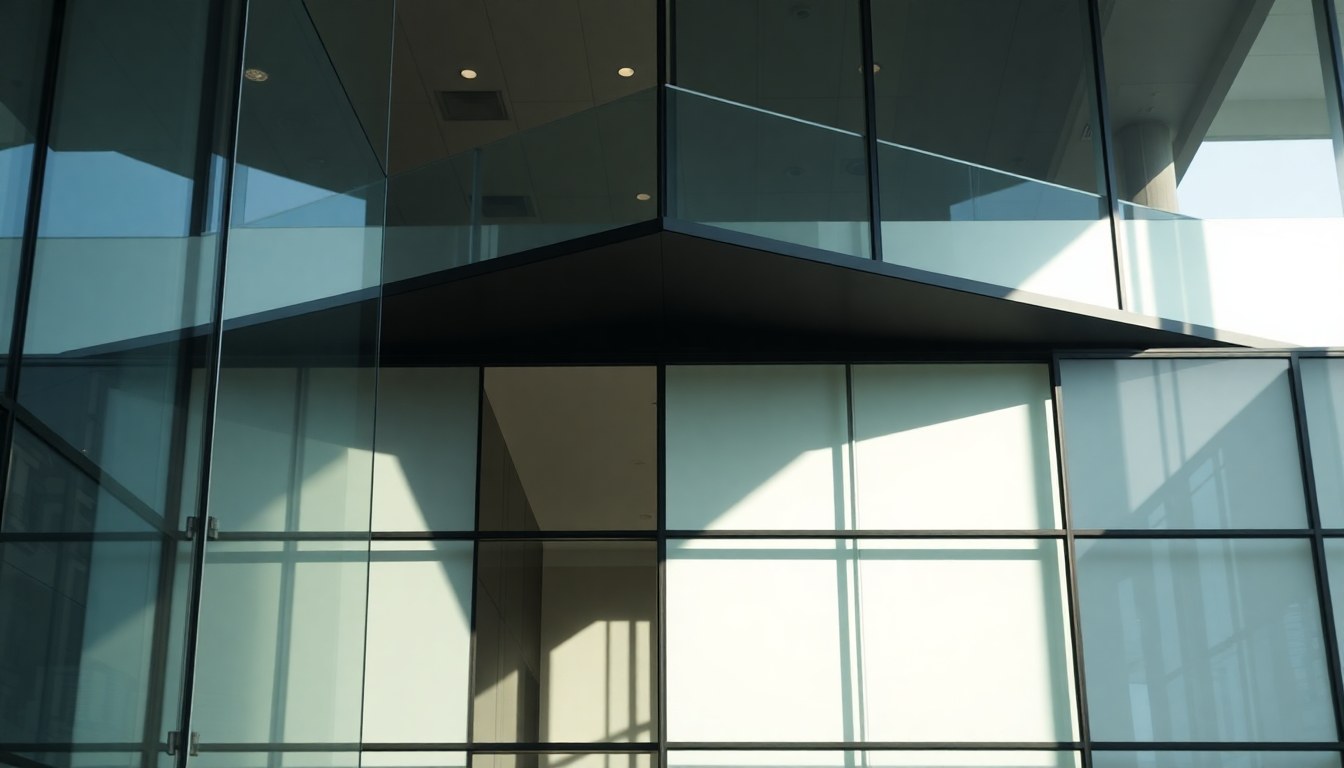
Modern commercial buildings rely on glass façades to create striking visual appeal and maximize natural light, but these expansive curtain wall systems demand consistent, professional maintenance to preserve their appearance and structural integrity. Neglecting glass façade care leads to algae growth, mineral deposits, reduced transparency, and potential safety hazards that can damage your building's reputation and tenant satisfaction. This comprehensive guide walks you through proven cleaning methods, preventive maintenance schedules, and seasonal care strategies that keep your office tower's glass skin pristine year-round.
Understanding Glass Façade Systems in Commercial Buildings
Commercial glass façades typically consist of large curtain wall systems—aluminum or steel frames holding insulated glass units (IGUs)—that cover the building's exterior. These systems serve dual purposes: they provide weather protection and thermal insulation while creating the modern aesthetic that attracts premium tenants. Understanding your specific façade type is crucial before planning maintenance, as different glass coatings, sealants, and frame materials require tailored care approaches.
Most office towers use one of three façade types: stick systems (individual glass panes and frames assembled on-site), unitized systems (pre-assembled panels installed floor-by-floor), or structural glazing (glass bonded directly to the building structure). Each type has different cleaning access requirements and maintenance vulnerabilities. Consulting with experienced architects like Insignis Theorem during design phases ensures your façade incorporates maintenance-friendly features from the start.
Professional Glass Façade Cleaning Methods
Effective glass façade cleaning requires specialized equipment, trained personnel, and careful chemical selection to avoid damaging coatings or sealants. The most common professional methods include water-fed pole systems, rope access (rappelling), and suspended platform techniques. Water-fed poles use purified water and soft-bristle brushes for low-rise sections, while rope access teams handle mid-height areas with precision and safety certifications. High-rise buildings typically employ suspended platforms that allow systematic coverage of entire façades.
Water-Fed Pole Systems
Water-fed poles extend 20-60 feet and deliver purified water through brush heads, eliminating streaking without chemical residue. This method works best on ground-level and lower-facade sections where access is straightforward. Purified water—treated through reverse osmosis to remove minerals—prevents the mineral deposits that plague traditional tap-water cleaning. Most commercial facilities in Indian cities employ this method for regular maintenance between professional deep cleans.
Rope Access and Suspended Platforms
For mid-rise and high-rise buildings, trained rope access technicians rappel down the façade using safety harnesses, ropes, and anchoring systems certified to international standards. This method allows detailed inspection of sealants and joints while cleaning occurs. Suspended platforms—large cradles lowered from the roof—cover expansive areas systematically and safely. Both methods require IRATA (Industrial Rope Access Trade Association) certification or equivalent credentials in India, ensuring worker safety and quality results.
Preventing Algae and Biological Growth on Glass Façades
Algae, moss, and lichen growth thrive on glass façades in humid climates, particularly in areas with poor drainage or shaded sections that stay damp. These biological growths are more than cosmetic issues—they trap moisture against the glass and sealants, accelerating deterioration and reducing transparency. Prevention is far more cost-effective than remediation, requiring a multi-layered approach combining design, maintenance scheduling, and protective treatments.
Design and Drainage Solutions
Buildings designed with proper drainage channels, sloped surfaces, and ventilation gaps between glass panels discourage moisture accumulation where algae thrives. If your building lacks adequate drainage, consult with experienced firms like Tatva Design Studio about retrofitting solutions. Installing drain holes in horizontal mullions (frame members) and ensuring sealant joints are properly sealed prevents water pooling that nurtures biological growth.
Protective Coatings and Regular Cleaning
Anti-algae glass coatings—typically photocatalytic titanium dioxide finishes—actively inhibit biological growth by breaking down organic compounds when exposed to sunlight. These coatings last 3-5 years before requiring reapplication. Combined with quarterly cleaning schedules in humid regions, protective coatings reduce algae recurrence by 70-80%. Regular cleaning removes early-stage growth before it establishes, making this the single most effective prevention strategy.
Seasonal Maintenance Schedule for Office Towers
Different seasons present distinct challenges for glass façades. Developing a seasonal maintenance calendar ensures you address climate-specific issues before they cause damage. Most Indian commercial buildings benefit from a quarterly cleaning schedule, with additional attention during monsoon and post-monsoon periods when moisture and dust accumulation peak.
Monsoon Season (June–September)
Heavy rainfall and humidity during monsoon months accelerate algae growth and expose drainage system weaknesses. Schedule pre-monsoon inspection and cleaning in May to remove accumulated dust and minor growth. During monsoon, focus on monitoring drainage channels and joint sealants for water infiltration. Post-monsoon cleaning in October removes algae and mineral deposits left by heavy rains, preventing long-term damage.
Winter and Summer Maintenance
Winter months (November–February) bring dust storms in many Indian regions, requiring monthly cleaning to maintain transparency. Summer heat (March–May) can stress sealants and expand frames, so inspect joints for gaps or cracks before summer begins. Summer cleaning removes dust and pollen accumulated during dry months, improving both appearance and building efficiency as air conditioning loads increase with dirty glass.
Cost-Effective Maintenance Strategies
Professional glass façade maintenance represents a significant operational expense, but strategic planning reduces costs while extending façade lifespan. Most commercial buildings allocate ₹50–150 per square meter annually for cleaning and maintenance, depending on climate, façade type, and building height. Preventive maintenance costs far less than emergency repairs caused by neglected sealants or structural damage.
- In-house vs. Outsourced Cleaning: Buildings under 10 stories may justify in-house teams with basic equipment, while taller structures require specialized contractors with insurance and safety certifications.
- Bulk Purchasing: Negotiate annual contracts with cleaning companies for better rates than per-job pricing, ensuring consistent scheduling and quality.
- Technology Integration: Building management systems can track cleaning schedules, weather conditions, and maintenance history, optimizing cleaning frequency.
- Preventive Sealant Maintenance: Inspecting and resealing joints every 5-7 years costs ₹15,000–30,000 per 100 square meters but prevents water infiltration repairs exceeding ₹100,000.
Safety and Regulatory Compliance
Glass façade cleaning involves significant safety risks, particularly on high-rise buildings. In India, building maintenance work must comply with the Building and Other Construction Workers (Regulation of Employment and Conditions of Service) Act, 1996, and local municipal regulations. All workers should wear harnesses, helmets, and safety gear; contractors must carry comprehensive liability insurance covering accidents and property damage.
Before engaging any cleaning contractor, verify their certifications, insurance coverage, and safety record. Request references from similar-sized buildings in your city and confirm they maintain updated safety documentation. Professional firms like VKK Construction understand local regulatory requirements and maintain compliance across their projects.
Common Mistakes to Avoid in Glass Façade Maintenance
Many facility managers inadvertently damage façades through improper cleaning practices. Using abrasive materials, high-pressure water jets, or harsh chemicals strips protective coatings and damages sealants. Never use squeegees with metal frames or steel wool on glass surfaces—these create micro-scratches that trap dirt and reduce transparency. Avoid cleaning during extreme temperatures, as thermal stress can crack glass or cause sealant failure. Always test cleaning solutions on inconspicuous areas first, and follow the glass manufacturer's care recommendations.
Frequently Asked Questions
How often should commercial building glass façades be cleaned?
Most commercial buildings require cleaning every 3-6 months, depending on climate and location. Buildings in dusty areas or near highways need more frequent cleaning, while sheltered locations may extend intervals to 6-9 months. Monsoon regions benefit from quarterly cleaning to address algae growth and moisture accumulation. Establish a baseline schedule and adjust based on visual inspection results.
What is the average cost of professional glass façade cleaning in India?
Professional cleaning costs typically range from ₹50–150 per square meter, depending on building height, façade complexity, and access requirements. A 10,000 square meter office tower façade might cost ₹5,00,000–15,00,000 per cleaning cycle. High-rise buildings requiring rope access or suspended platforms cost more than low-rise structures. Request quotes from multiple contractors and compare service scope, insurance coverage, and warranty terms.
Can algae growth on glass façades cause structural damage?
Yes, algae and biological growth trap moisture against glass and sealants, accelerating deterioration. Prolonged moisture exposure can compromise sealant integrity, allowing water infiltration into the building envelope. This leads to insulation degradation, mold growth inside walls, and potential structural damage. Regular cleaning combined with protective coatings prevents this expensive damage before it starts.
What protective coatings help prevent algae and reduce cleaning frequency?
Photocatalytic coatings containing titanium dioxide actively inhibit algae growth when exposed to sunlight, reducing cleaning frequency by 30-50%. Hydrophobic coatings cause water to bead and run off quickly, preventing moisture accumulation. These coatings typically last 3-5 years before requiring reapplication. While coating costs ₹20–50 per square meter, they reduce long-term cleaning expenses and extend façade lifespan.
How do I choose between rope access and suspended platform cleaning methods?
Rope access suits buildings with complex geometries, architectural features, or limited roof access, offering flexibility and detailed inspection capabilities. Suspended platforms work best for simple, rectangular façades requiring systematic coverage. High-rise buildings over 20 stories typically use platforms for safety and efficiency. Consult with your cleaning contractor about your building's specific characteristics to determine the most cost-effective and safe approach.
Maintaining pristine glass façades requires professional expertise, strategic planning, and consistent attention. Whether you're designing a new commercial tower or managing an existing structure, partnering with qualified professionals ensures your building's glass skin remains beautiful, transparent, and structurally sound for decades. Browse the glassy.in directory to connect with experienced glass contractors, architects, and maintenance specialists who understand India's climate challenges and commercial building requirements. Your building's first impression depends on it.