
Glass Guides
Tinted Glass vs Clear Glass for Windows: Which is Better for Indian Climate?
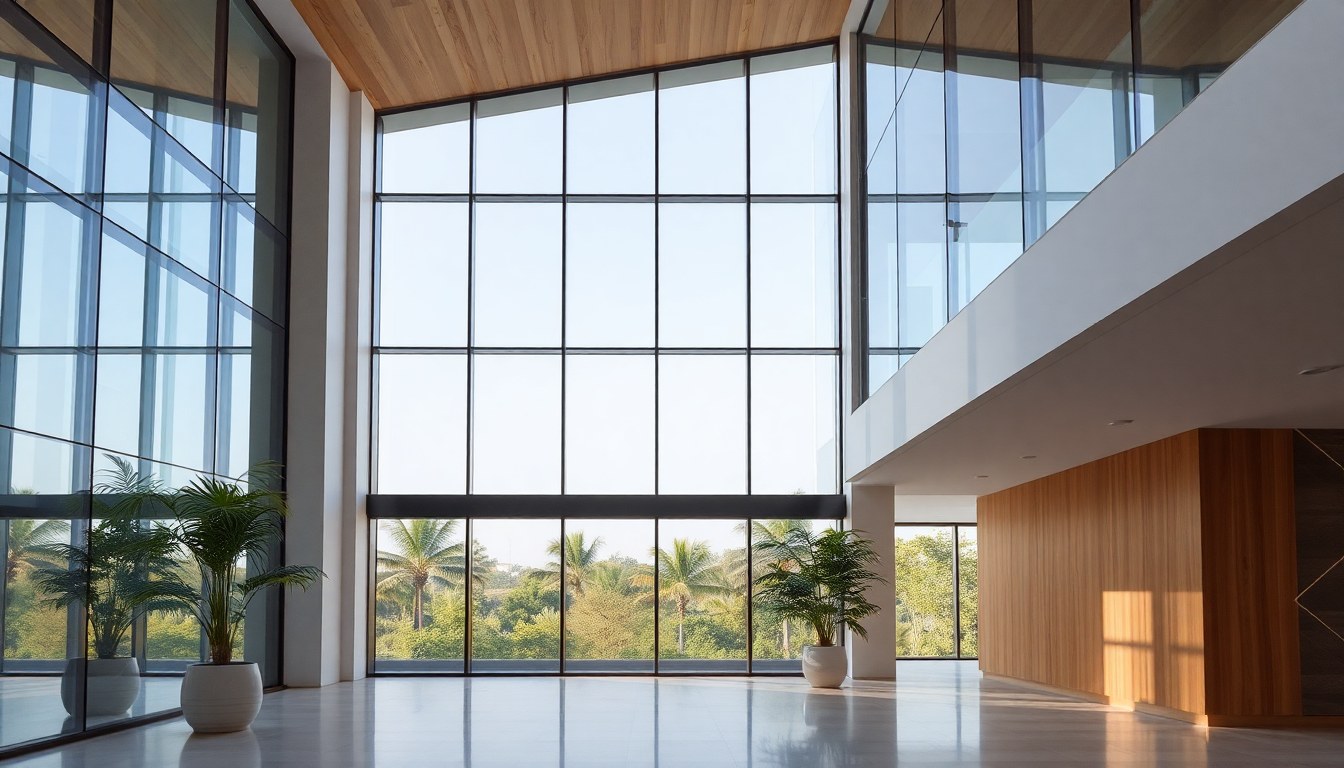
Selecting the right glass for your windows can dramatically impact your comfort and electricity bills in India's varied climate zones. While clear glass remains the traditional choice, tinted glass has gained popularity for its ability to reduce heat and glare—critical factors when temperatures soar above 40°C in many Indian cities. This comprehensive guide examines both options to help you make an informed decision based on your specific needs, budget, and location.
Understanding Tinted Glass and Clear Glass
Clear glass is standard float glass that allows maximum visible light transmission, typically around 90%, without any color additives or coatings. It provides unobstructed views and natural daylight but offers minimal protection against heat and UV radiation. Most residential and commercial buildings in India have traditionally used clear glass due to its lower cost and wide availability.
Tinted glass, on the other hand, is manufactured by adding color pigments during the glass-making process or through applied films. Common tints include bronze, grey, green, and blue. These tints absorb a portion of solar radiation, reducing heat gain and glare while maintaining transparency. The tinting process doesn't compromise the structural integrity of the glass but changes its optical and thermal properties significantly.
The key difference lies in solar heat gain coefficient (SHGC)—tinted glass typically has an SHGC of 0.4-0.6, while clear glass ranges from 0.7-0.85. Lower SHGC values mean less heat enters your space, making tinted glass particularly valuable in India's hot climate zones.
Heat Reduction and Energy Efficiency in Indian Climate
India experiences extreme temperature variations, from scorching summers in Rajasthan and central India to humid coastal heat in Mumbai and Chennai. Clear glass allows approximately 80-85% of solar heat to pass through, turning windows into heat magnets during peak summer months. This forces air conditioning systems to work harder, significantly increasing electricity consumption.
Tinted glass can reduce solar heat gain by 25-55% depending on the tint darkness and quality. In practical terms, a well-tinted window can lower indoor temperatures by 3-7°C compared to clear glass in direct sunlight. For a typical 1,500 square foot apartment in Delhi or Ahmedabad, this translates to potential energy savings of 20-30% on cooling costs during summer months.
Regional Considerations Across India
Different Indian regions benefit differently from tinted glass:
- North India (Delhi, Chandigarh, Jaipur): Extreme summer heat makes tinted glass highly beneficial, with payback periods of 3-5 years through energy savings
- South India (Bangalore, Hyderabad, Chennai): Moderate year-round temperatures still benefit from tinting, especially on west and south-facing windows
- Coastal regions (Mumbai, Goa, Kochi): High humidity combined with heat makes tinted glass valuable for comfort, though energy savings may be slightly lower
- Hill stations (Shimla, Ooty, Darjeeling): Clear glass is often preferable to maximize solar heat gain during cold months
Privacy, Glare Control, and Aesthetics
Privacy concerns vary significantly between ground-floor apartments, independent houses, and high-rise buildings. Clear glass offers zero privacy during daytime unless combined with curtains or blinds, which then block the very natural light you want. Tinted glass provides moderate privacy by making it harder to see inside from outside, especially darker tints, though it's not a complete privacy solution at night when interior lights are on.
Glare control is where tinted glass truly excels. Anyone who has worked on a computer near a clear glass window during afternoon hours knows the frustration of screen glare. Tinted glass reduces glare by 30-60%, making spaces more comfortable for working, watching television, or simply relaxing without constantly adjusting blinds.
Aesthetically, tinted glass offers a sleek, modern appearance that many contemporary buildings favor. The uniform tinted look can enhance curb appeal and create a cohesive exterior design. However, clear glass provides unobstructed views of gardens, cityscapes, or natural surroundings—something many homeowners value highly, particularly in scenic locations.
Cost Comparison and Long-Term Value
Initial costs differ considerably between the two options. Clear glass typically costs ₹80-150 per square foot for standard 5-6mm thickness, depending on quality and supplier. Tinted glass ranges from ₹150-350 per square foot for factory-tinted options, while retrofit tinting films cost ₹100-200 per square foot plus installation charges.
For a medium-sized home with approximately 200 square feet of window area, you're looking at an additional investment of ₹14,000-40,000 for tinted glass over clear glass. This might seem substantial, but the long-term value proposition changes when you factor in energy savings.
Return on Investment Analysis
Consider a typical scenario: a 2BHK apartment in Pune with 150 square feet of west-facing windows. With clear glass, summer cooling costs might reach ₹4,000-5,000 monthly. Tinted glass could reduce this by ₹1,000-1,500 monthly during the four hottest months, yielding annual savings of ₹4,000-6,000. The additional investment in tinted glass would pay for itself in approximately 3-6 years, after which it continues delivering savings.
Beyond direct energy savings, tinted glass reduces UV radiation by 95-99%, protecting furniture, flooring, and fabrics from fading. This preservation of interiors adds indirect value that's harder to quantify but nonetheless real for homeowners investing in quality furnishings.
UV Protection and Health Considerations
Ultraviolet radiation poses genuine health risks, contributing to skin aging and increasing skin cancer risk even indoors. Clear glass blocks UVB rays but allows 50-70% of UVA rays to pass through. If you spend significant time near windows—working from home, for instance—this exposure accumulates over months and years.
Tinted glass blocks 95-99% of both UVA and UVB radiation, providing protection comparable to SPF 50+ sunscreen for your indoor spaces. This benefit is particularly valuable for families with young children, elderly members, or anyone with sun-sensitive skin conditions. Medical professionals increasingly recognize indoor UV exposure as a concern, making this protective feature more than just a marketing claim.
The health benefits extend to eye comfort as well. Reduced glare means less eye strain, fewer headaches, and improved productivity for those working or studying at home. While difficult to measure in rupees, these quality-of-life improvements matter significantly for daily comfort.
Maintenance, Durability, and Practical Considerations
Both clear and tinted glass require similar maintenance—regular cleaning with appropriate glass cleaners and soft cloths. However, tinted glass can show water spots and dust more prominently depending on the tint color, potentially requiring slightly more frequent cleaning to maintain appearance.
Durability-wise, factory-tinted glass (where color is added during manufacturing) lasts as long as the glass itself—typically 20-30 years without degradation. Applied tinting films have shorter lifespans of 7-15 years, after which they may bubble, peel, or discolor and require replacement. This difference affects long-term value calculations.
Installation and Retrofit Options
New construction offers the easiest opportunity to choose tinted glass, with no additional installation complexity compared to clear glass. For existing buildings, you have two options: complete window replacement with tinted glass units, or applying tinting films to existing clear glass. Films offer a cost-effective retrofit solution, though they don't perform quite as well as factory-tinted glass and have shorter lifespans.
Building regulations in some Indian cities have specific requirements for glass in high-rise buildings or certain zones. Always verify local building codes before making final decisions, as some areas mandate minimum visible light transmission levels that very dark tints might not meet.
Making the Right Choice for Your Situation
The decision between tinted and clear glass isn't one-size-fits-all. Choose clear glass if you prioritize maximum natural light, have minimal heat gain issues (north-facing windows, shaded locations, or cool climates), work with a tight budget, or value completely unobstructed views. Clear glass makes particular sense for hill stations, heavily shaded windows, or spaces where you want maximum brightness.
Opt for tinted glass when dealing with significant heat gain from south or west-facing windows, high cooling costs that justify the investment, privacy concerns without wanting permanent curtains, or UV protection for valuable interiors. The investment makes most sense in hot climate zones, for large window areas, and when planning long-term occupancy that allows you to realize energy savings over several years.
A hybrid approach often works best—using tinted glass for high-heat-gain windows (west and south-facing) while keeping clear glass for north-facing or shaded windows where heat isn't problematic. This optimizes both cost and performance, giving you benefits where they matter most while controlling overall expenses.
Frequently Asked Questions
Does tinted glass make rooms darker?
Tinted glass does reduce visible light transmission, but quality tints maintain 40-70% light transmission, which is sufficient for well-lit rooms. The reduction is noticeable but not dramatic—most people adapt quickly. You can choose lighter tints if maintaining brightness is a priority, though this somewhat reduces heat-blocking benefits. The trade-off between light and heat rejection depends on tint darkness and quality.
Can I apply tinting film to existing windows instead of replacing glass?
Yes, window tinting films are a popular and cost-effective retrofit option, costing ₹100-200 per square foot installed. Professional installation is recommended for best results and longevity. Quality films can last 7-15 years and provide 70-80% of the benefits of factory-tinted glass. However, films may bubble or peel over time and don't perform quite as well as glass tinted during manufacturing.
How much can I actually save on electricity bills with tinted glass?
Savings vary based on window area, orientation, climate zone, and AC usage patterns, but typically range from 15-30% reduction in cooling costs during summer months. For an average Indian household spending ₹3,000-5,000 monthly on AC during peak summer, this translates to ₹450-1,500 monthly savings, or ₹2,000-6,000 annually. Larger window areas and hotter climates yield higher savings, making payback periods shorter in cities like Ahmedabad, Delhi, or Nagpur.
Will tinted glass affect my view of the outdoors?
Tinted glass does add a color cast to your view—bronze tints create warm tones, grey tints are neutral, and green or blue tints add cool tones. The effect is similar to wearing sunglasses. Most people adapt within days and stop noticing the tint. Lighter tints minimize this effect while still providing heat reduction benefits, offering a good compromise if maintaining true color perception matters to you.
Is tinted glass worth it for apartments where I might not stay long-term?
For rental properties or short-term stays (under 3-5 years), tinted glass may not provide sufficient payback through energy savings alone. However, window tinting films offer a removable option that improves comfort during your stay. For owned properties, tinted glass adds value during resale, as energy-efficient features increasingly appeal to buyers. The immediate comfort benefits—reduced heat and glare—provide value regardless of payback calculations, especially in extremely hot climates.
Ready to source quality glass for your windows? Whether you choose tinted or clear glass, finding reliable suppliers is crucial for getting the best products at competitive prices. Explore glassy.in, India's most comprehensive glass business directory, to connect with verified manufacturers, dealers, and installers in your city. Compare options, read reviews, and make informed decisions for your glass needs.