
Glass Guides
Tinted Glass for Storefronts: Color Selection & Light Transmission Guide
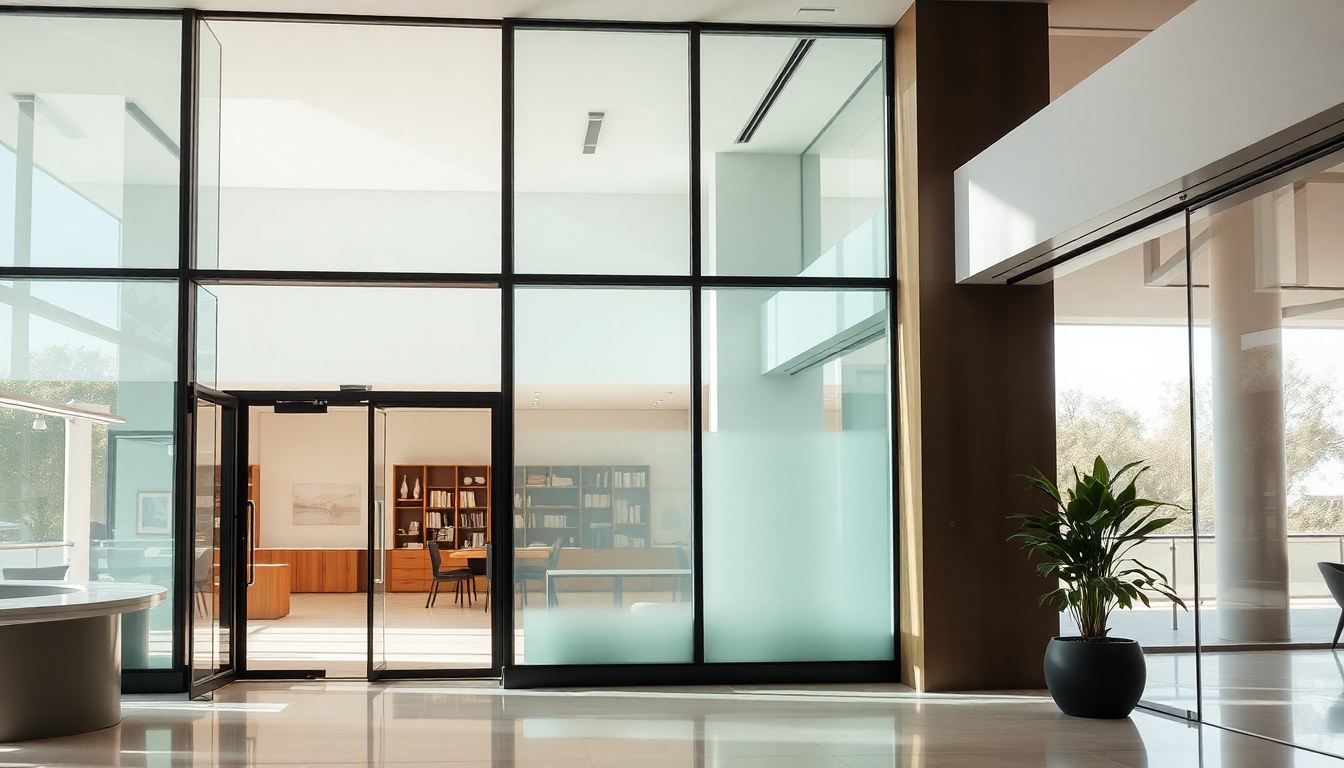
Choosing the right tinted glass for your storefront is far more than an aesthetic decision—it directly impacts your brand visibility, customer comfort, and energy efficiency. Retail designers and architects must balance the desire for eye-catching displays with practical concerns like UV protection, glare reduction, and interior climate control. This guide walks you through the tint densities, color options, and light transmission percentages that make the difference between a storefront that attracts customers and one that protects your inventory and staff.
Understanding Light Transmission and Visible Light Transmittance (VLT)
Light transmission is measured as Visible Light Transmittance (VLT), expressed as a percentage. A VLT of 100% means all visible light passes through the glass, while lower percentages indicate darker tints that block more light. For storefronts, VLT typically ranges from 40% to 70%, depending on your industry, location, and branding goals.
The relationship between tint density and light transmission is straightforward: darker tints have lower VLT percentages and block more light, while lighter tints allow more light to pass through. Understanding this relationship helps you make informed decisions about which tint color and density will work best for your retail space. Most commercial storefronts use VLT between 50% and 65% to maintain visibility while offering meaningful UV and heat protection.
Why VLT Matters for Retail
- Customer visibility: Higher VLT allows customers to see displays and products from the street, driving foot traffic.
- Energy savings: Lower VLT reduces solar heat gain, lowering air-conditioning costs during hot months.
- Product protection: Tinted glass blocks UV rays that fade merchandise, textiles, and artwork over time.
- Staff comfort: Reduced glare and heat improve working conditions for employees.
Popular Tint Colors for Storefronts: Bronze, Grey, and Green
The three most common tint colors for retail storefronts are bronze, grey, and green. Each offers distinct visual characteristics and different levels of light transmission, making them suitable for different retail environments and branding strategies.
Bronze Tint Glass
Bronze-tinted glass is the most popular choice for storefronts across India and globally. It provides a warm, sophisticated appearance that enhances luxury brands, jewelry stores, and high-end retail spaces. Bronze tint typically offers VLT between 50% and 60%, filtering out significant UV radiation while maintaining good visibility of interior displays.
The warm tone of bronze glass is flattering to most products and creates an inviting entrance. It also reduces glare effectively, making it ideal for street-facing storefronts in busy commercial areas. Brands like jewelry retailers, fashion boutiques, and cosmetics stores frequently choose bronze for its ability to showcase products while maintaining a premium aesthetic.
Grey Tint Glass
Grey-tinted glass offers a neutral, contemporary look that works well for modern retail concepts, tech stores, and minimalist brands. Grey tint typically provides VLT between 45% and 65%, depending on the density chosen. The neutral tone doesn't alter the appearance of products, making it ideal for electronics, books, and neutral-colored merchandise.
Grey glass is particularly effective in high-glare environments, such as storefronts facing south or west. It provides superior glare reduction compared to bronze while maintaining a sleek, professional appearance. Many corporate retail chains and flagship stores opt for grey tint because it photographs well and maintains brand consistency across multiple locations.
Green Tint Glass
Green-tinted glass is less common than bronze or grey but offers unique advantages for specific retail contexts. It provides a cool, natural appearance and typically offers VLT between 50% and 65%. Green tint is popular for eco-conscious brands, organic food stores, and wellness retailers because it subtly communicates environmental values.
Green glass also has excellent UV-blocking properties and creates a calming visual effect. However, it can alter the perceived color of products slightly, so it's best suited for retailers whose merchandise isn't color-sensitive. Some fashion and lifestyle brands use green tint to create a distinctive brand identity that stands out from competitors.
Balancing Branding Visibility with UV Protection
The fundamental challenge in storefront tint selection is balancing two competing needs: making your brand and products visible to potential customers while protecting your inventory and interior from UV damage and heat. This balance is achieved through careful selection of both tint color and density.
UV protection is measured separately from visible light transmission. Most tinted glass for commercial use blocks 99% of UV-A and UV-B radiation, regardless of the visible light transmittance percentage. This means even lighter tints (higher VLT) provide substantial UV protection. However, darker tints also reduce solar heat gain more effectively, which is crucial in India's hot climate.
Choosing Density Based on Location and Climate
- North-facing storefronts: Use lighter tints (VLT 60-70%) since these locations receive less direct sunlight and heat.
- South and west-facing storefronts: Choose medium to dark tints (VLT 45-55%) to manage intense afternoon sun and heat.
- Tropical and subtropical climates: Opt for darker densities to reduce cooling costs and protect temperature-sensitive merchandise.
- Urban areas with high foot traffic: Balance darkness with visibility—aim for VLT 50-60% so customers can see your products from the street.
Light Transmission Guidelines for Different Retail Categories
Different types of retail businesses benefit from different light transmission levels. Understanding your industry's specific needs helps you select the optimal tint density.
Luxury and High-End Retail
Jewelry stores, designer fashion boutiques, and luxury goods retailers typically use VLT between 50% and 60% with bronze or grey tint. This range allows customers to see premium products clearly while creating an exclusive, sophisticated atmosphere. The warm or neutral tone enhances the perceived value of merchandise without appearing too dark or uninviting.
Electronics and Tech Stores
Electronics retailers benefit from medium grey tint with VLT between 55% and 65%. This allows customers to see displays clearly while reducing glare on screens and shiny surfaces. Tech stores often prioritize visibility because customers want to see the latest products before entering.
Fashion and Apparel
Clothing and apparel stores use VLT between 50% and 65%, with bronze or grey depending on brand identity. Fashion retailers need sufficient visibility to showcase seasonal collections and window displays, but also want UV protection to prevent fabric fading. Many use bronze to create a warm, inviting atmosphere that encourages browsing.
Food and Beverage Retail
Cafés, bakeries, and food retail spaces often use lighter tints (VLT 60-70%) to showcase fresh products and create an open, welcoming feel. However, these businesses still benefit from UV protection to preserve product quality and maintain comfortable interior temperatures.
Working with Architects and Designers for Optimal Tint Selection
Selecting the right storefront tint is a collaborative process that involves architects, interior designers, and retail specialists. Professionals like those at Vastulinear Pvt Ltd can assess your location, analyze sun exposure patterns, and recommend tint colors that align with your brand identity and functional requirements.
When consulting with design professionals, provide information about your merchandise, target customer demographic, storefront orientation, and brand aesthetic. Experienced architects will conduct site visits to evaluate existing light conditions and recommend specific VLT percentages. Many designers also recommend samples or mock-ups so you can see how different tints appear with your actual products and signage.
If you're working on a larger retail project or flagship store, firms like Studio ARCPLUS CONSTRUCTION bring expertise in integrating tinted glass with overall architectural vision. They can ensure your storefront tint complements your interior design, lighting, and branding strategy.
Installation and Maintenance Considerations
Once you've selected your tinted glass, proper installation and maintenance ensure long-term performance. Tinted glass should be installed with appropriate framing systems that account for thermal expansion and contraction, especially in India's variable climate.
Maintenance is straightforward: clean tinted glass with standard glass cleaner and soft cloths. The tint itself doesn't require special care and won't fade or degrade over time when properly installed. However, ensure that window frames and seals are maintained to prevent moisture infiltration, which can compromise the glass and framing system.
Most quality tinted glass for commercial storefronts comes with a warranty of 10-15 years, though the glass itself lasts much longer. Always verify warranty terms with your glass supplier and installer before making a purchase.
Frequently Asked Questions
What VLT percentage is best for a storefront?
Most storefronts use VLT between 50% and 65%. This range provides a good balance between visibility of products and effective UV/heat protection. Your specific choice depends on your location's sun exposure, the type of merchandise you sell, and your brand aesthetic. North-facing storefronts can use higher VLT (60-70%), while south or west-facing locations benefit from lower VLT (45-55%).
Does tinted glass affect how customers see my products?
Yes, but minimally if you choose the right tint and density. Bronze and grey tints are designed to be optically neutral and don't significantly distort color perception. However, very dark tints (VLT below 40%) may make it harder for customers to see products clearly from the street. Testing samples with your actual merchandise is recommended before committing to a specific tint.
Is all tinted glass equally effective at blocking UV rays?
Most commercial tinted glass blocks 99% of UV radiation regardless of the visible light transmittance percentage. However, solar heat gain (infrared radiation) does correlate with VLT—darker tints block more total solar energy. If your primary concern is UV protection for merchandise, even lighter tints (VLT 60-70%) provide adequate protection. For heat reduction in hot climates, choose darker densities.
Can I change my storefront tint color later?
Yes, but it's more cost-effective to get it right initially. Removing and replacing storefront glass is expensive and disruptive to your retail operations. That's why consulting with experienced designers before installation is crucial. Take time to evaluate options, view samples, and consider your long-term branding strategy.
Which tint color is most professional for a corporate retail space?
Grey tint is generally considered the most professional and contemporary choice for corporate retail spaces. It offers a neutral, modern aesthetic that works across industries and doesn't distort product colors. Bronze is also professional and widely used, particularly for luxury brands. Green is less conventional and better suited to brands with specific environmental or wellness positioning.
Conclusion and Next Steps
Selecting tinted glass for your storefront requires balancing visibility, UV protection, heat management, and brand aesthetics. Bronze, grey, and green tints each offer distinct advantages, with light transmission percentages typically ranging from 45% to 70% for retail applications. Your choice should reflect your location's sun exposure, merchandise type, and brand identity.
Ready to upgrade your storefront with the right tinted glass? Browse qualified glass suppliers, architects, and retail designers on glassy.in, India's largest glass-business directory. Find local professionals who can assess your specific needs and recommend the perfect tint solution for your retail space.