
Glass Guides
Tinted Glass for Skylights: Reducing Heat While Maintaining Natural Light
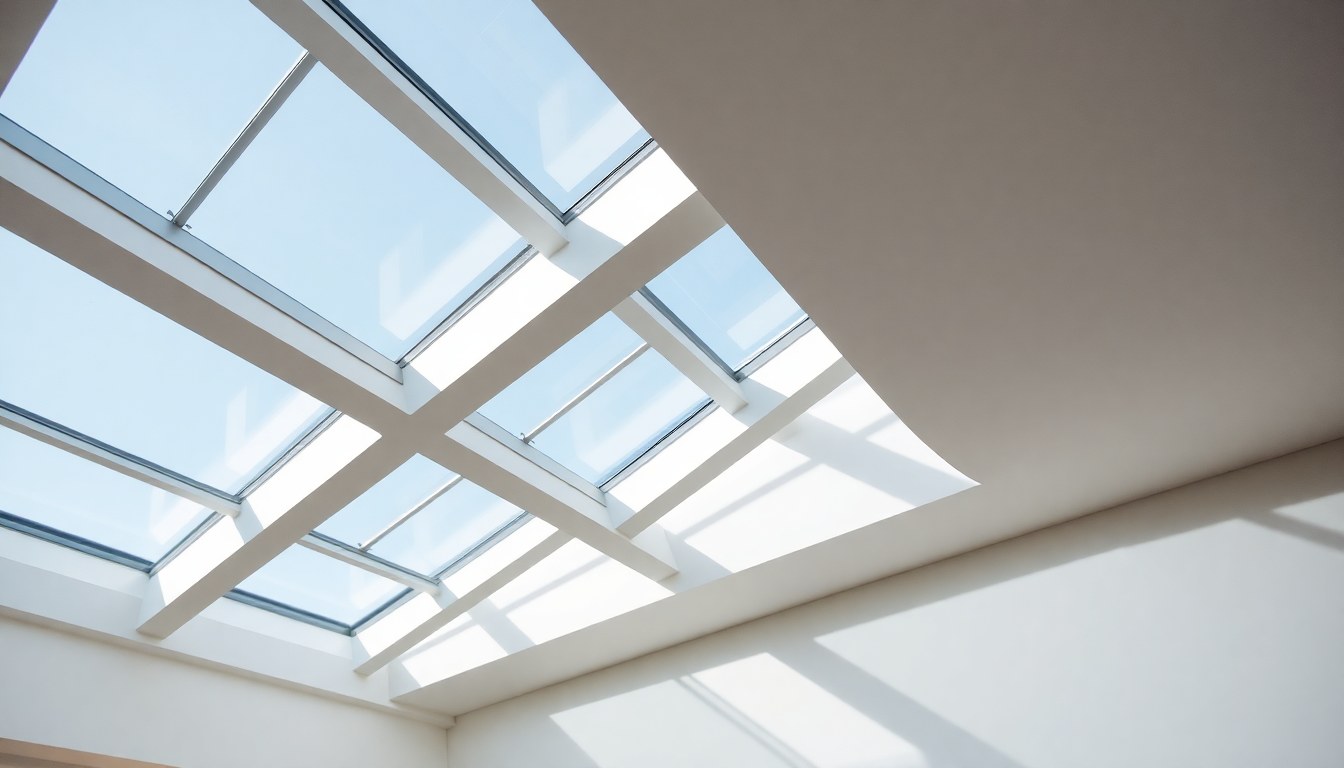
Skylights flood indoor spaces with natural light, but they can also introduce unwanted solar heat gain that drives up air conditioning costs. Tinted glass skylights solve this problem by filtering infrared radiation while preserving the brightness and visual connection to the sky that homeowners and businesses value. Whether you're designing a new build or retrofitting an existing structure, understanding the performance characteristics of bronze, gray, and green tints helps you choose the right overhead glazing for your climate, orientation, and aesthetic preferences.
How Tinted Glass Reduces Heat in Skylights
Tinted glass works by absorbing and reflecting portions of the solar spectrum, particularly infrared wavelengths responsible for heat. Unlike clear glass, which transmits approximately 88% of incident solar radiation, tinted skylights reduce this transmission to between 40% and 70%, depending on the tint type and thickness. This reduction in solar heat gain (SHGC – Solar Heat Gain Coefficient) directly lowers the cooling load on your HVAC system during warm months.
The science behind tinting involves metal oxides and rare earth elements mixed into the glass during manufacturing. These compounds selectively absorb certain wavelengths while allowing visible light to pass through. The result is a balanced performance: you get natural daylight without excessive heat buildup. In India's hot climate zones—particularly in cities across the South and West—this thermal control is especially valuable for reducing peak afternoon temperatures in skylighted spaces.
Solar Heat Gain Coefficient (SHGC) and Visible Light Transmission (VLT)
Two key metrics define skylight performance: SHGC measures the fraction of incident solar radiation admitted into the building (lower is better for cooling), while VLT measures the percentage of visible light that passes through (higher means brighter interiors). Quality tinted skylights achieve a favorable balance—typically SHGC between 0.25 and 0.45 with VLT above 50%—so you reduce heat without creating a dim or cave-like atmosphere.
For example, a bronze-tinted skylight might achieve SHGC of 0.35 and VLT of 65%, meaning it blocks roughly 65% of solar heat while admitting two-thirds of daylight. This balance is crucial in overhead glazing, where direct sun exposure is most intense.
Bronze Tint: Warmth and Aesthetic Appeal
Bronze is one of the most popular tint colors for skylights in residential and hospitality settings. It imparts a warm, amber tone to transmitted light, creating a cozy atmosphere while effectively reducing heat. Bronze-tinted glass typically achieves SHGC values between 0.30 and 0.40, making it a solid performer in warm climates.
The aesthetic advantage of bronze is significant. Unlike gray tints that can feel clinical or cool, bronze light flatters interior finishes, wood tones, and artwork. Designers and architects often specify bronze for living spaces, restaurants, and boutique hotels where ambiance matters as much as thermal performance. In residential kitchens and dining areas across Indian cities like Bangalore, Mumbai, and Delhi, bronze skylights create an inviting quality of light throughout the day.
Performance in Different Orientations
Bronze tints perform exceptionally well on south and west-facing skylights, where afternoon solar gain is most intense. The warm color cast actually complements the golden light of late afternoon, rather than fighting it. However, on north-facing skylights in the Northern Hemisphere (or south-facing in the Southern Hemisphere), bronze may feel too warm and reduce available daylight unnecessarily. Consider your skylight's orientation and local sun path when specifying bronze.
Gray Tint: Neutral Performance and Modern Aesthetics
Gray-tinted skylights offer a more neutral light quality and are favored in commercial, office, and contemporary residential applications. Gray tints typically achieve SHGC between 0.35 and 0.50 and VLT between 50% and 65%. The neutral tone preserves the true color of natural light, making gray ideal for spaces where color accuracy is important—art studios, retail environments, and offices with video conferencing requirements.
From a thermal standpoint, gray tints are slightly less aggressive at blocking heat than bronze, but they excel at maintaining consistent daylighting quality throughout the day. The light transmitted through gray glass doesn't shift in color temperature, which many occupants prefer for their working environment. Commercial buildings and corporate offices in Pune, Hyderabad, and Bangalore increasingly specify gray skylights for this reason.
Glare Control and Visual Comfort
Gray tints are particularly effective at reducing glare, which is a common complaint in skylighted spaces. By uniformly reducing visible light transmission, gray tints create a softer, more diffuse quality of daylight. This is especially valuable in open-plan offices where direct skylight can create harsh shadows and visual discomfort. Pairing gray-tinted skylights with diffusing films or louvers further enhances glare control without sacrificing the benefits of natural light.
Green Tint: Balancing Cool Tones with Thermal Efficiency
Green-tinted skylights are less common than bronze or gray but offer unique advantages in specific applications. Green tints typically achieve SHGC between 0.40 and 0.50 with VLT between 60% and 70%, meaning they transmit more light while still providing meaningful heat reduction. The cool, slightly greenish tone of transmitted light appeals to some designers and works well in spaces with modern or minimalist aesthetics.
Green tints are particularly effective in spaces where occupant well-being is a priority. Research in daylighting psychology suggests that cool-toned, green-tinged natural light can enhance alertness and mood in office and educational environments. Architects designing schools, universities, and wellness centers in Indian metros are increasingly exploring green-tinted skylights as a biophilic design element.
Environmental and Biophilic Design Benefits
Green tints create a subtle connection to nature and outdoor environments, even though the light is filtered. This biophilic quality can improve occupant satisfaction and productivity in long-term occupancy spaces. However, green tints may not suit all interior color schemes—test samples in situ before committing to large skylight installations.
Installation and Specification Considerations
Choosing the right tinted skylight involves more than just selecting a color. Thickness, double-glazing options, and low-emissivity (Low-E) coatings all impact thermal performance. A standard tinted single-pane skylight offers basic heat reduction, but pairing tinted glass with a Low-E coating on the interior pane can reduce SHGC by an additional 15–25%, significantly improving energy efficiency in hot climates.
Work with experienced glazing suppliers and architects to specify skylights appropriate for your building's climate zone, orientation, and occupancy type. In India, suppliers like City Glass Palace and Aluminium Fabrication and Baby Associates can provide both standard and custom tinted skylight solutions. For commercial or complex projects, consulting with architects like those at BIM Modeller Consulting Services ensures optimal design integration.
Maintenance and Durability
Tinted glass skylights are highly durable and require minimal maintenance beyond regular cleaning. The tint is integral to the glass, not a surface coating, so it won't fade, peel, or degrade over time. In India's dusty climate and during monsoon seasons, periodic cleaning with mild soap and soft cloth maintains clarity and light transmission. Ensure your skylight frame and seals are properly maintained to prevent water infiltration, which is the primary cause of skylight failure.
Cost and ROI of Tinted Skylights
Tinted skylights cost approximately 20–40% more than clear skylights, depending on size, glazing type, and installation complexity. In India, a typical residential skylight with bronze or gray tint might range from ₹8,000 to ₹25,000 installed, while larger commercial skylights can exceed ₹50,000. The return on investment comes from reduced cooling costs, typically recovering the premium within 3–7 years in hot climates with high air conditioning usage.
Energy savings vary by location and building orientation. A well-designed tinted skylight system can reduce summer cooling costs by 10–20% in skylighted zones. Over a 20-year building lifespan, this translates to significant savings, especially in commercial buildings with continuous operation. Additionally, tinted skylights may qualify for green building certifications (LEED, IGBC in India) and associated incentives.
Comparing Tint Options: A Quick Reference
To help you decide, here's a summary of the three main tint types:
- Bronze: Warm light quality, SHGC 0.30–0.40, excellent for residential spaces, flatters interior finishes, ideal for south/west-facing skylights
- Gray: Neutral light quality, SHGC 0.35–0.50, preferred for offices and commercial spaces, excellent glare control, maintains color accuracy
- Green: Cool, subtle tone, SHGC 0.40–0.50, biophilic appeal, suitable for wellness and educational environments, less common but growing in popularity
Frequently Asked Questions
Will tinted skylights make my space too dark?
No, if properly specified. Quality tinted skylights maintain visible light transmission (VLT) above 50%, which is sufficient for natural daylighting in most spaces. The reduction in light is noticeable compared to clear glass, but not dramatic. In fact, many occupants prefer the softer, less glaring quality of tinted skylight. If darkness is a concern, increase skylight area slightly or combine tinting with reflective interior surfaces to bounce light deeper into the space.
Can I retrofit existing clear skylights with tinted film?
Yes, tinted films offer a budget-friendly alternative to replacing entire skylights. Adhesive-backed tinting films can be applied to the interior surface of clear skylights, achieving similar heat reduction (SHGC reduction of 20–40%) at a fraction of the cost—typically ₹500–₹2,000 per skylight. However, films may reduce light transmission slightly more than integral tinting and require periodic replacement (every 10–15 years). For permanent, superior performance, integral tinted glass is preferable.
Which tint is best for a south-facing skylight in India?
Bronze or gray tints are both excellent choices for south-facing skylights in India's hot climate. Bronze offers warmer aesthetics and slightly better heat reduction (lower SHGC), while gray provides neutral light and superior glare control. If the skylight is over a workspace or office, gray is recommended; for living areas or hospitality spaces, bronze is ideal. Consider your interior color scheme and occupancy type when deciding.
Do tinted skylights affect winter heating performance?
Tinted skylights do reduce solar heat gain year-round, including winter months. In India's tropical and subtropical regions, this is rarely a concern since passive solar heating is not a design priority. However, in cooler regions like the Himalayas or higher elevations, you might lose some beneficial winter solar gain. If winter heating is important, consider skylights on south-facing slopes only, and specify lower-SHGC tints (bronze) that still allow some heat transmission.
How long do tinted glass skylights last?
Integral tinted glass skylights last 20–30+ years, matching the lifespan of the skylight frame and seals. The tint itself is permanent and won't fade or degrade. The primary failure point is typically the frame, gaskets, or flashing, not the glass. With proper installation and maintenance, a tinted skylight is a long-term investment that performs consistently throughout its life.
Conclusion and Next Steps
Tinted glass skylights deliver a practical solution to the challenge of balancing natural light with thermal control. Whether you choose warm bronze for residential charm, neutral gray for commercial clarity, or cool green for biophilic appeal, tinted skylights reduce cooling costs while maintaining the psychological and aesthetic benefits of daylighting. For your next project, explore options from trusted glazing suppliers and architects in your region. Visit the glassy.in directory to connect with qualified glass dealers, installers, and design consultants who can help you specify and install the perfect tinted skylight solution for your space.