
Glass Guides
Low-E Coated Glass for Summer Heat Rejection in Bangalore Homes
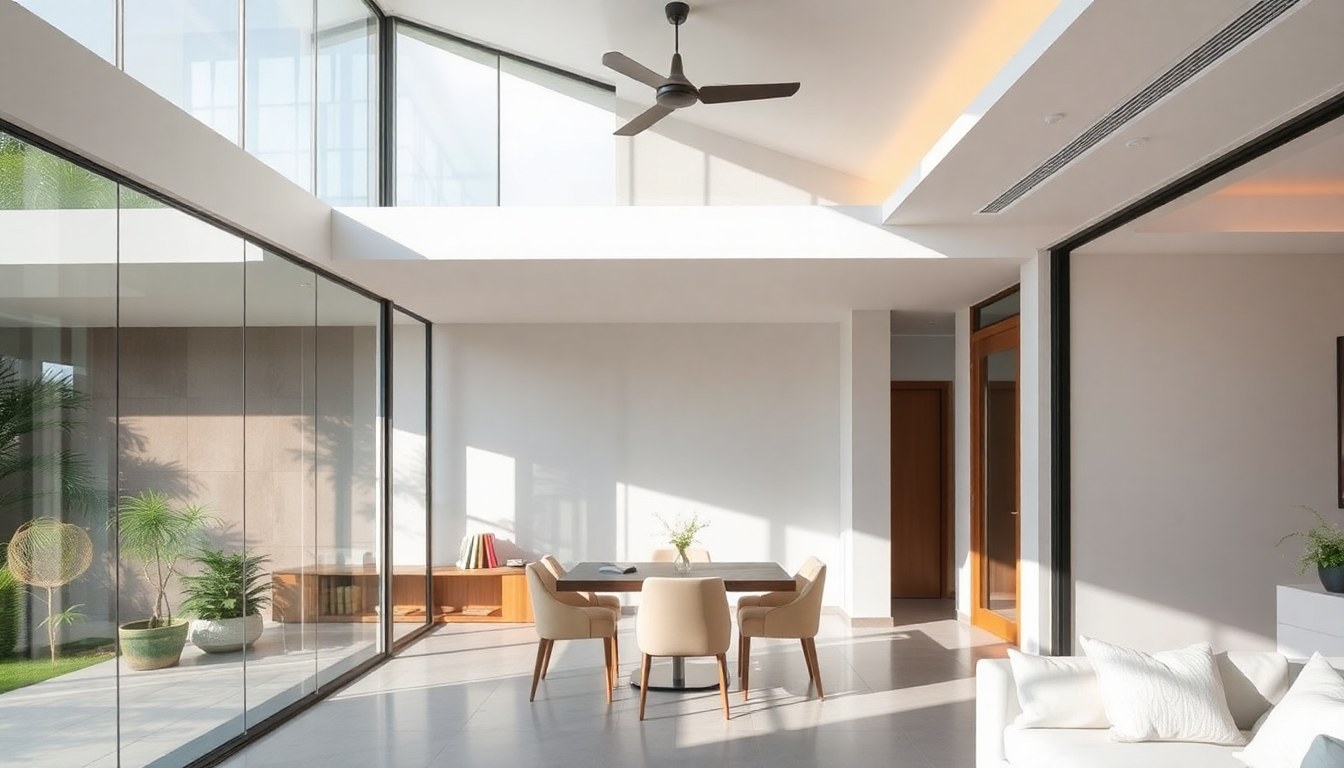
Bangalore's summer heat is relentless, and air conditioning bills can drain your wallet faster than the monsoon fills our lakes. Low-emissivity (low-E) coated glass is a game-changing solution that reflects solar heat back outdoors while letting natural light flood your rooms, keeping your home naturally cooler and reducing your AC load by up to 30%. If you're tired of sweltering indoors or watching your electricity meter spin, understanding low-E glass technology could be the smart investment your home needs.
What Is Low-E Coated Glass and How Does It Work?
Low-emissivity glass is ordinary glass treated with an ultra-thin, transparent metallic coating—typically composed of silver, tin oxide, or other reflective materials. This microscopic layer (often just 100 nanometers thick) is invisible to the naked eye but acts as a thermal mirror, selectively controlling which wavelengths of light pass through your windows.
The science is elegant: sunlight consists of visible light, ultraviolet (UV) radiation, and infrared (heat) radiation. Standard glass allows all three to pass through freely. Low-E coatings, however, reflect most infrared radiation back outside while permitting visible light to enter. This means your rooms stay bright and cheerful without the accompanying heat buildup that turns windows into radiators in summer. In winter, the same coating reflects interior heat back indoors, making low-E glass a year-round efficiency tool.
Types of Low-E Coatings: Hard Coat vs. Soft Coat
The coating process determines performance. Hard-coat (pyrolytic) low-E glass is created by applying the metallic layer during the glass manufacturing process, fusing it permanently to the surface. It's durable, affordable, and suitable for most residential applications in Bangalore. Soft-coat (sputtered) low-E glass is applied after manufacturing in a vacuum chamber, delivering superior heat rejection but requiring protective spacers in insulated glass units to prevent damage. Soft-coat is ideal if maximum solar control is your priority.
Why Bangalore Homes Need Low-E Glass for Summer Heat Rejection
Bangalore's latitude and altitude place it in a unique climate zone. While the city enjoys a relatively cool climate compared to other Indian metros, the intense sun during April through June can still push interior temperatures uncomfortably high. Urban sprawl and reduced tree cover have intensified the heat island effect, making air conditioning a necessity rather than a luxury for many households.
Standard clear glass windows transmit approximately 86% of solar radiation into your home. This means a single 1-meter-square window can introduce roughly 800–900 watts of heat energy on a sunny day—equivalent to running a space heater continuously. Over an entire home with multiple windows, this heat load forces air conditioning systems to work overtime, inflating electricity bills by 15–25% during peak summer months. Low-E coated glass reduces this solar transmission to just 25–35%, dramatically lightening the cooling load.
- Reduced AC Runtime: Cooler interiors mean your air conditioner doesn't need to cycle as frequently.
- Lower Energy Bills: Less AC usage translates directly to reduced electricity consumption and lower monthly bills.
- Extended AC Lifespan: Reduced strain on cooling systems means fewer repairs and longer equipment life.
- Enhanced Comfort: Fewer hot spots near windows create more uniform indoor temperatures.
- UV Protection: Low-E coatings block up to 99% of harmful UV rays, protecting furniture, artwork, and flooring from fading.
Solar Heat Gain Coefficient (SHGC) and Performance Metrics
When shopping for low-E glass, you'll encounter the term Solar Heat Gain Coefficient (SHGC). This is a number between 0 and 1 that measures how much solar radiation a window transmits into your home. A SHGC of 0.25 means the window allows only 25% of solar heat through; a SHGC of 0.50 allows 50%. For Bangalore's summer climate, aim for low-E glass with an SHGC between 0.20 and 0.35 to maximize heat rejection without sacrificing daylighting.
Another key metric is the U-value, which measures heat transfer through the glass itself. Lower U-values indicate better insulation. While U-value is more critical in cold climates, in Bangalore it still matters for interior comfort. Insulated glass units (IGUs) with low-E coating and an air gap of 12–16 mm achieve U-values around 2.5–3.0 W/m²K, significantly better than single-pane clear glass at 5.8 W/m²K.
The Visible Light Transmittance (VLT) indicates how much visible light passes through. High-quality low-E glass maintains a VLT of 70–80%, ensuring your rooms don't feel dim or cave-like. This is crucial for maintaining the psychological and health benefits of natural daylight.
Installation and Integration with Bangalore Home Design
Low-E glass performs best when paired with proper installation practices. The coating must face the correct direction—typically facing the outdoor air gap in an insulated glass unit—to maximize heat rejection. Professional installation is non-negotiable; improper orientation or sealing can reduce performance by 40% or more.
For Bangalore homeowners planning renovations or new construction, low-E glass integrates seamlessly into modern and traditional design schemes. Whether you're working with architects designing contemporary spaces or traditional residences, low-E coatings are invisible to the eye—your windows look and feel normal while working hard behind the scenes.
Consider pairing low-E glass with complementary passive cooling strategies: external shading devices like louvers or roller blinds further reduce solar gain, while cross-ventilation during early morning and evening hours can maintain comfort without constant AC use. This layered approach to thermal management is increasingly popular among Bangalore's sustainability-conscious homeowners.
Cost-Benefit Analysis for Bangalore Homeowners
Low-E coated glass costs 20–40% more than standard clear glass, depending on the coating type and glass thickness. A typical bedroom window (1.5 m × 1.2 m) in low-E insulated glass might cost ₹8,000–₹12,000 installed, compared to ₹5,000–₹8,000 for standard glass. For a home with 15–20 windows, the total additional investment ranges from ₹45,000 to ₹80,000.
However, the payback period is surprisingly short. Assuming an average electricity rate of ₹8–₹10 per unit and a 20–25% reduction in AC consumption, most Bangalore homes recover their low-E glass investment within 4–6 years through energy savings alone. Over the 25+ year lifespan of quality windows, the total savings can exceed ₹2,00,000. Add in the non-monetary benefits—improved comfort, UV protection, reduced glare—and low-E glass becomes a compelling long-term investment.
Maintenance and Longevity
Low-E coatings are incredibly durable when properly installed. Hard-coat low-E glass is essentially permanent and requires no special care beyond standard window cleaning. Soft-coat versions, while slightly more delicate, last 20+ years with routine maintenance. The coating itself doesn't degrade from normal exposure to sun, rain, or temperature fluctuations.
Cleaning low-E glass is straightforward: use mild soap, water, and soft cloths or squeegees. Avoid abrasive scrubbers or harsh chemicals that might damage the coating. Most professional window cleaners in Bangalore are familiar with low-E glass and can maintain it without issues. If your home features architectural elements by firms like STUDIO 2000, they can advise on appropriate maintenance protocols specific to your window systems.
Frequently Asked Questions
Does low-E glass reduce natural light in my home?
No. High-quality low-E coatings maintain visible light transmittance (VLT) of 70–80%, meaning your rooms receive nearly as much natural light as standard glass. You won't experience a cave-like or dim environment. The coating is selective—it blocks infrared heat and UV radiation while allowing visible light through.
Can I retrofit existing windows with low-E coating?
Unfortunately, retrofitting existing single-pane windows with low-E coating isn't practical for most homeowners. The coating must be applied during manufacturing or in a controlled vacuum environment. Your best option is replacing windows with new low-E insulated glass units (IGUs). Many Bangalore window suppliers now offer competitive pricing on replacement packages.
Will low-E glass help during monsoon season?
Yes, though the benefit is different from summer. During monsoon, low-E glass reduces moisture condensation on interior surfaces by maintaining warmer glass temperatures, improving indoor air quality and comfort. It also continues to reject solar heat on the few sunny days during the season, preventing the home from overheating when the sun breaks through clouds.
Is low-E glass worth it for a rented apartment?
For renters, low-E glass replacement may not be practical since it requires landlord approval and long-term commitment. However, temporary solutions like reflective window films or external roller blinds can provide similar heat-rejection benefits at a fraction of the cost. Discuss energy-efficient upgrades with your landlord—some recognize the mutual benefit of lower utility bills.
What's the difference between low-E glass and regular tinted glass?
Tinted glass (blue, green, or bronze) absorbs solar heat, which then re-radiates into your home, reducing cooling efficiency. Low-E glass reflects heat back outdoors without absorbing it, making it far more effective for heat rejection. Additionally, tinted glass reduces visible light transmission more aggressively than low-E, making interiors feel darker. For Bangalore's climate, low-E is the superior choice.
Conclusion: Make the Smart Choice for Your Bangalore Home
Low-E coated glass is not a luxury—it's a practical, cost-effective investment that addresses one of Bangalore's most pressing household challenges: managing summer heat and controlling energy costs. By understanding how low-emissivity coatings work, evaluating performance metrics like SHGC and U-value, and calculating your personal payback period, you can make an informed decision that aligns with your budget and comfort goals.
Whether you're planning a full window replacement or upgrading a few key rooms, low-E glass delivers measurable benefits: cooler homes, lower electricity bills, enhanced comfort, and protection for your furnishings. When combined with smart design principles and the expertise of experienced architects and interior designers, low-E glass becomes part of a comprehensive thermal management strategy that keeps your Bangalore home comfortable year-round.
Ready to explore low-E glass options for your home? Browse the glassy.in directory to connect with trusted glass suppliers, window manufacturers, and installation professionals across Bangalore. Compare quotes, read reviews, and find the perfect partner to bring energy-efficient windows to your home today.