
Glass Guides
Low-E Coated Glass vs Standard Toughened Glass: Thermal Performance Comparison for Indian Homes
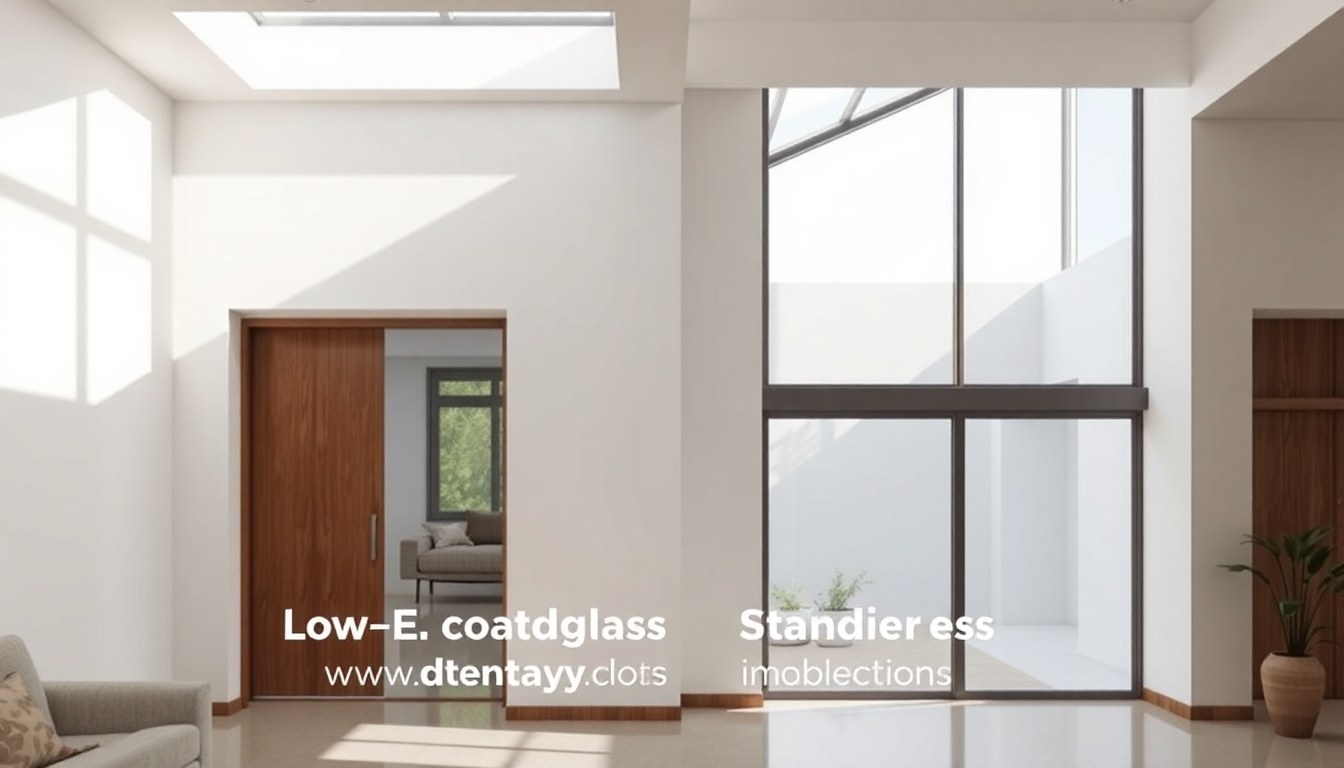
When building or renovating a home in India, choosing the right glass is crucial for comfort, energy efficiency, and long-term savings. Low-emissivity (Low-E) coated glass and standard toughened glass are two popular options, but they address different priorities. While standard toughened glass excels at safety and durability, Low-E coated glass is engineered to control heat transfer and reduce solar radiation. Understanding the thermal performance differences between these two can help you make an informed decision that aligns with your climate, budget, and lifestyle needs.
What is Low-E Coated Glass?
Low-emissivity coated glass features an ultra-thin metallic or oxide coating applied to one surface of the glass pane. This microscopic layer, invisible to the naked eye, is designed to reflect infrared radiation (heat) while allowing visible light to pass through. The coating reduces the emissivity of the glass surface—hence the name "Low-E"—making it highly effective at minimizing heat transfer between the interior and exterior of your home.
In India's hot climate, Low-E glass typically reflects up to 70% of solar heat back outside during summer, keeping interiors cooler. During winter months in cooler regions, the same coating traps indoor heat, reducing heating requirements. The technology has been refined over decades and is now standard in energy-efficient buildings across Europe, North America, and increasingly in India's metropolitan areas.
How Low-E Coating Works
- Summer Performance: Reflects infrared radiation outward, reducing air-conditioning load and indoor temperature
- Winter Performance: Reflects interior heat back inside, minimizing heat loss through windows
- Visible Light Transmission: Allows 70–80% of natural light to enter, maintaining brightness without excessive heat
- UV Protection: Blocks 99% of harmful UV rays, protecting furniture and interiors from fading
What is Standard Toughened Glass?
Standard toughened glass, also called tempered glass, is regular float glass that has been heat-treated to increase its strength. The manufacturing process involves heating the glass to approximately 650°C and then rapidly cooling it, creating internal stress that makes the glass four to five times stronger than annealed glass. When broken, toughened glass shatters into small, relatively harmless granules rather than sharp shards, making it a safety-critical choice for windows, doors, and partition walls.
Toughened glass offers excellent durability, impact resistance, and thermal shock resistance. However, it provides no special thermal insulation or heat-rejection properties beyond standard glass. In India's context, standard toughened glass is widely used because it meets safety codes, is affordable, and performs adequately in many residential and commercial applications. Architects like Makrand Pataskar Architect and firms such as studio anoma often specify toughened glass as a baseline for structural integrity and safety compliance.
Key Characteristics of Toughened Glass
- Strength: 4–5 times stronger than ordinary annealed glass
- Safety: Breaks into small, blunt fragments rather than sharp shards
- Thermal Shock Resistance: Can withstand sudden temperature changes without cracking
- Cost: Generally 20–30% less expensive than Low-E alternatives
- Thermal Insulation: No special heat-control properties; standard thermal transmittance
Thermal Performance: Head-to-Head Comparison
Thermal performance is where the two glass types diverge most significantly. Standard toughened glass has a U-value (thermal transmittance) of approximately 5.8 W/m²K, meaning heat transfers relatively freely through it. Low-E coated glass typically achieves a U-value of 1.5–2.5 W/m²K, representing a 50–70% reduction in heat transfer. For Indian homes, this difference translates directly into lower air-conditioning costs during summer and reduced heating needs in winter months.
Solar heat gain coefficient (SHGC) is another critical metric. Standard toughened glass has an SHGC of around 0.86, allowing most of the sun's heat to enter the home. Low-E coated glass reduces SHGC to 0.20–0.40, significantly minimizing solar heat gain. In cities like Delhi, Mumbai, and Bangalore where summer temperatures regularly exceed 35°C, this performance gap can reduce cooling loads by 15–25%, translating to ₹5,000–₹15,000 in annual electricity savings for a typical home.
Climate-Specific Performance
- Hot, Dry Climates (Delhi, Jaipur, Hyderabad): Low-E glass delivers maximum benefit, reducing cooling costs significantly
- Hot, Humid Climates (Mumbai, Chennai, Kolkata): Low-E glass reduces heat gain and humidity-related strain on air conditioning
- Moderate Climates (Bangalore, Pune, Ahmedabad): Low-E glass provides year-round benefits with balanced summer cooling and winter insulation
- Cool Mountain Regions (Himachal Pradesh, Uttarakhand): Low-E glass excels by retaining interior heat during winter months
UV Protection and Long-Term Interior Preservation
Both glass types allow ultraviolet (UV) radiation to penetrate, but Low-E coated glass offers superior UV blocking. Standard toughened glass blocks approximately 25–30% of UV rays, leaving furniture, artwork, and flooring vulnerable to fading and degradation over time. Low-E coatings block 99% of UV radiation, effectively protecting your home's interior from sun damage for decades.
For homeowners investing in quality furnishings, artwork, or hardwood flooring, the UV protection offered by Low-E glass provides long-term value preservation. Interior design firms like SIRA INTERIORS increasingly recommend Low-E glass to clients who prioritize protecting premium interior finishes from solar degradation. Over 15–20 years, this protection can prevent tens of thousands of rupees in fading and replacement costs.
Cost-Benefit Analysis for Indian Homeowners
Low-E coated glass typically costs ₹400–₹800 per square meter, compared to ₹200–₹350 per square meter for standard toughened glass. For a home with 100 square meters of window area, the additional investment ranges from ₹20,000 to ₹45,000. While this upfront cost is significant, the payback period depends on your climate, current energy consumption, and local electricity rates.
In hot climates like Delhi or Mumbai, energy savings typically recover the initial investment within 4–6 years. In moderate climates like Bangalore, the payback period extends to 6–8 years. Over a 20-year window lifespan, Low-E glass often delivers net savings of ₹80,000–₹150,000 in energy costs, plus additional benefits from UV protection and improved comfort. Architects and designers working on premium residential projects, such as those at UHA Mumbai, increasingly specify Low-E glass as a standard feature in energy-conscious designs.
When Standard Toughened Glass Makes Sense
- Budget Constraints: Initial cost savings of 40–50% for homeowners with tight budgets
- Secondary Windows: Interior partitions, non-exterior-facing windows, or temporary installations
- Short-Term Occupancy: Rental properties or homes expected to be sold within 5 years
- Compliance-Only Projects: Applications where safety codes require toughened glass but thermal performance is not a priority
When Low-E Coated Glass Delivers Maximum Value
- Primary Residences: Long-term homeownership maximizes energy savings and comfort benefits
- High-Performance Homes: New construction or major renovations targeting energy efficiency ratings
- Premium Interiors: Homes with valuable furnishings, artwork, or finishes requiring UV protection
- Hot Climates: Regions where air-conditioning costs represent 20–30% of annual electricity bills
- Large Window Areas: Homes with extensive glazing amplify the thermal benefits of Low-E technology
Installation and Maintenance Considerations
Both Low-E coated and standard toughened glass require professional installation to ensure proper sealing and thermal performance. Installation costs are similar for both types, typically ranging from ₹50–₹150 per square meter. The critical difference lies in the handling of Low-E glass: the coating is fragile and can be damaged by improper cleaning or abrasive contact during installation. Always engage certified installers experienced with Low-E glass to avoid compromising the coating.
Maintenance is straightforward for both types. Use soft cloths and mild soap solutions for cleaning; avoid abrasive scrubbers or harsh chemicals that can degrade the Low-E coating. Standard toughened glass is more forgiving during cleaning, while Low-E glass requires gentle care to preserve the coating's integrity. Professional firms like Artiifice Interior Pvt. Ltd. often provide maintenance guidelines to clients to ensure long-term performance.
Frequently Asked Questions
Is Low-E coated glass worth the extra cost for Indian homes?
Yes, in most Indian climates. The additional upfront cost of ₹20,000–₹45,000 for a typical home is recovered within 4–8 years through energy savings, depending on your climate and electricity rates. Over a 20-year window lifespan, Low-E glass typically delivers net savings of ₹80,000–₹150,000, plus enhanced comfort and UV protection. In hot climates like Delhi, Mumbai, or Hyderabad, the return on investment is particularly strong.
Can Low-E coated glass be used in all window orientations?
Yes, Low-E glass performs well in all orientations, but orientation affects the magnitude of benefits. South and west-facing windows in India experience the most solar heat gain and benefit most from Low-E coating. North-facing windows benefit from Low-E's heat-retention properties in cooler months. Architects often recommend Low-E glass for all windows to maintain consistent thermal performance and aesthetic appearance throughout the home.
Does Low-E coating reduce natural light inside the home?
Minimally. Low-E coatings are engineered to transmit 70–80% of visible light while reflecting infrared heat. You will notice no significant reduction in brightness compared to standard glass. The home remains well-lit while benefiting from reduced heat gain and glare reduction, which many homeowners find improves comfort.
What is the lifespan of Low-E coated glass?
Low-E coatings are extremely durable and typically last 20–30 years or longer, matching the lifespan of the glass itself. The coating does not degrade from normal exposure to sunlight or weather. However, improper installation, abrasive cleaning, or physical damage can compromise the coating. Professional installation and gentle maintenance ensure maximum longevity.
Can I retrofit Low-E glass into existing window frames?
Yes, Low-E glass can be retrofitted into existing frames, though it requires removing old glass and ensuring frames are in good condition. Retrofitting is practical for homes undergoing major renovations. For cost-effective upgrades, consider retrofitting only primary windows (south and west-facing) or high-use areas like living rooms and bedrooms where thermal control has the greatest impact on comfort and energy bills.
Make Your Choice with Confidence
Low-E coated glass and standard toughened glass serve different needs, and the best choice depends on your climate, budget, long-term plans, and priorities. For most Indian homeowners committed to long-term energy efficiency, comfort, and interior preservation, Low-E coated glass delivers compelling value. For budget-conscious projects or secondary applications, standard toughened glass remains a reliable, cost-effective choice. Consult with experienced architects and glass specialists on glassy.in to evaluate your specific needs and find the right solution for your home. Browse our directory of trusted glass suppliers, architects, and interior designers across India to begin your project today.