
Interior Design
Tinted Glass for Shopfronts: Glare Reduction & Brand Visibility Strategy
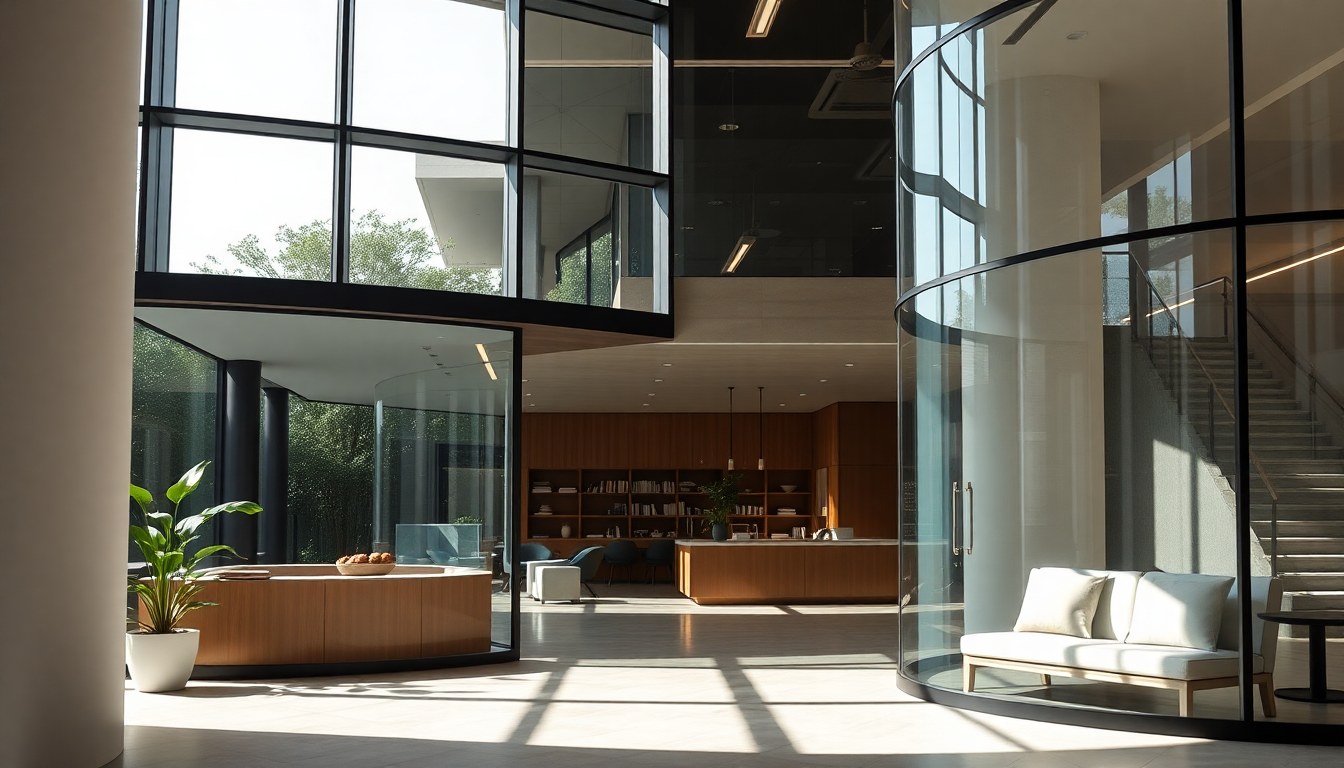
Excessive sunlight streaming through shopfront windows creates uncomfortable glare that drives customers away and fades merchandise. Tinted glass offers retailers a sophisticated solution that controls harsh light, reduces cooling costs, and reinforces brand identity—all without compromising the visibility of products that sell. Whether you operate a boutique in Delhi, a jewelry store in Mumbai, or a flagship retail space in Bangalore, strategic use of tinted glass transforms your storefront into a welcoming, energy-efficient showcase.
Understanding Tinted Glass for Retail Spaces
Tinted glass is float glass treated with metallic oxide coatings or dyes that reduce visible light transmission while maintaining clarity. Unlike frosted or opaque glass, tinted variants allow customers to see products inside while filtering out the harshest solar radiation. The tint depth ranges from light (allowing 70-80% light transmission) to dark (allowing 20-30%), giving retailers precise control over the storefront atmosphere.
For retail applications, tinted glass serves multiple functions simultaneously. It blocks ultraviolet (UV) rays that fade merchandise, reduces glare that makes it difficult to see window displays, and lowers interior temperatures by 10-15°C on average—translating to measurable energy savings in Indian climates where air conditioning runs year-round. The psychological impact matters too: tinted glass conveys premium positioning and professionalism, signaling to passersby that your store is carefully curated and worth entering.
Glare Reduction: The Primary Benefit for Customer Comfort
Glare is one of retail's invisible profit killers. When sunlight reflects off polished floors, mirrors, or glass shelving inside your store, it creates discomfort that prevents customers from examining products closely. Tinted glass absorbs 40-60% of incident solar radiation, dramatically reducing the brightness differential between outside and inside. This means customers can browse without squinting, and your staff can work comfortably without eye strain throughout the day.
The reduction in glare also improves how customers perceive your window displays. Without glare washing out colors and details, merchandise appears more vibrant and inviting. A jewelry store using bronze-tinted glass, for example, will showcase diamonds and gold pieces with enhanced brilliance. Similarly, fashion retailers find that tinted glass allows customers to appreciate fabric textures and color gradations that would otherwise be obscured by reflection.
Choosing the Right Tint Shade for Your Retail Category
Different retail sectors benefit from different tint intensities. Luxury goods—jewelry, watches, high-end fashion—typically use lighter tints (60-70% light transmission) to maintain visibility while adding an air of exclusivity. Electronics retailers often prefer medium tints (40-50% transmission) to reduce glare on screens and glass surfaces. Budget-conscious retailers might use darker tints (20-30% transmission) to minimize cooling costs, though this requires careful lighting inside to keep products visible.
In Indian climate zones, bronze and gray tints are most popular because they reduce heat effectively while maintaining a neutral aesthetic. Green tints work well for wellness and organic product stores, while neutral gray suits contemporary fashion and tech retail. The choice ultimately depends on your brand identity, product category, and local sun exposure patterns.
Energy Efficiency and Cost Savings
India's retail sector spends significantly on air conditioning, especially in metropolitan areas where storefronts face direct southern and western sun exposure. Tinted glass reduces solar heat gain by 30-40%, lowering the cooling load on your HVAC system. For a typical 500-square-foot shopfront in Mumbai or Delhi, this translates to monthly electricity savings of ₹3,000-₹6,000 during peak summer months, depending on the tint shade and existing insulation.
Beyond direct cooling savings, tinted glass protects merchandise from UV damage, reducing replacement costs for faded inventory. Textiles, cosmetics, and artwork all degrade faster under UV exposure. By filtering 99% of UV radiation, quality tinted glass extends product lifespan and maintains brand reputation for quality. Over a 10-year period, these combined savings often exceed the initial investment in tinted glass installation.
ROI Calculation for Retail Owners
A typical shopfront tinted glass installation costs ₹15,000-₹40,000 depending on size and glass quality. With monthly savings of ₹4,000-₹5,000 during summer and ₹1,500-₹2,000 during cooler months, payback periods range from 18-36 months. After that threshold, every rupee saved flows directly to your bottom line. Add in reduced merchandise replacement costs and improved customer comfort (which increases dwell time and purchase rates), and the financial case becomes compelling.
Brand Visibility and Aesthetic Positioning
Tinted glass is not merely functional—it's a branding tool. The choice of tint color communicates brand personality to the street. A luxury boutique using deep gray tint signals exclusivity and sophistication. A wellness store using light green tint suggests natural, organic positioning. This visual cueing happens instantaneously and influences whether passersby enter your store.
Moreover, tinted glass creates a "showcase" effect that draws attention. Instead of looking like any other window, a strategically tinted shopfront becomes a distinctive landmark. In crowded retail corridors—think Mumbai's Linking Road or Delhi's Select Citywalk—this differentiation increases foot traffic. Customers remember tinted storefronts better than standard glass, improving brand recall and repeat visits.
Balancing Tint Darkness with Product Visibility
The critical challenge is maintaining product visibility while achieving aesthetic and functional benefits. Excessively dark tints (below 25% light transmission) can make it difficult for passersby to see what you're selling, reducing impulse purchases. The sweet spot for most retail applications is 35-55% light transmission, which provides excellent glare reduction and energy efficiency while keeping merchandise clearly visible from the street.
Strategic lighting inside the store compensates for any reduction in natural light. LED spotlights on merchandise, well-lit window displays, and interior ambient lighting ensure products remain attractive despite tinted glass. Modern retailers combine tinted glass with smart lighting systems that adjust brightness based on time of day and external light levels, optimizing both energy use and product presentation.
Installation and Maintenance Considerations
Tinted glass installation requires professional expertise to ensure proper fit, weatherproofing, and structural integrity. In India, reputable glass suppliers in major cities offer installation services that include site assessment, custom cutting, and weathersealing. The installation process typically takes 1-3 days depending on storefront size and complexity.
Maintenance is straightforward. Tinted glass cleans like standard glass—regular soap and water or commercial window cleaner keeps it spotless. The tint itself is applied during manufacturing (for quality products) or as a thin adhesive film, making it resistant to peeling or fading. Annual professional cleaning is recommended to maintain the pristine appearance that supports your brand image.
Working with Glass Suppliers in India
India has a robust glass industry with suppliers in every major city. When selecting a vendor, verify that they offer UV-protective tints and can provide technical specifications (light transmission percentage, solar heat gain coefficient). Request samples to see how different tint shades look in your specific location and lighting conditions. Established suppliers in metros like Bangalore, Hyderabad, and Pune offer warranties of 5-10 years on tinted glass products.
Real-World Applications Across Indian Retail Sectors
Jewelry stores in Delhi's Chandni Chowk and Mumbai's Bandra have adopted bronze and copper tints to highlight precious metals while reducing glare that interferes with stone clarity. Fashion retailers in Bangalore's Indiranagar use gray tints to create a contemporary aesthetic that appeals to younger demographics. Cosmetics stores use light tints that allow customers to see product colors accurately while protecting formulations from UV degradation.
Quick-service restaurants increasingly use tinted glass to reduce heat load in kitchens visible from the street, improving customer comfort and reducing energy costs. Even bookstores and electronics retailers benefit from tinted glass by reducing screen glare and protecting inventory from fading. The versatility of tinted glass makes it applicable across virtually every retail category.
Frequently Asked Questions
Does tinted glass prevent customers from seeing products inside the store?
Quality tinted glass at 35-55% light transmission allows clear product visibility from outside while reducing glare. The key is choosing the right tint depth for your merchandise category and supplementing with strategic interior lighting. Most retailers find that customers can see products clearly, and the improved visibility from reduced glare actually makes displays more appealing.
How much can I save on electricity by installing tinted glass?
Savings vary by location, tint shade, and existing HVAC efficiency, but most Indian retailers report 25-40% reduction in cooling costs during summer months. A typical 500-square-foot shopfront might save ₹3,000-₹6,000 monthly during peak summer. Over 12 months, factoring in cooler seasons, annual savings typically range from ₹30,000-₹60,000 for medium-sized storefronts.
What is the lifespan of tinted glass in tropical Indian climates?
Quality tinted glass from established manufacturers lasts 15-20 years or longer in Indian climates. The tint itself doesn't fade because it's applied during manufacturing or as a protective film. Extreme temperature fluctuations and salt air (in coastal areas) can affect seals and frames, but the glass itself remains durable. Most suppliers offer 5-10 year warranties.
Can I apply tint film to existing glass instead of replacing windows?
Yes, adhesive tint films are a cost-effective alternative to replacing glass, costing 30-50% less. However, films can bubble or peel over time in India's heat and humidity. For permanent installations, factory-tinted glass is superior in durability and optical quality. Films work well for temporary branding or seasonal adjustments.
Does tinted glass require special cleaning or maintenance?
Tinted glass requires no special maintenance beyond regular window cleaning with soap and water or standard glass cleaner. Professional cleaning once or twice annually maintains the pristine appearance that supports your brand image. Avoid abrasive cleaners or high-pressure washing that might damage frames or seals.
Transform Your Storefront Today
Tinted glass is a strategic investment that delivers immediate benefits—reduced glare, lower energy costs, and enhanced brand visibility—while protecting your merchandise and improving customer experience. Whether you're launching a new retail concept or refreshing an existing storefront, tinted glass offers a professional, cost-effective solution that sets your store apart in India's competitive retail landscape. Explore options from verified glass suppliers and installers on glassy.in, India's largest glass-business directory, where you'll find trusted vendors, detailed product specifications, and expert guidance for your shopfront project.