
Interior Design
Glass Mosaic Tile Installation: Adhesive Selection and Grouting Guide for Hyderabad Swimming Pools
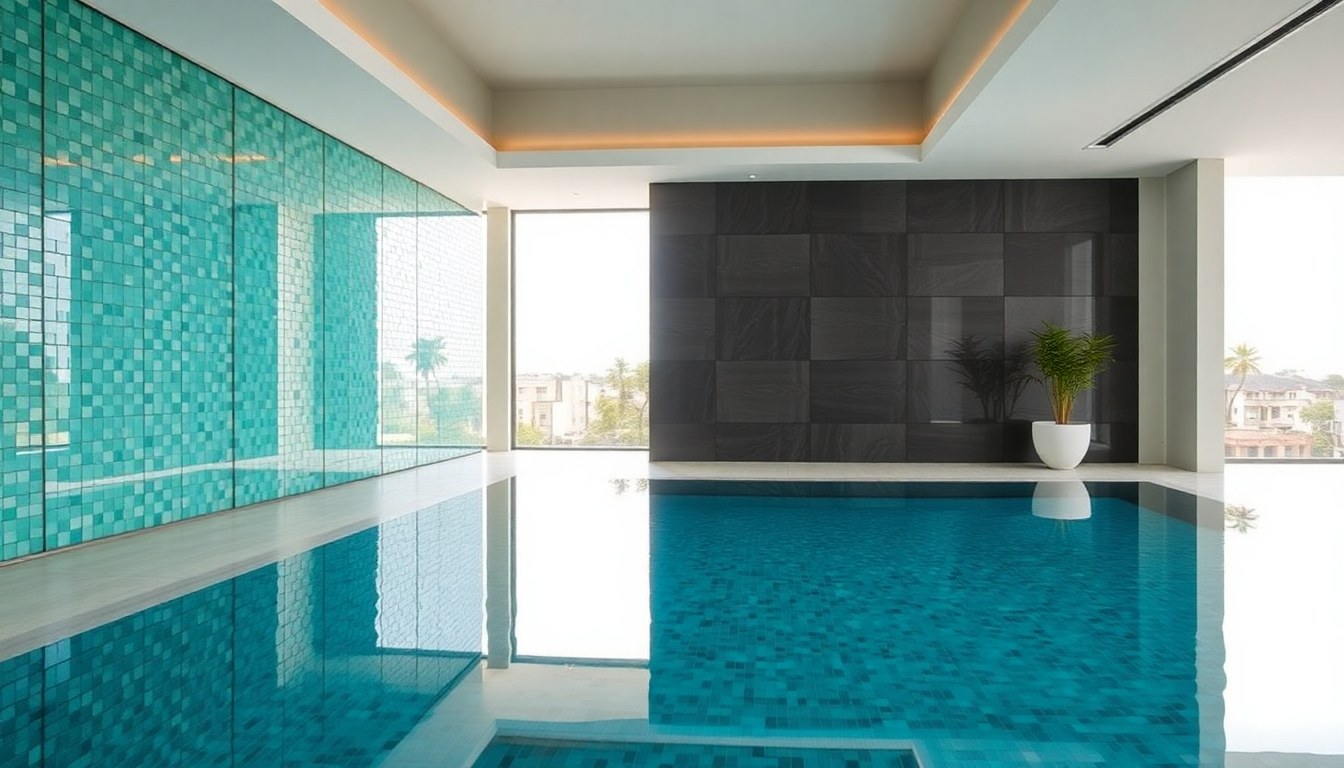
Installing glass mosaic tiles in swimming pools requires specialized knowledge of waterproof adhesives, chemical-resistant grouts, and proper substrate preparation techniques. This comprehensive guide walks you through every critical step of the installation process, ensuring your pool tiles remain beautiful and durable despite constant water exposure, chlorine treatment, and Hyderabad's temperature fluctuations. Whether you're a professional installer or a homeowner overseeing a pool renovation, understanding these fundamentals will help you achieve a flawless, long-lasting finish.
Understanding Glass Mosaic Tiles for Pool Applications
Glass mosaic tiles have become the preferred choice for swimming pool installations across Hyderabad due to their non-porous nature, vibrant color retention, and exceptional durability in wet environments. Unlike ceramic or porcelain alternatives, glass tiles do not absorb water, making them naturally resistant to algae growth, staining, and chemical degradation from pool treatments. Their reflective properties also create stunning visual effects when light penetrates the water surface.
The material composition of pool-grade glass mosaics typically includes recycled glass, silica, and color additives that are fired at extremely high temperatures. This manufacturing process creates a virtually impermeable surface with a hardness rating suitable for underwater applications. Most quality glass mosaics designed for pools have a water absorption rate of less than 0.5 percent, meeting international standards for submerged installations.
When selecting glass mosaic tiles for your Hyderabad swimming pool, consider factors such as slip resistance ratings, color fastness under UV exposure, and thermal expansion coefficients. The city's hot summers mean pool surfaces can experience significant temperature variations, so choosing tiles specifically rated for outdoor pool use ensures they won't crack or delaminate over time.
Substrate Preparation and Waterproofing Requirements
Proper substrate preparation forms the foundation of any successful glass mosaic installation. The pool shell must be structurally sound, properly cured, and completely free of contaminants, oils, or loose material. For concrete pools, ensure at least 28 days of curing time before beginning tile work. The surface should be mechanically roughened or sandblasted to create adequate tooth for adhesive bonding.
Waterproofing is absolutely critical in swimming pool applications. Apply a polymer-modified cementitious waterproofing membrane or liquid-applied elastomeric membrane directly to the prepared substrate. This creates a secondary barrier against water penetration that protects the structural shell even if tile or grout develops hairline cracks over time. The waterproofing layer should extend at least 150mm beyond the tile installation area.
Surface Leveling and Slope Considerations
Pool surfaces must maintain proper slopes for drainage and circulation. Before adhesive application, verify that the substrate maintains required gradients toward drain points. Any significant depressions or high spots should be corrected using polymer-modified leveling compounds specifically formulated for underwater use. Allow leveling compounds to cure fully according to manufacturer specifications before proceeding with tile installation.
Adhesive Selection for Submerged Glass Mosaic Installation
Choosing the correct adhesive is perhaps the most critical decision in pool tile installation. Standard thin-set mortars are completely unsuitable for submerged applications. You must use specialized pool-grade adhesives that maintain bond strength under constant water immersion, resist chemical attack from chlorine and pH adjusters, and accommodate thermal movement without losing adhesion.
The three primary adhesive types suitable for glass mosaic pool installations include:
- Modified epoxy adhesives: Offer superior chemical resistance and bond strength, ideal for commercial pools with heavy chemical treatment programs. These two-part systems cure through chemical reaction rather than evaporation, making them effective even in fully saturated conditions.
- Polymer-modified thin-set mortars: Specifically formulated for glass tile and pool applications, these contain high ratios of polymer additives that enhance flexibility, water resistance, and bonding to non-porous glass surfaces. Look for products labeled as "swimming pool grade" or "submerged installation approved."
- Acrylic latex-modified mortars: Provide good flexibility and water resistance at a more economical price point, suitable for residential pools with standard maintenance programs.
For Hyderabad's climate, select adhesives with excellent heat resistance and flexibility ratings. The adhesive should accommodate thermal expansion coefficients between glass tiles and concrete substrates. Always verify that your chosen adhesive is specifically approved for glass mosaic tiles, as some pool adhesives work well with ceramic but lack the bonding characteristics needed for non-porous glass.
Application Techniques for Pool Adhesives
Apply adhesive using the appropriate notched trowel size for your mosaic sheet thickness. Most glass mosaic installations require a 6mm or 8mm square-notched trowel. Use the flat side of the trowel to key the adhesive into the substrate, then apply the ridged layer in one direction. Back-buttering individual mosaic sheets ensures complete coverage, which is essential for preventing water infiltration behind tiles.
Work in manageable sections, typically no more than one square meter at a time, to prevent adhesive skinning. In Hyderabad's heat, adhesive open time can be significantly reduced, so adjust your working pace accordingly. Maintain consistent adhesive thickness to avoid lippage between mosaic sheets, which creates an uneven swimming surface and detracts from the visual appeal.
Grouting Techniques and Material Selection
Grout selection for swimming pool glass mosaics must prioritize chemical resistance, flexibility, and impermeability. Never use standard cement-based grouts in pool applications, as they will quickly deteriorate, stain, and allow water penetration. Pool-grade grouts fall into two main categories: epoxy grouts and modified cementitious grouts with high polymer content.
Epoxy grouts represent the premium choice for swimming pool installations. These two-part or three-part systems cure through chemical reaction, creating a completely waterproof, stain-resistant, and chemically inert joint. Epoxy grouts maintain their color indefinitely, resist algae growth, and require minimal maintenance. They are particularly recommended for commercial pools, resort installations, or residential pools with heavy usage patterns.
Modified cementitious grouts formulated specifically for swimming pools offer a more economical alternative while still providing adequate performance for residential applications. These grouts contain high percentages of polymer additives that enhance water resistance and flexibility. When selecting cementitious pool grout, ensure it's rated for continuous submersion and chemical exposure. Many quality products designed for bathroom and tile applications are still unsuitable for pool environments.
Grout Joint Width and Color Considerations
Glass mosaic tiles typically feature joint widths between 2mm and 3mm. Narrower joints reduce the total grout surface area exposed to chemicals and water, potentially extending service life. However, joints that are too narrow may not allow proper grout penetration. The grout color significantly impacts the overall aesthetic; lighter grouts create a more seamless appearance, while contrasting colors emphasize the mosaic pattern.
When working with quality suppliers like Guru Nanak Sanitary Store, you can access professional-grade materials and expert advice on grout color selection that complements your glass mosaic choice and overall pool design aesthetic.
Chemical Resistance and Pool Chemistry Management
Even the highest-quality installation materials will fail prematurely if pool chemistry is not properly maintained. Glass mosaic tiles themselves are highly resistant to chemical attack, but grout and adhesive can deteriorate if exposed to extreme pH levels or excessive sanitizer concentrations. Maintain pool pH between 7.2 and 7.8, total alkalinity between 80-120 ppm, and calcium hardness between 200-400 ppm.
Chlorine levels should remain within recommended ranges of 1-3 ppm for residential pools. While modern pool-grade grouts resist chlorine degradation, consistently elevated sanitizer levels accelerate deterioration. Salt chlorination systems, increasingly popular in Hyderabad, are generally gentler on grout and adhesive compared to traditional chlorine treatment, though proper chemistry balance remains essential.
Avoid shocking the pool or adding concentrated chemicals directly against tiled surfaces. Distribute chemicals evenly throughout the water volume and allow proper circulation before swimmers use the pool. Acid washing, sometimes used to remove calcium deposits or staining, should be performed carefully and infrequently, as repeated exposure to muriatic acid can etch grout and potentially compromise adhesive bonds.
Installation Timeline and Curing Considerations
Proper curing times are critical for achieving maximum performance from pool tile installations. After adhesive application, allow a minimum of 24-48 hours before grouting, though specific products may require longer cure times. Consult manufacturer technical data sheets for exact specifications, as Hyderabad's humidity levels can affect curing rates.
After grouting, the most critical waiting period begins. Do not fill the pool with water for at least 14-21 days after grout application, depending on the product used. Epoxy grouts typically require shorter cure times than cementitious products. This waiting period allows grout and adhesive to achieve sufficient strength and chemical resistance before submersion.
When initially filling a newly tiled pool, fill slowly to avoid thermal shock to the installation. Rapid temperature changes can stress the tile-adhesive-substrate system before it has fully cured. Once filled, maintain proper chemistry immediately to prevent early-stage degradation of grout joints.
Frequently Asked Questions
Can I use regular tile adhesive for glass mosaic pool installation?
No, regular tile adhesive is completely unsuitable for swimming pool applications. You must use specialized pool-grade adhesives specifically formulated for continuous water immersion and chemical exposure. These adhesives contain higher polymer ratios and chemical-resistant components that standard thin-set mortars lack. Using inappropriate adhesives will result in tile delamination, often within the first season of pool use.
How long should I wait before filling my pool after glass mosaic installation?
Wait a minimum of 14-21 days after grouting before filling your pool with water. This curing period allows both adhesive and grout to achieve sufficient strength and chemical resistance. Epoxy-based systems may permit shorter cure times, while polymer-modified cementitious products typically require the full three-week period. Premature water exposure can compromise bond strength and lead to grout deterioration.
What is the best grout type for glass mosaic pool tiles in Hyderabad's climate?
Epoxy grout is the superior choice for swimming pool glass mosaics, offering complete waterproofing, stain resistance, and chemical immunity. For residential pools with standard maintenance, high-quality polymer-modified cementitious grouts specifically rated for swimming pool use provide adequate performance at lower cost. Hyderabad's heat requires grouts with excellent thermal stability and flexibility to accommodate expansion and contraction cycles.
How do I prevent grout discoloration in my pool?
Maintain proper pool chemistry within recommended ranges for pH, alkalinity, and sanitizer levels. Use pool-grade epoxy or modified cementitious grout rather than standard products. Ensure complete grout curing before pool filling. Regular brushing of pool surfaces prevents algae establishment in grout joints. For existing discoloration, professional cleaning with appropriate pool-safe products may restore appearance without damaging the grout.
Can glass mosaic tiles be installed over existing pool tiles?
Installing over existing tiles is possible but requires careful evaluation. The existing tile must be firmly bonded, thoroughly cleaned, and properly prepared through mechanical abrasion. This approach adds weight and reduces pool volume slightly. Complete removal of old tiles and proper substrate preparation generally provides superior long-term results, though overlay installation can be cost-effective when existing tiles are in excellent condition and properly adhered.
For professional glass mosaic tile installation in your Hyderabad swimming pool, connect with experienced contractors and quality material suppliers through the glassy.in directory. Our comprehensive listings help you find verified professionals who understand the specialized requirements of pool tile installations, ensuring your project achieves both aesthetic excellence and long-term durability.