
Interior Design
Dichroic Glass Installation: Color-Shifting Effects for Chennai Art Gallery Walls
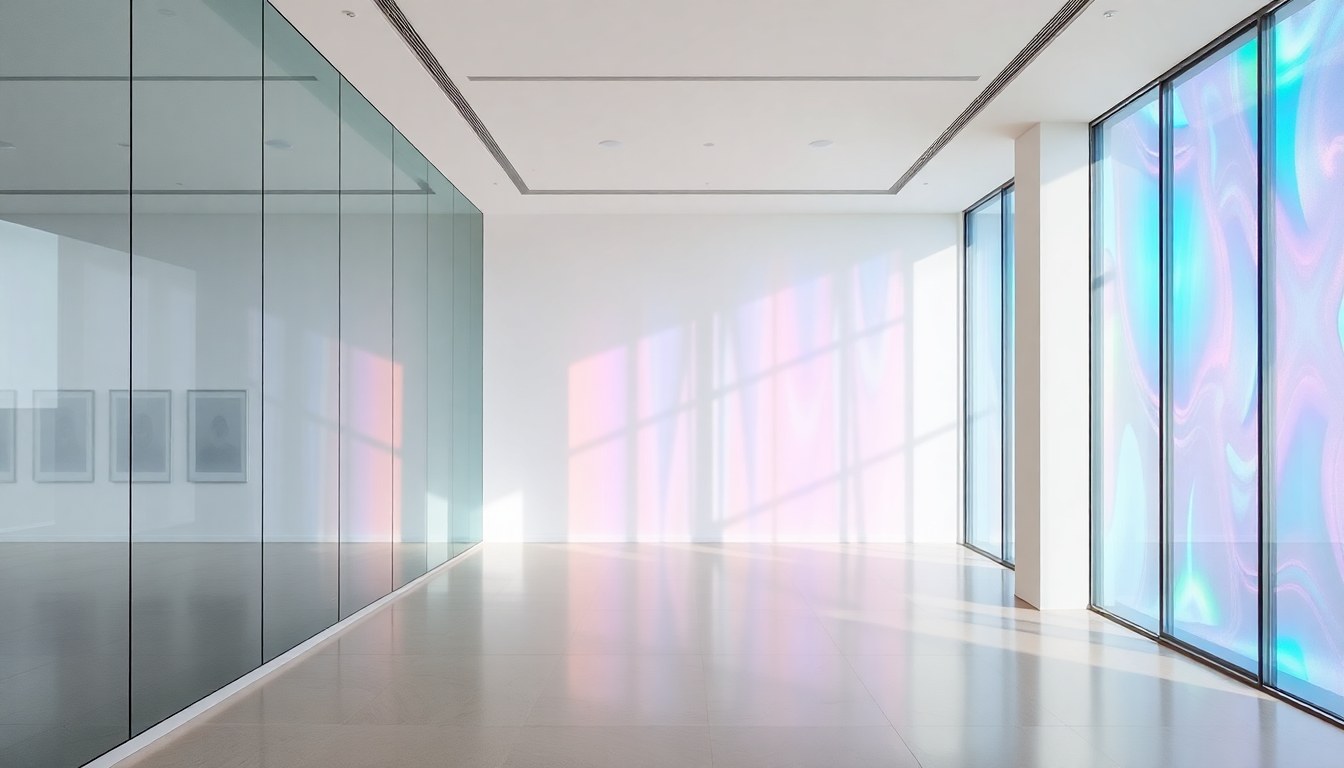
Dichroic glass brings a mesmerizing dimension to Chennai's contemporary art galleries, creating surfaces that shift from emerald green to sapphire blue as viewers move past them. This thin-film coated glass technology, originally developed for aerospace applications, now serves as both functional architectural element and kinetic art installation in museum and gallery settings. Understanding the physics, installation requirements, and lighting coordination ensures your dichroic glass installation delivers maximum visual impact while maintaining structural integrity.
Understanding Dichroic Glass Technology and Color Physics
Dichroic glass achieves its color-shifting properties through multiple ultra-thin metallic oxide layers deposited onto clear or colored glass substrates. These microscopic coatings—typically 30 to 50 layers of materials like titanium, chromium, aluminum, zirconium, and magnesium fluoride—create interference patterns that selectively transmit certain wavelengths while reflecting others. The transmitted and reflected colors are complementary, meaning a panel that reflects blue will transmit orange when backlit.
The angle-dependent color phenomenon occurs because light waves interact differently with the coating layers based on their approach angle. At perpendicular viewing angles, you might see vibrant magenta, but as you move to a 45-degree angle, the same panel shifts to golden yellow or cyan. This optical behavior makes dichroic glass particularly effective in gallery corridors and spaces where visitors naturally move around installations, experiencing continuous color transformation.
Types of Dichroic Coatings for Gallery Applications
Gallery designers typically choose from three coating categories based on desired effects. Standard dichroic coatings offer predictable color shifts between two primary hues and work well for large wall installations. Patterned dichroic glass incorporates etched or sandblasted designs that create contrasting areas of coated and uncoated glass, adding textural depth. Multi-dichroic coatings layer different dichroic films to produce more complex color transitions, ideal for feature walls or entrance installations where maximum visual drama is desired.
Lighting Design Coordination for Dichroic Installations
Lighting determines whether your dichroic glass installation appears as a subtle accent or commanding focal point. The relationship between light source, glass panel, and viewer position creates the visible color effect, making lighting design inseparable from the glass specification process. Chennai galleries must also account for natural light variations throughout the day, particularly in spaces with southern or western exposures.
Front lighting—illumination from the viewer's side—emphasizes reflected colors and creates brilliant, jewel-like surfaces. LED track lighting positioned at 30 to 45-degree angles provides optimal reflection without creating glare spots. Color temperature matters significantly; neutral white LEDs at 4000K to 5000K reveal the full dichroic spectrum, while warmer 3000K sources shift the palette toward amber and red tones.
Backlighting Techniques for Transmitted Color Effects
Backlighting transforms dichroic glass into luminous color panels by emphasizing transmitted wavelengths. This approach requires cavity wall construction or specialized framing systems that conceal LED strip lighting behind the glass panels. Uniform backlighting demands careful planning—LED strips should be positioned at least 75mm behind the glass surface with diffusion panels to eliminate hot spots and ensure even color distribution across large panels.
- Edge-lit systems using LED strips along panel perimeters work well for smaller accent pieces up to 600mm square
- Full-cavity backlighting suits larger installations exceeding 1200mm in any dimension
- Programmable RGB backlighting allows dynamic color changes that interact with the dichroic coating for experimental installations
- Dimming controls enable curators to adjust intensity based on exhibition requirements and ambient light conditions
Structural Mounting Systems and Installation Methods
Dichroic glass panels require mounting systems that provide secure support while minimizing visual hardware intrusion. The coating itself adds negligible weight, so structural calculations follow standard glass load requirements based on panel dimensions and thickness. Most gallery installations use 6mm to 12mm tempered glass as the substrate, with 10mm being the most common specification for wall panels exceeding one square meter.
Point-fixed systems using stainless steel standoffs create the floating appearance favored in contemporary galleries. These systems drill holes through the glass at strategic points—typically 50mm from corners for rectangular panels—and secure the glass 25mm to 50mm away from the wall surface. This air gap proves essential for backlit installations and prevents moisture accumulation that could damage coatings. Each standoff must distribute load across a minimum 900 square mm area using backing washers to prevent stress concentration.
Channel and Frame Mounting Options
U-channel systems provide continuous edge support suitable for floor-to-ceiling installations or partition walls. Aluminum channels with neoprene gaskets grip the glass edges while allowing thermal expansion—critical in Chennai's climate where temperature variations between air-conditioned gallery spaces and external walls can reach 15 to 20 degrees Celsius. The channels can be surface-mounted or recessed into wall construction, with recessed installation offering cleaner aesthetics.
Custom frames serve installations where the dichroic glass functions as art object rather than architectural element. Museum-quality frames use conservation-grade materials with UV-filtering glazing layers if the dichroic panel itself isn't UV-resistant. The frame depth must accommodate any backlighting components while maintaining proper ventilation to prevent heat buildup that could delaminate the dichroic coating over time.
Installation Process and Quality Control Measures
Successful dichroic glass installation begins weeks before panels arrive on site. Wall preparation includes verifying plumb and level conditions within 2mm tolerance across the installation area, as any irregularities become magnified when reflective surfaces are mounted. Electrical rough-in for lighting systems must be completed and tested, with all junction boxes positioned to remain hidden behind panels or within frame cavities.
The actual installation sequence follows strict protocols to protect the delicate coatings. Handlers must wear lint-free cotton gloves to prevent fingerprint oils from etching the surface—a particular concern in Chennai's humid climate where skin oils react more aggressively with metallic coatings. Panels should acclimate to gallery temperature and humidity for minimum 24 hours before installation to prevent thermal shock during mounting.
- Verify all mounting hardware positions against shop drawings and mark attachment points
- Install backing plates, standoffs, or channel systems with laser-level verification
- Clean glass edges and coating surfaces using approved non-ammonia cleaners
- Position panels with suction cup handlers, never gripping coated surfaces directly
- Secure fasteners to specified torque values—typically 3 to 5 Nm for M6 standoff bolts
- Install caps, covers, or trim pieces to conceal hardware
- Connect and test lighting systems at various intensity levels
- Final cleaning with microfiber cloths and coating-safe solutions
Post-Installation Testing and Adjustment
Quality control extends beyond physical mounting to optical performance verification. Installers should photograph the installation from multiple angles and lighting conditions to document color-shift characteristics and identify any inconsistencies. Uneven coating application—rare but possible—becomes apparent when panels are viewed side-by-side under identical lighting. Any defects should be documented immediately for warranty claims, as coating failures typically manifest within the first 30 days of installation.
Maintenance Requirements and Long-Term Care
Dichroic coatings require gentler maintenance than standard architectural glass. The metallic oxide layers, while durable, can be scratched by abrasive cleaners or damaged by alkaline solutions. Gallery maintenance staff should use pH-neutral glass cleaners applied to microfiber cloths rather than sprayed directly on surfaces. This prevents cleaning solution from seeping into edges or mounting points where it could cause delamination.
Chennai's coastal humidity presents specific challenges for dichroic installations. Monthly inspections should check for moisture accumulation behind panels, particularly in backlit installations where temperature differentials promote condensation. Adequate ventilation gaps—minimum 10mm at top and bottom of backlit cavities—allow air circulation that prevents moisture buildup. Silica gel desiccant packs placed in cavity spaces provide additional moisture control in particularly humid gallery areas.
Coating Protection and Damage Prevention
The dichroic coating typically resides on one glass surface, with installation orientation determining whether it faces the gallery space or remains protected against the wall. Exposed coatings offer more vibrant color effects but face greater risk from physical contact. Protected installations—coating facing the wall or sandwiched between laminated glass layers—sacrifice some optical brilliance for enhanced durability. Gallery directors must balance aesthetic priorities against practical maintenance considerations when specifying coating orientation.
Cost Considerations and Budget Planning
Dichroic glass represents a premium investment compared to standard architectural glass. Material costs typically range from ₹8,500 to ₹18,000 per square meter depending on coating complexity, substrate glass type, and panel dimensions. Custom colors or proprietary coating formulations command prices at the higher end of this spectrum. These figures cover materials only—installation labor, lighting systems, and mounting hardware add substantially to project totals.
A complete gallery installation budget should allocate approximately 40% for materials, 35% for specialized installation labor, and 25% for lighting design and electrical work. A modest feature wall measuring 3 meters by 2.4 meters might total ₹2,80,000 to ₹4,20,000 including all components and professional installation. Larger installations benefit from economies of scale, with per-square-meter costs decreasing as project size increases beyond 15 square meters.
Frequently Asked Questions
Can dichroic glass withstand Chennai's humid climate in gallery settings?
Yes, properly installed dichroic glass performs well in Chennai's climate when mounted with adequate ventilation and moisture control measures. The metallic oxide coatings are inherently stable and non-reactive to humidity, but the glass edges and mounting interfaces require protection from prolonged moisture exposure. Climate-controlled gallery environments with relative humidity maintained between 40% and 60% provide ideal conditions. Installations in non-climate-controlled spaces should use additional edge sealing and ensure ventilation gaps prevent condensation accumulation behind panels.
How long do dichroic coatings last in interior gallery applications?
Interior dichroic glass installations typically maintain their optical properties for 20 to 30 years when properly maintained and protected from physical damage. The coating durability depends on installation orientation—protected coatings facing walls or laminated between glass layers often exceed 30 years, while exposed coatings subject to cleaning and occasional contact may show minor degradation after 15 to 20 years. UV exposure accelerates coating breakdown, but interior gallery lighting with UV-filtered sources minimizes this concern. Manufacturers typically warranty coatings for 10 years against delamination or significant color shift.
What lighting adjustments optimize dichroic glass color effects?
Optimal lighting uses adjustable LED fixtures with neutral white color temperature between 4000K and 5000K, positioned at 30 to 45-degree angles from the glass surface. Dimming capability allows curators to modify intensity based on ambient conditions and desired visual impact. For backlit installations, uniform LED strip placement at minimum 75mm behind the glass with diffusion panels eliminates hot spots. Combining front and backlighting creates layered effects where reflected and transmitted colors interact, though this requires careful programming to avoid color muddiness. Testing different lighting scenarios during installation ensures the final configuration achieves the intended artistic vision.
Can dichroic glass be cut or modified after coating application?
No, dichroic glass must be cut, drilled, and edge-finished before coating application, as the high-temperature coating process would damage any post-coating modifications. This requirement makes precise measurement and planning essential—all panel dimensions, mounting hole locations, and edge treatments must be finalized before fabrication begins. If modifications become necessary after coating, the panel typically requires complete replacement. Some fabricators offer coating repair services for minor edge damage, but these repairs rarely achieve invisible results. This limitation underscores the importance of detailed shop drawings and mock-ups before committing to final fabrication.
Is dichroic glass suitable for high-traffic gallery entrance areas?
Dichroic glass works well in entrance installations when protected from direct physical contact through strategic placement or protective barriers. Point-fixed installations mounted 25mm to 50mm off walls naturally discourage touching while creating dramatic floating effects. For ground-level installations within reach, laminated dichroic glass with the coating sandwiched between layers provides scratch resistance while maintaining most optical properties. Alternatively, mounting panels above 1800mm height or behind subtle barriers like low planters keeps coatings safe from inadvertent contact while preserving the interactive viewing experience that makes dichroic glass compelling in gallery settings.
Ready to transform your gallery or commercial space with dichroic glass installations? Connect with specialized glass fabricators and installation professionals through the glassy.in directory, India's comprehensive resource for architectural glass solutions and expert suppliers across Chennai and beyond.