
Interior Design
Digital Ceramic Printing on Glass: Design Possibilities and Cost for Hyderabad Interiors
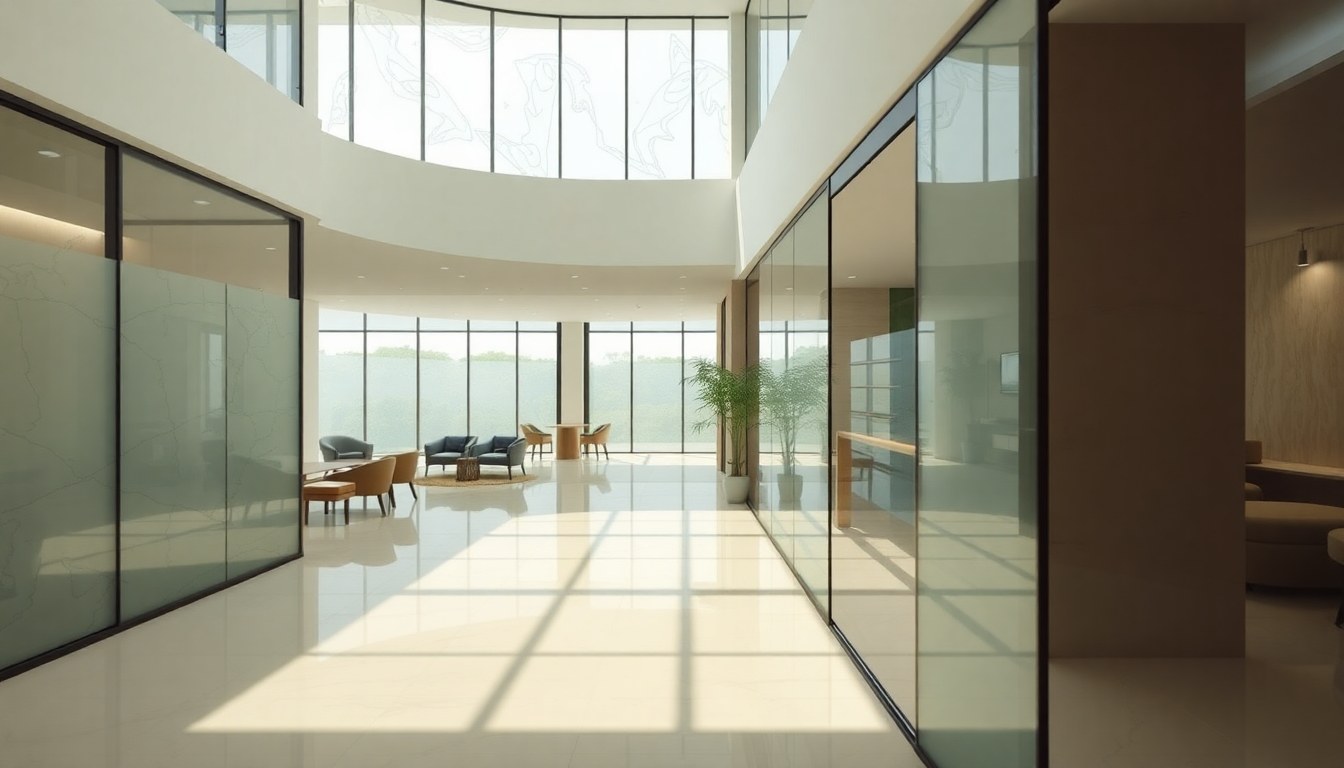
Digital ceramic printing on glass has revolutionized interior design in Hyderabad, offering architects and homeowners unprecedented freedom to create custom patterns, textures, and images on glass surfaces. This UV-cured technology bonds ceramic inks permanently to glass, delivering fade-resistant designs for kitchen backsplashes, shower enclosures, office partitions, and decorative panels. With prices typically ranging from ₹350 to ₹1,200 per square foot in Hyderabad depending on complexity and glass type, digital printed glass combines aesthetic versatility with long-term durability.
Understanding UV-Cured Digital Ceramic Printing Technology
Digital ceramic printing uses specialized UV-curable ceramic inks applied directly onto glass surfaces through industrial inkjet printers. Unlike traditional screen printing or vinyl applications, this technology allows for photographic-quality images, gradients, and intricate patterns with precise color matching. The printed glass then undergoes a tempering process where heat exceeding 600°C fuses the ceramic particles into the glass surface, making the design an integral part of the material rather than a surface coating.
This fusion process ensures the printed design cannot peel, scratch, or fade under normal conditions. The ceramic inks contain mineral pigments that are inherently UV-resistant, making them ideal for applications with direct sunlight exposure. The technology supports CMYK color printing plus white ink, enabling designers to create opaque backgrounds or print on clear glass with vibrant colors that remain visible from both sides.
The digital workflow allows for rapid prototyping and customization without the setup costs associated with traditional printing methods. Designers can submit artwork files, preview digital proofs, and make adjustments before production, streamlining the process from concept to installation. This flexibility has made digital ceramic printing increasingly popular among Hyderabad's residential and commercial projects.
Design Possibilities and Custom Pattern Options
The design possibilities with digital ceramic printing are virtually limitless. Homeowners and designers in Hyderabad are leveraging this technology to create personalized spaces that reflect individual tastes and brand identities. Common applications include reproducing marble and stone textures, creating privacy patterns for office glass partitions, printing corporate logos, and transforming photographs into large-format glass art installations.
Popular Design Categories
- Geometric and abstract patterns: Contemporary designs featuring lines, circles, and repeating motifs that add visual interest while controlling light and privacy
- Natural textures: Realistic reproductions of wood grain, marble veining, fabric weaves, and organic patterns that bring warmth to glass surfaces
- Photographic imagery: High-resolution images including landscapes, cityscapes, botanical prints, and custom photography
- Traditional and cultural motifs: Indian patterns, mandalas, jaali-inspired designs, and regional art styles that connect modern interiors with heritage aesthetics
- Gradient and ombré effects: Smooth color transitions that create depth and visual flow, particularly effective for large glass installations
Designers working with suppliers like Delfina Ceramic Pvt. Ltd. can explore combinations of transparent, translucent, and opaque areas within a single design. This layering approach allows for creative privacy solutions where certain zones obscure visibility while others remain clear. The ability to print edge-to-edge or create bordered designs adds another dimension to the creative toolkit.
Color Durability and Performance Characteristics
One of the primary advantages of digital ceramic printing over alternative decoration methods is exceptional color permanence. Because the ceramic inks are fired into the glass during tempering, they become chemically bonded to the substrate. This integration means the colors will not degrade from UV exposure, moisture, cleaning chemicals, or temperature fluctuations that would damage surface-applied films or paints.
The tempering process that fuses the inks also strengthens the glass, making digitally printed glass four to five times stronger than annealed glass of the same thickness. This dual benefit of decoration and structural enhancement makes the material particularly suitable for safety-critical applications like shower doors, balustrades, and exterior facades. When broken, tempered digitally printed glass fractures into small, relatively harmless pieces, maintaining safety standards while preserving design integrity throughout its lifespan.
Color consistency across large production runs is another technical strength. Digital printing systems maintain precise color calibration, ensuring that multiple panels in a single project match perfectly. This consistency is crucial for commercial installations where uniformity across dozens or hundreds of glass panels creates a cohesive visual identity. The technology also supports spot color matching to specific Pantone references, allowing brand colors to be reproduced accurately.
Pricing Structure and Cost Factors in Hyderabad
Digital printed glass pricing in Hyderabad varies based on several factors including glass thickness, type, design complexity, order volume, and finishing requirements. Understanding these cost components helps project planners budget accurately and make informed decisions about design specifications.
Base Price Components
Standard digitally printed tempered glass in 6mm thickness typically costs between ₹350 and ₹550 per square foot for simple single-color or two-color designs. This baseline includes clear float glass, basic printing, and tempering. Full-color photographic or gradient designs increase costs to ₹550-₹800 per square foot due to higher ink consumption and processing time. Premium applications using low-iron ultra-clear glass or specialty substrates can range from ₹800 to ₹1,200 per square foot.
Additional Cost Factors
- Glass thickness: Upgrading from 6mm to 8mm or 10mm glass adds ₹80-150 per square foot depending on current market rates
- Edge finishing: Polished edges, beveling, or specialized edge treatments add ₹40-100 per linear foot
- Cutouts and hardware: Holes for handles, hinges, or mounting systems typically cost ₹150-400 per cutout depending on complexity
- Minimum order quantities: Small orders below 50 square feet may incur setup fees of ₹3,000-8,000, while larger orders often receive volume discounts of 10-20%
- Design services: Custom artwork creation or design consultation may add ₹2,000-10,000 depending on project scope
Installation costs are typically separate and depend on application type, site accessibility, and hardware requirements. Simple fixed panel installations may cost ₹150-250 per square foot for labor, while complex frameless systems or exterior installations can reach ₹400-600 per square foot including specialized mounting hardware.
Supplier Availability and Selection in Hyderabad
Hyderabad's glass industry has expanded significantly to meet growing demand for architectural and decorative glass solutions. Several suppliers now offer digital ceramic printing capabilities, though the quality of equipment, color accuracy, and service levels vary considerably across providers. When selecting a supplier, consider factors beyond price including sample quality, turnaround time, technical support, and post-installation service.
Established suppliers typically maintain showrooms where clients can view sample installations and discuss design possibilities with technical consultants. These facilities often display various glass types, printing techniques, and finish options that help visualize how different approaches will appear in actual installations. Requesting samples of your specific design on your chosen glass type before committing to full production is standard practice and helps avoid costly misunderstandings.
Lead times for digital printed glass in Hyderabad generally range from 10 to 21 days from design approval to delivery, depending on order size and supplier capacity. Rush orders may be accommodated with expedited processing fees. Working with suppliers who maintain relationships with installation teams can streamline project timelines and ensure proper handling of custom-printed panels during the critical installation phase.
Application-Specific Considerations for Interior Projects
Different interior applications place varying demands on digitally printed glass. Kitchen backsplashes require designs that complement cabinetry and countertops while withstanding heat, moisture, and cleaning products. The non-porous nature of glass makes it inherently hygienic and easy to maintain, while ceramic printing allows for coordinating patterns with tile, stone, or other finishes in the space.
Bathroom and shower applications benefit from privacy patterns that diffuse light while obscuring visibility. Designers often specify gradient densities where printing is more opaque at eye level and gradually becomes clearer toward the top and bottom. This approach maintains privacy while allowing natural light to enter the space. The moisture resistance of ceramic-printed glass makes it superior to film-based privacy solutions that can delaminate in humid environments.
Office partitions and conference room enclosures increasingly feature digitally printed glass to balance openness with visual separation. Subtle patterns reduce glare from lighting while maintaining sight lines that preserve the collaborative feel of modern workspaces. Corporate branding elements, wayfinding graphics, or decorative patterns can be integrated directly into partition systems, eliminating the need for applied vinyl graphics that deteriorate over time.
Frequently Asked Questions
What is the typical lifespan of digitally printed glass in interior applications?
Digitally printed glass using ceramic inks has an indefinite lifespan in interior applications because the design is permanently fused into the glass during tempering. Unlike surface-applied films or paints that degrade over time, ceramic printing will not fade, peel, or discolor under normal interior conditions. The glass itself and the printed design will last as long as the building structure, typically 25-50 years or more, maintaining their appearance throughout this period.
Can digitally printed glass be used in exterior applications in Hyderabad's climate?
Yes, digitally printed glass with ceramic inks is fully suitable for exterior use in Hyderabad's climate. The ceramic particles are fired into the glass at temperatures exceeding 600°C, creating a permanent bond that resists UV radiation, monsoon moisture, temperature fluctuations, and pollution. However, exterior applications should use tempered or laminated glass for safety and structural performance, and designs should account for visibility requirements and building code compliance.
How does digital ceramic printing compare in cost to traditional etched or sandblasted glass?
Digital ceramic printing typically costs less than traditional acid etching or sandblasting for complex designs while offering greater design flexibility. Simple sandblasted patterns on 6mm glass cost ₹400-600 per square foot in Hyderabad, comparable to digital printing, but sandblasting cannot reproduce photographic images, gradients, or multi-color designs. For intricate patterns or full-color work, digital printing provides significantly better value and faster turnaround times than traditional methods.
What file formats and resolution are required for custom design printing?
Most Hyderabad suppliers accept vector files in AI, EPS, or PDF formats for graphic designs, and high-resolution raster images in TIFF, PSD, or PDF formats for photographic content. Minimum resolution requirements are typically 150 DPI at actual print size, though 300 DPI is recommended for photographic images to ensure optimal clarity. Suppliers usually provide design templates with bleed areas and safe zones to ensure artwork translates correctly to the final glass product.
Is it possible to print on both sides of the glass or combine printing with other glass treatments?
While ceramic printing is typically applied to one surface before tempering, it can be combined with other treatments for enhanced effects. Back-painted glass can receive digital printing on the reverse side, laminated glass can sandwich printed layers between glass plies, and printed glass can be combined with low-E coatings for energy efficiency. However, each combination affects pricing and requires specific technical consultation to ensure compatibility of processes and desired performance characteristics.
Ready to explore digital ceramic printing options for your Hyderabad interior project? Visit the glassy.in directory to connect with verified glass suppliers, compare capabilities, and request quotes from experienced digital printing specialists serving Hyderabad and surrounding areas.