
Interior Design
Back-Painted Glass Kitchen Backsplash: Color Selection and Installation Guide for Modern Indian Kitchens
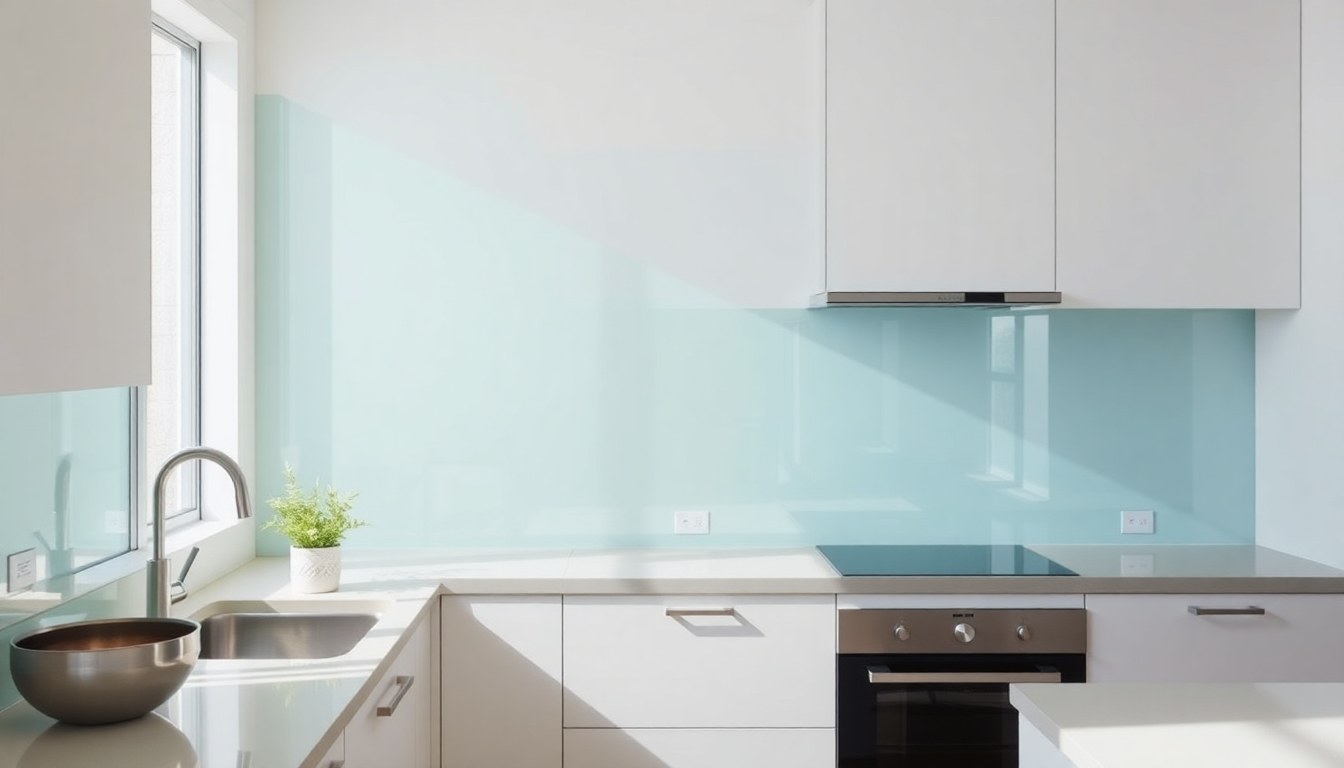
Back-painted glass kitchen backsplashes have emerged as a sophisticated alternative to traditional ceramic tiles in modern Indian homes, offering a seamless, contemporary aesthetic that's surprisingly practical for high-heat cooking environments. This comprehensive guide walks you through everything you need to know about selecting colors, understanding thickness requirements, ensuring heat resistance, and installing back-painted glass behind gas stoves—plus a realistic cost comparison to help you make an informed decision for your kitchen renovation.
What Is Back-Painted Glass and Why Choose It for Your Kitchen?
Back-painted glass, also known as lacquered glass or painted glass, is toughened safety glass with an opaque paint coating applied to one side. The paint is applied to the reverse side and then cured, creating a durable, moisture-resistant surface that's perfect for kitchen environments. Unlike tiles with grout lines that trap grease and grime, back-painted glass offers a completely smooth, non-porous surface that's incredibly easy to clean—a crucial advantage in Indian kitchens where oil-based cooking is common.
The glass is typically tempered (toughened) before painting, making it four to five times stronger than ordinary glass and heat-resistant up to approximately 250-300°C. When it does break under extreme stress, it crumbles into small granular chunks rather than sharp shards, making it a safe choice for kitchen applications. The seamless appearance creates an illusion of more space, which is particularly valuable in compact urban kitchens found in cities like Mumbai, Bangalore, and Delhi.
For homeowners looking to achieve a contemporary look, back-painted glass eliminates the visual interruption of grout lines and offers unlimited color possibilities. Whether you're working with an interior designer or planning a DIY renovation, this material provides design flexibility that ceramic tiles simply cannot match.
Color Selection: RAL and Custom Options for Indian Kitchens
Choosing the right color for your kitchen backsplash is crucial, as it sets the tone for your entire cooking space. The RAL color system, a European standard used globally, offers over 200 standardized colors that manufacturers can replicate consistently. Popular RAL choices for Indian kitchens include RAL 9003 (Signal White) for a clean, modern look, RAL 7035 (Light Grey) for contemporary spaces, and RAL 9016 (Traffic White) for a slightly warmer white tone.
Popular Color Choices for Different Kitchen Styles
For traditional Indian kitchens, warm colors like RAL 1015 (Light Ivory) or RAL 8000 (Green Brown) complement wooden cabinetry beautifully. Modern minimalist kitchens benefit from bold choices like RAL 5008 (Grey Blue) or RAL 3004 (Purple Red) as accent walls. If you have a modular kitchen with light-colored cabinets, consider contrasting with deeper shades like RAL 7016 (Anthracite Grey) or even RAL 9005 (Jet Black) for dramatic impact.
Beyond RAL colors, most glass manufacturers offer custom color matching services. You can provide a paint swatch, fabric sample, or even a photograph, and they'll create a custom paint formulation to match. This flexibility allows you to coordinate your backsplash perfectly with your countertops, cabinets, or even your favorite cookware. When working with suppliers like Sri Venkateswara Glass Agencies, discuss color samples and request physical swatches before finalizing your order.
Practical Considerations for Color Selection
- Light colors: Show water spots and fingerprints more easily but make small kitchens feel larger and brighter
- Dark colors: Hide minor stains better but require frequent cleaning to maintain their glossy appearance and can make spaces feel smaller
- Bold colors: Create stunning focal points but may limit future design flexibility if you redecorate
- Neutral tones: Offer timeless appeal and easier resale value for your property
Thickness Recommendations and Heat Resistance Behind Gas Stoves
For kitchen backsplash applications, the recommended thickness for back-painted glass is typically 5mm to 6mm. This thickness provides adequate strength while remaining cost-effective. Some homeowners opt for 8mm glass for areas directly behind heavy-use gas burners, though this is generally unnecessary if proper installation techniques are followed. Thicker glass doesn't significantly improve heat resistance but does add weight and cost.
Toughened back-painted glass can withstand temperatures up to 250-300°C, which is well above the heat generated by standard gas stoves during normal cooking. However, direct flame contact should still be avoided. The key to successful installation behind gas stoves is maintaining a minimum gap of 60-75mm between the burner and the glass surface. This distance is standard in most kitchen designs and ensures that heat dissipates before reaching the glass.
Additional Heat Protection Measures
For extra peace of mind, especially in kitchens with high-BTU commercial-style burners, consider these precautions:
- Install the glass with a small air gap (6-10mm) between the glass and the wall, allowing air circulation for heat dissipation
- Use heat-resistant silicone adhesive rated for high-temperature applications
- Avoid installing glass directly behind tandoor-style cooking equipment or extremely high-heat appliances
- Ensure proper kitchen ventilation with a chimney or exhaust fan to remove heat and steam
Thousands of Indian homes have successfully installed back-painted glass behind gas stoves without issues. The material has proven itself reliable in professional restaurant kitchens as well, where heat exposure is far more intense than residential cooking.
Installation Process and Professional Requirements
While back-painted glass backsplashes may look simple, professional installation is strongly recommended to ensure safety and longevity. The installation process begins with precise wall measurement and glass cutting. Reputable suppliers will send technicians to measure your kitchen before fabrication, as even minor measurement errors can result in gaps or improper fit.
The wall surface must be completely flat, clean, and dry before installation. Any irregularities will show through the glass, and moisture trapped behind can cause paint delamination over time. Professional installers typically use mirror adhesive or structural silicone designed specifically for glass applications. The adhesive is applied in a grid pattern or continuous beads to ensure even weight distribution and prevent sagging.
Step-by-Step Installation Overview
- Wall preparation: Fill any holes, level uneven surfaces, and apply a primer coat if needed
- Measurement and cutting: Professional cutting with allowances for electrical outlets and gas line openings
- Dry fitting: Test placement before applying adhesive to verify fit and outlet positions
- Adhesive application: Apply high-quality silicone or mirror adhesive in recommended pattern
- Glass placement: Carefully position and press glass firmly, using spacers to maintain level
- Curing time: Allow 24-48 hours for adhesive to cure completely before cleaning or use
- Sealing edges: Apply silicone sealant around edges to prevent moisture ingress
When selecting an installer, look for experienced professionals who specialize in glass work. Interior designers like D'code Interiors often have trusted installation partners who understand the specific requirements of back-painted glass applications in kitchen environments.
Cleaning, Maintenance, and Long-Term Care
One of the greatest advantages of back-painted glass backsplashes is their remarkably easy maintenance. The non-porous surface doesn't absorb oil, turmeric stains, or food particles—common problems with grouted tile surfaces in Indian kitchens. Daily cleaning requires nothing more than a damp microfiber cloth and a mild detergent solution. For stubborn grease buildup, a mixture of warm water and dish soap works perfectly.
Avoid abrasive scrubbers, steel wool, or harsh chemical cleaners that can scratch the glass surface or damage the paint layer. While the painted side faces the wall and is protected, the exposed glass surface should be treated gently to maintain its glossy finish. A solution of equal parts white vinegar and water works excellently for removing water spots and restoring shine.
Maintenance Tips for Longevity
- Wipe down the backsplash after heavy cooking sessions to prevent oil buildup
- Check silicone seals annually and reapply if gaps appear, especially around sink areas
- Use a glass cleaner for streak-free shine during weekly deep cleaning
- Avoid hanging heavy objects that could stress the adhesive bond
- Address any chips or cracks immediately, as moisture can seep behind and cause paint damage
With proper care, a back-painted glass backsplash can maintain its appearance for 15-20 years or more, far outlasting many tile installations that may show grout discoloration, cracking, or tile loosening over time.
Cost Comparison: Back-Painted Glass vs. Ceramic Tiles
The cost of back-painted glass backsplashes in India typically ranges from ₹350 to ₹800 per square foot, depending on glass thickness, color complexity, and supplier. This includes the cost of toughened glass, back-painting, and basic installation. Custom colors or specialty finishes may add ₹50-150 per square foot. In comparison, mid-range ceramic tiles cost between ₹40-150 per square foot for materials, with installation adding another ₹30-60 per square foot.
At first glance, ceramic tiles appear significantly cheaper. However, a complete cost analysis reveals a more nuanced picture. Tile installation requires additional materials including tile adhesive, grout, spacers, and sealant. Labor costs for tile work are often higher due to the time-intensive nature of cutting, laying, and grouting. A typical 10-square-foot kitchen backsplash might cost ₹2,000-3,500 for tiles (materials plus installation), while back-painted glass for the same area would cost ₹4,500-8,000.
Long-Term Value Considerations
The higher upfront cost of back-painted glass is offset by several long-term advantages. There's no grout to clean, reseal, or replace—a maintenance task that tiles require every 1-2 years in Indian kitchens. The seamless surface is significantly more hygienic, with no crevices for bacteria or mold growth. Installation is faster, often completed in a single day compared to 2-3 days for tile work, reducing labor costs and kitchen downtime.
For homeowners planning to sell their property, back-painted glass backsplashes add a modern, premium aesthetic that can increase perceived value. The material is increasingly popular in urban markets where contemporary design is valued. When sourcing materials, consider consulting with experienced suppliers like Kanishkar Glass Works who can provide detailed quotations and help you understand the total project cost including installation and finishing.
Frequently Asked Questions
Can back-painted glass withstand the heat from Indian-style cooking with multiple burners running simultaneously?
Yes, toughened back-painted glass is designed to withstand temperatures up to 250-300°C, which exceeds the heat generated by standard gas stoves. As long as the glass is installed at the standard distance of 60-75mm from burners and proper ventilation is maintained, it performs excellently even with prolonged, high-heat cooking typical in Indian kitchens. Thousands of homes across India use this material successfully behind gas stoves without any heat-related issues.
How do I clean turmeric and oil stains from a glass backsplash?
Turmeric and oil stains wipe away easily from glass surfaces. For fresh stains, use a damp cloth with mild dish soap. For stubborn stains, create a paste of baking soda and water, apply gently with a soft cloth, then rinse with clean water. Unlike tiles with porous grout, glass doesn't absorb turmeric's pigments, so stains remain on the surface and are much easier to remove. A weekly cleaning with glass cleaner keeps the surface spotless and streak-free.
What happens if the back-painted glass cracks or breaks?
Because back-painted glass is toughened, it's highly resistant to impact and thermal stress. If it does break due to extreme force, it crumbles into small, relatively harmless granular pieces rather than dangerous shards. However, if a crack appears, the entire panel should be replaced, as the structural integrity is compromised. Most installations last 15-20 years without issues. Ensure you work with suppliers who offer warranties and keep spare glass panels in your chosen color for future replacement if needed.
Can I install back-painted glass myself or do I need professional help?
Professional installation is strongly recommended for back-painted glass backsplashes. The process requires precise measurement, proper wall preparation, specialized adhesives, and careful handling of large glass panels. Improper installation can lead to adhesive failure, trapped moisture causing paint delamination, or safety hazards. Professional installers also have the tools to cut openings for electrical outlets and ensure the glass is perfectly level. The installation cost (typically ₹100-200 per square foot) is a worthwhile investment to protect your material investment and ensure long-term performance.
Is back-painted glass backsplash suitable for rental properties or temporary installations?
Back-painted glass is a semi-permanent installation because it's adhered directly to the wall with strong silicone adhesive. Removal can damage both the glass and the wall surface. For rental properties, it's best to discuss with your landlord, as it may be considered a fixture improvement. If you're looking for a temporary solution, consider alternative materials. However, for property owners, back-painted glass is an excellent investment that adds value and modern appeal, making it particularly suitable for properties intended for long-term use or resale in urban markets.
Ready to transform your kitchen with a stunning back-painted glass backsplash? Explore the glassy.in directory to find experienced glass manufacturers, suppliers, and installation professionals in your city who can bring your vision to life with quality materials and expert craftsmanship.