
Interior Design
Glass Wardrobe Door Track Systems: Sliding Mechanism Comparison and Installation Guide
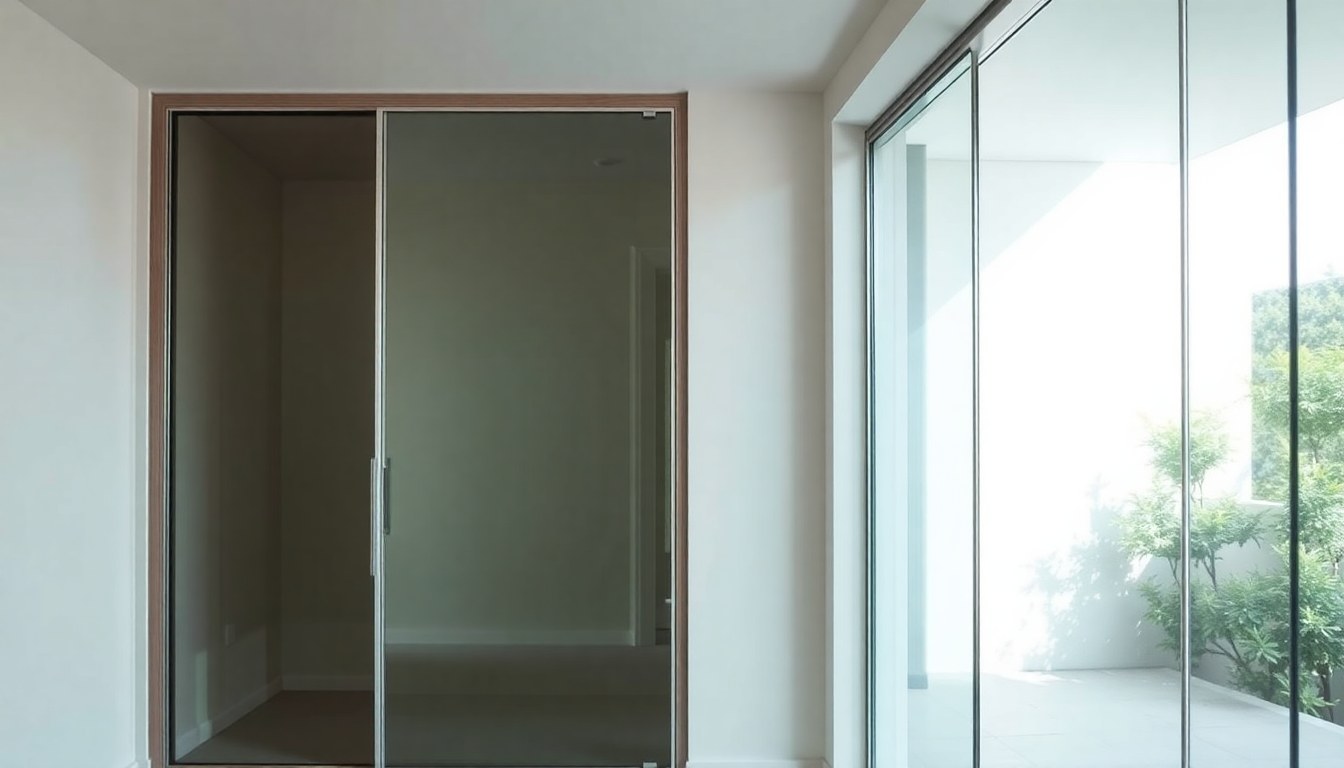
Glass wardrobe doors have become a hallmark of modern Indian homes, offering an elegant way to maximize space while adding a touch of sophistication to bedrooms. The secret to their smooth, effortless operation lies in the track system you choose. Whether you're renovating your Mumbai apartment or building a new home in Bangalore, understanding the difference between top-hung and bottom-rolling track systems will help you make an informed decision that balances aesthetics, functionality, and budget.
Understanding Top-Hung Track Systems
Top-hung track systems suspend glass wardrobe doors from an overhead rail, allowing them to glide smoothly without any floor track. This design has gained immense popularity in contemporary Indian interiors, particularly in homes where seamless flooring is a priority. The doors hang from roller carriages mounted on the top rail, with small guide pins at the bottom to prevent swinging.
The primary advantage of top-hung systems is their clean floor profile. Without a bottom track, there's no threshold to step over, making them ideal for elderly family members or homes with young children. They also eliminate the common problem of dirt and debris accumulating in floor tracks, which is particularly relevant in Indian homes where dust management is an ongoing challenge.
Top-hung systems typically support glass panels ranging from 8mm to 12mm thickness and can handle weights up to 80-100 kg per door panel, depending on the quality of the hardware. Premium systems from brands like Hafele and Hettich can accommodate even heavier configurations, making them suitable for large wardrobe installations in master bedrooms.
Bottom-Rolling Track Systems Explained
Bottom-rolling systems are the traditional choice for glass wardrobe doors, featuring a floor-mounted track with wheels or rollers attached to the bottom of each door panel. The top of the door is guided by a light rail that prevents tilting and ensures smooth operation. This configuration has been the standard in Indian homes for decades and remains popular due to its reliability and cost-effectiveness.
The main strength of bottom-rolling systems is their superior weight capacity. Because the weight rests directly on the floor track rather than hanging from above, these systems can handle heavier glass panels and larger door configurations. They're particularly suitable for wardrobes with three or more sliding panels, where the cumulative weight might challenge a top-hung system.
However, the floor track does create a small threshold that requires regular cleaning. In Indian households, especially those in cities like Delhi or Pune where dust is prevalent, this track can accumulate dirt quickly. The good news is that modern bottom-rolling tracks are designed with easy-clean profiles that minimize maintenance hassles.
Soft-Close Mechanisms and Dampening Technology
Soft-close mechanisms have revolutionized glass wardrobe door systems, transforming what was once a potential safety hazard into a premium feature. These dampening systems use hydraulic or mechanical technology to slow down the door in the last few centimeters of travel, preventing harsh impacts that could damage the glass or disturb the household during early morning or late-night use.
For top-hung systems, soft-close mechanisms are typically integrated into the roller carriages at the top rail. When the door approaches the closed position, the dampener engages automatically, creating a gentle, controlled stop. This feature is particularly valuable in Indian homes where multiple family members share spaces, as it significantly reduces noise and extends the life of the hardware.
Bottom-rolling systems incorporate soft-close technology either in the floor track or through specialized roller assemblies. The cost difference for adding soft-close functionality ranges from ₹2,000 to ₹5,000 per door panel, depending on the brand and quality. While this represents a significant investment, most homeowners find the enhanced user experience well worth the additional expense.
Benefits of Soft-Close Technology
- Prevents glass damage from forceful closing, extending the lifespan of your wardrobe doors
- Reduces noise levels, crucial for apartments with shared walls or homes with young children
- Minimizes wear on hardware components, reducing long-term maintenance costs
- Adds a premium feel to your wardrobe, increasing overall home value
- Improves safety by eliminating the risk of fingers getting caught in quickly closing doors
Track Materials and Durability Considerations
The material composition of your track system directly impacts its longevity and performance. Aluminum tracks are the most common choice in India, offering an excellent balance of strength, weight, and corrosion resistance. High-grade aluminum alloys with anodized or powder-coated finishes can withstand the humid conditions of coastal cities like Chennai or Kolkata without degrading.
Stainless steel tracks represent the premium option, particularly for luxury homes and high-end projects. While they cost 40-60% more than aluminum alternatives, stainless steel tracks offer superior durability and can support heavier glass panels. They're especially recommended for large wardrobe installations where doors exceed 2.5 meters in height or where the system will see heavy daily use from multiple family members.
The roller or wheel components deserve equal attention. Quality systems use ball-bearing rollers made from nylon or polyurethane, materials that provide smooth operation while resisting wear. Cheaper systems may use plain plastic wheels that work initially but tend to flatten or crack within a year or two, especially under the weight of 10mm or 12mm glass panels common in Indian wardrobes.
Installation Methods and Requirements
Installing a top-hung track system requires a structurally sound ceiling or wall header capable of supporting the cumulative weight of all door panels. In modern Indian construction, this typically means securing the track to a concrete beam or using heavy-duty anchors rated for the expected load. The installation process involves precise measurements to ensure the track is perfectly level, as even minor deviations can cause doors to slide open or closed on their own.
Professional installation for a standard two-door wardrobe with top-hung system typically costs between ₹3,000 and ₹6,000 in major Indian cities, depending on complexity and accessibility. The installer will need to drill into the ceiling, fit the track, hang the doors, and adjust the roller mechanisms for smooth operation. The entire process usually takes 3-4 hours for a straightforward installation.
Bottom-rolling systems are generally more forgiving during installation since the floor provides a stable base. The floor track must be secured with appropriate fasteners, and the top guide rail positioned accurately to prevent binding. DIY installation is more feasible with bottom-rolling systems, though professional installation is still recommended for glass doors to ensure proper handling and adjustment. Installation costs for bottom-rolling systems typically run ₹2,000 to ₹4,500 for comparable configurations.
Pre-Installation Checklist
- Verify that your ceiling or floor can support the chosen track system's weight requirements
- Ensure the wardrobe opening is perfectly square and plumb to prevent binding issues
- Confirm that glass panels are cut to precise dimensions with polished edges
- Check that all hardware components are included and compatible with your glass thickness
- Plan for adequate clearance on both sides if doors will stack when opened
Maintenance Requirements and Long-Term Care
Regular maintenance is essential for keeping glass wardrobe sliding doors operating smoothly for years. Top-hung systems require periodic inspection of the roller carriages and track for wear or debris accumulation. Every six months, clean the top track with a dry cloth and apply a small amount of silicone-based lubricant to the rollers. Avoid oil-based lubricants as they attract dust and can create sticky residue.
Bottom-rolling systems demand more frequent attention to the floor track, which should be vacuumed or wiped clean weekly to prevent dirt buildup that can impede smooth operation. The wheels should be inspected quarterly for signs of wear, flat spots, or cracks. In Indian homes, especially those in high-dust environments, this regular cleaning routine is crucial for maintaining performance.
Both systems benefit from annual professional servicing, which typically costs ₹800 to ₹1,500 and includes thorough cleaning, lubrication, adjustment of roller tension, and inspection for any worn components. This preventive maintenance can extend the life of your track system by several years and prevent the need for costly repairs or replacements.
Cost Comparison and Budget Planning
Understanding the total cost of ownership helps you make an informed decision between top-hung and bottom-rolling systems. Entry-level bottom-rolling track systems for glass wardrobe doors start around ₹3,500 to ₹5,000 for a basic two-door setup without soft-close features. Mid-range options with better quality rollers and dampening mechanisms range from ₹8,000 to ₹12,000, while premium imported systems can exceed ₹20,000.
Top-hung systems generally command a 20-30% premium over comparable bottom-rolling options due to their more complex engineering and installation requirements. A basic top-hung system starts around ₹5,000 to ₹7,000, with mid-range options priced between ₹10,000 and ₹15,000. High-end top-hung systems with integrated soft-close and premium finishes can cost ₹25,000 or more for a two-door configuration.
When budgeting, factor in the cost of glass panels themselves, which typically run ₹350 to ₹600 per square foot for 10mm toughened glass with standard finishes. Frosted, tinted, or decorative glass options will increase this cost. Installation charges, as mentioned earlier, add another ₹2,000 to ₹6,000 depending on the system type and complexity. For a complete wardrobe with quality hardware and professional installation, budget between ₹25,000 and ₹50,000 for a standard two-door setup.
Frequently Asked Questions
Which track system is better for Indian homes: top-hung or bottom-rolling?
The choice depends on your specific needs and priorities. Top-hung systems are ideal if you want a clean floor profile, easier maintenance, and a more contemporary look, making them popular in modern apartments across Mumbai, Bangalore, and Delhi. Bottom-rolling systems are better if you need to support heavier glass panels, have budget constraints, or prefer the proven reliability of traditional designs. For most Indian homes with standard 8-10mm glass doors, either system will perform well when properly installed and maintained.
How much weight can glass wardrobe sliding door tracks support?
Bottom-rolling track systems typically support 100-150 kg per door panel, making them suitable for large, heavy glass configurations. Top-hung systems generally handle 60-100 kg per panel, though premium systems can support more. For reference, a 10mm toughened glass panel measuring 2.4 meters high by 1 meter wide weighs approximately 60 kg. Always verify the weight capacity of your chosen system against your actual door specifications to ensure safe, reliable operation.
Can I install glass wardrobe sliding door tracks myself or do I need a professional?
While experienced DIY enthusiasts can install bottom-rolling systems with careful attention to instructions, professional installation is strongly recommended for glass wardrobe doors due to safety concerns and the precision required. Glass panels are heavy, fragile, and potentially dangerous if mishandled. Professional installers have the tools, experience, and insurance to handle glass safely and ensure the track system is perfectly aligned for smooth operation. The installation cost of ₹2,000-6,000 is worthwhile insurance against damage or injury.
How often do glass wardrobe sliding door tracks need maintenance?
For optimal performance, clean bottom tracks weekly to remove dust and debris, especially in Indian cities with high pollution levels. Top-hung tracks need less frequent cleaning but should be wiped down monthly. Both systems benefit from lubrication of moving parts every six months and professional servicing annually. Regular maintenance prevents premature wear, ensures smooth operation, and can extend the life of your track system from the typical 5-7 years to 10 years or more.
What causes glass wardrobe doors to become difficult to slide and how can I fix it?
The most common cause is dirt accumulation in the track or on the rollers, which creates friction and resistance. Clean the tracks thoroughly and check for debris lodged in the roller mechanisms. Worn or damaged rollers are another frequent culprit and should be replaced promptly. Misalignment of the track, often caused by building settlement or loose mounting screws, can also create binding. Tighten all fasteners and verify the track is level. If problems persist after cleaning and adjustment, consult a professional to inspect for worn components or structural issues.
Choosing the right glass wardrobe door track system is an investment in your home's functionality and aesthetic appeal. Whether you opt for the modern elegance of top-hung systems or the proven reliability of bottom-rolling tracks, quality hardware and professional installation ensure years of smooth, silent operation. For help finding reputable glass suppliers and installation professionals in your area, explore the comprehensive directory at glassy.in, where you'll find verified vendors across India ready to bring your wardrobe vision to life.