
Interior Design
Reeded and Fluted Glass for Privacy: Design Trends and Light Diffusion
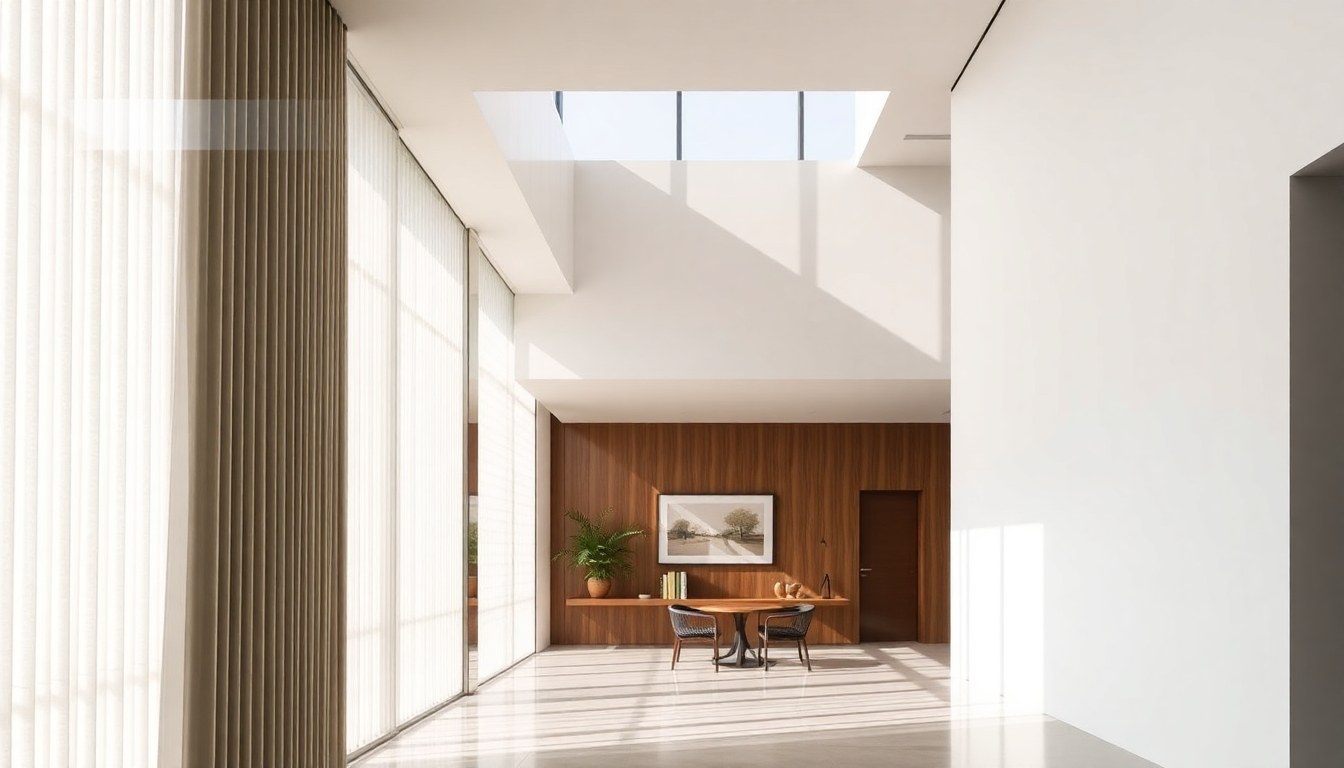
Reeded and fluted glass has emerged as a sophisticated solution for homeowners and designers seeking privacy without sacrificing natural light or aesthetic appeal. These textured glass patterns scatter light beautifully while obscuring direct sightlines, making them ideal for bathrooms, partition walls, and contemporary interiors across India. Whether you're renovating a Mumbai apartment or designing a Bangalore home office, understanding how these glass types work can help you make informed decisions for your space.
What Are Reeded and Fluted Glass?
Reeded glass features parallel, closely-spaced vertical ridges that run across the surface, while fluted glass has deeper, more pronounced grooves with a similar linear pattern. Both are textured glasses created during manufacturing by passing molten glass through specially designed rollers or by casting the molten material into textured molds. The ridges and grooves refract light in multiple directions, creating a soft, diffused illumination rather than clear transparency.
The primary difference lies in depth and visual impact. Reeded glass produces subtle, fine lines that maintain a more refined appearance, while fluted glass creates bolder, more dramatic grooves that offer stronger privacy and more pronounced light diffusion. Both options are available in various thicknesses, typically ranging from 4mm to 10mm, and can be tempered for enhanced safety and durability—an important consideration for Indian climates with temperature fluctuations.
Manufacturing Process
Modern reeded and fluted glass is produced through continuous casting or rolling processes where hot glass passes between textured rollers. This method ensures consistent pattern quality and allows manufacturers to control the depth and spacing of ridges. The glass can be tinted, frosted, or combined with other treatments before or after texturing, offering designers greater flexibility in achieving desired aesthetics.
Privacy Benefits and Light Diffusion Science
The primary appeal of reeded and fluted glass lies in its ability to balance two competing needs: privacy and natural light. The linear texture breaks up the direct line of sight, preventing people from seeing clearly through the glass while still allowing approximately 60–80% of ambient light to pass through, depending on the depth and spacing of the ridges.
Light diffusion occurs because the ridged surface scatters incoming light rays in multiple directions rather than allowing them to pass straight through. This scattering effect softens harsh sunlight, reduces glare, and creates a gentle, ambient glow inside spaces. For Indian homes with intense afternoon sun, particularly in cities like Delhi, Hyderabad, and Chennai, this diffusion property helps maintain comfortable indoor lighting while reducing the need for heavy curtains or blinds.
Privacy Levels Across Different Patterns
- Fine Reeded Glass: Provides moderate privacy; suitable for spaces where some light transmission and subtle visual separation are desired, such as office partitions or bathroom doors.
- Standard Fluted Glass: Offers strong privacy while maintaining good light flow; ideal for shower enclosures and bedroom windows in urban settings.
- Deep Fluted Glass: Delivers maximum privacy with minimal visibility; best for ground-floor bathrooms or spaces requiring complete visual obstruction.
- Combined Textured Patterns: Mixing reeded and frosted treatments creates custom privacy levels tailored to specific needs.
Modern Design Trends in Indian Interiors
Contemporary Indian interior design increasingly embraces textured glass as a statement element rather than a purely functional component. Architects and designers in metros like Bangalore, Pune, and Kolkata are incorporating reeded and fluted glass into minimalist and mid-century modern schemes, where the subtle play of light and shadow adds visual depth and sophistication.
Current trends include using fluted glass for full-height partition walls that separate open-plan living spaces while maintaining visual connection and light flow. In kitchens, reeded glass cabinet doors soften the appearance of stored items while keeping contents visible enough for functional access. Bathroom applications remain popular, with fluted glass shower screens and window panels creating spa-like atmospheres that feel luxurious yet practical.
Color and Finish Variations
Beyond clear textured glass, manufacturers now offer reeded and fluted options in soft tints such as grey, bronze, and blue-grey. These tinted versions are particularly popular in premium residential projects across India, where they complement contemporary color palettes and reduce solar heat gain. Frosted or satin finishes combined with fluting create additional layers of visual interest and can be customized to match specific interior themes.
Practical Applications in Indian Homes
Reeded and fluted glass serves multiple functions across different rooms in modern Indian residences. In bathrooms, fluted shower screens provide complete privacy while the light diffusion creates a bright, airy environment—a significant advantage in apartments where natural light is limited. For bedroom windows in densely populated areas, these glass types offer privacy from neighboring buildings without the heaviness of traditional curtains.
In commercial and residential office spaces, reeded glass partitions create visual separation between work areas while maintaining an open, connected feel. This is particularly valuable in Indian home offices and startup spaces where privacy and collaboration must coexist. Kitchen applications include cabinet inserts, window panels, and even backsplashes, where the textured surface adds tactile interest and conceals kitchen clutter while allowing light through.
Cost Considerations in India
Reeded glass typically costs between ₹800 to ₹1,500 per square meter depending on thickness and quality, while fluted glass ranges from ₹1,000 to ₹2,000 per square meter. Tempered versions command a premium of 20–40% due to enhanced safety and durability. Installation costs vary by region and complexity, but professional fitting typically adds ₹300 to ₹600 per square meter. Comparing these costs to alternatives like frosted film (₹200–₹400 per square meter) or heavy curtaining solutions reveals that textured glass, while initially more expensive, offers superior longevity and aesthetic value.
Installation and Maintenance Tips
Professional installation is recommended for reeded and fluted glass, particularly for large panels or structural applications. The textured surface requires careful handling to avoid damage to the ridges, and proper framing ensures the glass performs optimally for both privacy and light diffusion. In Indian climates with monsoon seasons, ensuring proper sealing around glass edges prevents water infiltration and maintains structural integrity.
Maintenance is straightforward: regular cleaning with soft cloths and mild glass cleaner keeps the textured surface clear. The ridges can accumulate dust over time, so gentle brushing or compressed air cleaning monthly helps maintain optimal light transmission. Unlike curtains or blinds, reeded and fluted glass requires no mechanical maintenance or seasonal adjustments, making it ideal for busy households.
Durability and Climate Considerations
Tempered reeded and fluted glass is highly durable and suitable for all Indian climates. In coastal areas like Mumbai or Goa, ensure the glass is coated with protective treatments to resist salt spray corrosion. In hot, dry regions such as Rajasthan, the glass performs excellently without special treatment. The textured surface actually provides slight advantages in extreme heat, as the ridges help reduce thermal stress by allowing more even heat distribution across the glass surface.
Comparing Reeded and Fluted Glass to Alternatives
Several alternatives exist for achieving privacy with light diffusion, each with distinct advantages and limitations. Frosted glass offers similar privacy but provides less visual interest and can feel dated in modern spaces. Frosted film is budget-friendly but lacks durability and must be replaced every 5–7 years. Privacy glass with embedded patterns offers creative designs but typically costs more and may not provide the same elegant light-diffusing effect.
Compared to traditional solutions like heavy drapes, roller blinds, or shutters, reeded and fluted glass provides permanent privacy without daily operation or maintenance. Unlike these alternatives, textured glass also contributes to the architectural character of a space rather than merely covering windows or openings. For Indian homeowners prioritizing both function and design, textured glass represents a superior long-term investment.
Frequently Asked Questions
Can reeded and fluted glass be used for exterior windows and doors?
Yes, both reeded and fluted glass can be used externally when properly tempered and installed with appropriate framing. Tempered versions are impact-resistant and safe for exterior applications. However, ensure the glass is sealed properly to prevent water infiltration in monsoon-prone regions of India. For extreme weather areas, combining textured glass with laminated safety layers provides additional protection.
Does fluted glass reduce heat and UV rays effectively?
Textured glass alone does not significantly reduce heat transmission compared to standard clear glass. However, when combined with low-emissivity (Low-E) coatings or tinted treatments, reeded and fluted glass can reduce solar heat gain by 20–30%. For maximum thermal efficiency in Indian homes, specify tinted or coated versions designed for energy conservation, particularly in south-facing windows.
Is reeded glass more expensive than frosted glass?
Reeded glass typically costs 15–25% more than standard frosted glass, ranging from ₹800 to ₹1,500 per square meter. However, the price difference is justified by superior aesthetics, better light diffusion properties, and longer lifespan. When factoring in replacement costs for frosted film alternatives every 5–7 years, textured glass becomes more economical over 15–20 years.
Can textured glass be cut or customized after manufacturing?
Reeded and fluted glass should be cut to size before the texturing process for best results. Cutting after texturing can damage the ridge pattern and compromise the aesthetic quality. Always order textured glass pre-cut to your exact specifications from reputable suppliers. Customization is possible through manufacturers but requires advance planning and typically involves minimum order quantities.
Which is better for bathrooms: reeded or fluted glass?
Fluted glass is generally preferred for bathrooms due to its stronger privacy capabilities and more dramatic light diffusion, which creates a spa-like ambiance. Reeded glass works well for bathroom windows where some visibility is acceptable and a more subtle appearance is desired. For shower enclosures, standard or deep fluted glass provides optimal privacy while maintaining the brightness and openness essential in bathroom design.
Transform Your Space with Textured Glass Solutions
Reeded and fluted glass represents a sophisticated, practical choice for modern Indian homes and commercial spaces seeking privacy without sacrificing natural light or design aesthetics. Whether you're planning a bathroom renovation in Bangalore, a home office partition in Mumbai, or a contemporary kitchen redesign in Delhi, these textured glass options deliver both functional benefits and visual elegance. Explore the extensive range of reeded and fluted glass products available through the glassy.in directory to connect with trusted suppliers and manufacturers across India who can help bring your design vision to life.