
Buying Guides
Tinted Glass for Commercial Shopfronts: UV Protection & Branding
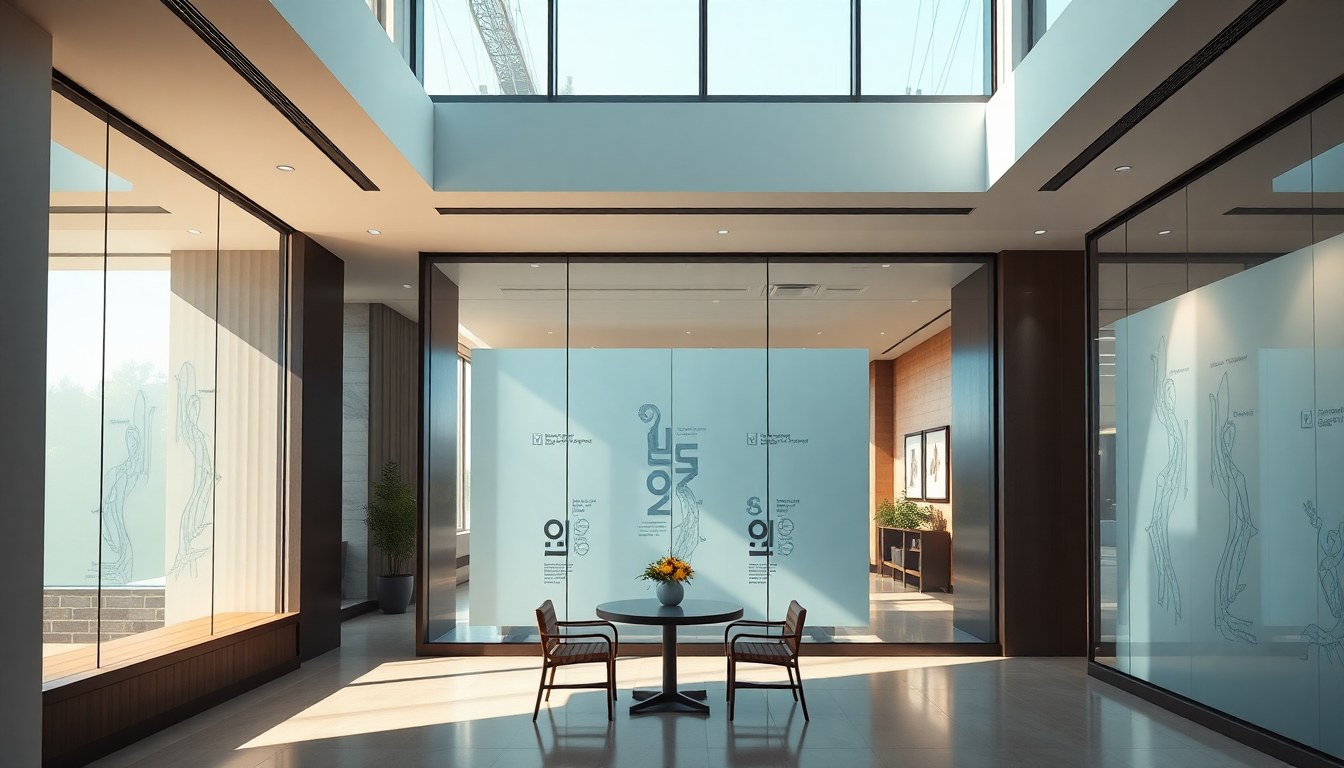
Your retail storefront is the first impression customers have of your brand—and the sun is working against you. Tinted glass for commercial shopfronts offers a powerful solution that protects merchandise from harmful UV rays, enhances your brand identity, and reduces cooling costs. Whether you run a boutique in Mumbai, a jewelry store in Delhi, or a fashion outlet in Bangalore, the right tinted glass can transform how your store looks and performs.
Why UV Protection Matters for Retail Storefronts
Ultraviolet (UV) radiation is invisible but devastating for retail merchandise. Products displayed behind standard clear glass fade, discolor, and deteriorate over time. Textiles lose vibrancy, leather goods crack, cosmetics separate, and artwork becomes dull—all while sitting in your window. This fading doesn't just affect aesthetics; it directly impacts your ability to sell premium goods at premium prices.
UV rays also damage the interior of your store. Carpets, furniture, and display fixtures fade and wear faster when exposed to direct sunlight. The cumulative effect is a storefront that looks tired and neglected, even if you maintain it meticulously. Tinted glass blocks 99% of harmful UV-A and UV-B rays, preserving your merchandise and interior finishes for years longer.
The Cost of Fading Without UV Protection
- Merchandise replacement costs increase by 15-30% annually in high-sun retail locations
- Customer perception suffers when products appear worn or discolored
- Premium brands lose value if displayed in faded condition
- Frequent redecorating and refurbishment strain budgets
How Tinted Glass Enhances Brand Visibility and Aesthetics
Tinted glass isn't just functional—it's a branding tool. The right tint color communicates your brand personality instantly. A subtle bronze tint conveys warmth and luxury, perfect for jewelry or high-end fashion. Gray tint projects sophistication and modernity, ideal for tech stores or contemporary boutiques. Green tint suggests sustainability and wellness, popular with organic and eco-conscious brands. Your storefront becomes a visual extension of your brand identity.
Tinted glass also improves visibility into your store. Contrary to common misconception, good-quality tinted glass reduces glare and reflections, making it easier for passersby to see your displays clearly. This increased visibility translates to higher foot traffic and more window-shopping conversions. The glass acts as a subtle filter that highlights your merchandise while maintaining privacy for customers inside.
Popular Tint Colors and Their Brand Applications
- Bronze/Amber Tint: Luxury goods, jewelry, premium fashion, high-end restaurants
- Gray/Smoke Tint: Modern retail, electronics, contemporary fashion, corporate offices
- Green Tint: Wellness brands, organic stores, eco-friendly products, health clinics
- Blue Tint: Tech companies, modern fashion, premium beverages, contemporary design
- Rose/Pink Tint: Beauty products, cosmetics, lifestyle brands, luxury retail
Energy Efficiency and Cost Savings
Tinted glass reduces solar heat gain, lowering your air-conditioning load significantly. In India's hot climate, this translates to tangible monthly savings on electricity bills. A well-tinted storefront can reduce cooling costs by 20-35%, depending on the tint darkness and your location. For a medium-sized retail space in Delhi or Hyderabad, this can mean savings of ₹5,000 to ₹15,000 annually.
The energy savings accumulate over time. If your tinted glass installation costs ₹50,000 to ₹1,50,000 (depending on area and tint type), you recover that investment in 3-5 years through reduced energy bills. After that, it's pure savings—plus the added benefit of protected merchandise and enhanced brand appeal.
Calculating Your Potential Savings
To estimate your energy savings, calculate your current monthly cooling costs and reduce by 20-35%. For example, if your air-conditioning bill is ₹10,000 monthly, tinted glass could save you ₹2,000 to ₹3,500 per month, or ₹24,000 to ₹42,000 annually. These numbers vary based on climate, store size, existing insulation, and tint percentage.
Types of Tinted Glass for Commercial Use
Not all tinted glass is created equal. Understanding the options helps you choose the right product for your specific needs and budget.
Dyed Tinted Glass
Dye is mixed into the glass during manufacturing, creating color throughout the material. This is the most affordable option, typically costing ₹400-₹800 per square meter. However, dyed glass provides moderate UV protection (around 70-80%) and can fade over time, especially in very sunny locations. It's suitable for secondary displays or stores in moderate-sun areas.
Reflective Tinted Glass
A metallic coating is applied to the glass surface, creating a mirror-like appearance. This type blocks 85-95% of UV rays and offers superior heat rejection. Cost ranges from ₹800-₹1,500 per square meter. Reflective glass is excellent for storefronts in high-heat zones like Rajasthan or coastal areas. The trade-off is reduced visibility into the store from outside, which can deter window shoppers.
Low-Emissivity (Low-E) Tinted Glass
This premium option has a special coating that blocks UV and infrared radiation while maintaining excellent visibility. It provides 99% UV protection and 60-70% heat rejection. Cost is higher at ₹1,200-₹2,500 per square meter, but it offers the best balance of visibility, protection, and energy efficiency. Ideal for luxury retail in high-traffic areas like Connaught Place, Delhi or Fort, Mumbai.
Laminated Tinted Glass
Multiple glass layers are bonded together with a tinted interlayer. This provides excellent UV protection, sound insulation, and security (the layers hold together if broken). Cost ranges from ₹1,000-₹2,000 per square meter. Laminated tinted glass is perfect for high-value retail, jewelry stores, and locations with security concerns.
Choosing the Right Tint Level for Your Store
Tint darkness is measured as Visible Light Transmittance (VLT)—the percentage of visible light that passes through the glass. Higher VLT means lighter tint and better visibility; lower VLT means darker tint and more privacy.
- 70-80% VLT (Very Light Tint): Minimal color, subtle UV protection, best for maintaining maximum visibility. Suitable for stores where window shopping is critical.
- 50-70% VLT (Light to Medium Tint): Noticeable color, good UV protection, balanced visibility. Most common choice for retail storefronts.
- 30-50% VLT (Medium to Dark Tint): Strong color statement, excellent UV protection, reduced visibility. Best for luxury brands wanting privacy and drama.
- Below 30% VLT (Very Dark Tint): Maximum privacy and protection, but significantly reduced visibility into store. Use sparingly for specific brand positioning.
For most Indian retail locations, 50-70% VLT is the sweet spot. It provides strong UV protection, maintains good visibility for window shopping, and creates a distinctive brand appearance without being so dark that customers hesitate to enter.
Installation and Maintenance Considerations
Professional installation is crucial for tinted glass shopfronts. Poor installation leads to bubbles, peeling, and uneven color—damaging your brand image. Always hire certified installers with experience in commercial applications. In India, expect installation costs of ₹100-₹300 per square meter, depending on complexity and location.
Maintenance is straightforward. Clean tinted glass with mild soap and water, using soft cloths to avoid scratching. Avoid abrasive cleaners or harsh chemicals that can damage the tint coating. Quality tinted glass lasts 10-15 years with minimal care, making it a long-term investment in your storefront's appearance and functionality.
Frequently Asked Questions
Does tinted glass reduce visibility into my store at night?
No, not significantly. Tinted glass appears darker during the day when external light is bright, but at night when your interior lighting is on, visibility is nearly normal. In fact, your illuminated displays often look more attractive through tinted glass, as the tint creates a frame effect that draws attention to your merchandise.
Can tinted glass be applied to existing storefronts?
Yes. Tinted films can be applied to existing clear glass as a cost-effective alternative to replacing entire glass panels. Film application costs ₹300-₹600 per square meter and takes 1-2 days. However, for long-term durability and best results, replacing glass with factory-tinted options is preferable.
Is tinted glass more expensive than clear glass?
Yes, tinted glass costs 30-150% more than clear glass, depending on the type. However, the investment pays for itself through energy savings, reduced merchandise replacement costs, and enhanced brand appeal within 3-5 years. For retail businesses, it's a smart long-term investment.
Will tinted glass affect my store's interior lighting needs?
Tinted glass reduces natural light penetration by 20-50%, depending on tint darkness. You may need slightly enhanced interior lighting, but this is minimal. The energy savings from reduced air-conditioning typically offset any increased lighting costs.
What's the difference between tinted glass and frosted glass for storefronts?
Tinted glass maintains visibility while adding color and UV protection. Frosted glass obscures visibility completely, offering privacy but eliminating window shopping. For retail storefronts, tinted glass is superior because it showcases merchandise while providing protection and branding benefits.
Transform Your Storefront Today
Tinted glass for commercial shopfronts is a practical, cost-effective solution that protects your merchandise, reduces operating costs, and strengthens your brand identity. Whether you're in Kolkata, Chennai, Pune, or any other Indian city, the right tinted glass can elevate your retail space from ordinary to exceptional. Ready to find the perfect tinted glass supplier for your storefront? Explore verified glass manufacturers and installers on the glassy.in directory to compare options, get quotes, and connect with industry experts who understand your local market.