
Buying Guides
Tinted Glass for Retail Shopfronts: Solar Heat Rejection & Brand Visibility
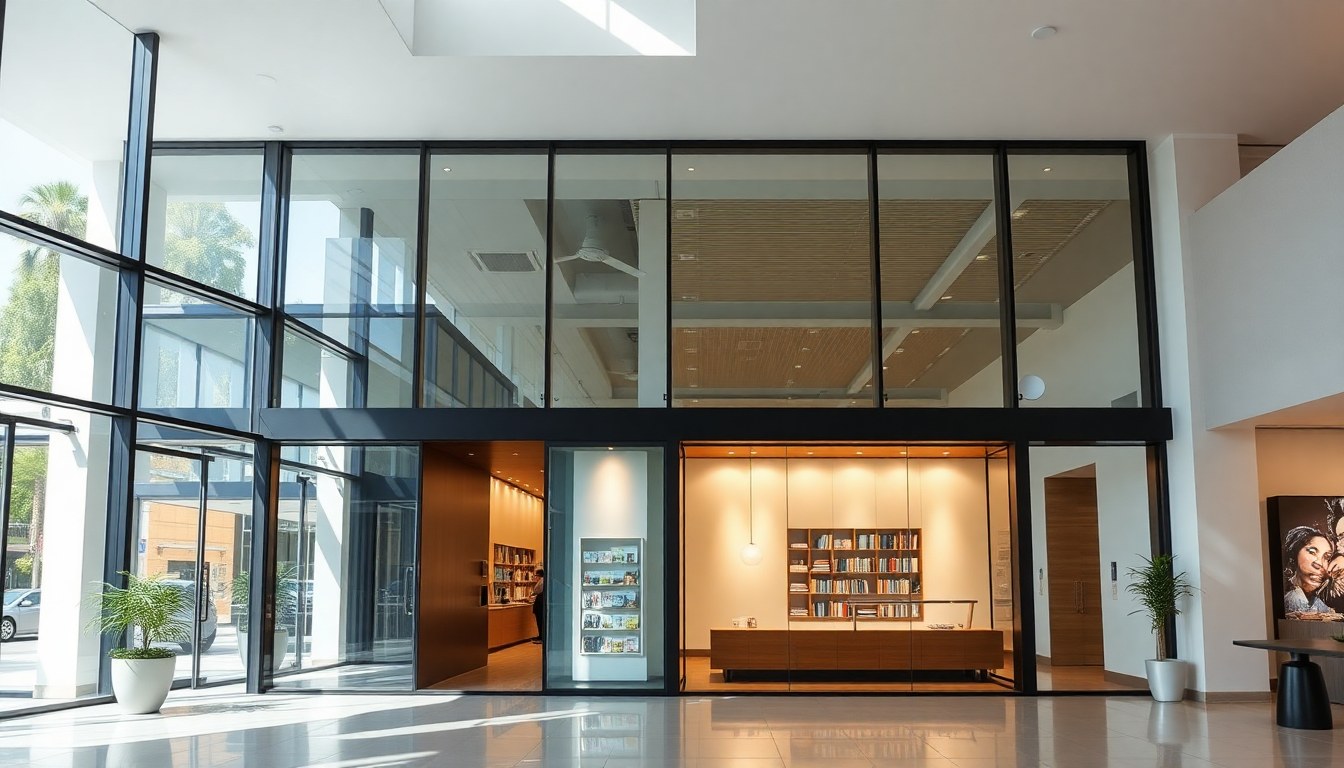
Retail shopfronts face a constant challenge: controlling solar heat and glare while keeping merchandise visible and your brand identity strong. Tinted glass offers a practical solution that reduces cooling costs, protects products from UV damage, and creates a distinctive storefront aesthetic. This guide walks you through the science of solar heat rejection, the visual impact of different tint colours, and real-world cost comparisons to help you select the right tinted glass for your retail space.
Understanding Solar Heat Rejection in Tinted Glass
Solar heat rejection refers to a glass's ability to block infrared radiation and reduce the amount of heat that enters your store. This is measured by the Solar Heat Gain Coefficient (SHGC), where lower values indicate better heat rejection. Tinted glass works by absorbing solar energy in its mass and reflecting some back outward, reducing the thermal load on your air-conditioning system.
For retail environments, solar heat rejection directly impacts operating costs. A shopfront facing west or south receives intense afternoon sun, driving indoor temperatures up significantly. By installing tinted glass with an SHGC of 0.35 or lower, retailers typically see 15–25% reductions in cooling energy consumption during peak summer months. This translates to tangible savings on electricity bills, particularly important in high-temperature Indian cities like Delhi, Mumbai, Bangalore, and Chennai.
Beyond cost savings, heat rejection protects merchandise. Textiles, cosmetics, chocolates, and other temperature-sensitive products degrade faster under constant UV and thermal exposure. Tinted glass blocks 99% of UV rays, extending product shelf life and maintaining brand quality standards.
Comparing Tint Colours: Bronze, Green, and Grey
Bronze Tint
Bronze tint is the most popular choice for retail shopfronts across India. It provides a warm, inviting aesthetic that enhances product visibility while delivering excellent solar control. Bronze glass typically achieves an SHGC of 0.40–0.45 and blocks 50–65% of solar energy.
The warm tone of bronze tint creates a premium feel, making it ideal for jewellery stores, fashion boutiques, and high-end retail chains. Product colours appear natural and vibrant when viewed through bronze glass, ensuring customers see merchandise accurately. Bronze also photographs well, improving your storefront's appeal in digital marketing and social media.
Green Tint
Green tint offers slightly better heat rejection than bronze, with SHGC values around 0.35–0.42. It provides a sophisticated, modern appearance and is favoured by upscale retail brands and flagship stores. Green tint imparts a subtle coolness to the storefront while maintaining good product visibility.
Green tinted glass works particularly well for stores selling electronics, home appliances, and contemporary fashion. The tint does not significantly distort colour perception, though some products (especially reds and oranges) may appear slightly muted. Green tint is increasingly popular in metro areas where retailers seek a contemporary, eco-conscious brand image.
Grey Tint
Grey tint provides the most neutral appearance, with minimal colour distortion of displayed products. It achieves SHGC values of 0.38–0.44 and blocks 45–60% of solar heat. Grey is ideal for retailers who want heat control without altering the visual appearance of their merchandise.
Grey tint is commonly chosen by grocery stores, pharmacies, and general retail outlets where accurate colour representation is critical. It projects a clean, professional image without the warmth of bronze or the modern edge of green. However, grey tint offers less distinctive branding impact compared to warmer or cooler tones.
Product Visibility and Brand Aesthetics
The choice of tint directly influences how customers perceive your brand and products from the street. A storefront is your first sales opportunity—it must attract attention while allowing passersby to see what you're selling.
Tinted glass reduces the contrast between interior and exterior lighting, which minimizes glare and makes it easier for customers to view displays. During daytime, tinted glass reduces interior brightness, which can actually improve product visibility by reducing reflection on display windows. At night, when interior lights are on, tinted glass creates a warm, inviting glow that draws customers in.
Consider your product category when selecting tint colour. Jewellery and luxury goods benefit from bronze tint's warm, sophisticated appearance. Electronics and modern fashion favour green or grey for a contemporary look. Supermarkets and convenience stores often choose grey to maintain neutral colour representation. Consulting with experienced glass dealers like City Glass Palace and Aluminium Fabrication can help you visualize how different tints will affect your specific merchandise.
Cost Comparison and Budgeting
Tinted glass pricing varies based on thickness, tint colour, and whether you opt for standard tinted or high-performance coated glass. Here's a realistic breakdown for Indian retailers:
- Standard Tinted Glass (6mm): ₹350–₹550 per square meter. Bronze, green, and grey are equally priced at this level. This is suitable for most retail applications and offers good value.
- High-Performance Tinted Glass (6mm): ₹800–₹1,400 per square meter. These include reflective coatings or advanced solar-control technology, offering SHGC values below 0.35. Ideal for high-traffic retail in extreme climates.
- Laminated Tinted Glass (6+6mm): ₹900–₹1,600 per square meter. Adds safety and security benefits, important for jewellery stores and high-value retail.
- Tempered Tinted Glass (6mm): ₹600–₹950 per square meter. Adds strength and safety; recommended for ground-floor shopfronts in busy commercial areas.
A typical 10-square-meter shopfront using standard bronze tinted glass costs ₹3,500–₹5,500 for materials. Installation labour adds ₹2,000–₹4,000 depending on local rates and complexity. High-performance options for the same space run ₹8,000–₹14,000 plus installation.
Return on investment (ROI) comes from reduced cooling costs. In warm climates, tinted glass pays for itself within 3–5 years through energy savings alone. Add the benefit of extended product shelf life and improved customer experience, and the financial case becomes compelling.
Installation Considerations and Maintenance
Proper installation is critical for maximizing the performance of tinted glass. The glass must be sealed airtight to prevent moisture ingress and ensure thermal efficiency. Structural support must be adequate—tinted glass is heavier than clear glass and requires reinforced framing.
Work with experienced installers who understand local building codes and weather conditions. In monsoon-prone regions, ensure proper drainage and weatherproofing. In high-wind areas, consider tempered or laminated tinted glass for added safety.
Maintenance is straightforward. Clean tinted glass with mild soap and water, using soft cloths to avoid scratching. Avoid abrasive cleaners or harsh chemicals that can damage the tint coating. Regular cleaning every 2–4 weeks keeps your shopfront looking professional and maximizes light transmission.
If you're planning a shopfront renovation, architects and interior designers like JK Modern Kitchen & Interior Designing can help integrate tinted glass into your overall aesthetic while ensuring structural integrity.
Frequently Asked Questions
Which tint colour rejects the most solar heat?
Green tint typically offers the best solar heat rejection, with SHGC values around 0.35–0.42. However, the difference between bronze, green, and grey is relatively small (5–10%). Your choice should balance heat performance with brand aesthetics and product visibility. High-performance coated tints, regardless of colour, consistently outperform standard tinted glass.
Will tinted glass make my store look dark inside?
No. While tinted glass reduces exterior brightness and glare, it does not significantly darken your interior if you maintain adequate indoor lighting. In fact, reduced glare often improves the visibility of display items. At night, interior lights create a warm, welcoming glow through tinted glass that attracts customers. Test samples during different times of day before committing to a full installation.
Is tinted glass suitable for all retail categories?
Tinted glass works well for most retail applications. However, stores selling colour-sensitive products (like paint, fabric, or cosmetics) should carefully select tint colour to ensure products appear accurately. Grey tint minimizes colour distortion. Jewellery and luxury brands benefit from bronze tint's warm appearance. Consult with glass specialists and view samples in your specific lighting conditions.
How long does tinted glass last?
Quality tinted glass lasts 20–30 years or more with proper installation and maintenance. The tint does not fade under normal circumstances. Laminated and tempered variants may need replacement if damaged, but the tint itself remains stable. Regular cleaning and avoiding thermal stress (sudden temperature changes) extend lifespan.
Can tinted glass be applied to existing shopfronts?
Yes, tinted glass can replace existing clear glass in most shopfronts. However, structural modifications may be needed if your current framing cannot support the weight of tinted glass. Professional assessment is essential. Dealers like Baby Associates offer consultation and can advise on retrofitting your existing storefront.
Conclusion and Next Steps
Tinted glass is a smart investment for retail shopfronts, delivering measurable benefits in energy efficiency, product protection, and brand presentation. Bronze tint suits warm, premium aesthetics; green tint appeals to modern, upscale brands; grey tint maintains neutral product visibility. Costs range from ₹350 per square meter for standard glass to ₹1,400+ for high-performance options, with ROI achievable within 3–5 years through energy savings.
Ready to upgrade your shopfront? Visit glassy.in, India's largest glass-business directory, to connect with verified glass dealers, architects, and installation specialists in your city. Browse local suppliers, compare quotes, and read reviews from other retailers who have successfully installed tinted glass solutions. Your ideal shopfront transformation is just a few clicks away.