
Glass Guides
Tinted Glass for Offices: UV Protection, Heat Reduction & Color Options Explained
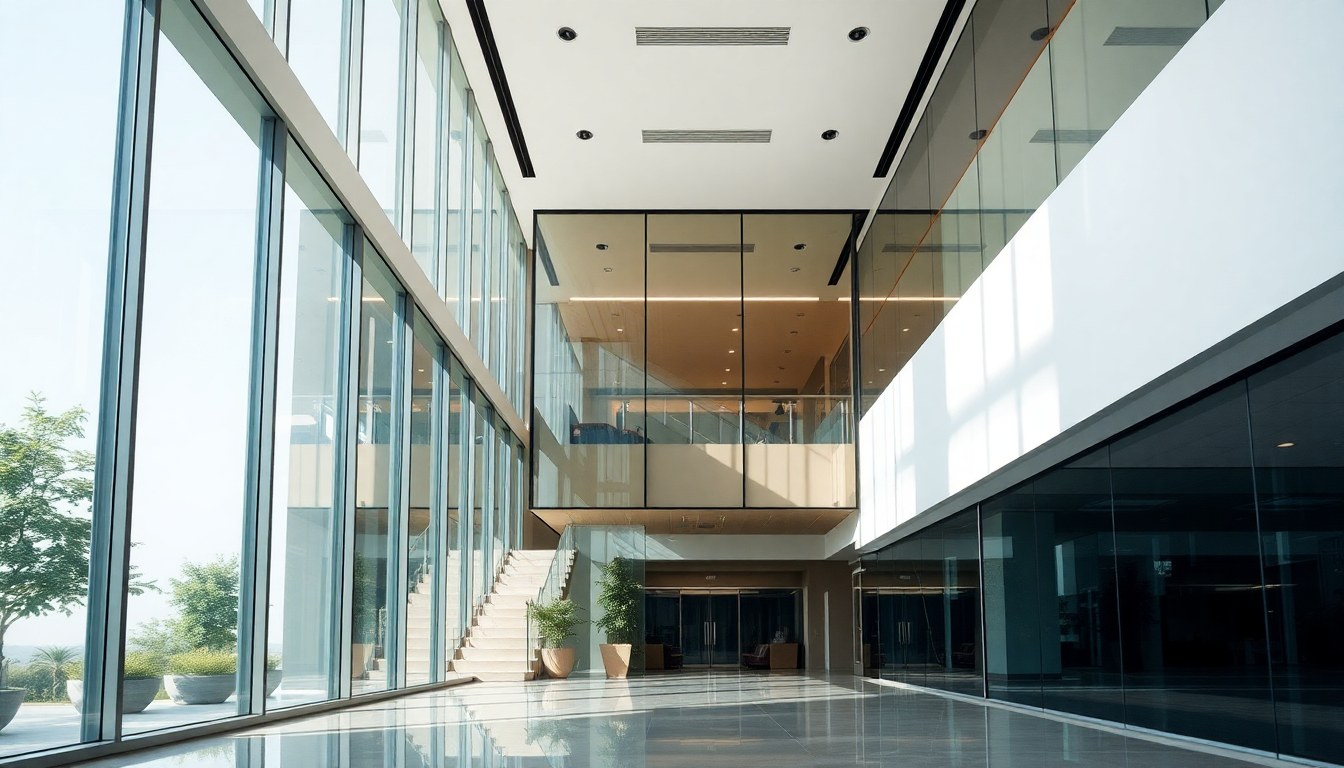
Office buildings in India lose significant energy to solar heat gain through untreated windows, driving up cooling costs by 20–40%. Tinted glass offers a proven solution: it reduces solar heat transmission, protects occupants from harmful UV rays, and enhances visual comfort—all while maintaining natural light. This guide explains how bronze, grey, and green tinted glass work, their energy-saving potential in Bangalore's climate, and how to choose the right option for your workspace.
How Tinted Glass Works: The Science Behind Heat Reduction
Tinted glass contains metal oxides (iron, cobalt, chromium) embedded in the glass matrix during manufacturing. These oxides absorb solar radiation across the visible and infrared spectrum, converting it into heat that is then re-radiated outward or inward depending on the glass coating and orientation.
The key performance metric is the Solar Heat Gain Coefficient (SHGC). Standard clear glass has an SHGC of 0.86, meaning 86% of solar heat passes through. Quality tinted glass reduces this to 0.35–0.55, depending on tint depth and type. In practical terms, a south-facing office window with tinted glass will feel noticeably cooler and require less air conditioning.
UV Protection Benefits
Tinted glass blocks 99% of UVA and UVB radiation, protecting skin and preventing fading of office furniture, artwork, and documents. This is especially valuable in India, where UV index levels are consistently high year-round. Employees working near windows experience reduced eye strain and lower skin cancer risk—measurable benefits for long-term occupant health.
Bronze Tinted Glass: Warmth, Glare Control & Aesthetic Appeal
Bronze tint is the most popular choice for Indian offices. It imparts a warm, professional appearance while delivering strong solar control. The amber-brown hue reduces glare significantly, making it ideal for spaces with computer workstations or presentation areas.
Performance Characteristics
- SHGC: 0.40–0.50 (reduces solar heat by 40–50%)
- Light Transmission: 50–65% (maintains good daylighting)
- UV Rejection: 99%
- Colour Perception: Warm, slightly yellowed outdoor view
Bronze glass is particularly effective in Bangalore's climate, where afternoon sun intensity peaks between 11 AM and 4 PM. A typical office with 30% window-to-wall ratio can reduce cooling load by 25–30% using bronze tint, translating to ₹8,000–₹15,000 annual savings on a 5,000 sq. ft. floor plate.
Best Use Cases
Bronze works well in client-facing areas, conference rooms, and open-plan offices where aesthetic consistency matters. Its warm tone creates a welcoming environment while maintaining professional appearance. It pairs well with modern aluminium framing systems—suppliers like CITY GLASS PALACE AND ALUMINIUM FABRICATION stock bronze tint in various thicknesses (6mm, 8mm, 10mm) suitable for partition and window applications.
Grey Tinted Glass: Neutral Aesthetics & Balanced Performance
Grey tint offers maximum neutrality. It provides a true-to-nature outdoor view with minimal colour distortion, making it the preferred choice for design-conscious offices and spaces where colour accuracy matters (e.g., design studios, photography offices).
Performance Characteristics
- SHGC: 0.35–0.45 (reduces solar heat by 55–65%)
- Light Transmission: 45–60%
- UV Rejection: 99%
- Colour Perception: Neutral, slightly darkened outdoor view
Grey tint typically performs better than bronze in terms of heat reduction, especially in darker grades. However, it transmits slightly less visible light, which may require supplementary artificial lighting in interior zones. For corner offices with abundant south and west exposure, grey tint can reduce cooling energy by 30–45%.
Energy Savings in Bangalore Climate
Bangalore's average outdoor temperature peaks at 28–32°C during April–May. A south-facing office with grey-tinted glass (8mm, SHGC 0.40) experiences approximately 35–40% reduction in solar heat gain compared to clear glass. Over a year, this translates to:
- Reduced AC runtime: 800–1,200 hours annually
- Energy savings: 12,000–18,000 kWh per 5,000 sq. ft. floor (assuming 15–20 W/sq. ft. cooling load)
- Cost savings: ₹1,20,000–₹1,80,000 annually at ₹10 per kWh
These figures assume standard office occupancy (9 AM–6 PM, 5 days/week) and modern HVAC systems. Actual savings vary based on building orientation, shading, and existing insulation.
Green Tinted Glass: Environmental Appeal & Soft Light
Green tint is less common than bronze or grey but offers unique advantages. It creates a calming, biophilic aesthetic—studies suggest green environments reduce stress and boost productivity. Green glass also delivers strong solar control while maintaining good light transmission.
Performance Characteristics
- SHGC: 0.38–0.48 (reduces solar heat by 45–50%)
- Light Transmission: 50–70% (highest among tinted options)
- UV Rejection: 99%
- Colour Perception: Soft, greenish outdoor view
Green tint performs similarly to bronze in heat reduction but transmits more visible light, reducing the need for supplementary artificial lighting. This makes it particularly cost-effective in deep-plan offices or buildings with limited window exposure.
Psychological & Wellness Benefits
Biophilic design—incorporating natural elements into built environments—is gaining traction in Indian corporate offices. Green-tinted glass reinforces this trend by creating a visual connection to nature while maintaining thermal comfort. Employees report lower fatigue and improved focus in spaces with green-tinted windows. For wellness-focused companies, the premium cost of green tint (₹200–₹400 per sq. ft., vs. ₹150–₹300 for bronze) is often justified by productivity gains.
Tinted Glass for Office Partitions & Interior Applications
Tinted glass is not limited to exterior windows. Interior partitions, glass walls, and meeting room dividers benefit from tint for privacy, glare control, and aesthetic consistency. Laminated or tempered tinted glass provides safety and acoustic benefits when combined with interlayers.
Partition Specifications
For interior partitions, 8mm or 10mm tempered tinted glass is standard. Tempered glass is four times stronger than annealed glass and shatters into safe, blunt fragments if broken—critical for office safety compliance. Laminated tinted glass (6mm + 6mm with 0.76mm PVB interlayer) adds acoustic dampening, reducing sound transmission by 30–40 dB depending on configuration.
Interior designers and architects like Royal Kitchens and Interiors frequently specify tinted glass partitions to create visual hierarchy while maintaining an open-plan aesthetic. Tinted partitions also reduce glare from adjacent workstations, improving focus and reducing eye strain.
Cost, Installation & Maintenance Considerations
Tinted glass costs vary by colour, thickness, and treatment (tempered, laminated, coated). In India, typical pricing ranges from ₹150–₹500 per sq. ft. depending on specifications and supplier volume discounts.
Cost Breakdown (per sq. ft., approximate)
- 6mm bronze or grey tint: ₹150–₹250
- 8mm bronze or grey tint: ₹180–₹300
- 10mm bronze or grey tint: ₹220–₹350
- Green tint (any thickness): ₹200–₹400 (premium)
- Tempered tint (add): ₹50–₹100
- Laminated tint (add): ₹100–₹150
Installation costs typically range from ₹50–₹150 per sq. ft., depending on building height, access, and framing complexity. For a 5,000 sq. ft. office with 30% window-to-wall ratio (1,500 sq. ft. of glass), material and installation costs range from ₹3–₹7 lakhs. Given annual energy savings of ₹1–₹2 lakhs, payback periods are typically 2–5 years.
Maintenance
Tinted glass requires standard window cleaning—no special treatments needed. Clean with mild detergent and soft cloth quarterly to maintain clarity. Avoid abrasive cleaners that may scratch the surface. Tempered and laminated tinted glass are more durable than annealed tint and resist scratching better.
Choosing the Right Tint for Your Office: A Practical Guide
Selection depends on building orientation, occupant comfort preferences, aesthetic goals, and budget. Here's a decision framework:
- South or West Exposure: Prioritize heat reduction—choose grey (SHGC 0.35–0.40) or darker bronze
- North or East Exposure: Aesthetics matter more—bronze or green tint maintain good light transmission
- Design-Sensitive Spaces: Grey tint for colour accuracy; green for biophilic appeal
- Budget-Conscious Projects: Bronze offers best cost-to-performance ratio
- Wellness-Focused Offices: Green tint justifies premium cost
Consult with architects or glass specialists like BIM Modeller Consulting Services to model solar gain and energy performance before specifying. Simulation software can predict annual cooling load and ROI, ensuring informed decision-making.
Frequently Asked Questions
What is the difference between tinted and coated glass?
Tinted glass has colour embedded throughout the material during manufacturing, while coated glass has a thin metallic or ceramic layer applied to the surface after production. Coated glass (low-emissivity or "low-E" glass) reflects heat more effectively than tint but is costlier. Both reduce heat; tint is simpler and more affordable for most office applications.
Does tinted glass reduce natural light too much?
Quality tinted glass maintains 45–70% light transmission depending on colour and depth. This is sufficient for most office tasks. Interior zones may require supplementary lighting, but perimeter offices benefit from reduced glare and improved visual comfort. Green tint transmits the most light among coloured options.
Can tinted glass be used in laminated or tempered form?
Yes. Tempered tinted glass is ideal for interior partitions and safety-critical applications. Laminated tinted glass (two panes bonded with PVB interlayer) adds acoustic insulation and prevents shattering. Both are available from major suppliers across India at modest premiums over standard tint.
How much can tinted glass reduce cooling costs in Bangalore?
For a typical office with 30% window-to-wall ratio and south/west exposure, grey or bronze tint reduces annual cooling energy by 25–40%, saving ₹1–₹2 lakhs annually depending on building size and HVAC efficiency. Payback periods are typically 2–5 years.
Is UV protection from tinted glass sufficient, or do I need additional treatments?
Tinted glass blocks 99% of UVA and UVB radiation, which is highly effective for occupant protection and furniture preservation. No additional UV film or coating is necessary. However, low-E coatings can be added for enhanced thermal performance if budget allows.
Ready to upgrade your office with energy-efficient tinted glass? Browse verified glass suppliers, architects, and interior designers on glassy.in—India's most comprehensive glass-business directory. Find local specialists, compare quotes, and connect with installers who understand your climate and budget.